“I think that artists, and sometimes artworks, have this capacity to amplify the fragility and pain of the world. That’s why we need art — it maintains us in our awareness of our mistakes, of the pain that we are producing and its consequences.”
1. BIOGRAPHY
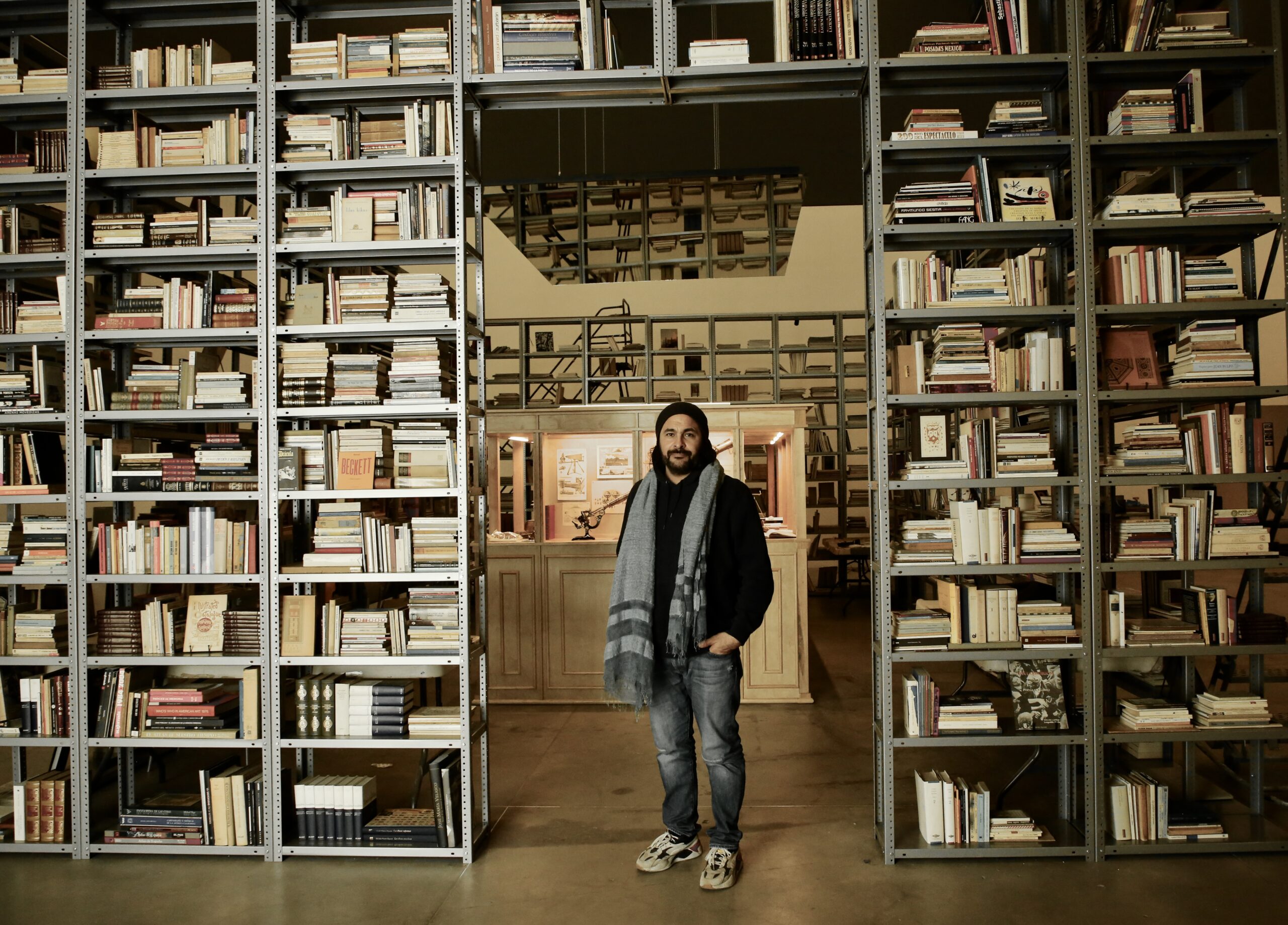
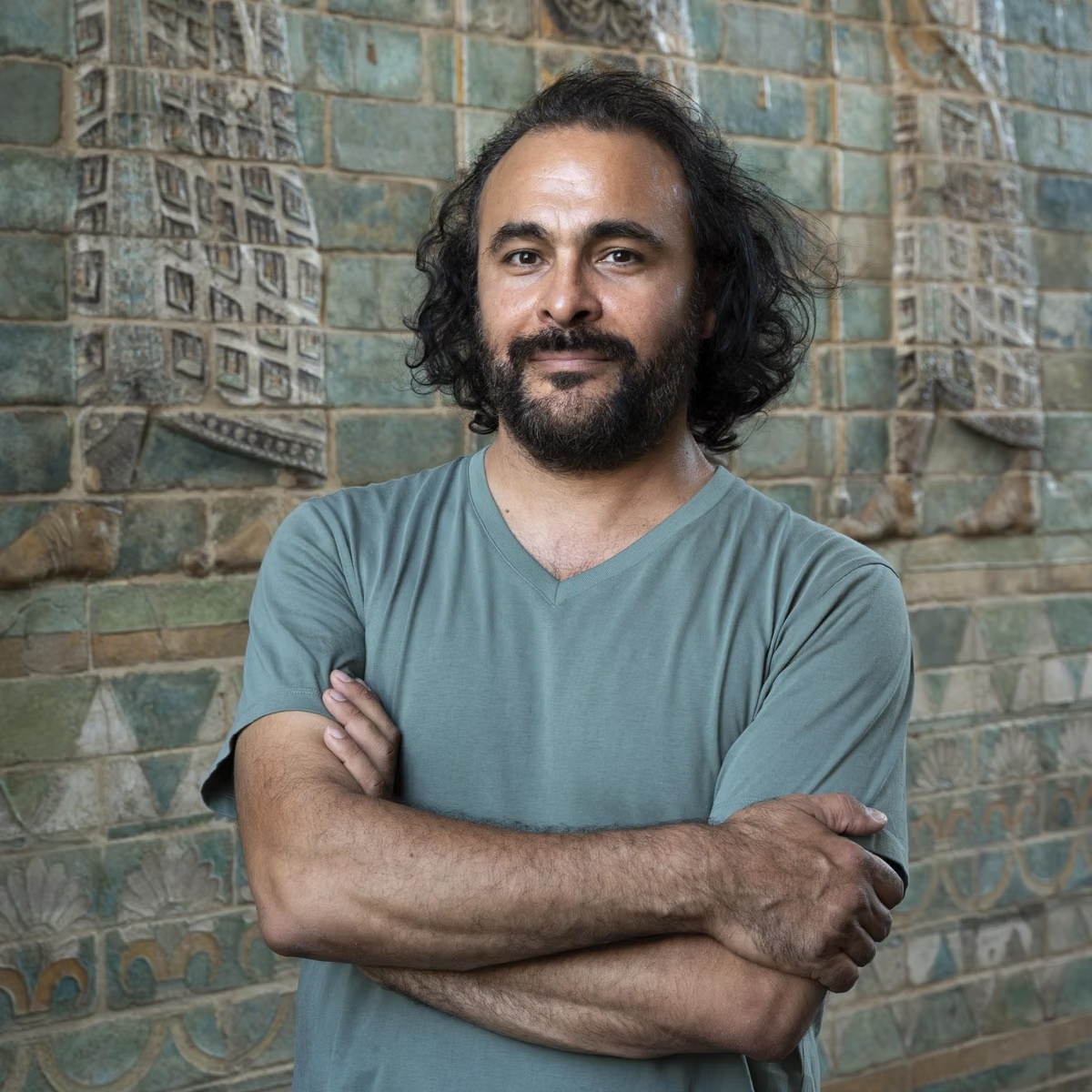
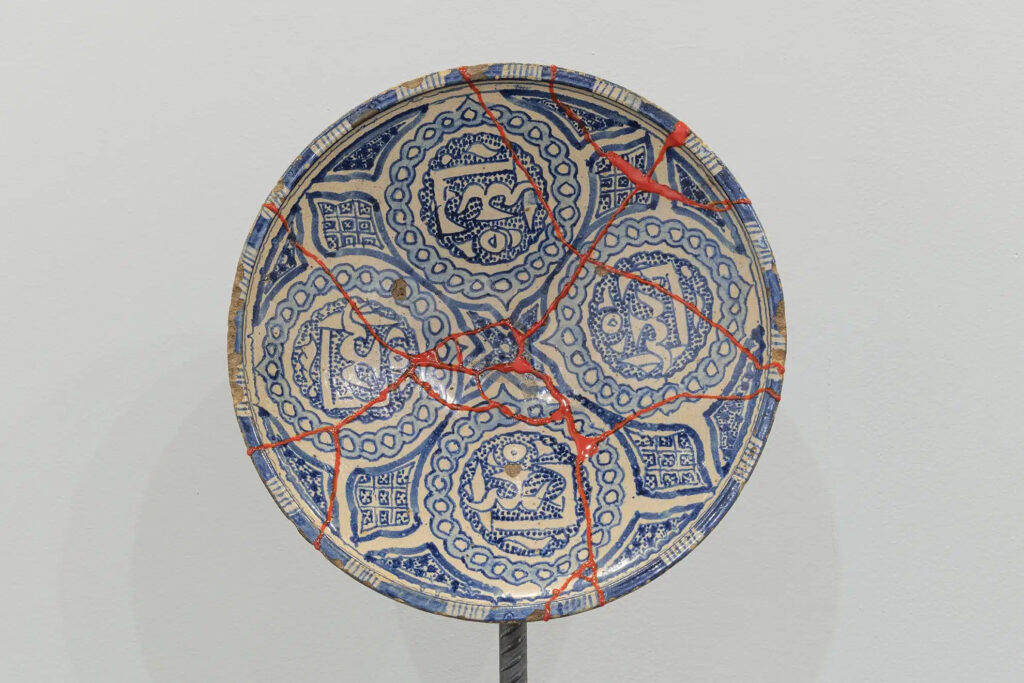
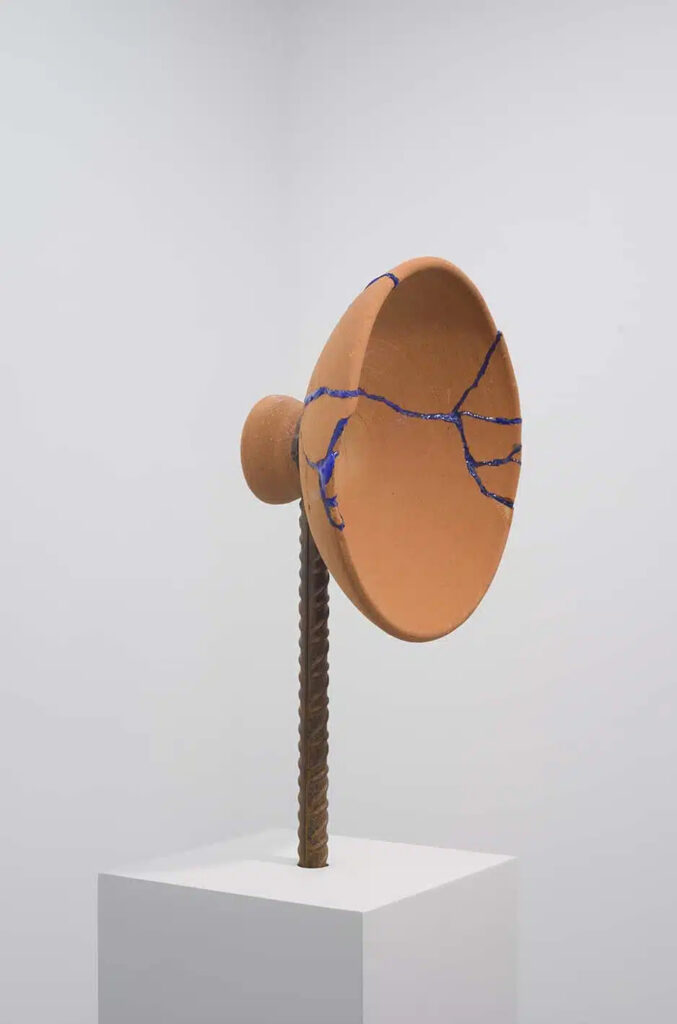
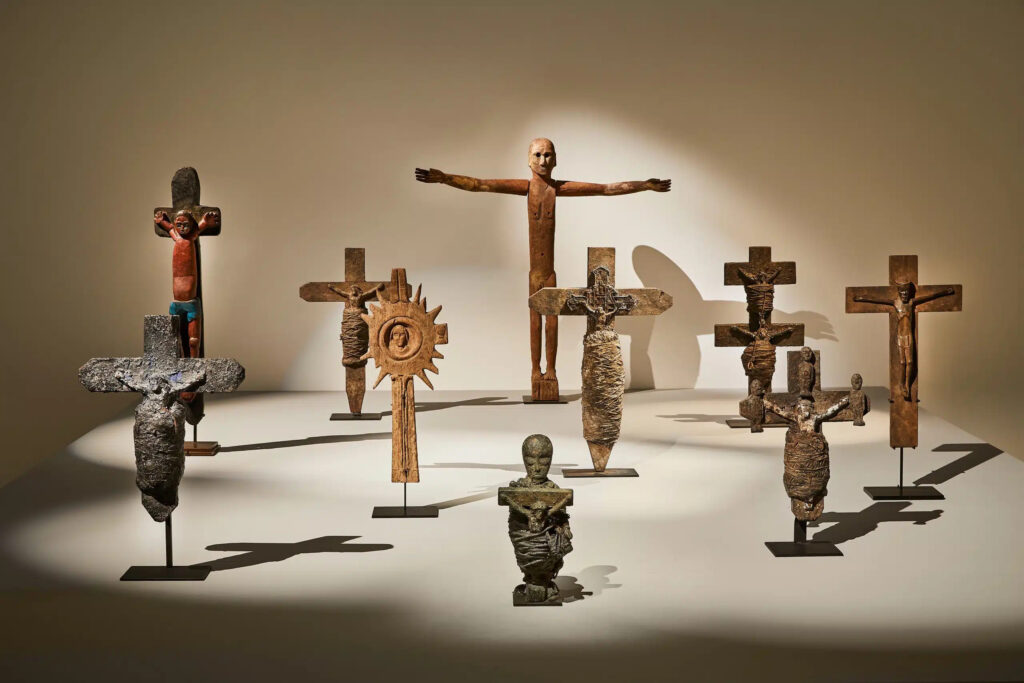
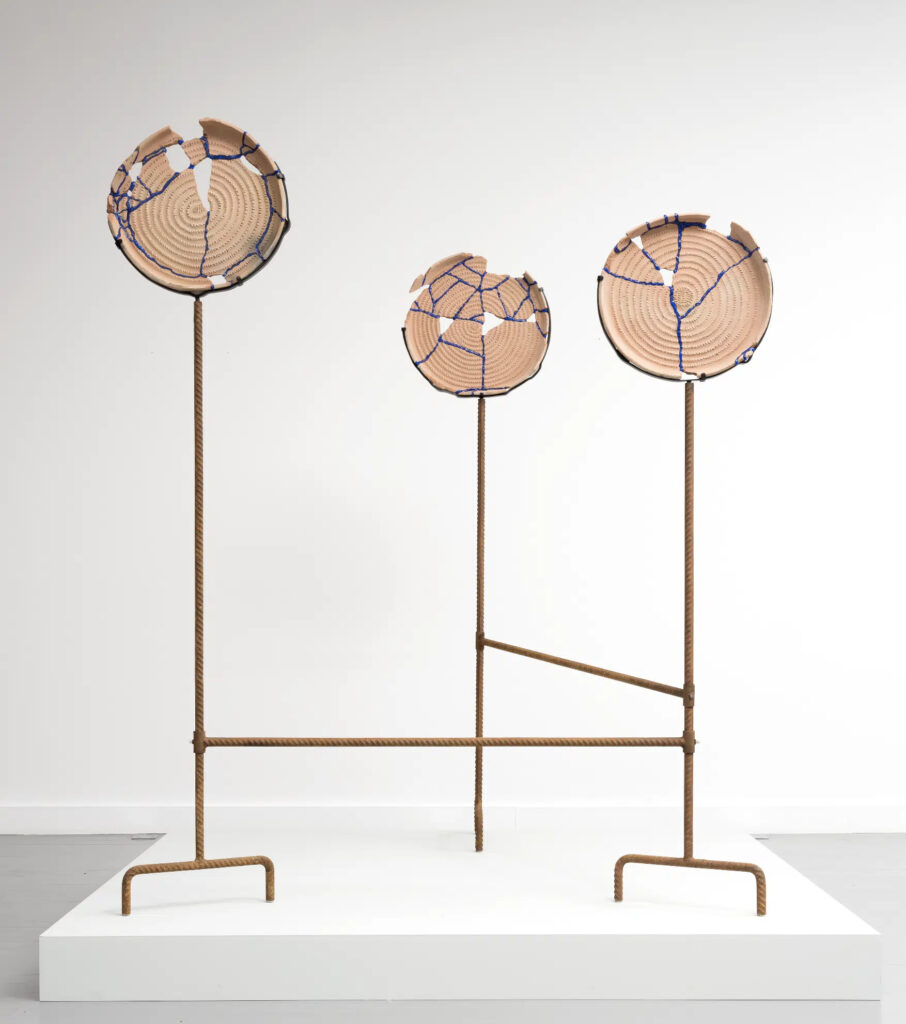
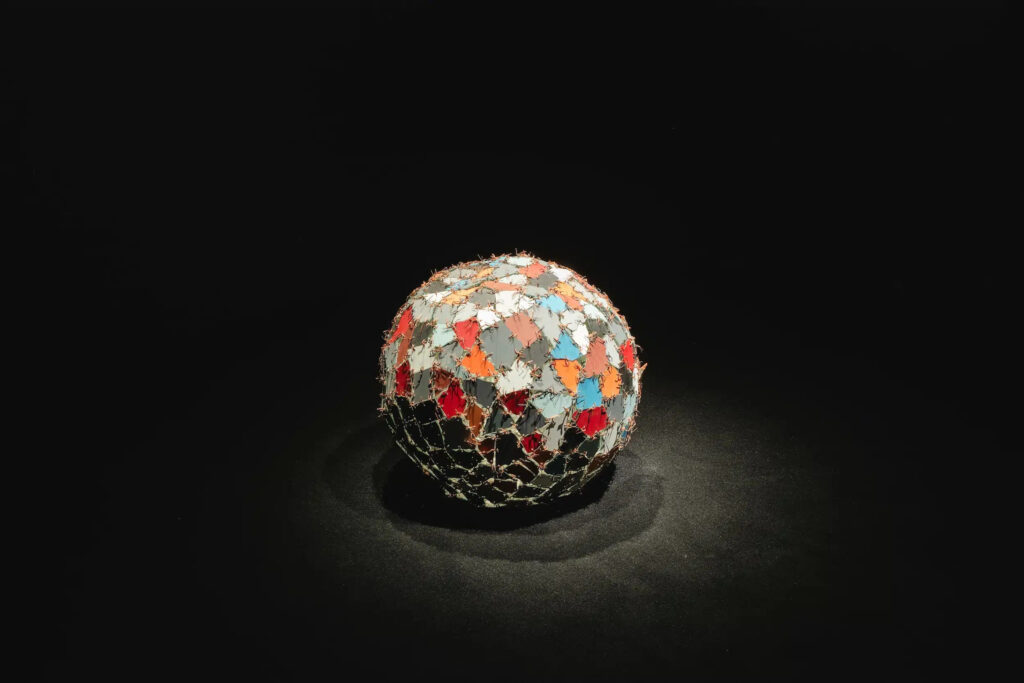
Kader Attia grew up in Paris and in Algeria. Preceding his studies at the École Supérieure des Arts Appliqués Duperré and the École Nationale Supérieure des Arts Décoratifs in Paris, and at Escola Massana, Centre d’Art i Disseny in Barcelona, he spent several years in Congo and in South America. The experience of living between different cultures, the histories of which over centuries have been characterised by rich trading traditions, colonialism and multi-ethnic societies, has fostered Kader Attia’s intercultural and interdisciplinary approach of research. For many years, he has been exploring the perspective that societies have on their history, especially as regards experiences of deprivation and suppression, violence and loss, and how this affects the evolving of nations and individuals — each of them being connected to collective memory. His social-cultural research has led Kader Attia to the notion of repair, a concept he has been developing philosophically in his writings and symbolically in his oeuvre as a visual artist. With the principle of Repair being a constant in nature — thus also in humanity —, any system, social institution or cultural tradition can be considered as an infinite process of repair, which is closely linked to loss and wounds, to recuperation and re-appropriation. Repair reaches far beyond the subject and connects the individual to gender, philosophy, science, and architecture, and also involves it in evolutionary processes in nature, culture, myth and history. Following the idea of catharsis, his work aims at art’s re-appropriation of the field of emotion that, running from ethics to aesthetics, from politics to culture, links individuals and social groups through emotional experience, and that is in danger of being seized by recent nationalist movements. In 2016, Kader Attia founded La Colonie, a space in Paris to share ideas and to provide an agora for vivid discussion that extends his praxis from representation to action. Focussing on decolonialisation not only of peoples but also of knowledge, attitudes and practices, it aspires to de-compartmentalise knowledge by a trans-cultural, trans-disciplinary and trans-generational approach. Driven by the urgency of social and cultural reparations, it aims at reuniting which has been shattered, or drift apart.
READ MORE
Kader Attia’s work has been shown in group shows and biennials such as the 15th Sharjah Biennial (2023); the 12th Shanghai Biennial (2018); the 12th Gwangju Biennial (2018); Manifesta 12, Palermo (2018); the 57th Venice Biennial (2017); dOCUMENTA(13), Kassel (2012); Met Breuer, New York; Kunsthalle Wien; MoMA, New York; Tate Modern, London; Centre Pompidou, Paris; or The Solomon R. Guggenheim Museum, New York. Notable solo exhibitions include MUAC, Mexico City (2025); MO.CO, Montpellier (2024); MATHAF, Doha (2022); Kunsthaus Zürich (2020); Berkeley Art Museum and Pacific Film Archive (2019); The Hayward Gallery, London (2019); Fundacio Joan Miro in Barcelona (2018); MacVal, Vitry-sur-Seine (2018); The Power Plant, Toronto (2018); Museum of Contemporary Art, Sydney (2017); SMAK, Gent (2017); Museum für Moderne Kunst, Frankfurt (2016); Musée Cantonal des Beaux Arts de Lausanne (2015); Beirut Art Center (2014); Whitechapel Gallery, London (2013); KW Institute for Contemporary Art, Berlin (2013); among others. In 2016, Kader Attia was awarded with the Marcel Duchamp Prize, followed in 2017 by the Prize of the Miró Foundation, Barcelona; and the Yanghyun Art Prize, Seoul.
2. WORK SELECTION
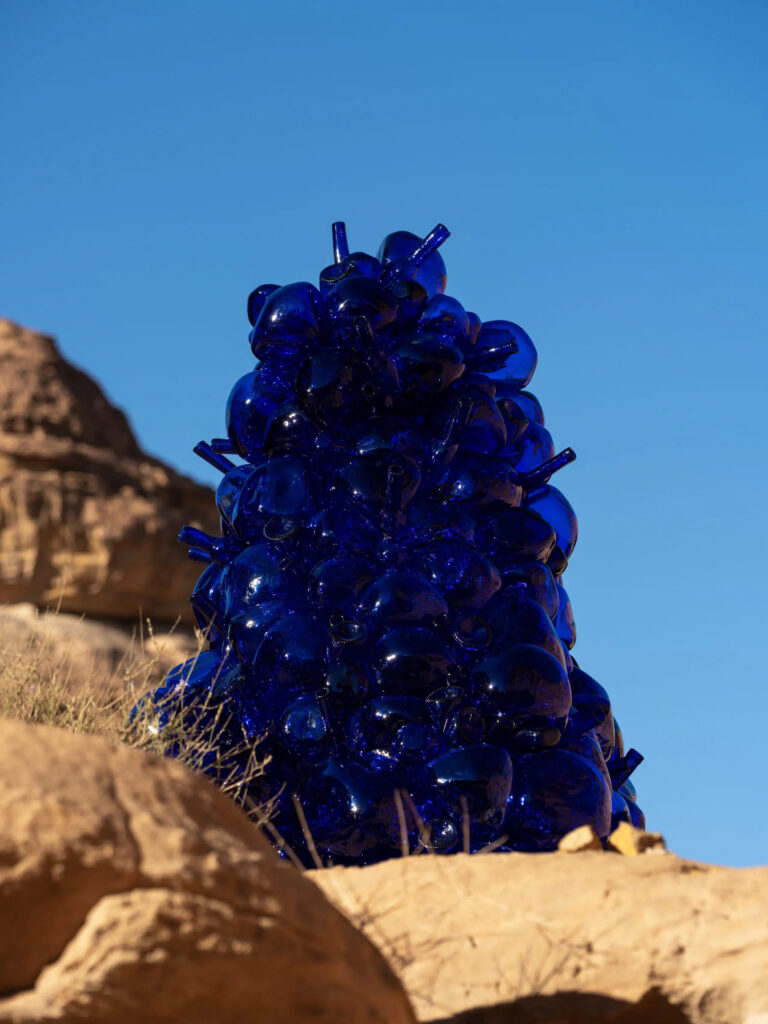
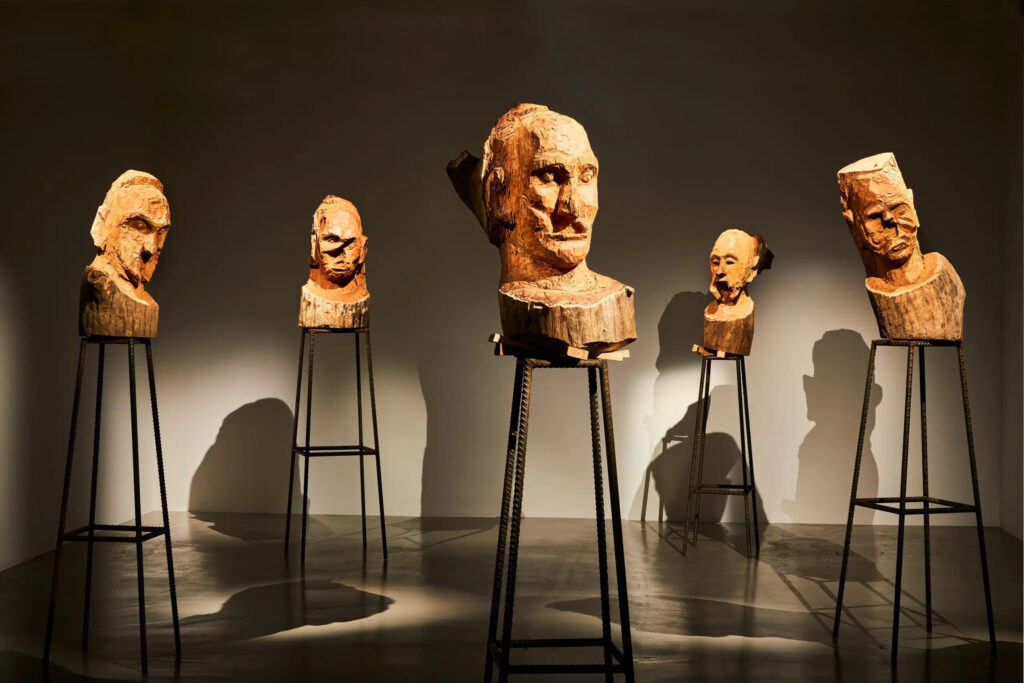
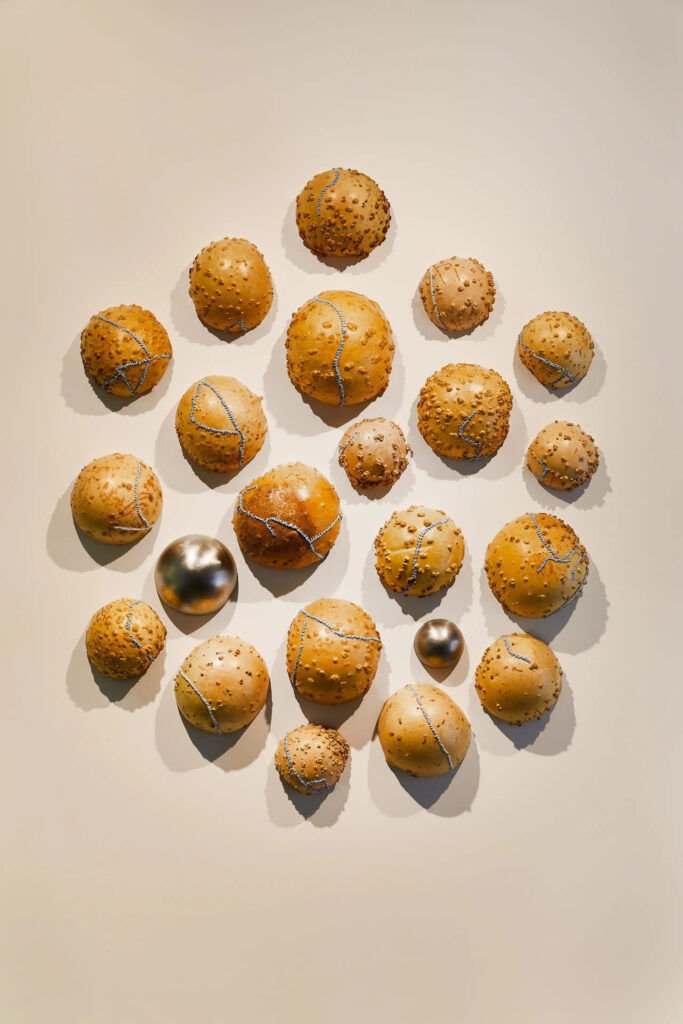
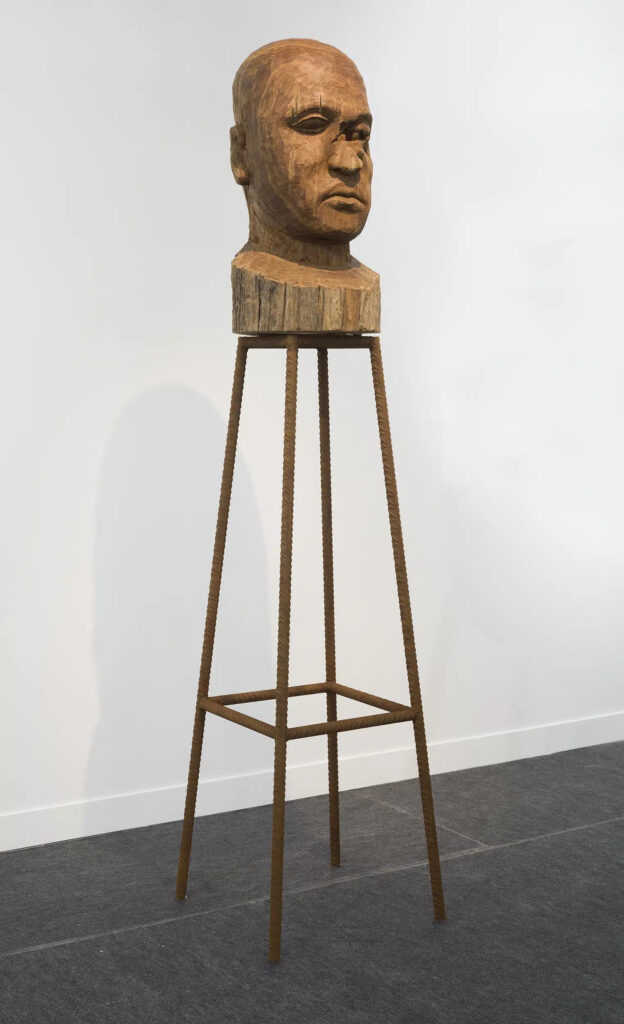
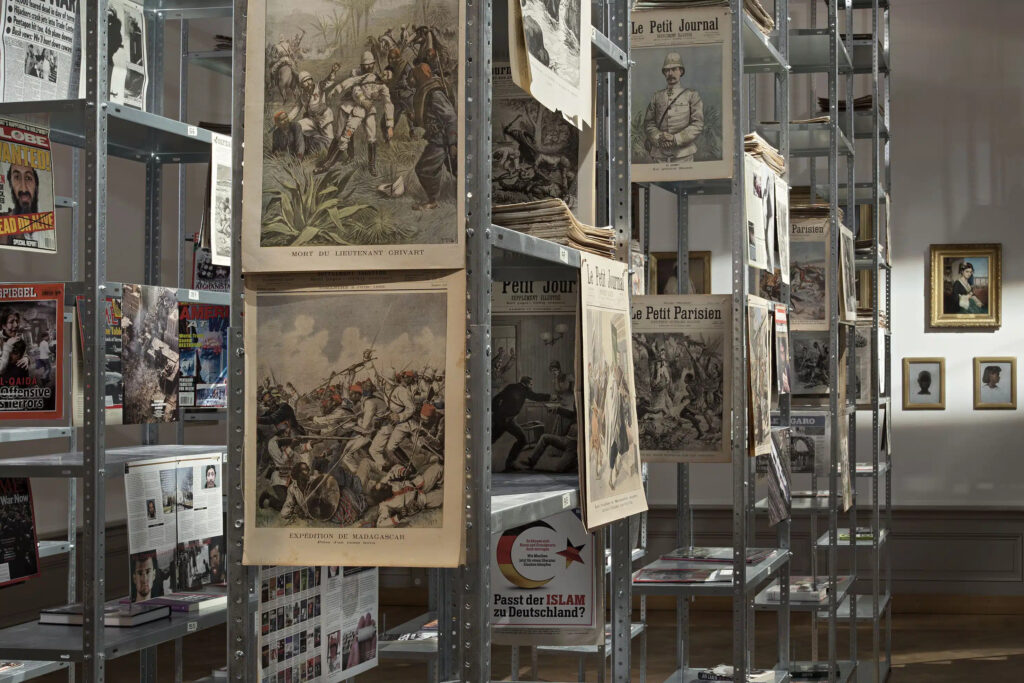
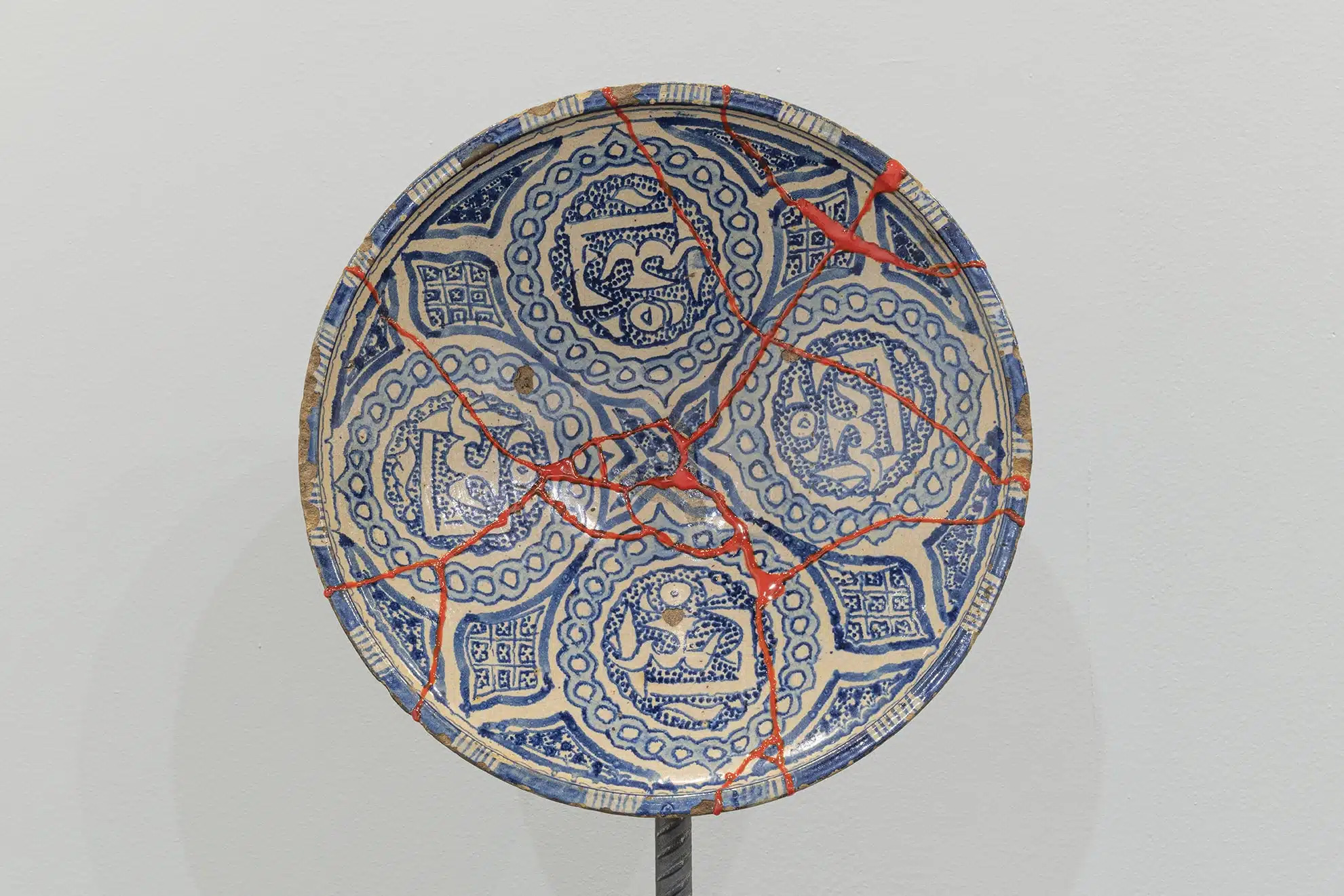
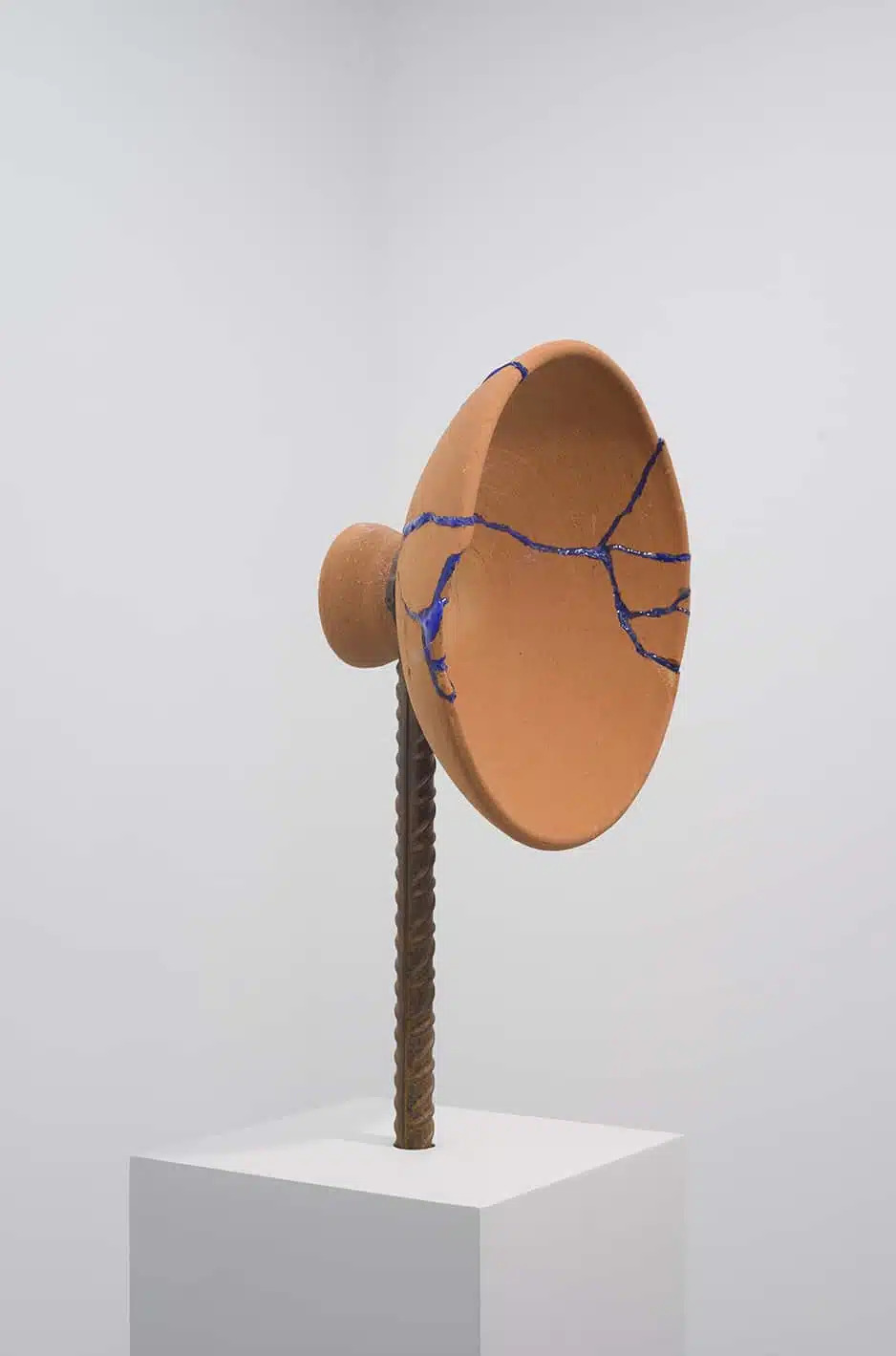
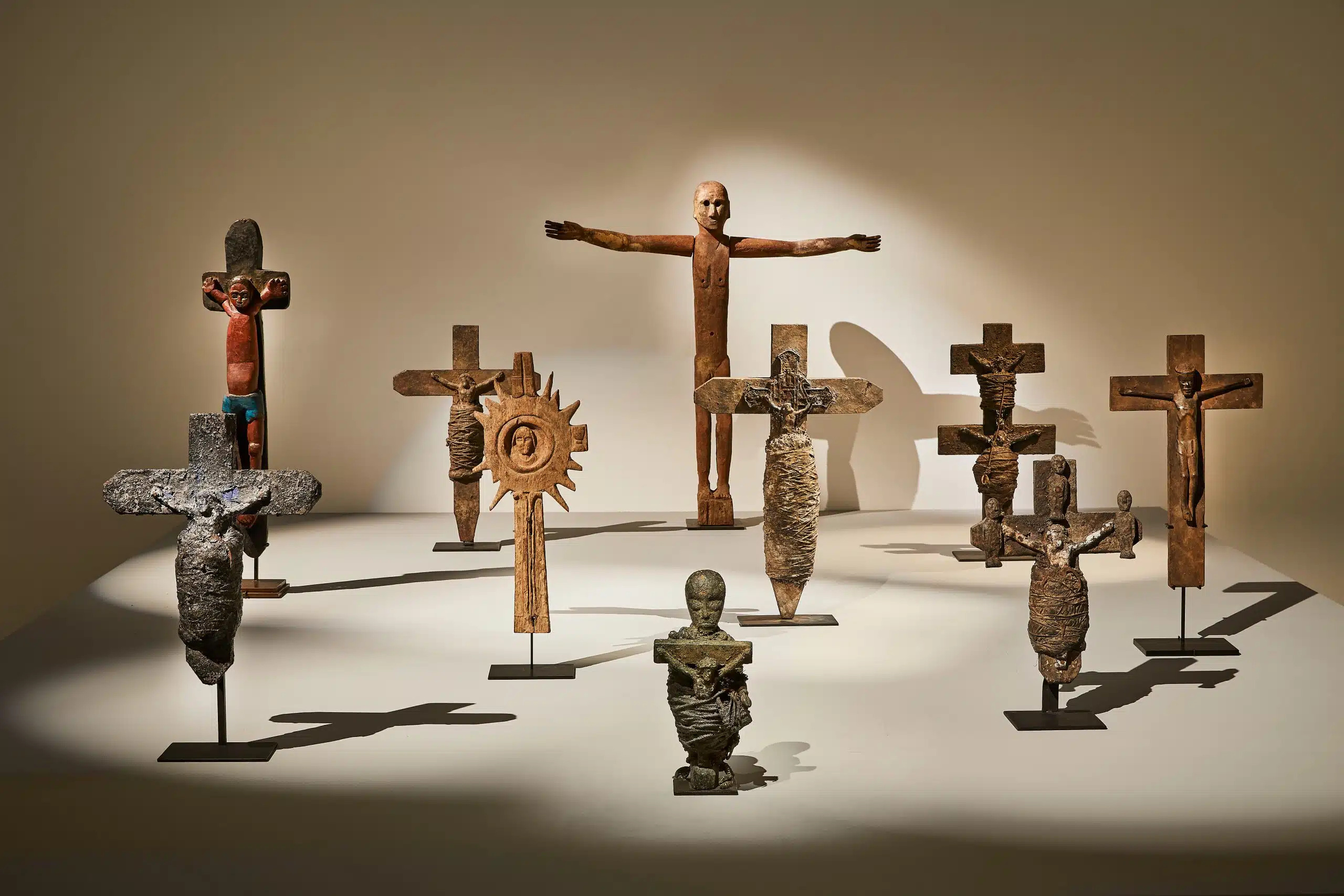
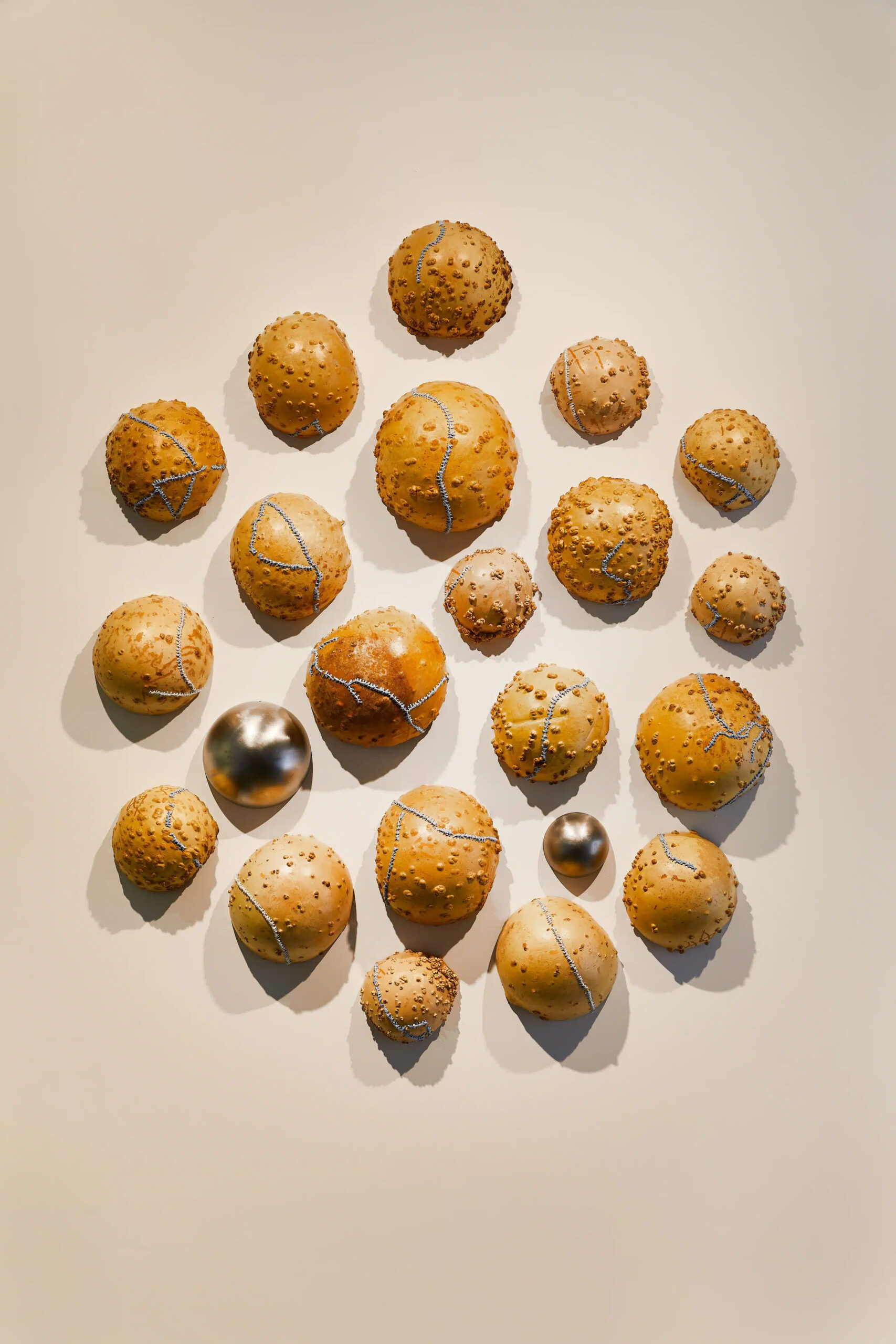
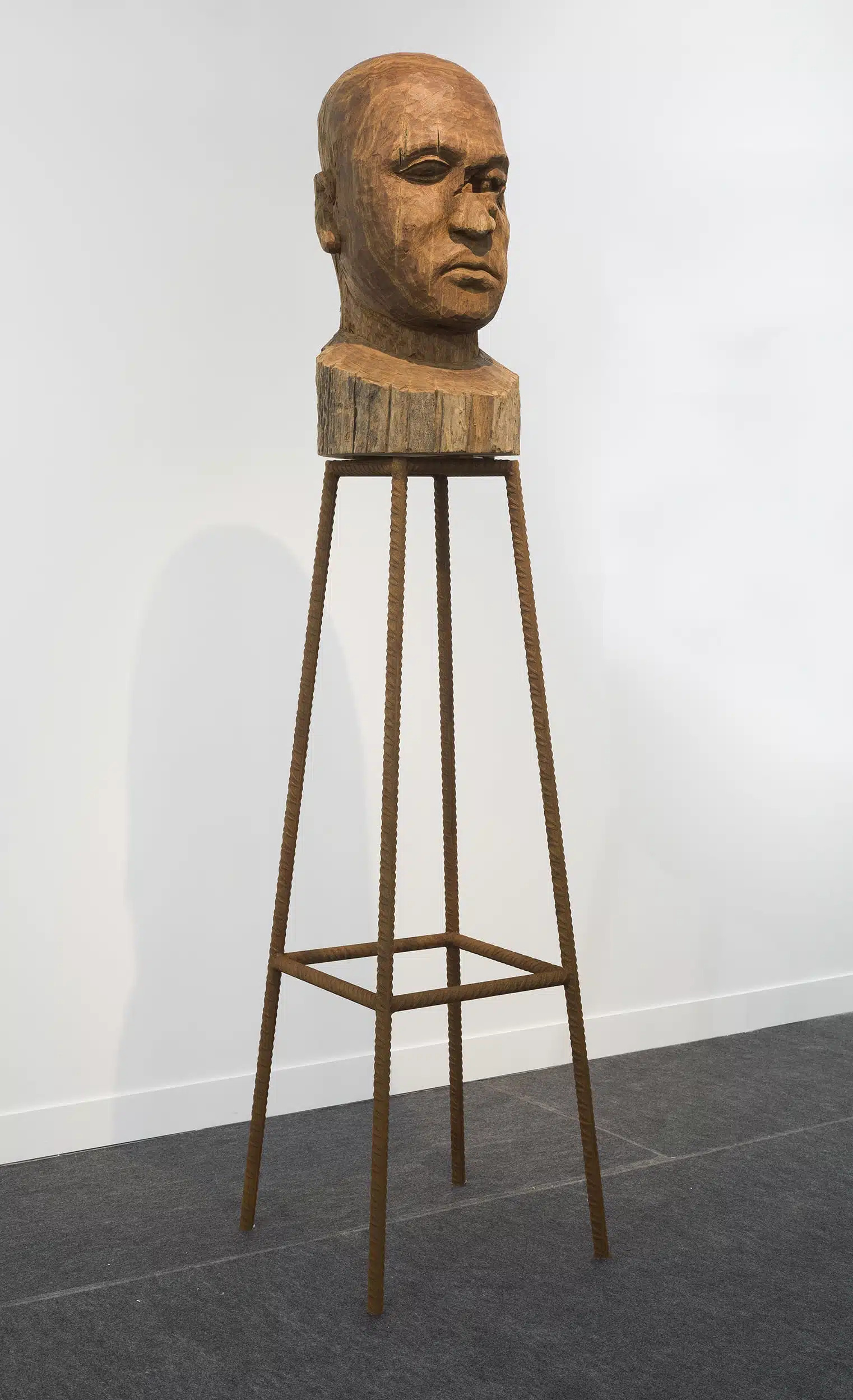
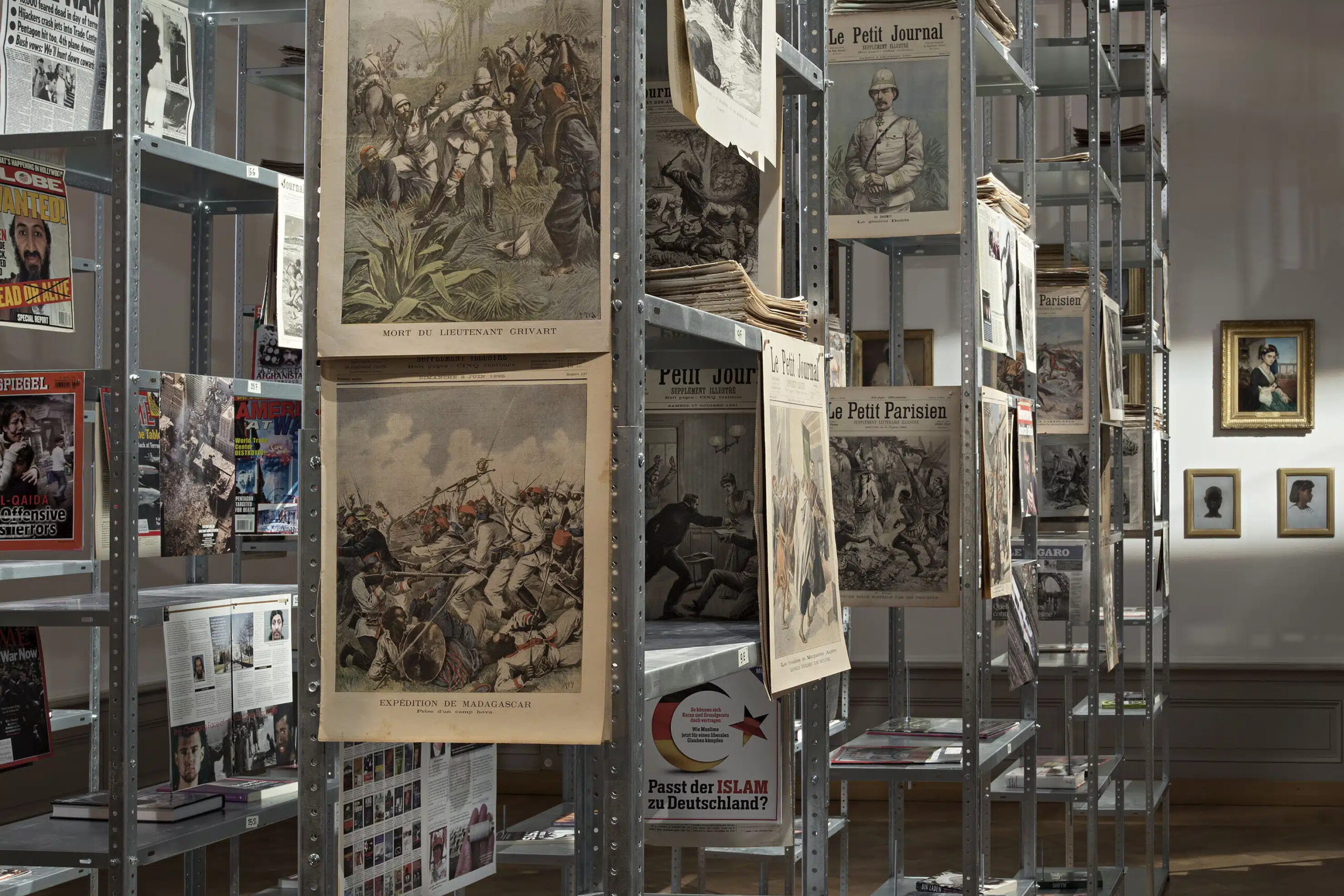
3. PROGRAM AT THE GALLERY
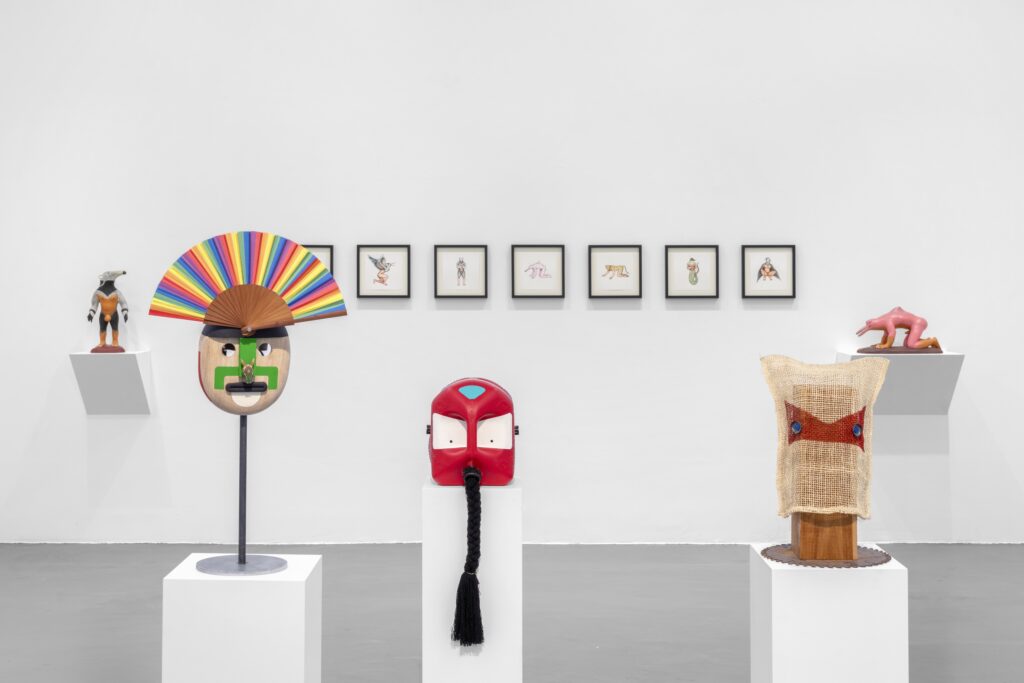
FREDI CASCO, CHEN CHING-YUAN, ROSÂNGELA RENNÓ, SYLVIE SELIG, SACHA CAMBIER DE MONTRAVEL, BIANCA BONDI, MANJOT KAUR, PAZ ERRÁZURIZ, KADER ATTIA, MALO CHAPUY, THÉO MERCIER, LAWRENCE ABU HAMDAN – Masques & Sortilèges
FREDI CASCO, CHEN CHING-YUAN, ROSÂNGELA RENNÓ, SYLVIE SELIG, SACHA CAMBIER DE MONTRAVEL, BIANCA BONDI, MANJOT KAUR, PAZ ERRÁZURIZ, KADER ATTIA, MALO CHAPUY, THÉO MERCIER, LAWRENCE ABU HAMDAN – Masques & Sortilèges
Masques & SortilègesGroup showParis05.07-02.08.2025
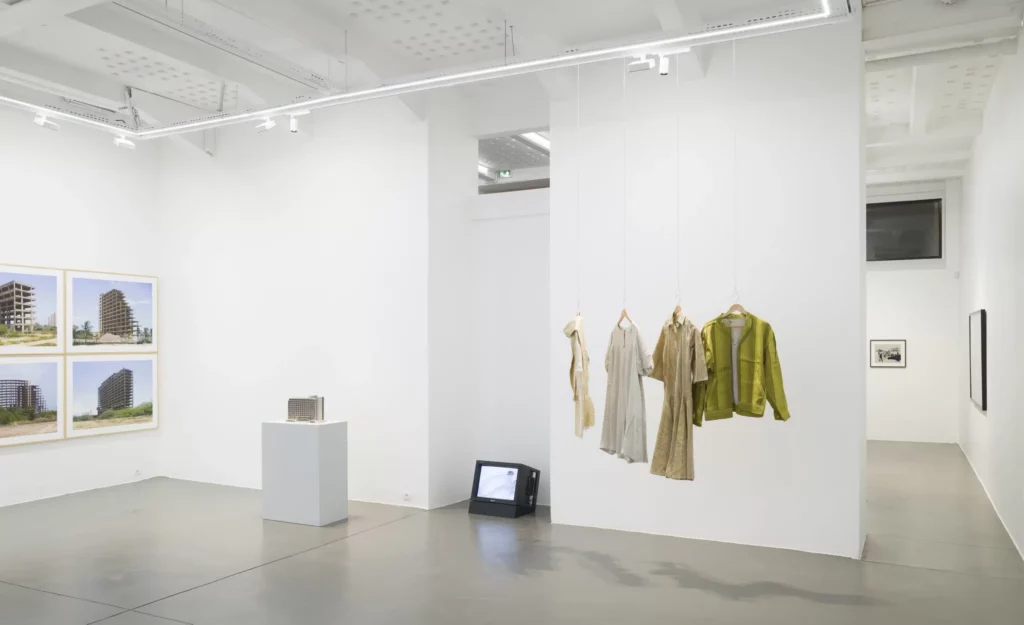
LAWRENCE ABU HAMDAN, LARA ALMARCEGUI, ALEXANDER APÓSTOL, MARWA ARSANIOS, KADER ATTIA, MALO CHAPUY, TERESA MARGOLLES – Utopías
LAWRENCE ABU HAMDAN, LARA ALMARCEGUI, ALEXANDER APÓSTOL, MARWA ARSANIOS, KADER ATTIA, MALO CHAPUY, TERESA MARGOLLES – Utopías
Utopías arquitectónicasGroup showParis23.11.2024-16.01.2025
4. INSTITUTIONAL PROJECTS

Louvre-Lens, 2026

MUAC, 2025

CAAC Sevilla, 2025

Public Art Abu Dhabi Biennial, 2024

MAMBO, 2024

Jim Thompson, 2024

AlUla Arts Festival, 2024

Sharjah Art Foundation, 2023

Quai Branly, 2021

Sesc Pompeia, 2020

Power Plant, 2018

12th Gwangju Biennial, 2018

57th Venice Biennale, 2017

MCBA, 2015

Biennale of Sydney, 2010
“Even when you are alone, you are never alone. When you look at an artwork even as a viewer, not an artist, you are never alone. There are millions of traces inside of you that are looking at the artwork with you at the same time, that orient your mind.”
“I always found that recycling was a way to reinvent something, and then, at some point, I discovered that recycling means repairing.”
5. VIDEOS
2025
Leçon d’artiste – Kader Attia au Louvre – Caresses et violences dans la société du regard
Musée du Louvre
2020
Kader Attia, remembering the future
Kunsthaus Zürich
2018
Kader Attia
ARTtube
2016
Exhibition Film: Kader Attia. Sacrifice and Harmony
Museum MMK
2014
Kader Attia, l’art de la mémoire et de la réparation
France 24
6. NEWS
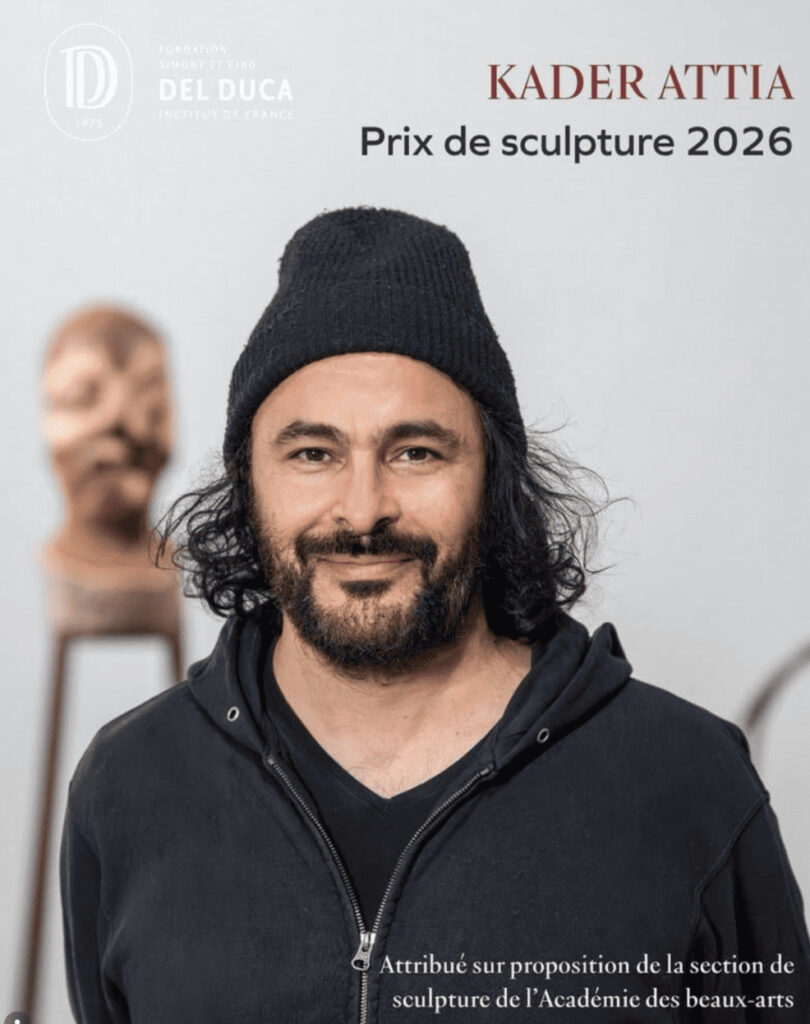
KADER ATTIA – Prix de sculpture 2026
KADER ATTIA – Prix de sculpture 2026
KADER ATTIAPrix de sculpture 2026PrizeAcadémie des Beaux-ArtsParis26.05.2026
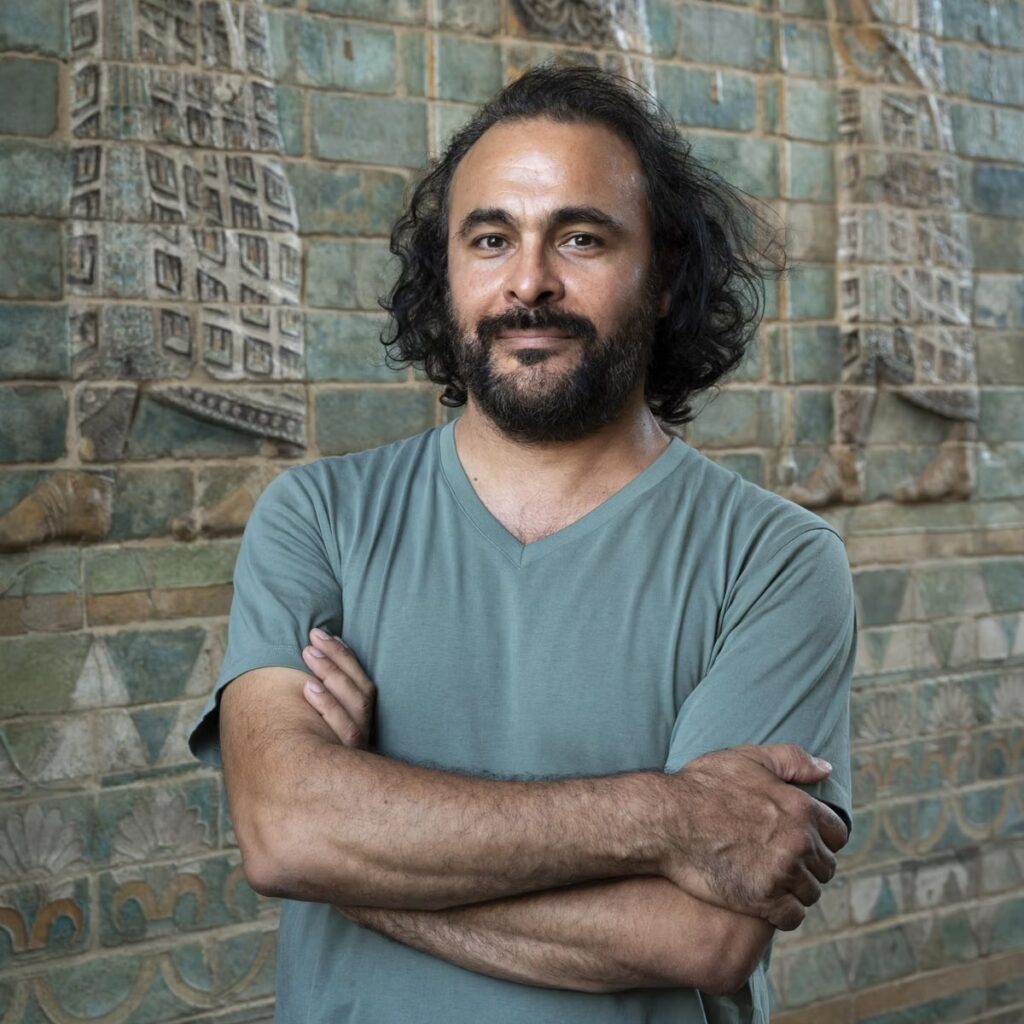
KADER ATTIA – Curator of the 7th Kochi-Muziris Biennale
KADER ATTIA – Curator of the 7th Kochi-Muziris Biennale
KADER ATTIACurator of the 7th Kochi-Muziris BiennaleAnnouncementKeralaIndia13.05.2026
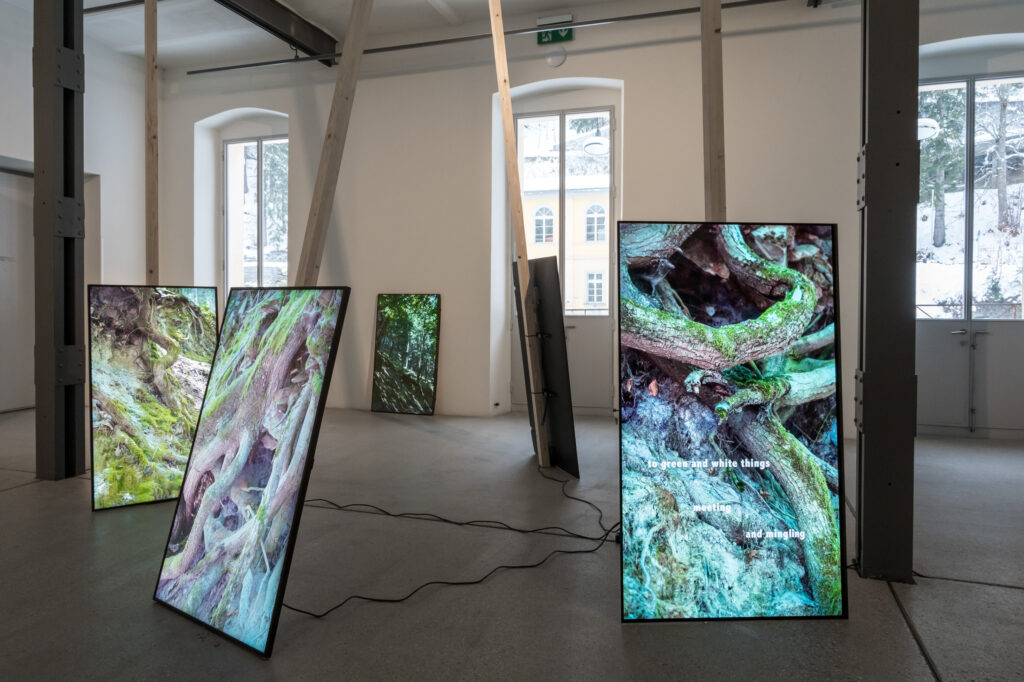
KADER ATTIA, GUADALUPE MARAVILLA, URIEL ORLOW – In Minor Keys
KADER ATTIA, GUADALUPE MARAVILLA, URIEL ORLOW – In Minor Keys
KADER ATTIA, GUADALUPE MARAVILLA, URIEL ORLOWIn Minor KeysGroup show61st Venice BiennaleItaly09.05-22.11.2026
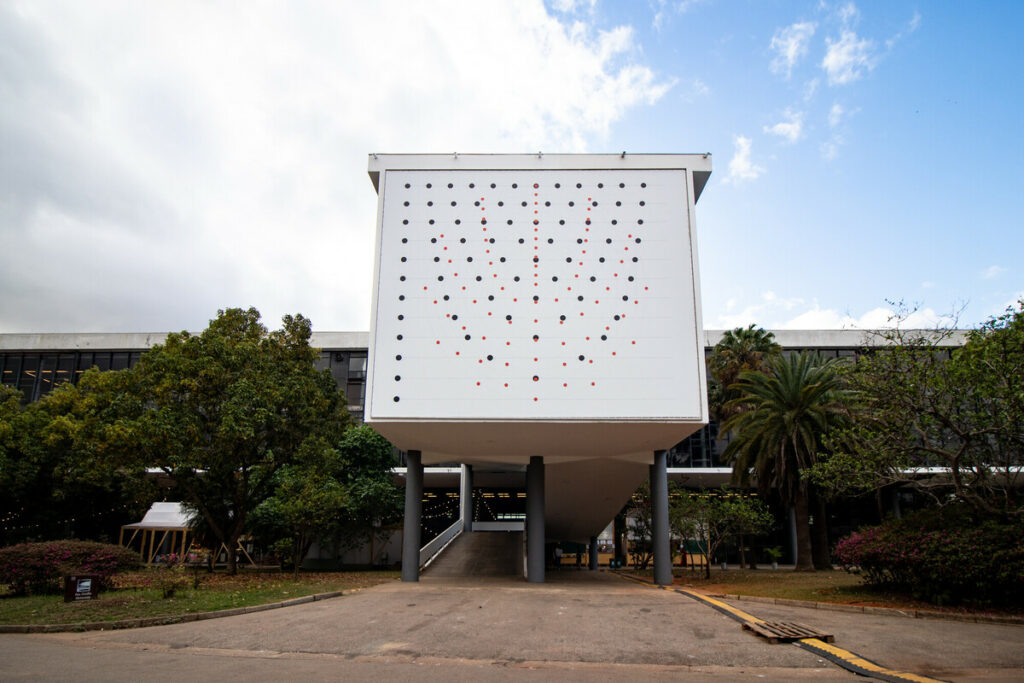
KADER ATTIA, CEVDET EREK, HAJRA WAHEED – Bienal of São Paulo
KADER ATTIA, CEVDET EREK, HAJRA WAHEED – Bienal of São Paulo
KADER ATTIA, CEVDET EREK, HAJRA WAHEED Bienal of São PauloGroup showFundação Bienal de São PauloBrazil06.09.2025-11.01.2027
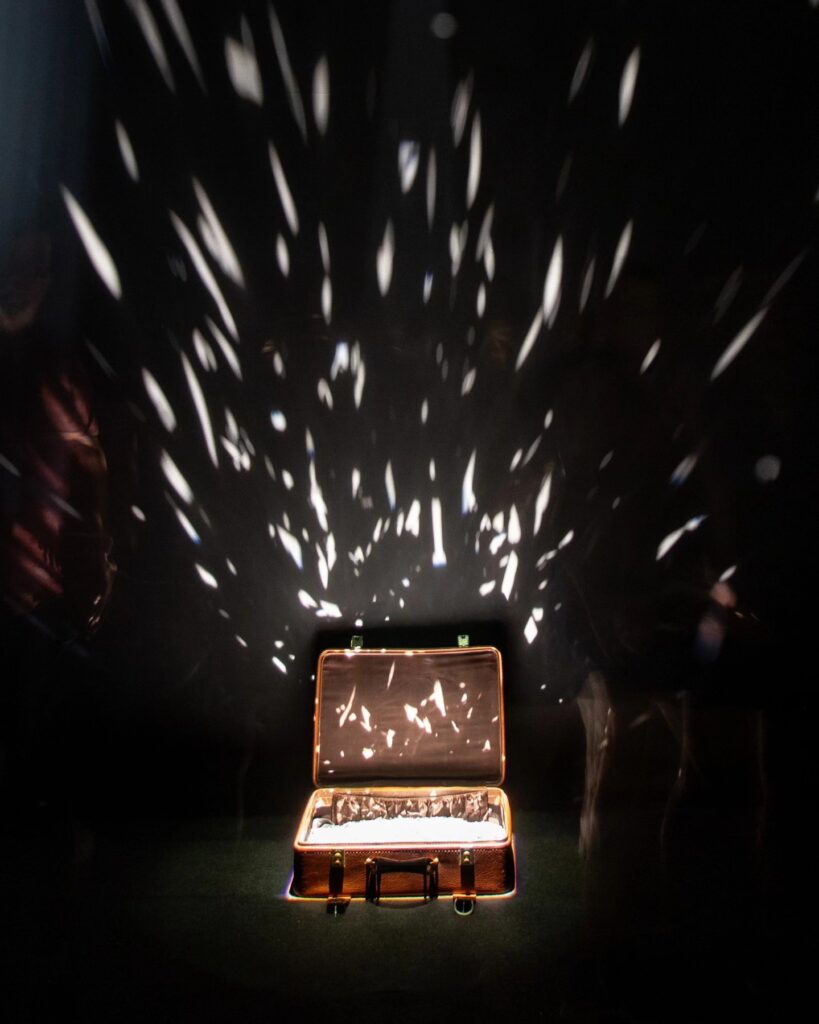
KADER ATTIA – La valise oubliée
KADER ATTIA – La valise oubliée
KADER ATTIALa valise oubliéeGroup show36th São Paulo BiennialBrazil06.09-15.12.2025
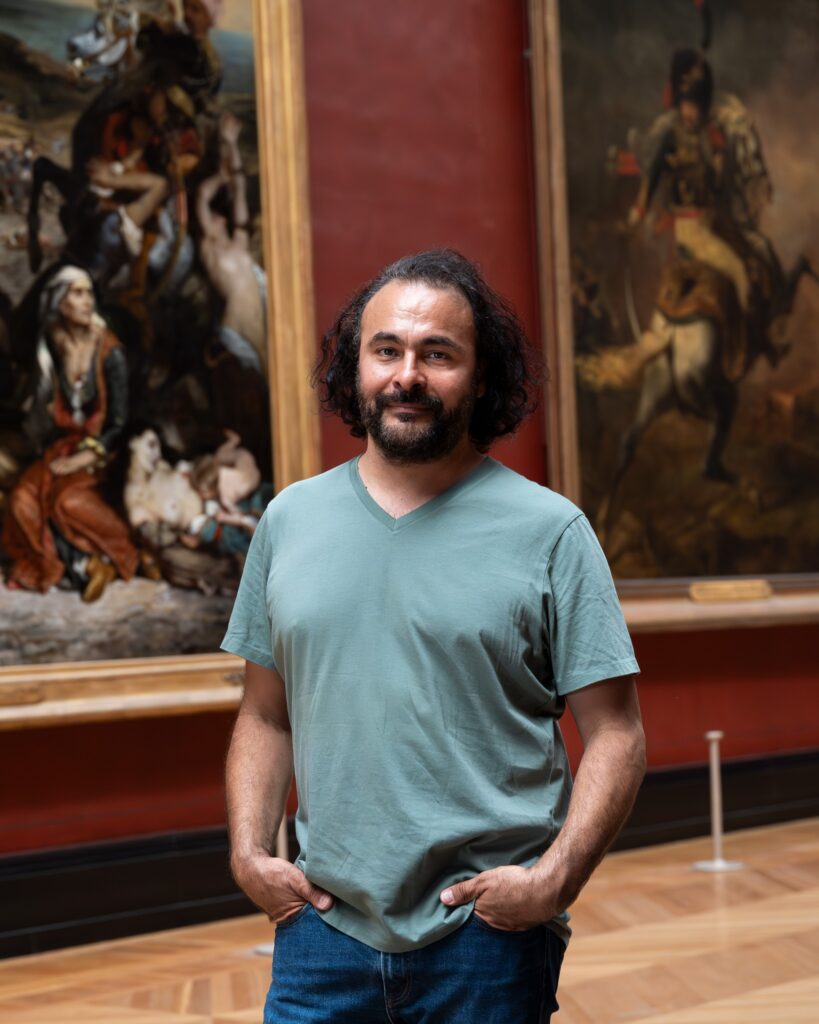
KADER ATTIA – Hôte du Louvre
KADER ATTIA – Hôte du Louvre
KADER ATTIAHôte du LouvreEventMichel Laclotte Louvre AuditoriumParis03.04-25.09.2025
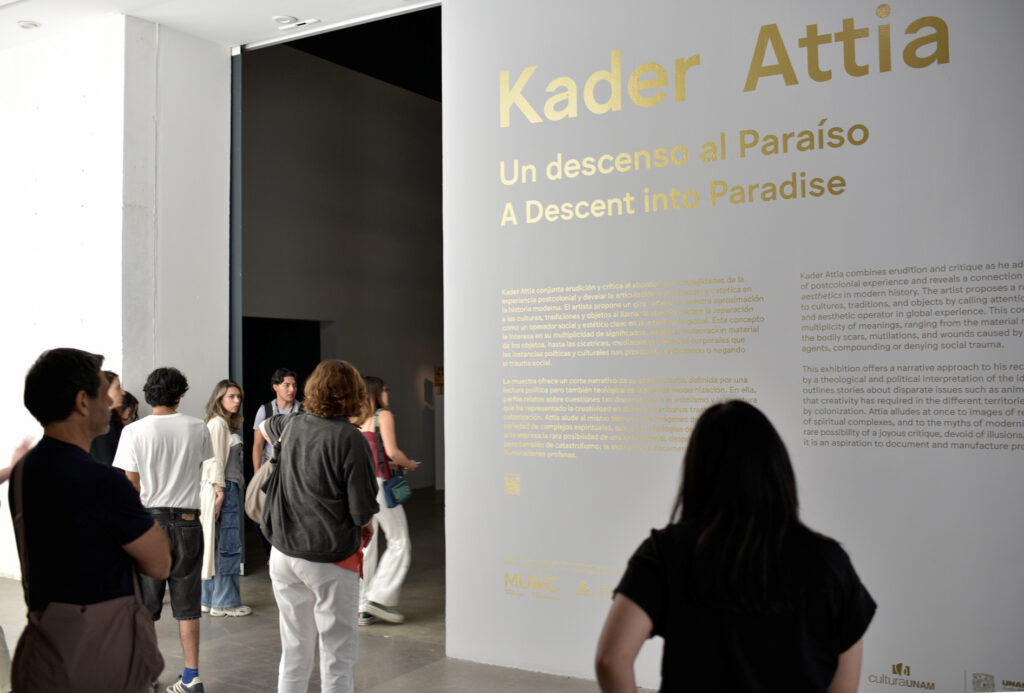
KADER ATTIA – Un descenso al Paraíso
KADER ATTIA – Un descenso al Paraíso
KADER ATTIAUn descenso al ParaísoSolo ShowMUACMexico31.01-02.02.2025
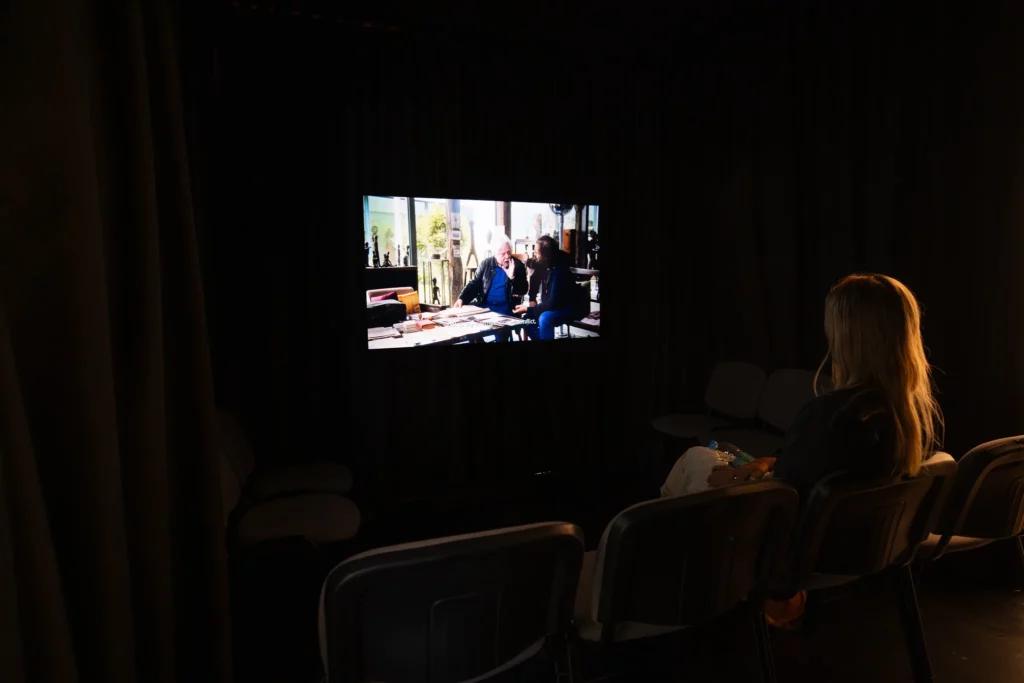
KADER ATTIA – Jon Thompson Art Center
KADER ATTIA – Jon Thompson Art Center
KADER ATTIAUrgency of ExistenceSolo ShowJim Thompson Art centerBangkok04.01-16.03.2025