LAWRENCE ABU HAMDAN
LARA ALMARCEGUI
ALEXANDER APÓSTOL
MARWA ARSANIOS
KADER ATTIA
MALO CHAPUY
TERESA MARGOLLES
Utopías arquitectónicas
PARIS
GROUP SHOW
23.11.2024-16.01.2025
1. EXHIBITION TEXT
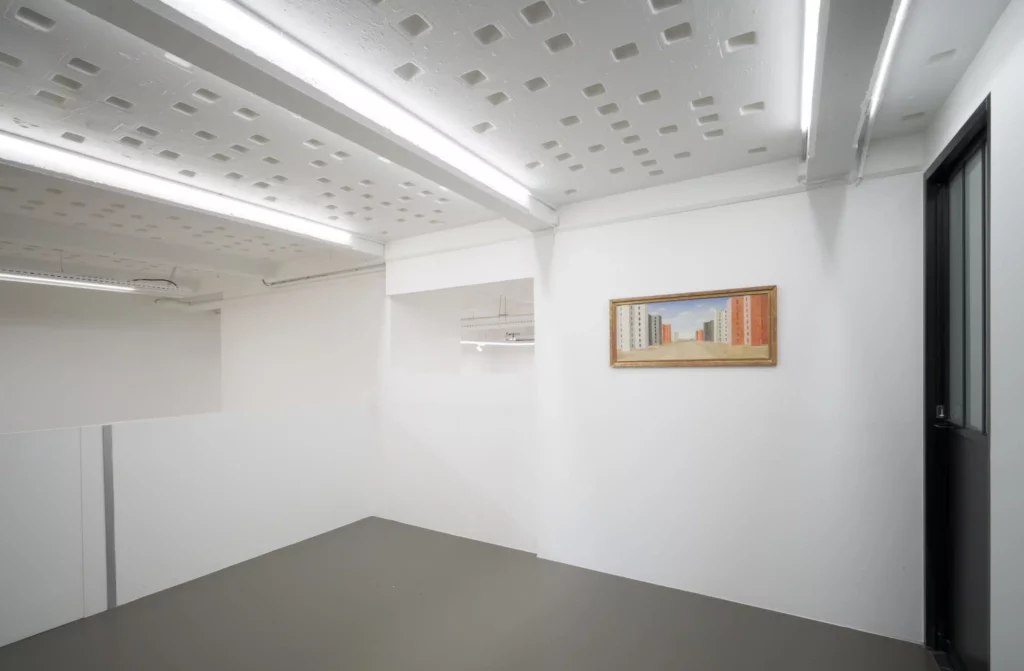
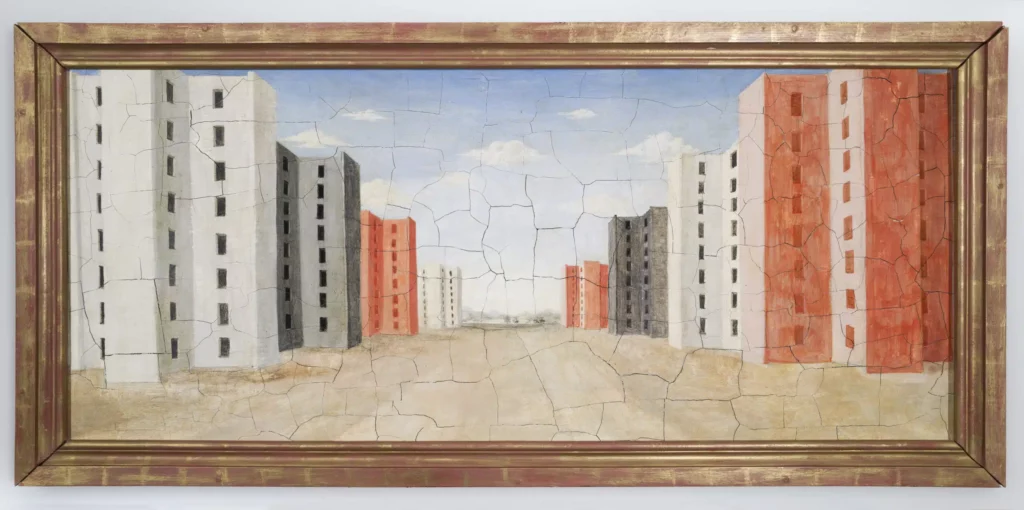
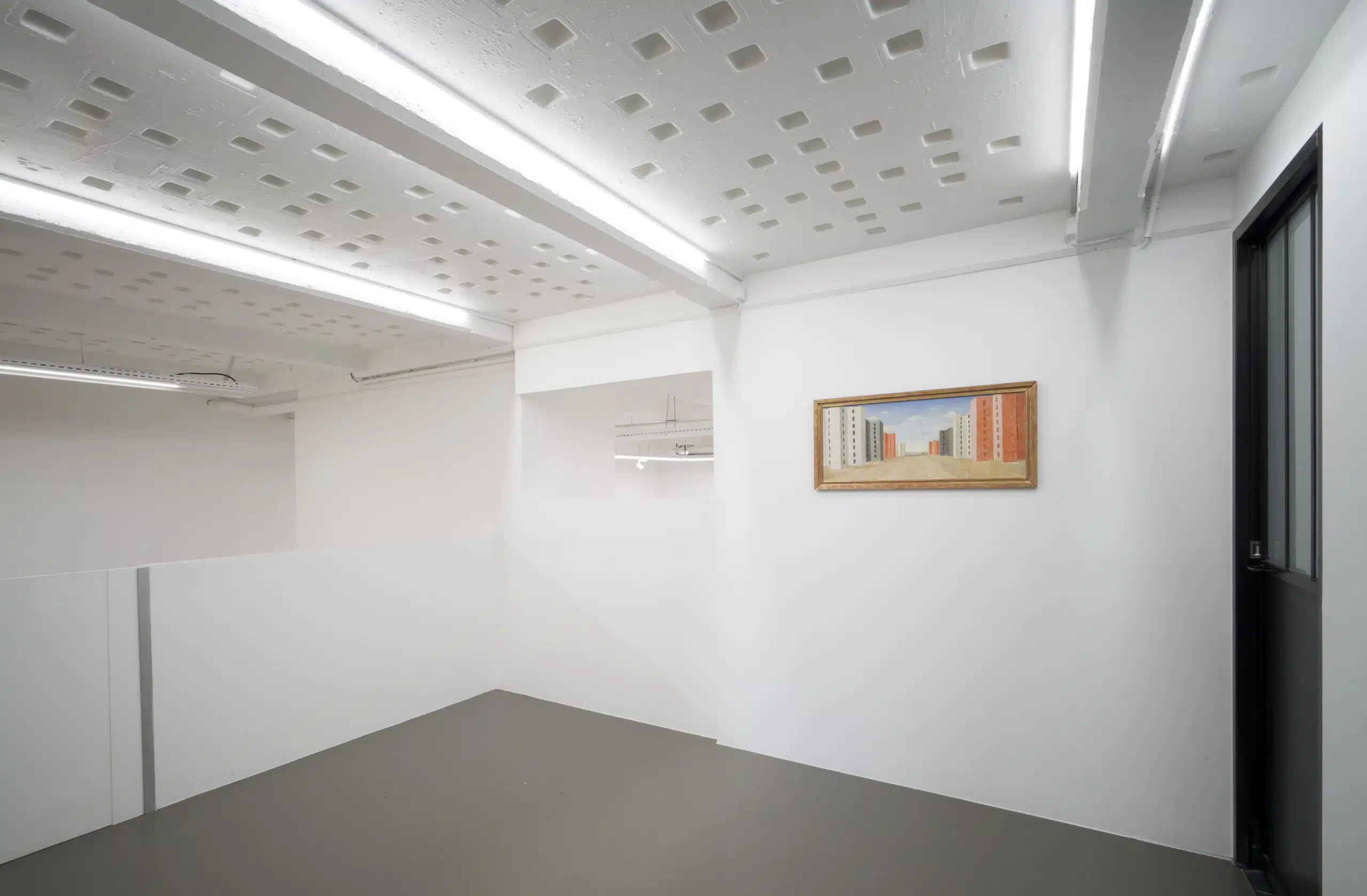
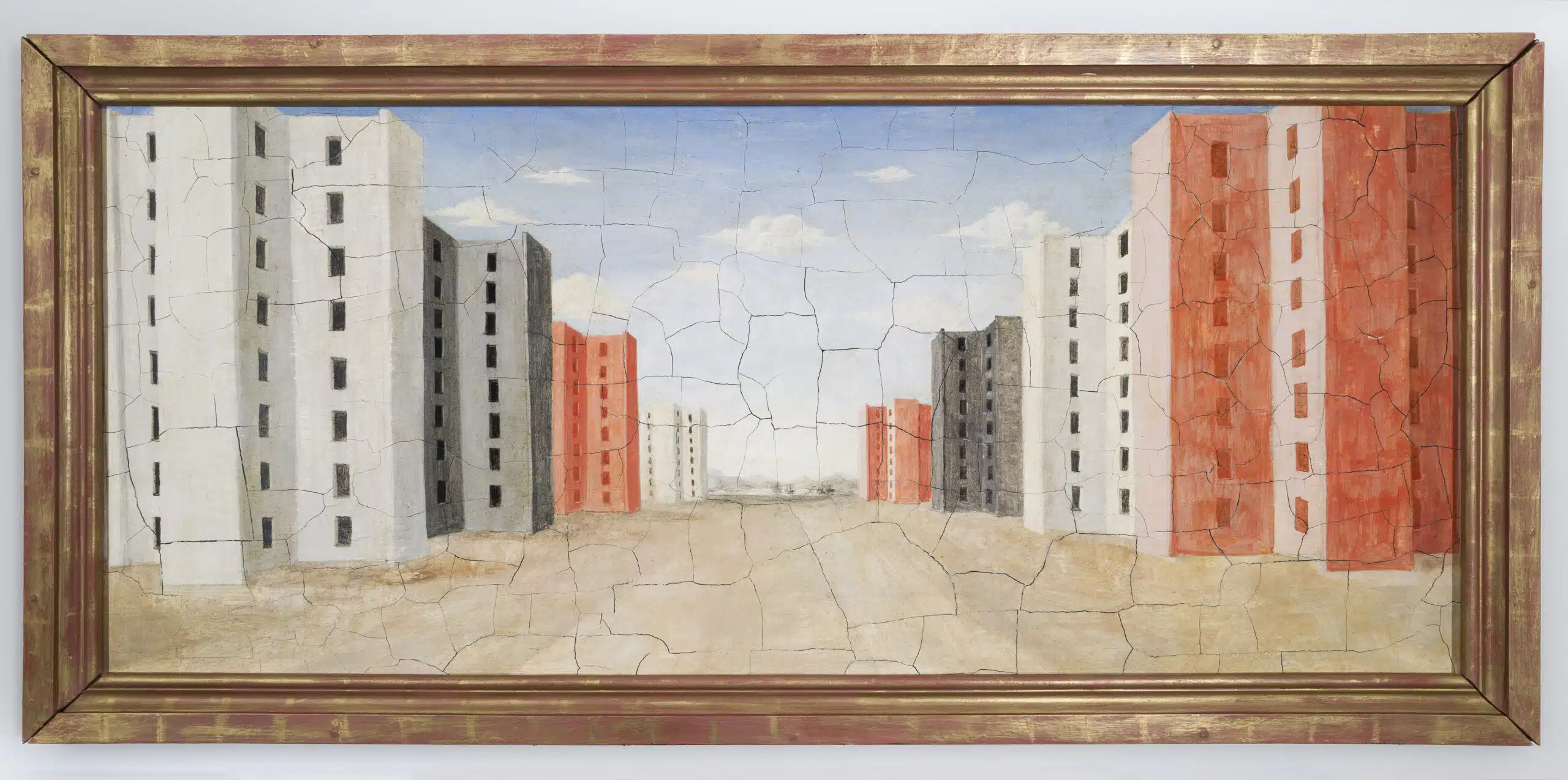
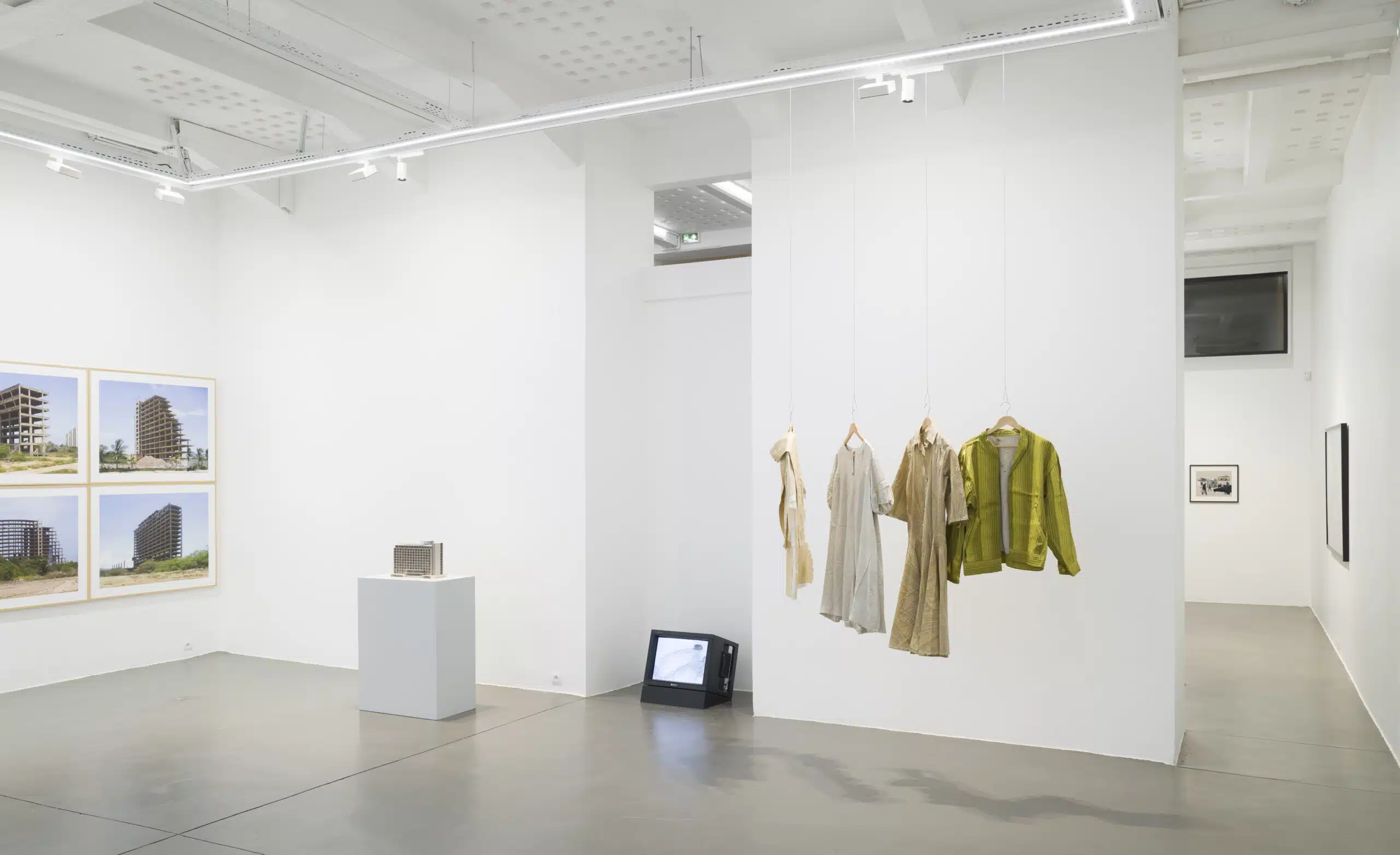
One of the characteristics of the Modern Movement as the hegemonic architectural current of the 20th century, beyond the technical, formal or material use considerations, is undoubtedly the aspiration for universality and the idealistic ambition to achieve a utopian society through urbanism and architecture. Let us say, to begin with, that the universalist dream was born burdened by an ethnocentric and (post)colonial perspective, which quickly, when applied to extra-European contexts, began to show a hybrid and heterogeneous character. On the other hand, it is worth noting, over the course of time, how those places where this project was generalized as a means to progress and economic prosperity have oen proved to be a failed utopia. Introduced with Malo Chapuy‘s particular take on the Reinassance theme of the “Cià ideale”, the show proposes to reflect, through several examples in the work of different artists, on how the existence of an uncontaminated modernity was nothing more than a propagandistic instrument in defense of orthodoxy.
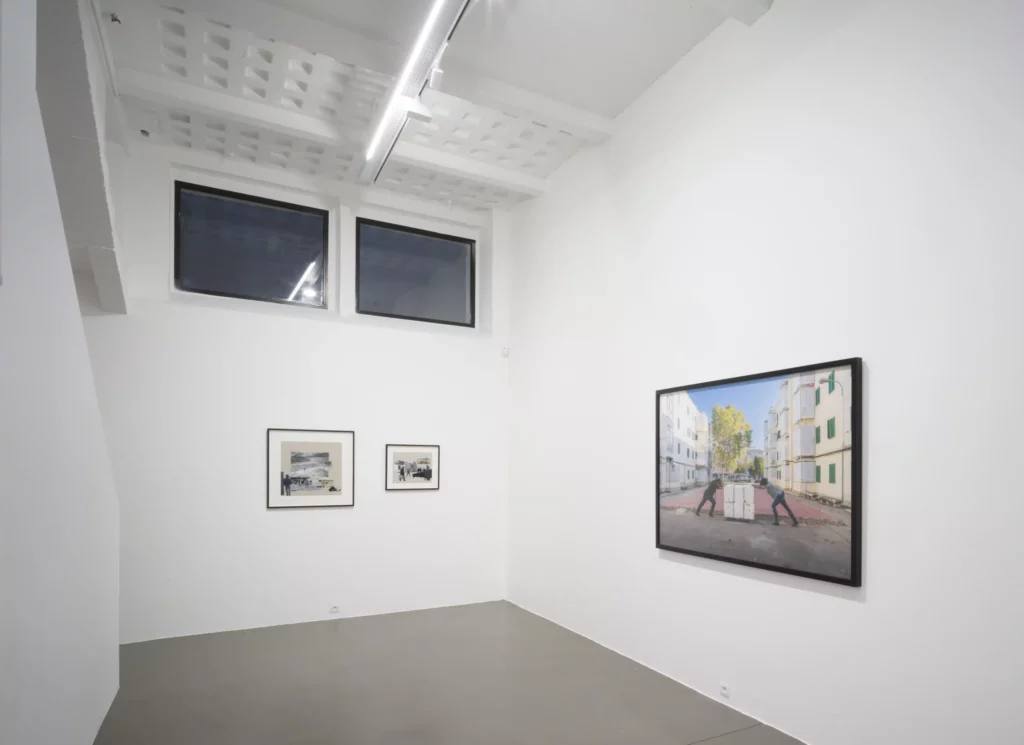
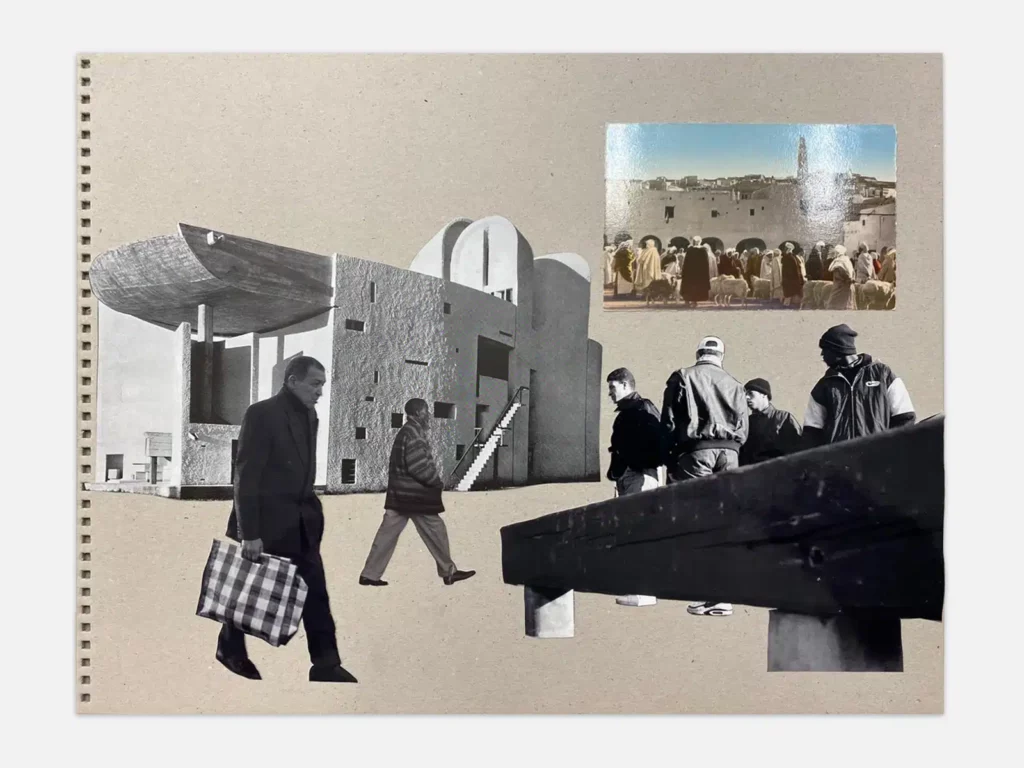
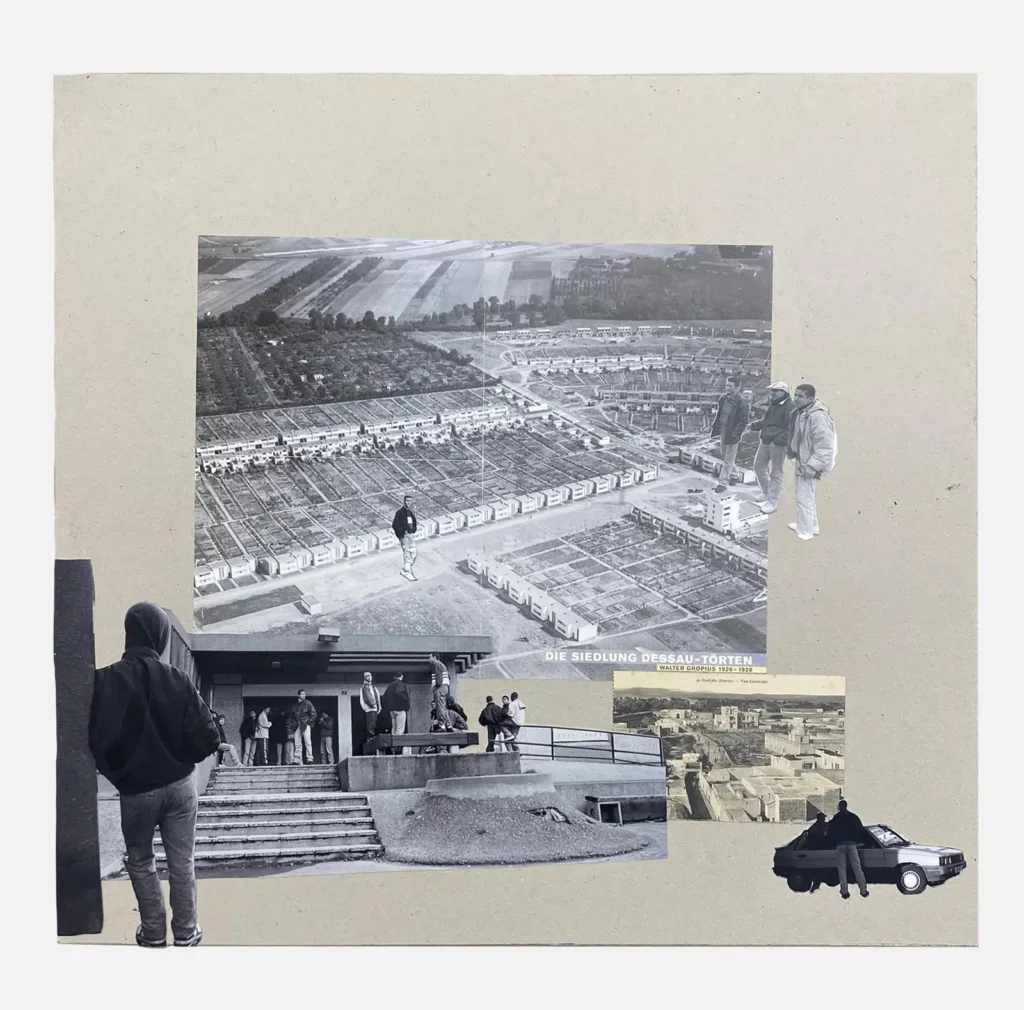
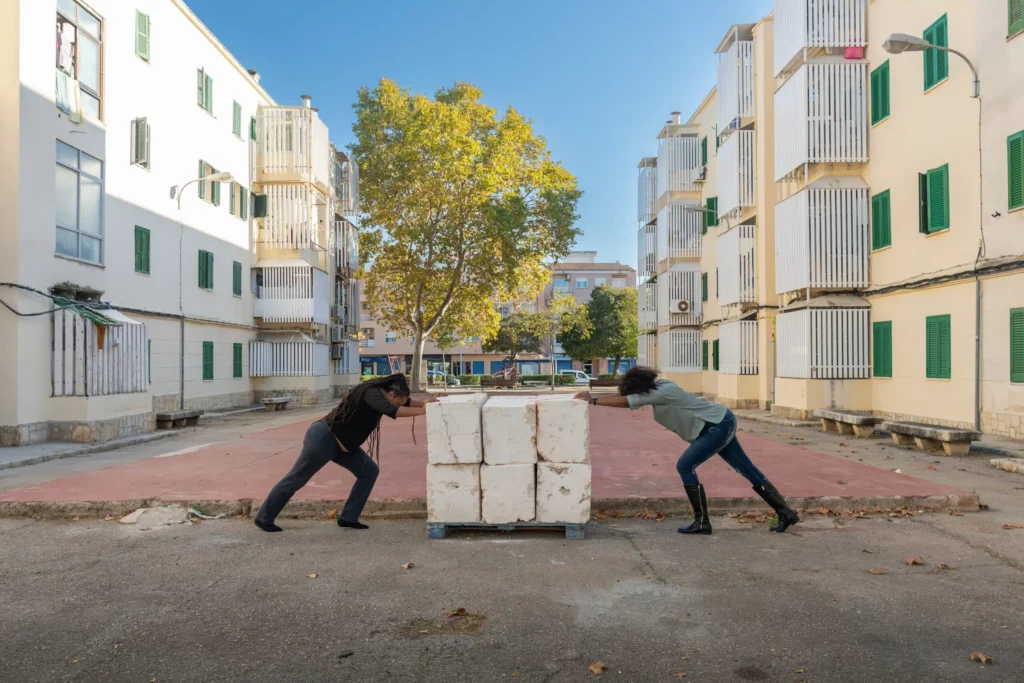
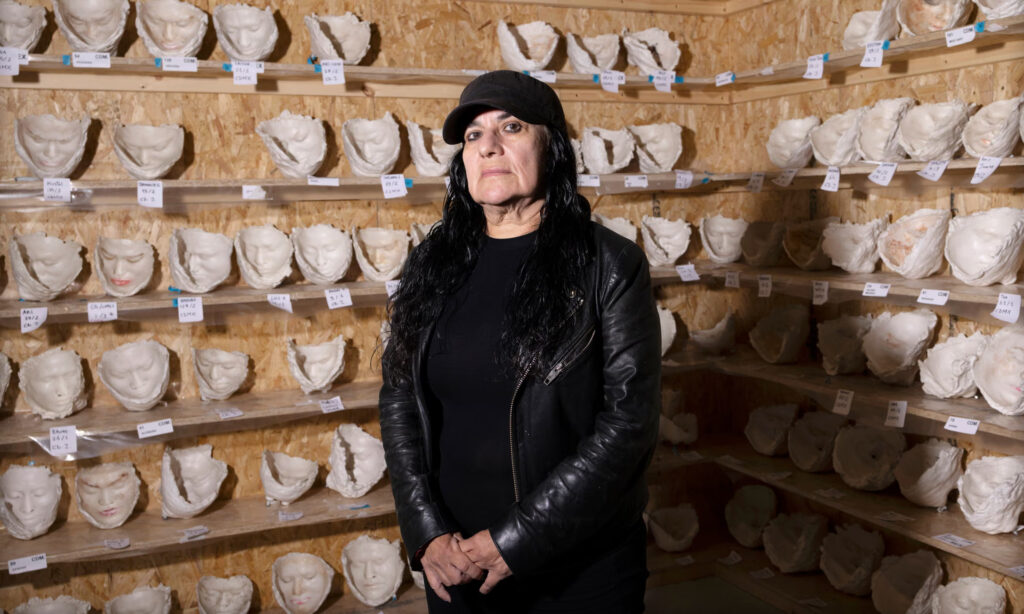
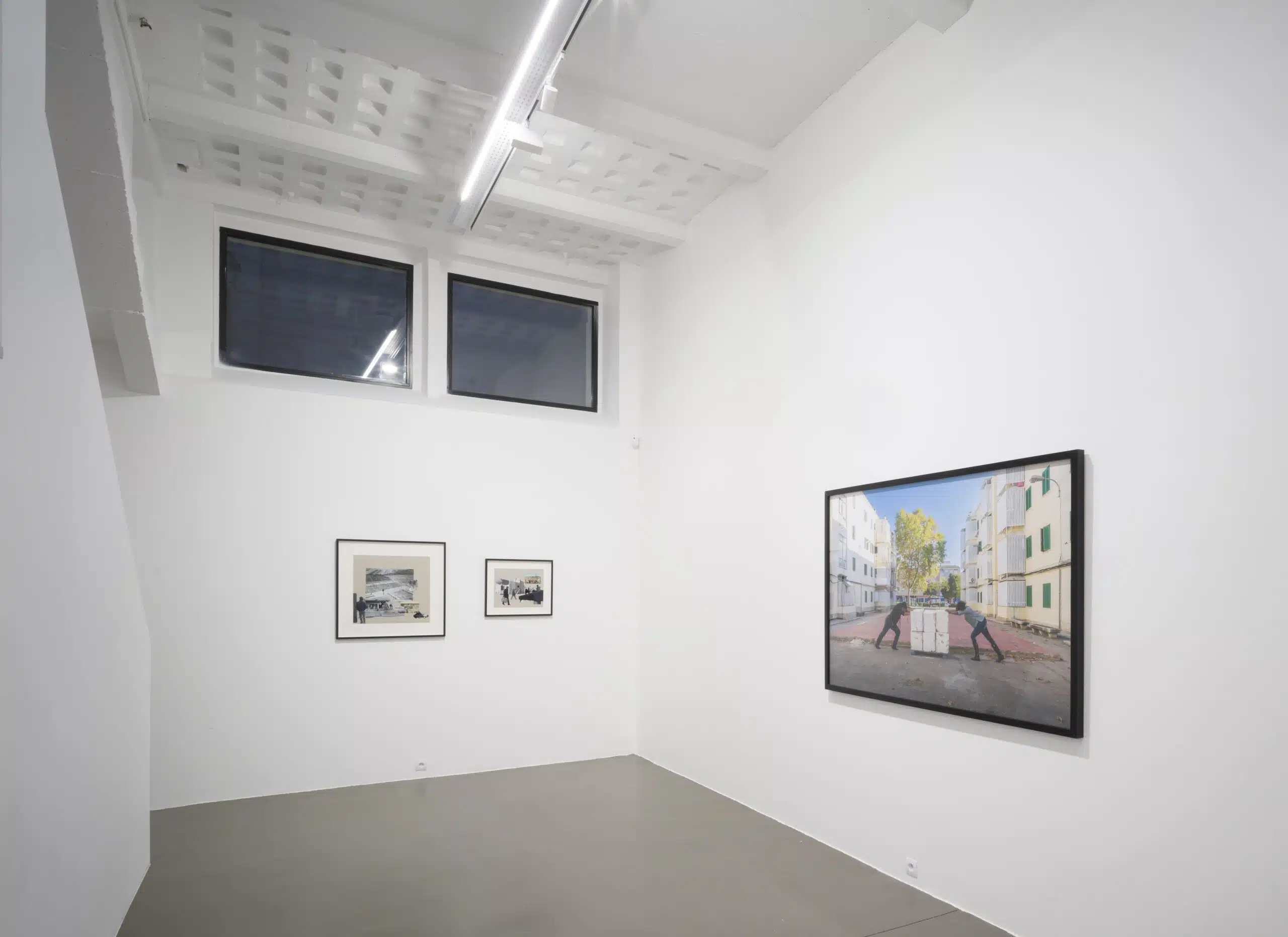
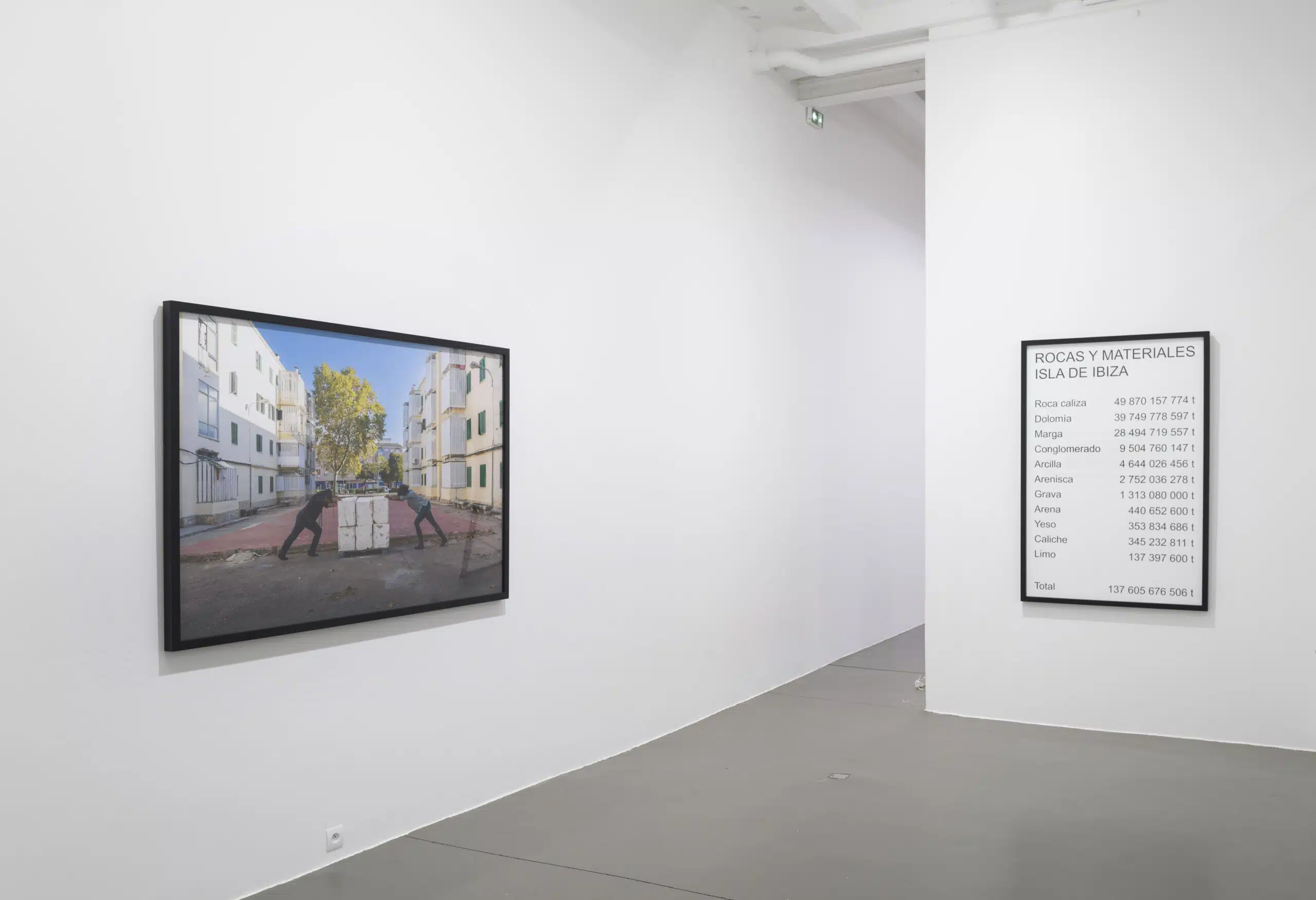
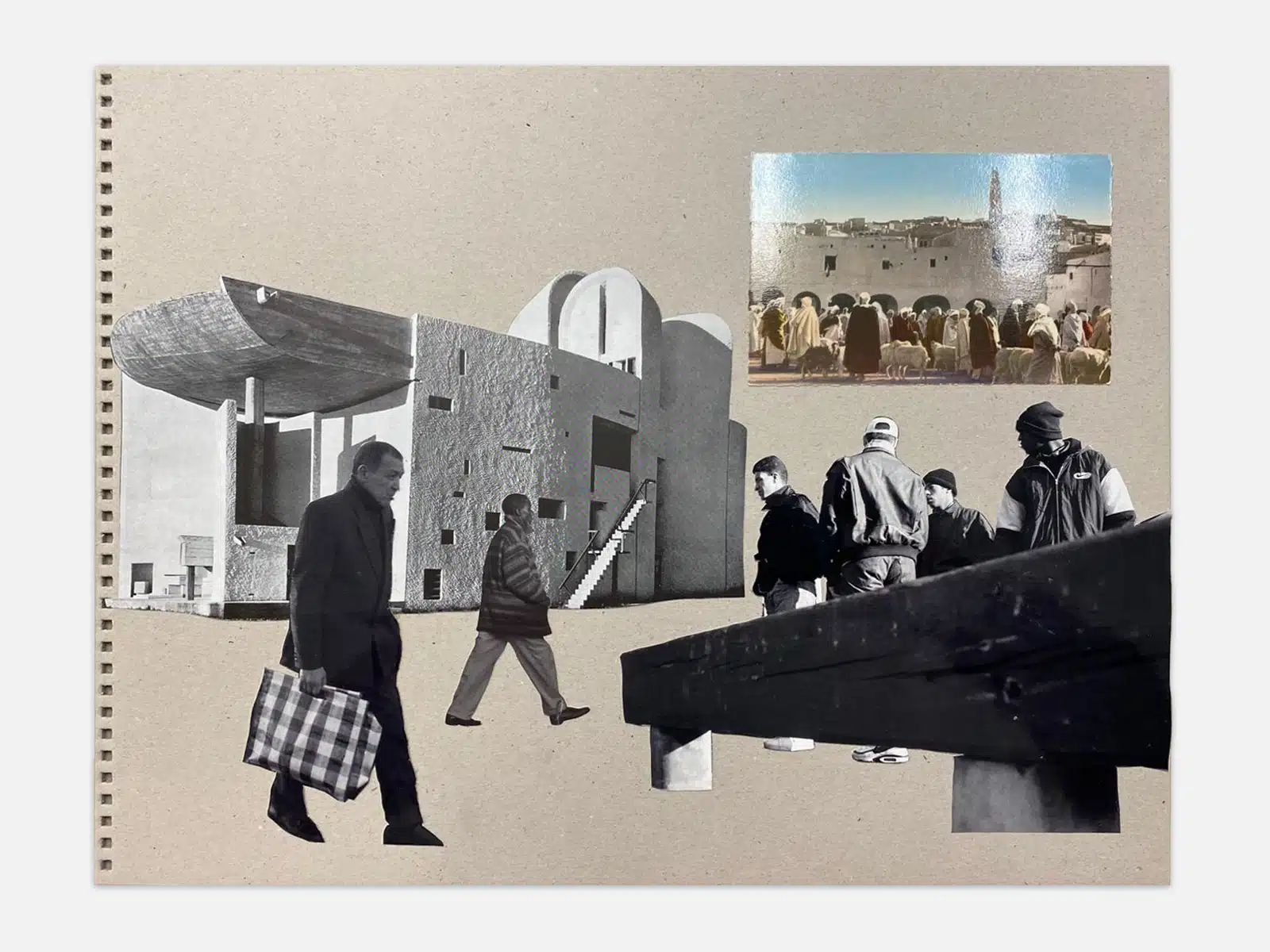
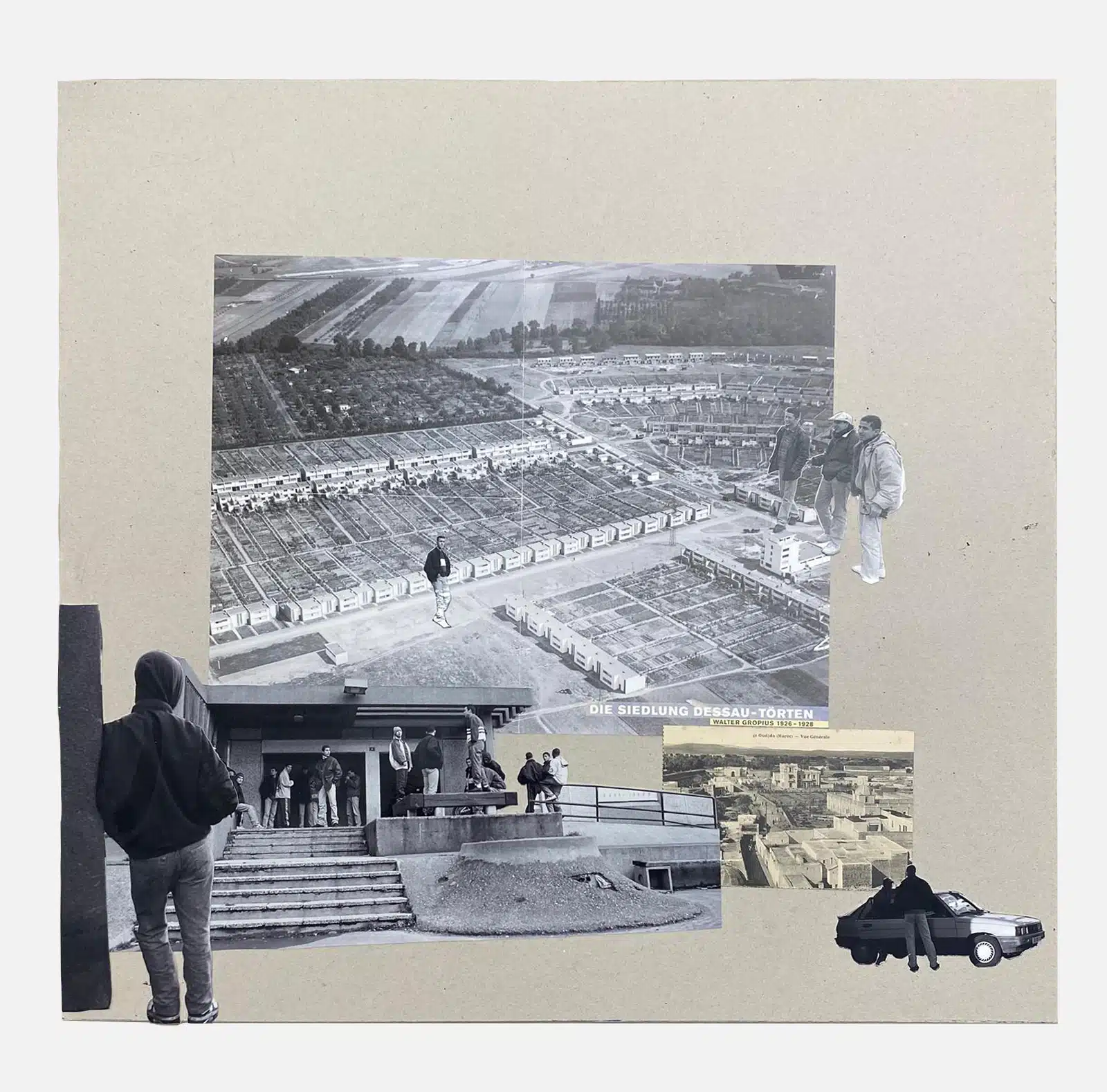
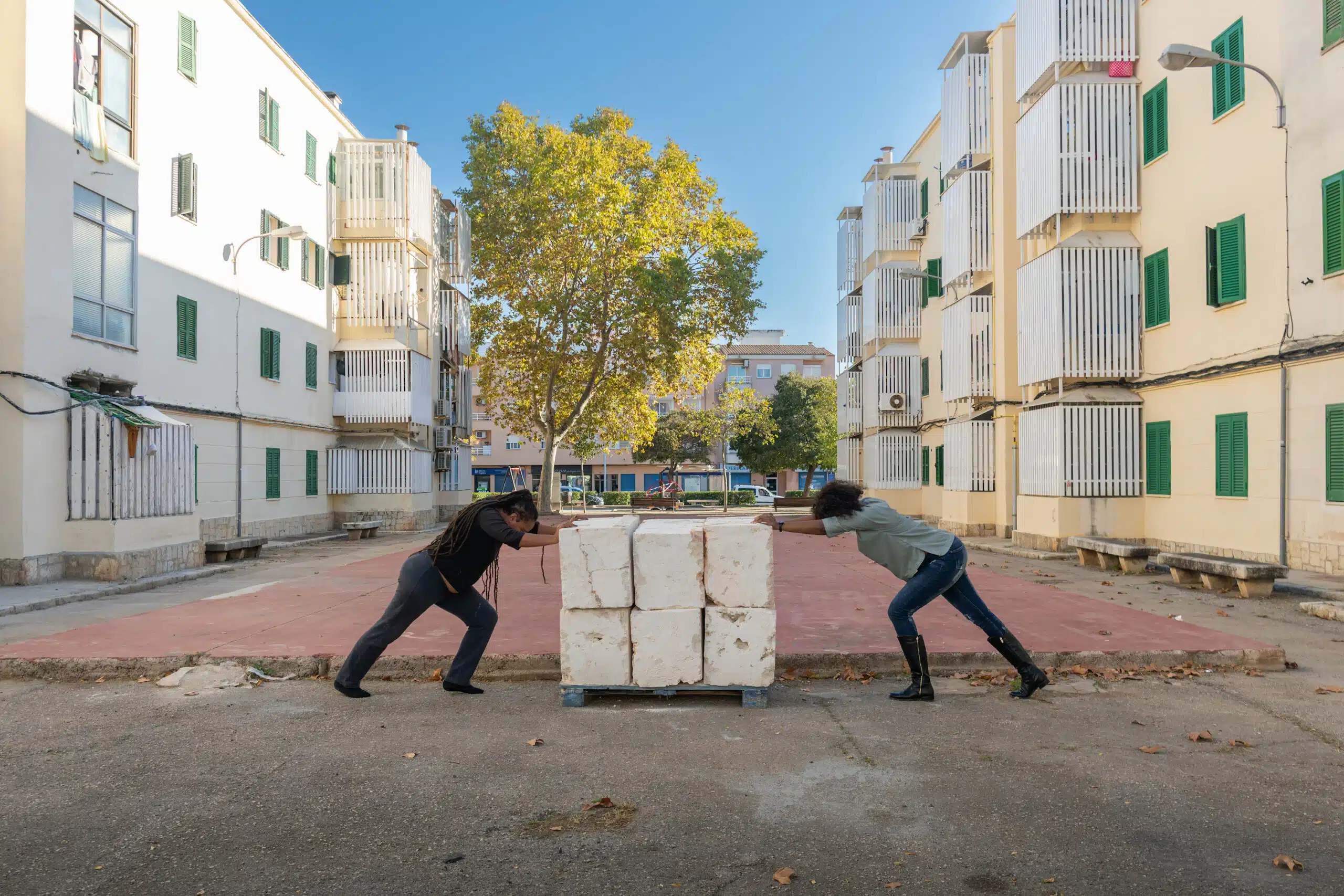
Kader Attia‘s collages are the result of several years of research into modernist and contemporary architecture and their relationship with the past. They shows us the dependence of modern architecture on the influence of traditional North African constructions. As the artist explains, one of the paradoxes of our contemporary history is undoubtedly the encounter with and dispossession of non-Western cultures by the Western world. The former colonial space, was both the field for experimentation with modern projects, and the ideal breeding ground for inspiration. But if the first social housing projects designed according to the guidelines of the modernist utopia were directly inspired by the sociocultural context of the inhabitants the productions that followed, from the 1960s to the 1980s, disregarded the balance between order and emotion that concrete architecture provided. The result was thousands of housing units set within grids that resembled open-air prisons. Teresa Margolles followed this line of thought during her research on the architecture of the suburbs of Palma de Mallorca. Her interest in the urban environments let her to identify the areas known as Verge de Lluc, Corea and Son Gotleu, built as social housing for workers under General Franco’s dictatorship. These are buildings and neighborhoods built according to minimum quality and meager dimensions: bars of apartments without balconies and without vegetation or socializing spaces around them. Today, these constructions are home to communities and groups of workers displaced to the periphery of society.
READ MORE
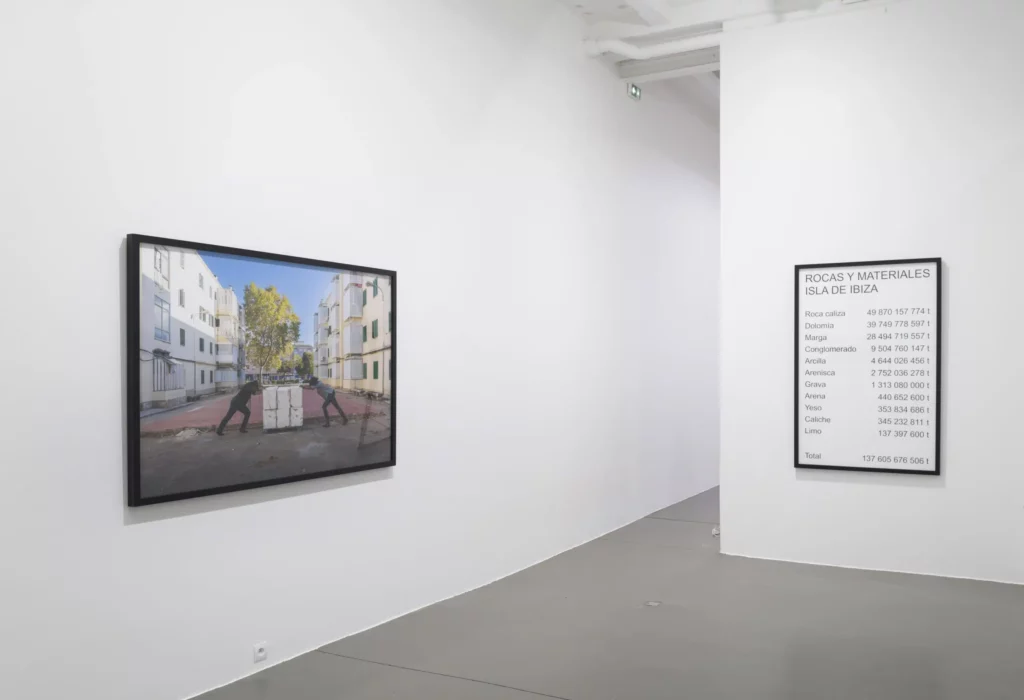
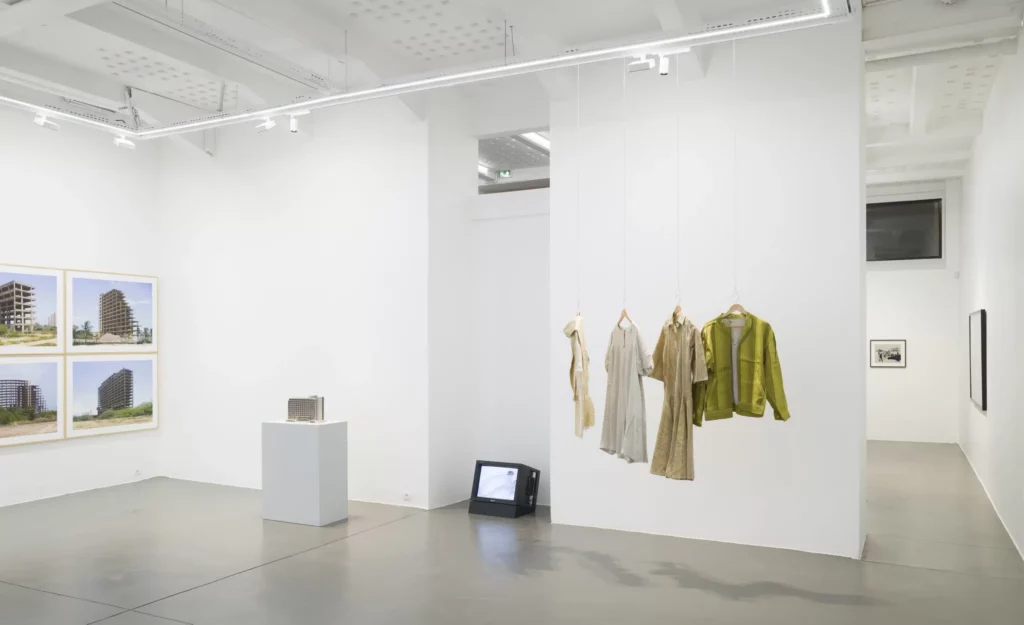
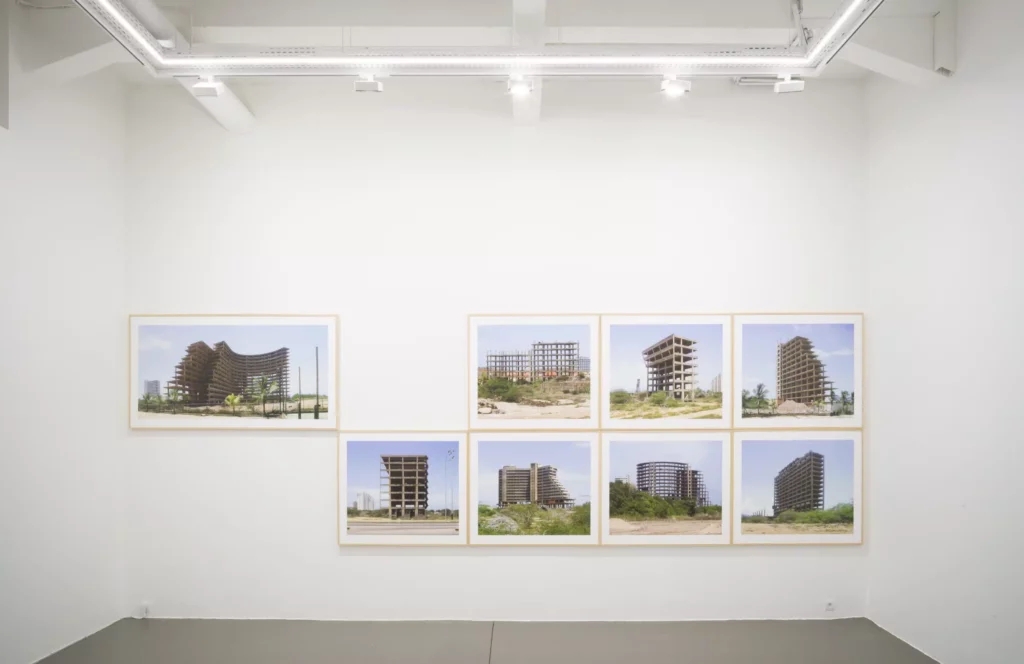
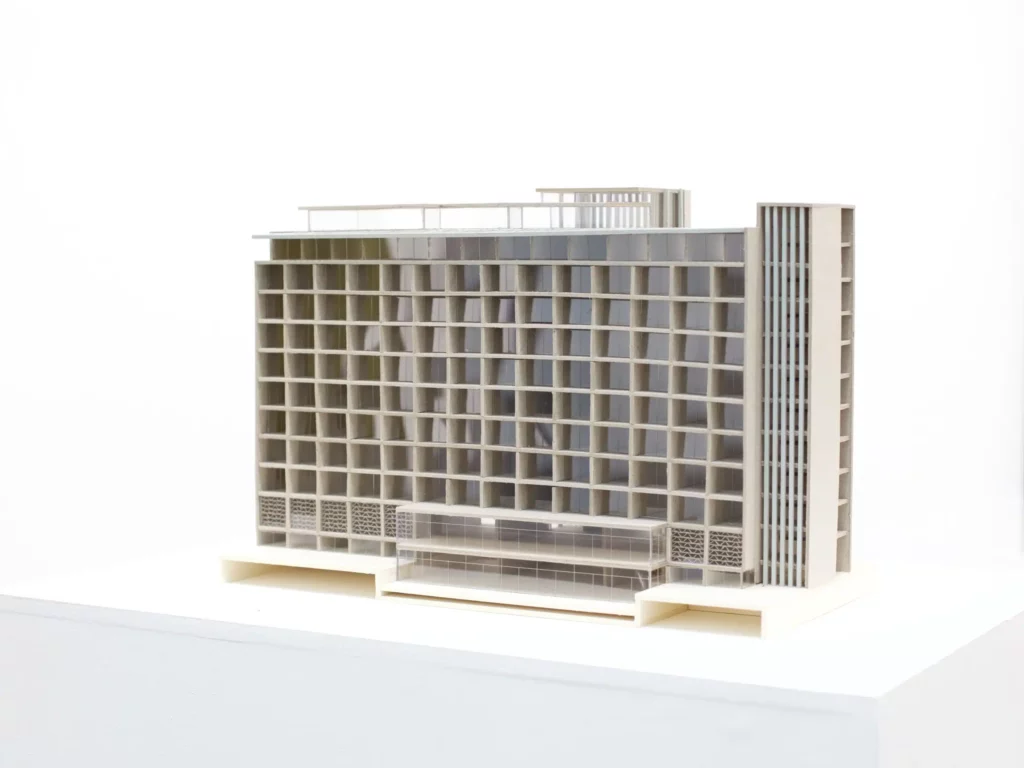
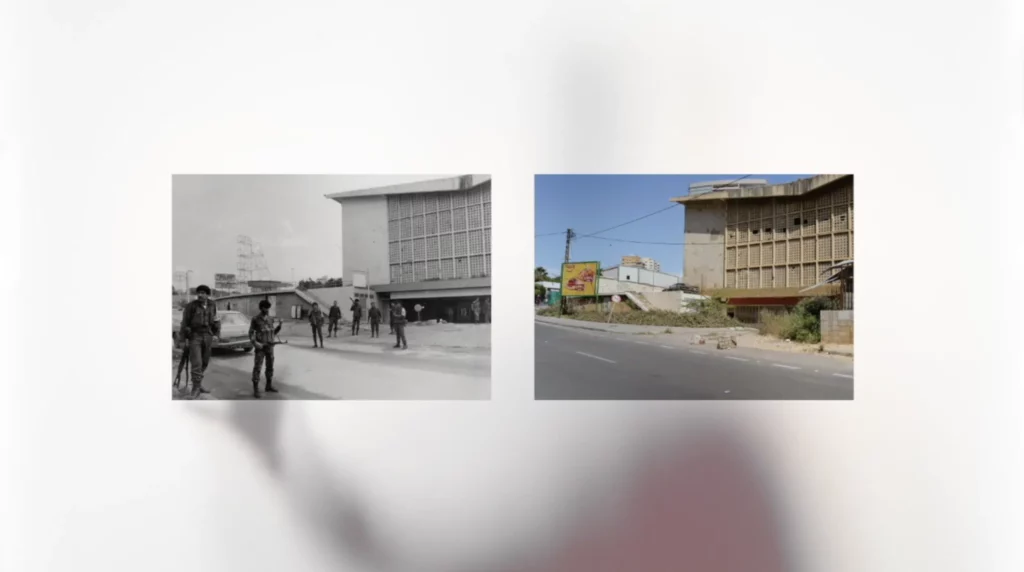
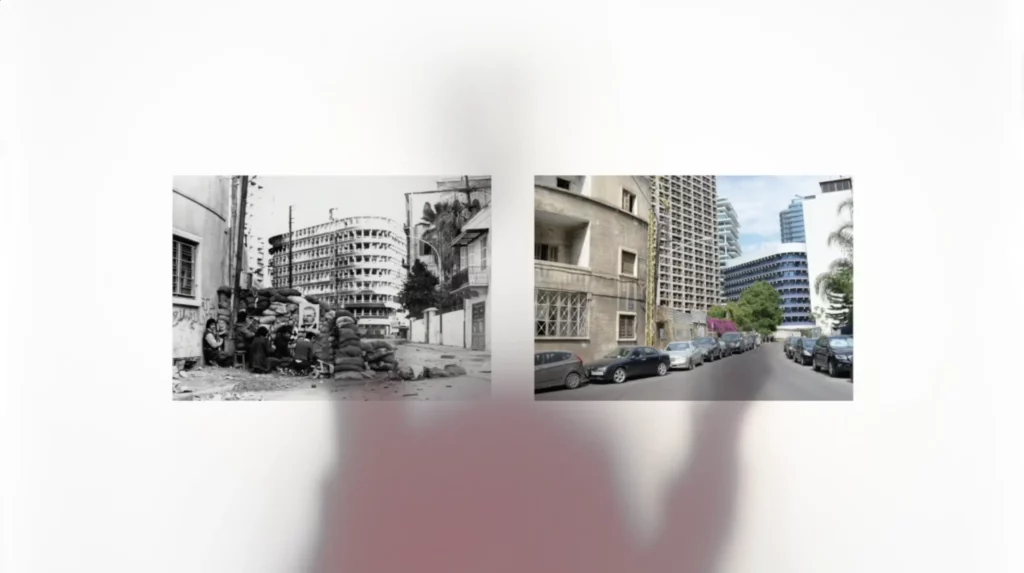
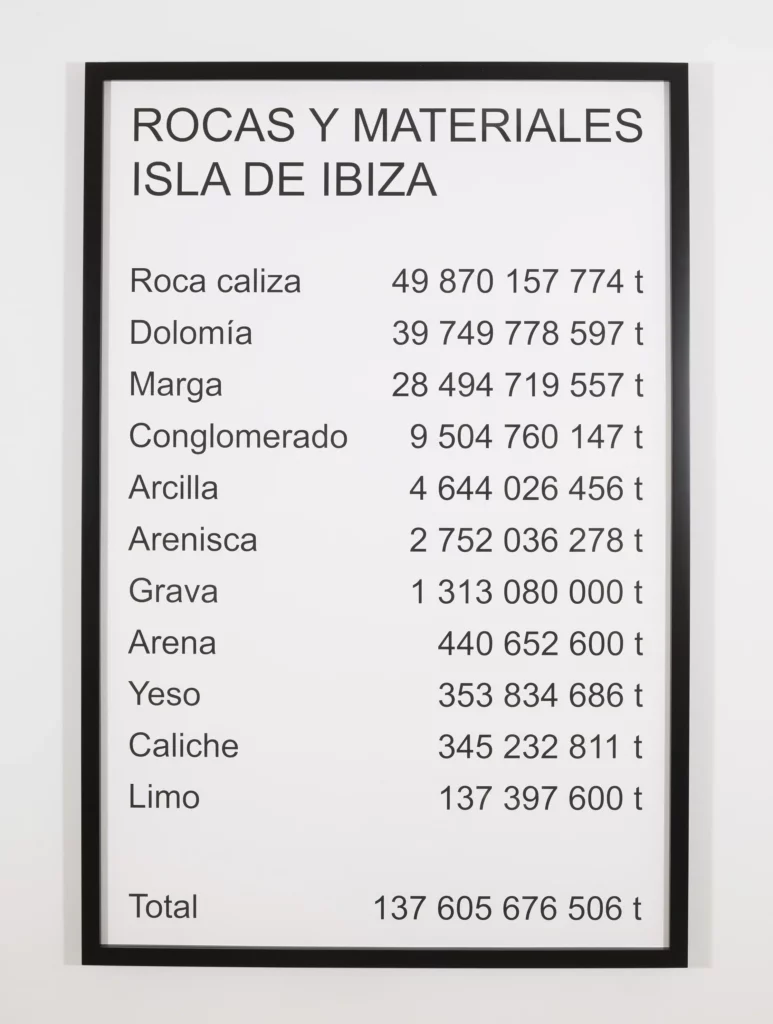
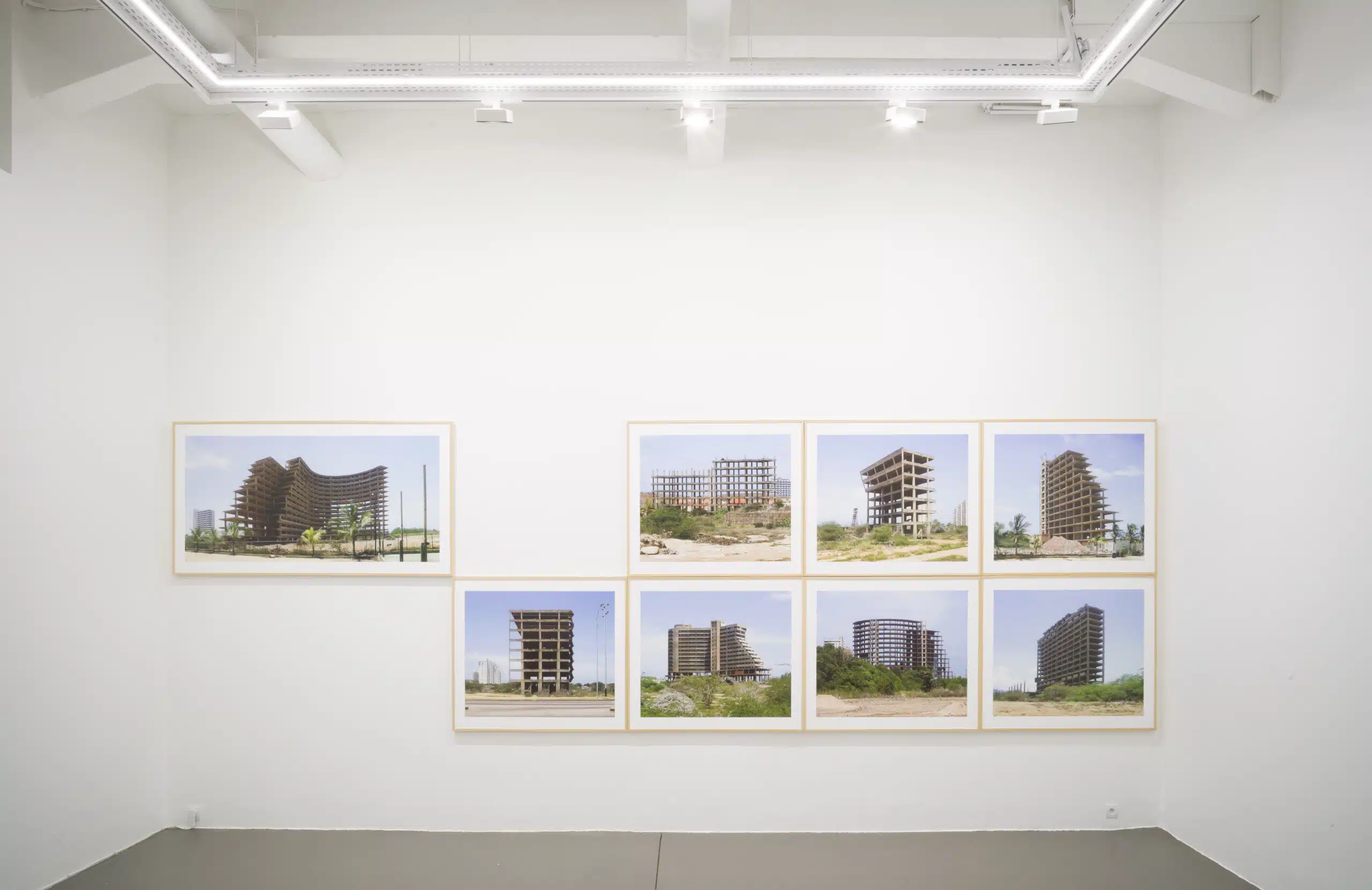
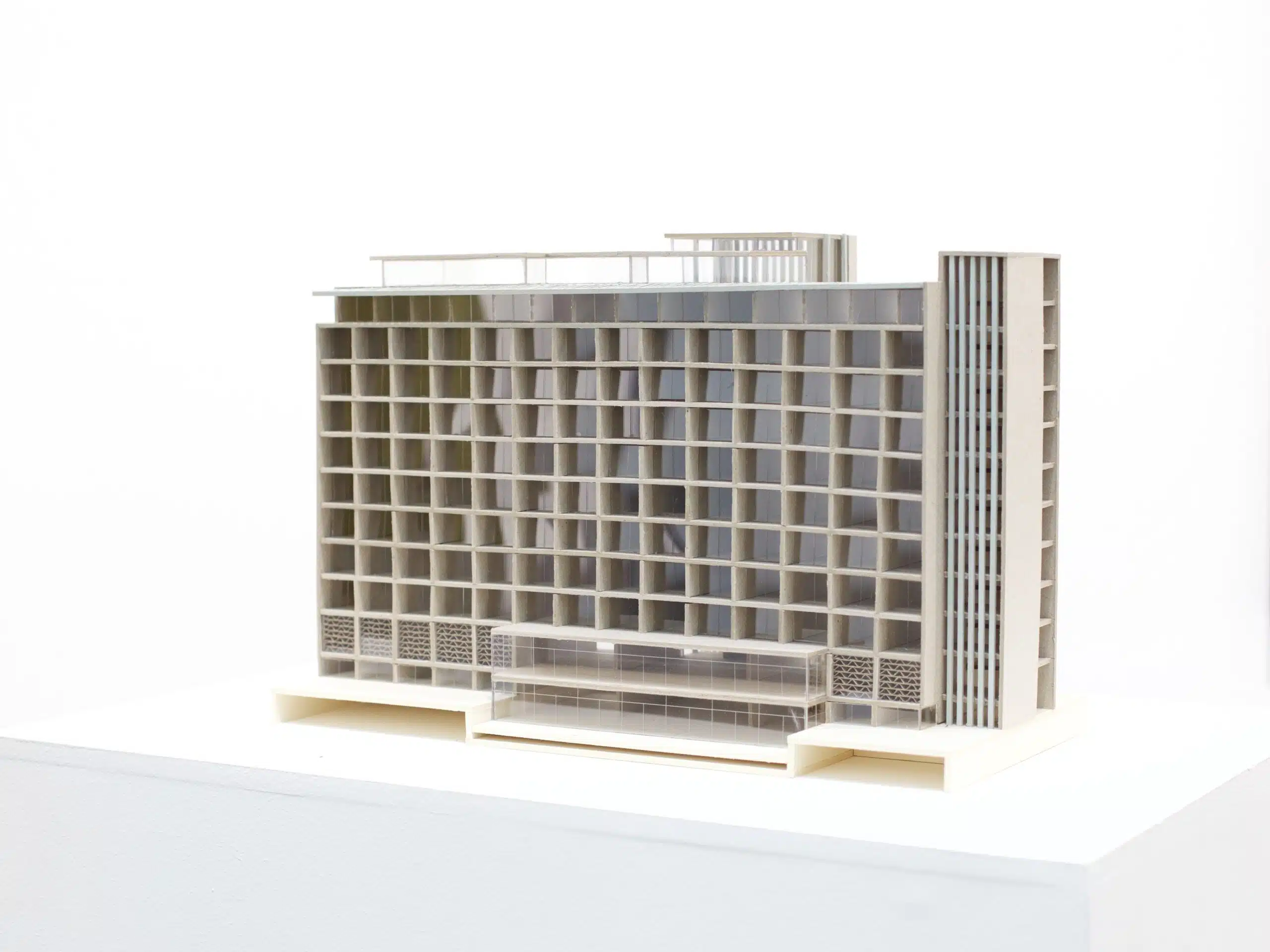
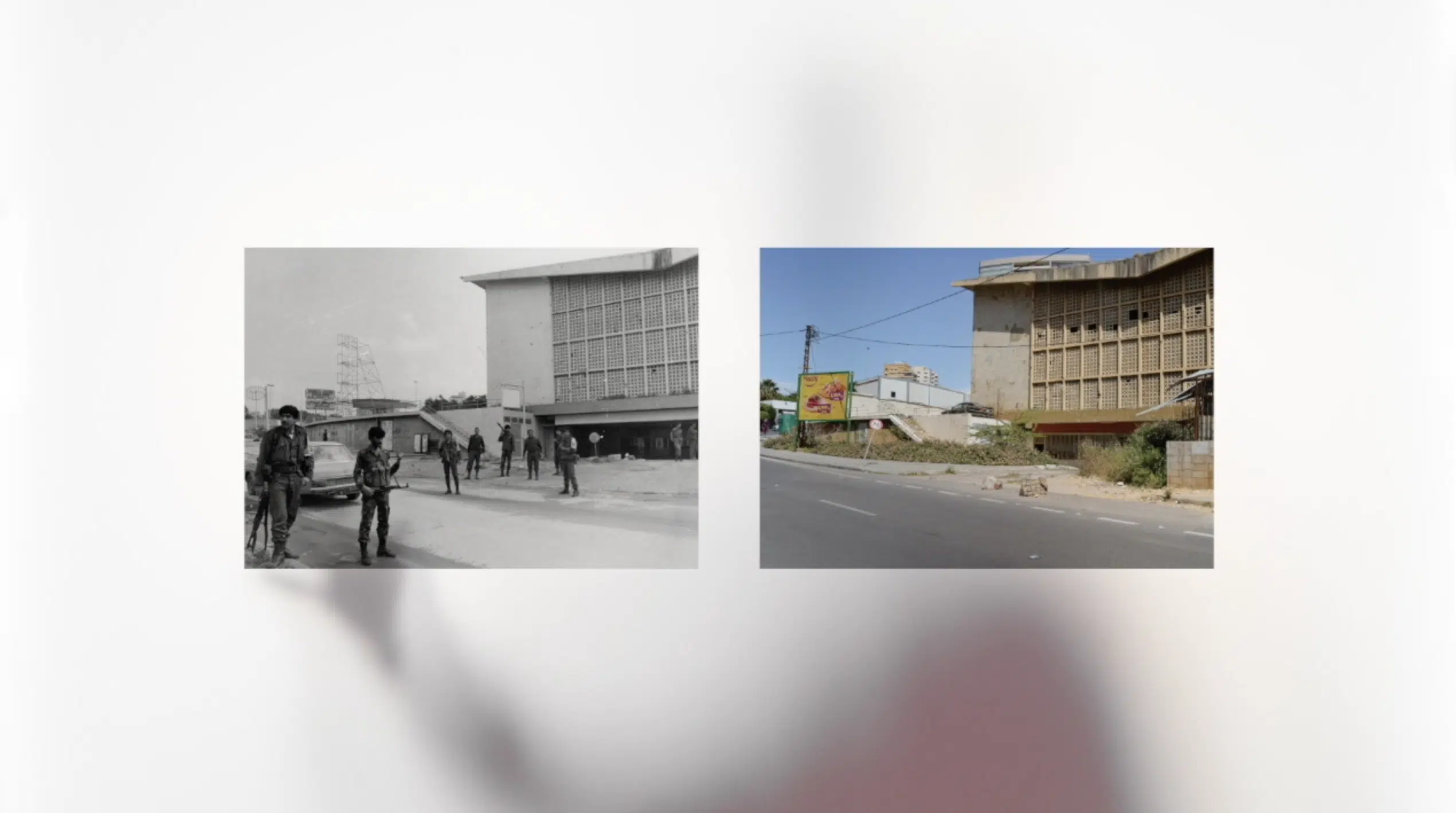
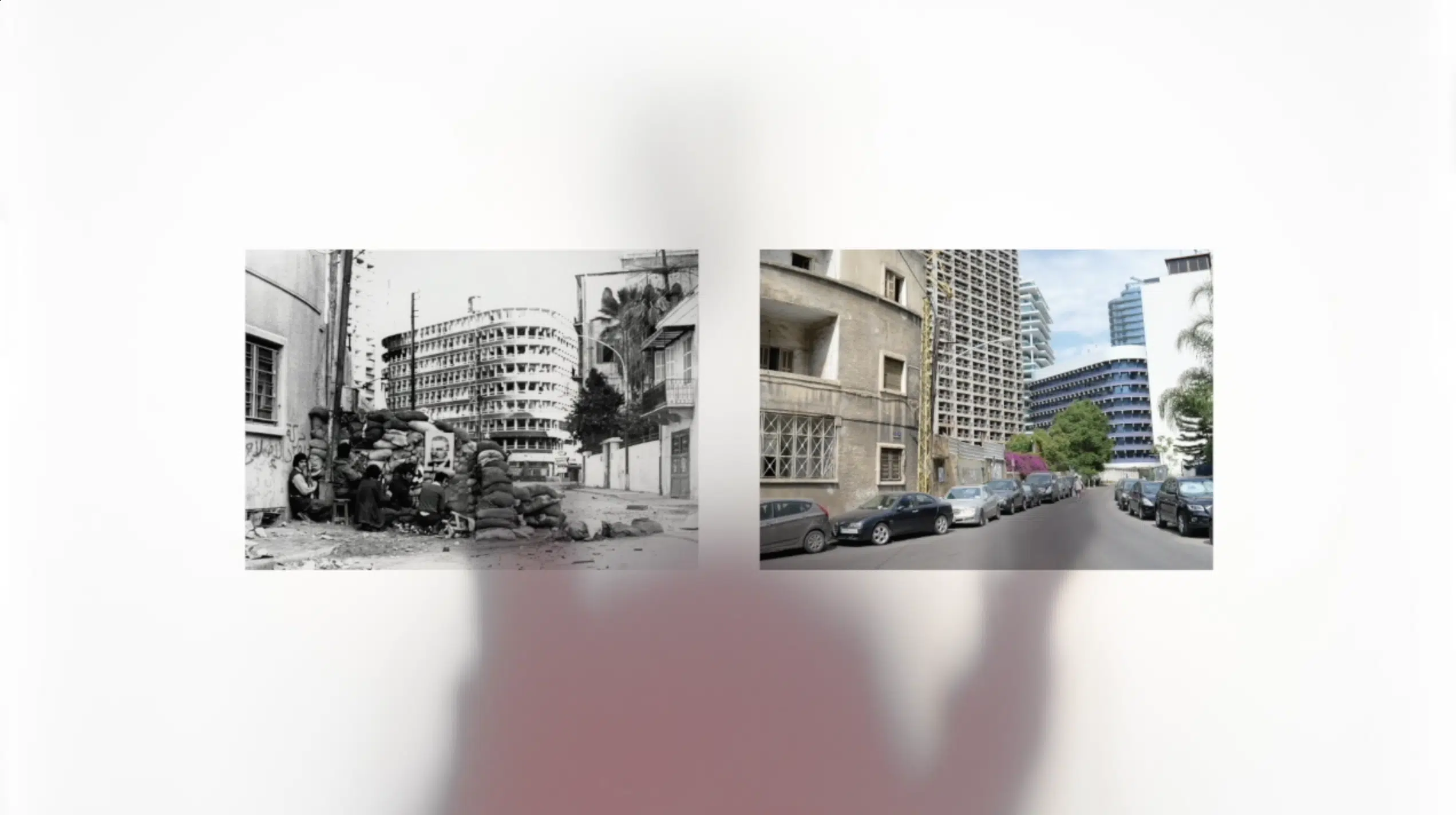
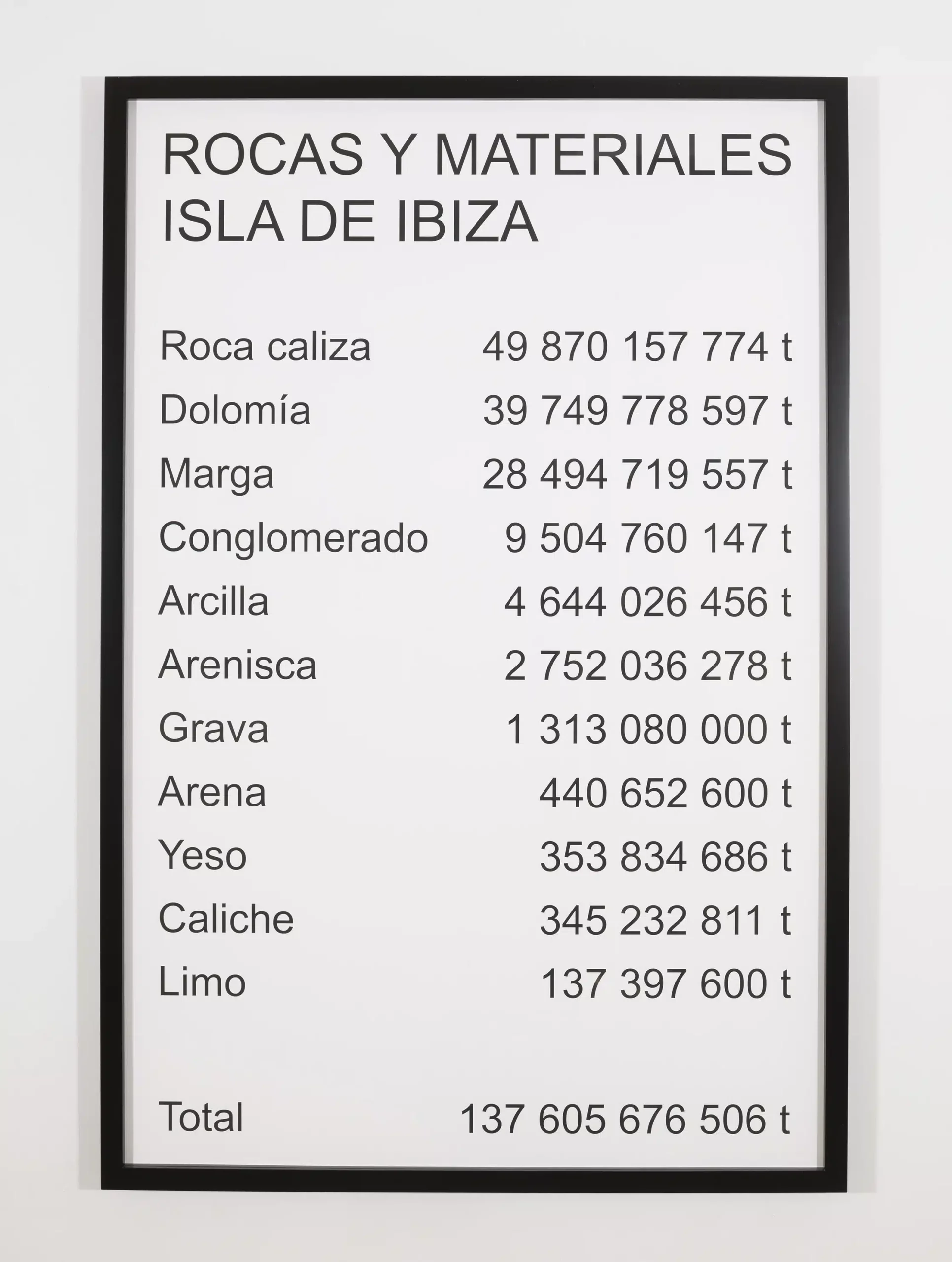
Alexander Apóstol, on the other hand, has devoted much of his practice to analyzing the impact of modernist utopia in Venezuela, one of the great case studies of this phenomenon in Latin America. Such is the case of the skeleton-like unfinished constructions that stand in the island of Margarita —a formerly booming touristic destination off the Venezuelan coast— like a memorial of an outdated oil-based economy, where grandiloquence, opportunism and corruption found their way, and has ever since collapse. In a similar way, Lara Almarcegui‘s list of rocks and materials of the island of Ibiza points out the intersection of the economy of mass tourism and the exploitation of natural resources. Reacting to the edification of a large part of the surface of the island and to the extraction of all the rocks and clay necessary to carry it out, the work aims to reflect about forms of sustainable development against the destruction of the territory. Finally, Marwa Arsanios and Lawrence Abu Hamdan offer us a historical vision of Lebanon, based in elements of the architecture of Beirut, that have gone through transformations or no longer exist. Arsanios focuses on the Carlton hotel, an iconic building of modernist architecture from the 1960’s that was demolished in 2008. Through different media, she conveys not only the story of the building itself, and its symbolism, but also some of the personal experiences that took place inside it. Likewise, by comparing before and aer images of several buildings, Abu Hamdan overlaps two moments in time and tells the story of the civil war and the political reconstruction of the country