ANAS ALBRAEHE
ALEXANDER APÓSTOL
TERESA MARGOLLES
CHARWEI TSAI
Más allá de las nubes
BOGOTA
GROUP SHOW
19.12.2024-05.04.2025
1. EXHIBITION TEXT
Defining homeland geographically and as an ideal has been central for modern state proposals. It aims to define limits and inspire a sense of belonging as individuals. It pretends to be official, but it is porous, ever-changing and impossible to grasp. States, in the past years, have increasingly run campaigns to strengthen the meaning of homeland by appealing to nationalist sentiments, claiming geographical borders by force and aacks on civilians, implementing policies to limit human movement, and reinforcing certain belief systems. However, people continue to adapt and respond to the official decisions. The works in Más allá de las nubes highlight the varied and ambiguous ways one can relate to the country and place of one’s own. The exhibition explores the ever-increasing blurred definitions of belonging and resisting as borders are officially strengthened and the relationship between civic society and state forces grows more strained.
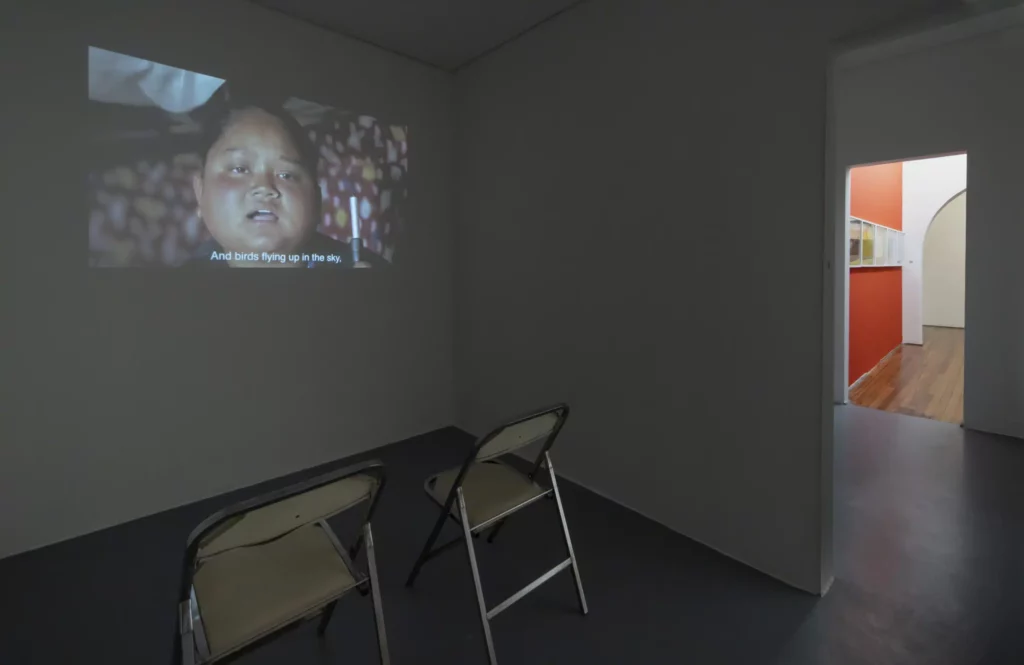
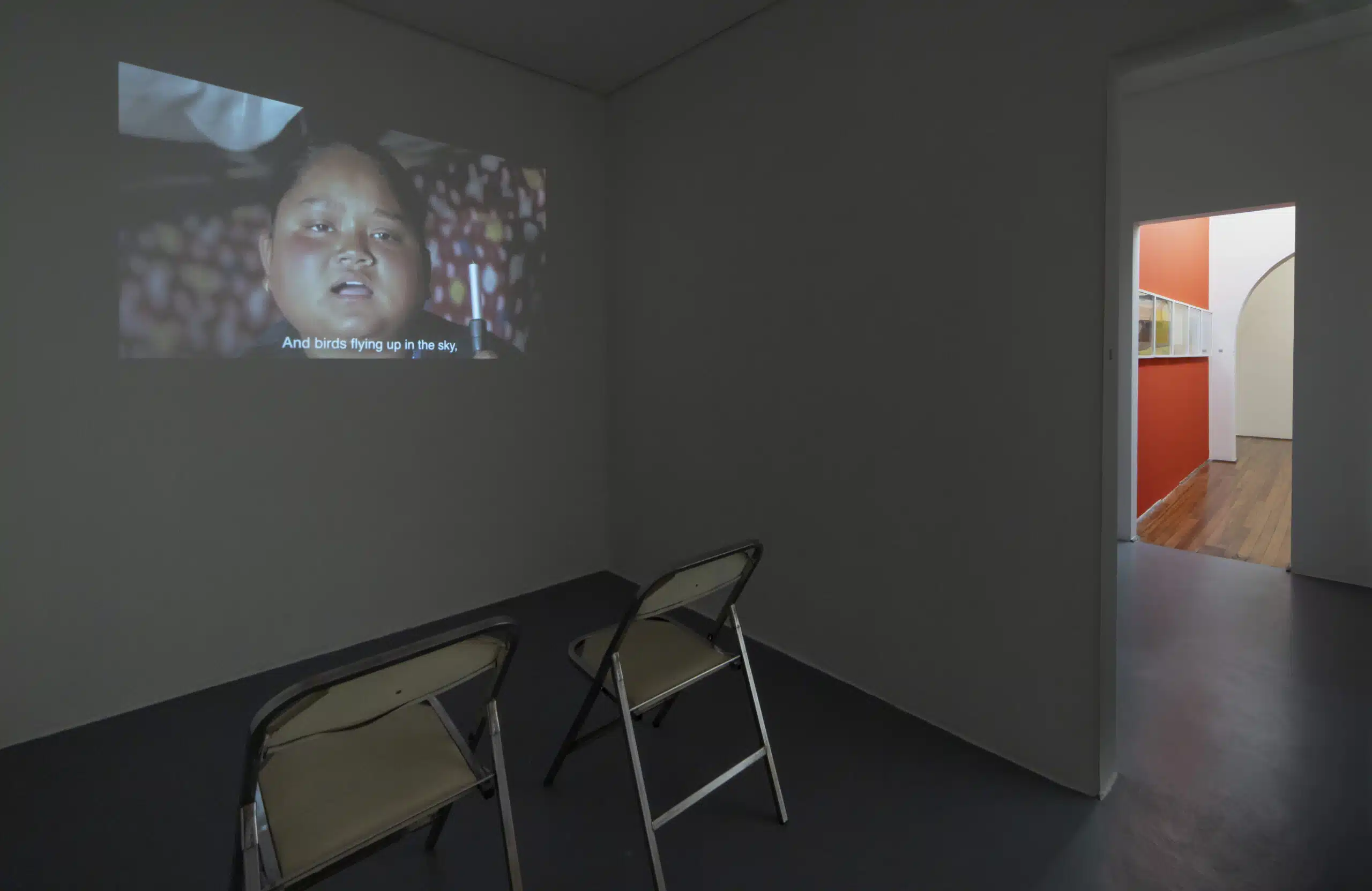
In Anas Albraehe’s series Dreamers, we witness intimate portrayals of men enveloped in slumber. Workers and refugees momentarily detached from the hardships of their daily lives. In the sanctuary Albreahe creates, the depicted figures emanate a sense of safety and warmth, a fleeting respite granting them protection from the daily strife. Within this tranquil space, there is a way to a realm of dreams where aspirations and hopes come alive in the face of the loss of home, separation of families, and uncertainty. Albraehe, a Syrian refugee himself, depicts the space of resistance, of holding on to hope, one that now returns as the Assad regime has fallen. In holding on to dreams and aspirations, Syrian refugees, the largest displaced community -within the country itself and across the world-, defied the hardships as they were forced out of their homes and then lived under migrant and refugee status. Similarly, in Songs of Chuchepati Camp, Charwei Tsai invites the residents of Chuchepati camp, where survivors of the Nepal earthquake lived up to two years aer the event, to sing eight melodies that show the pain and distress of people who have lost everything except their dignity and their faith. Aer being displaced by a natural disaster, they were later abandoned by the state and forced to live in deplorable conditions until their makeshi homes were finally bulldozed. Through the melodies, the residents stand in defiance with hope against the conditions of the camp.
READ MORE
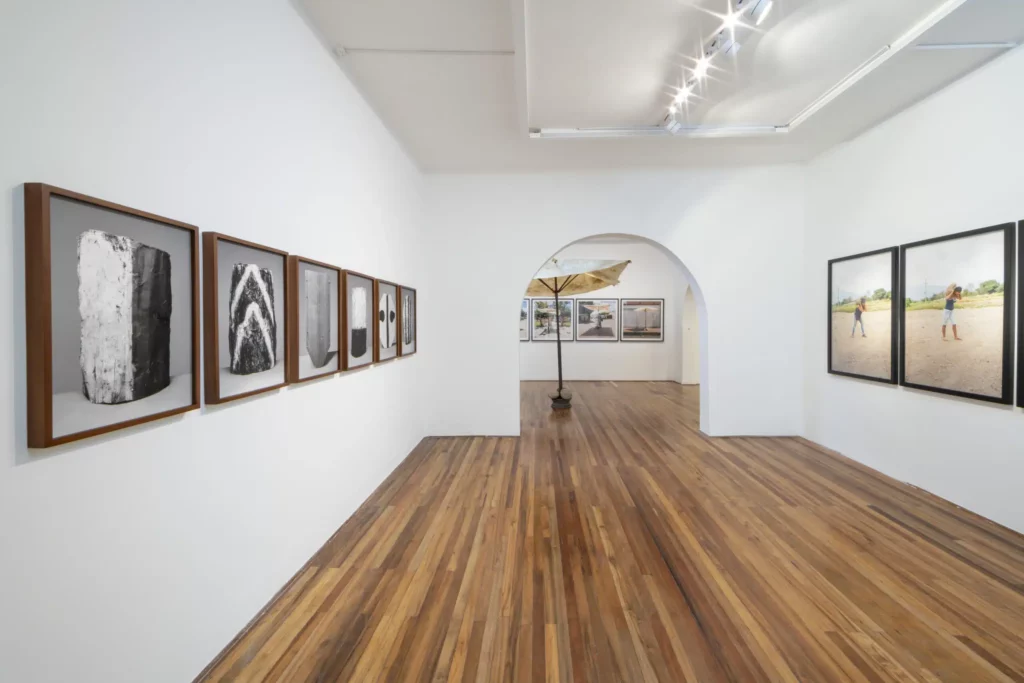
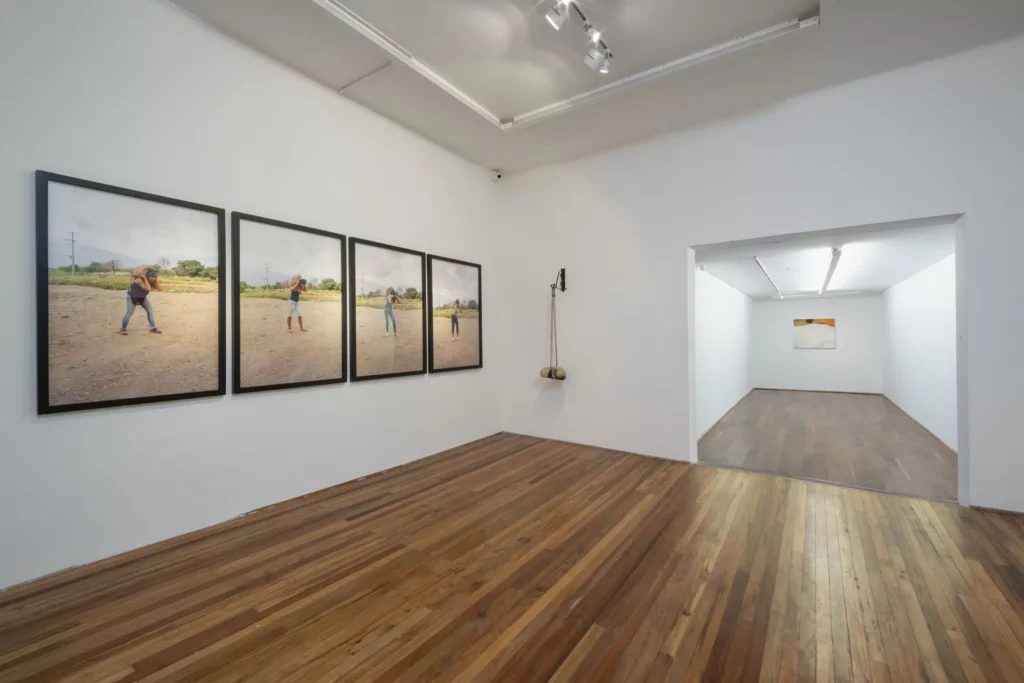
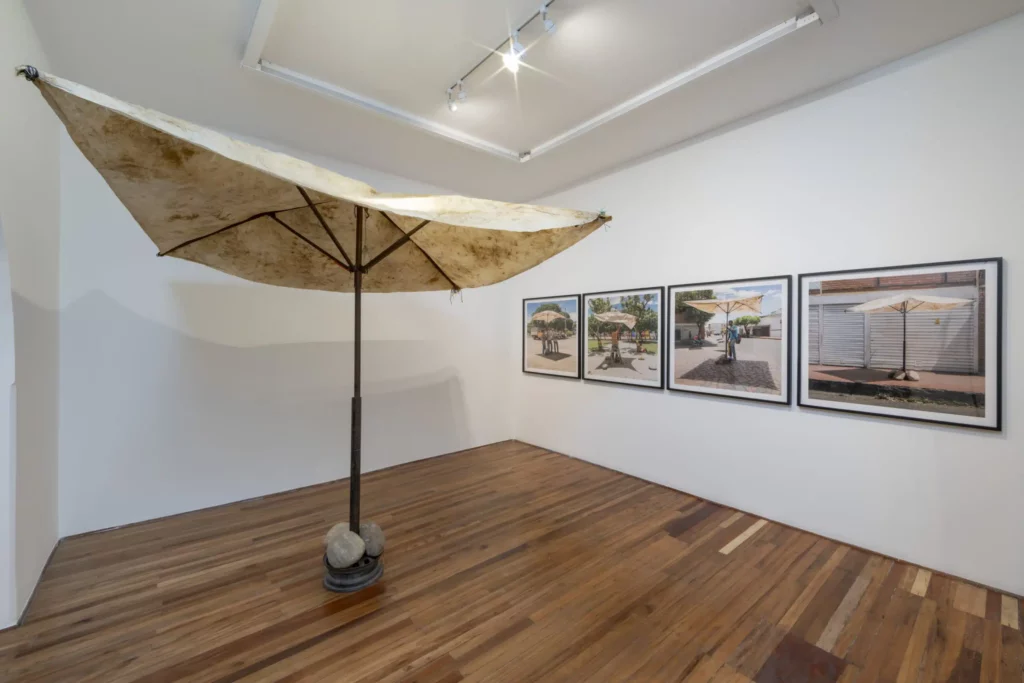
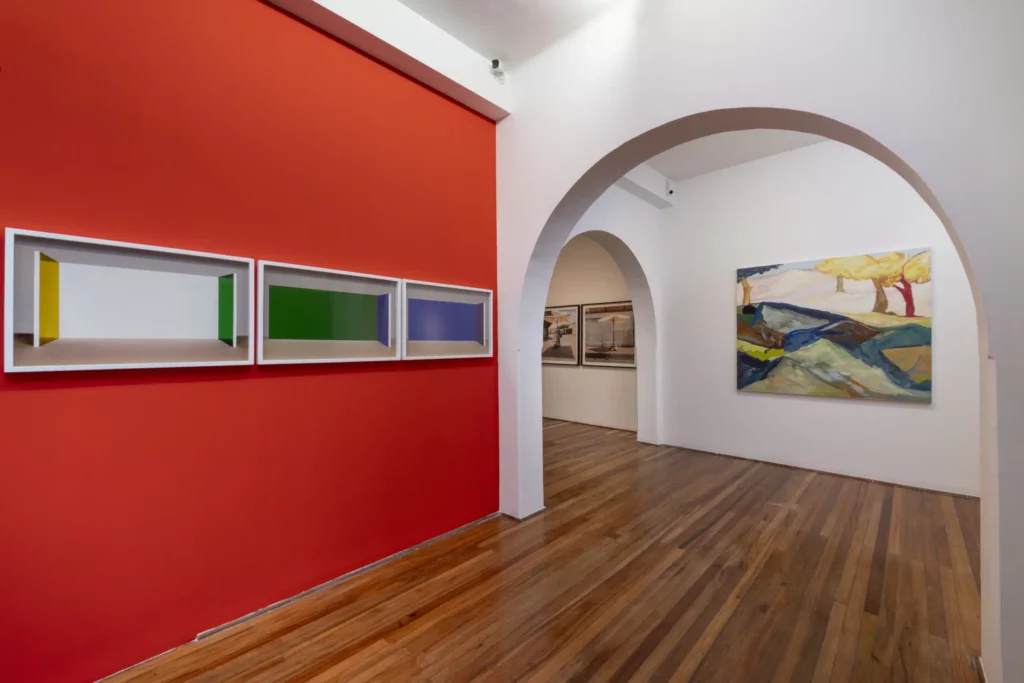
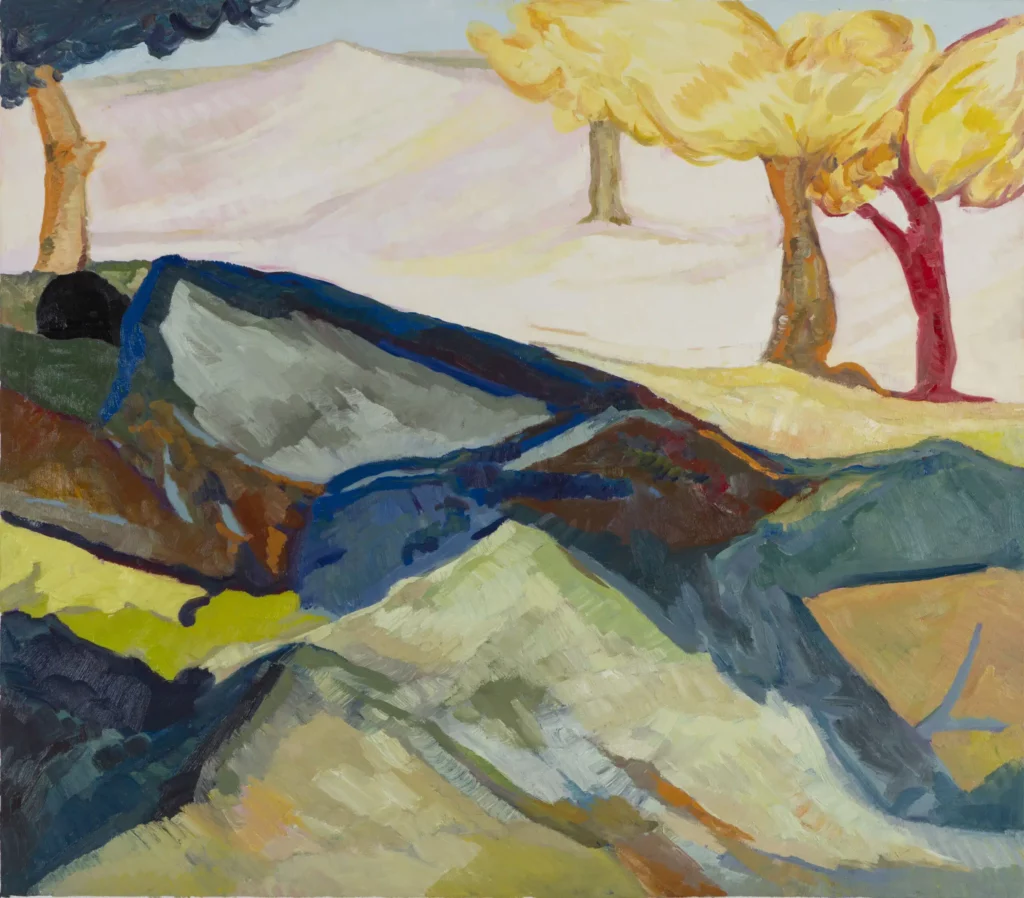
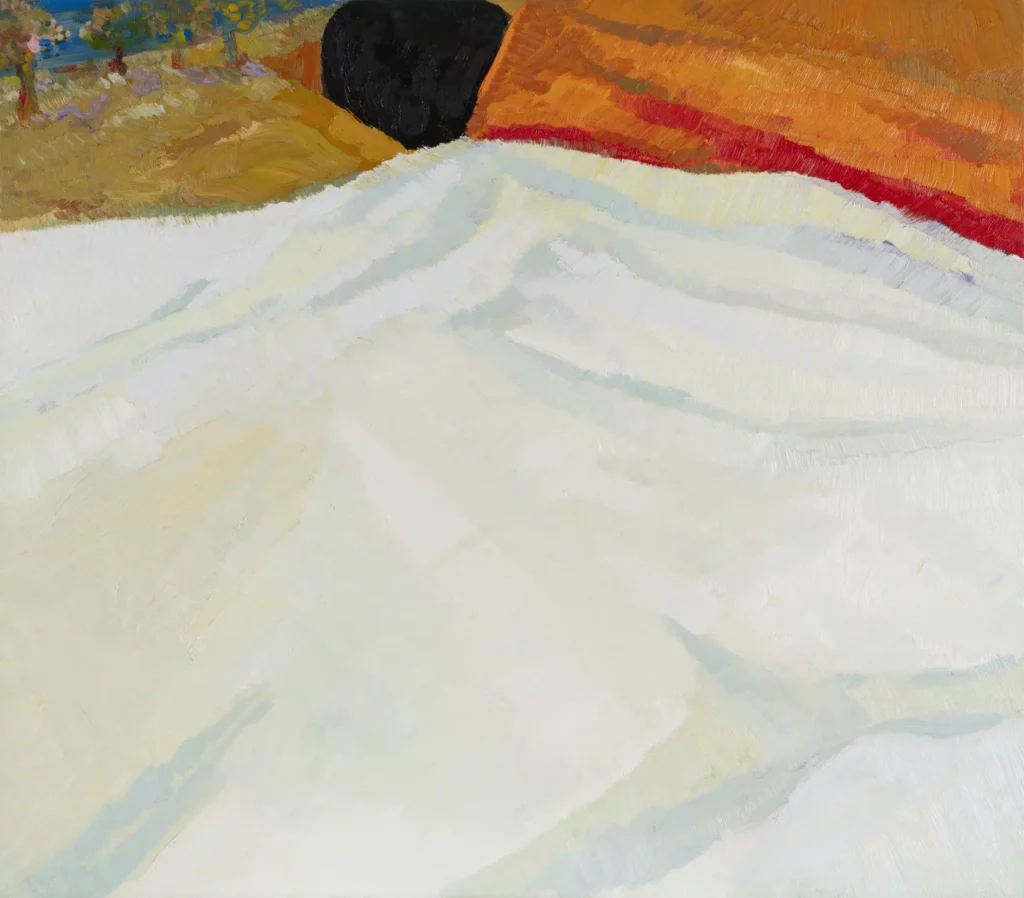
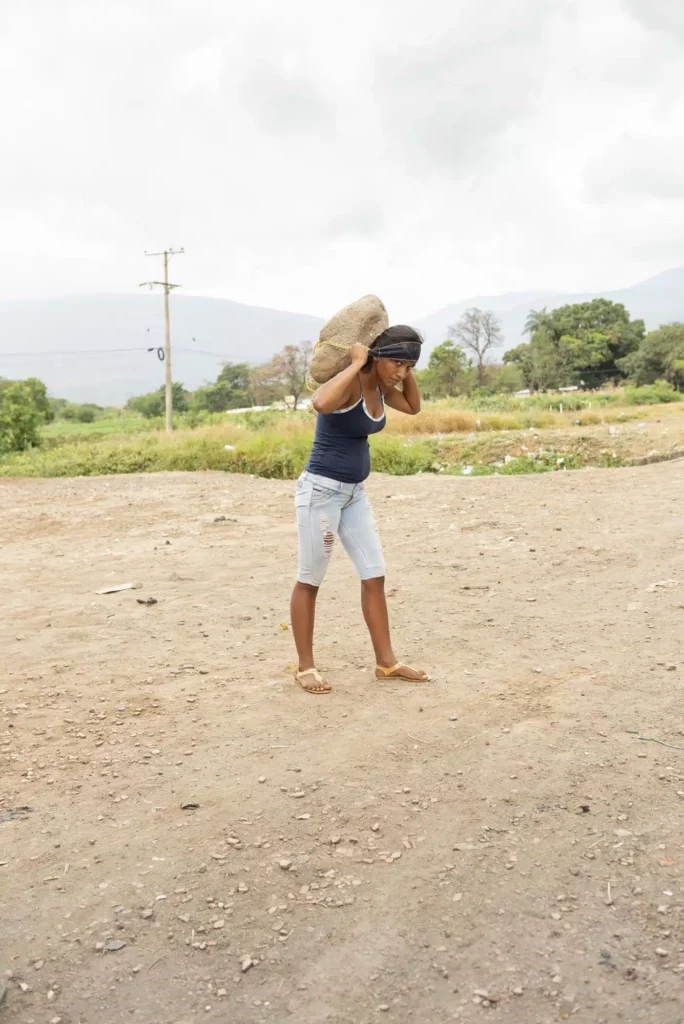
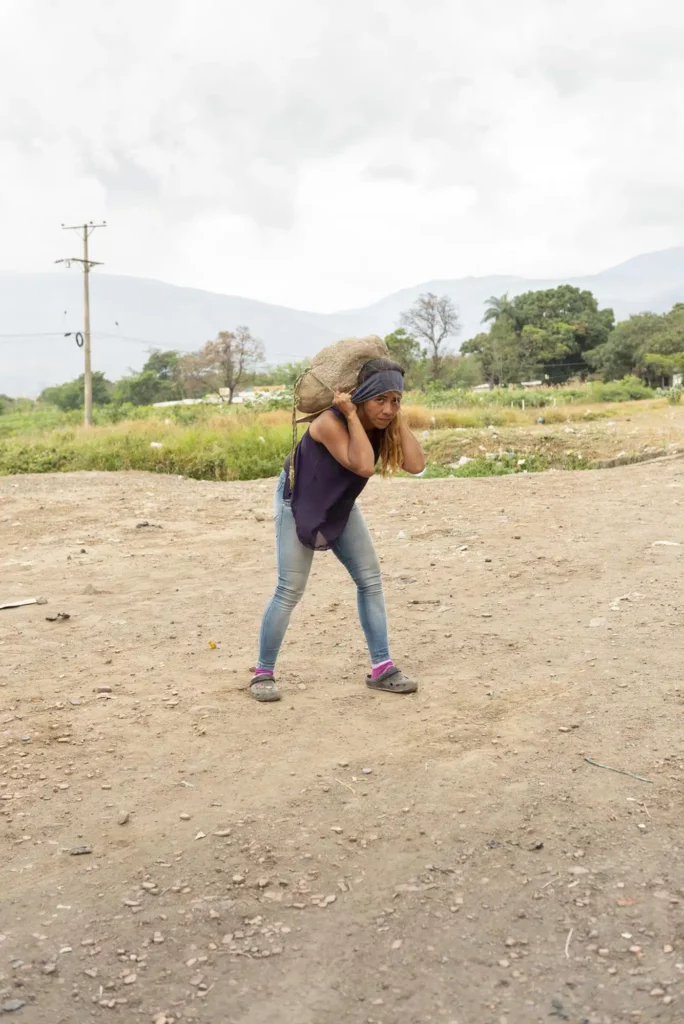
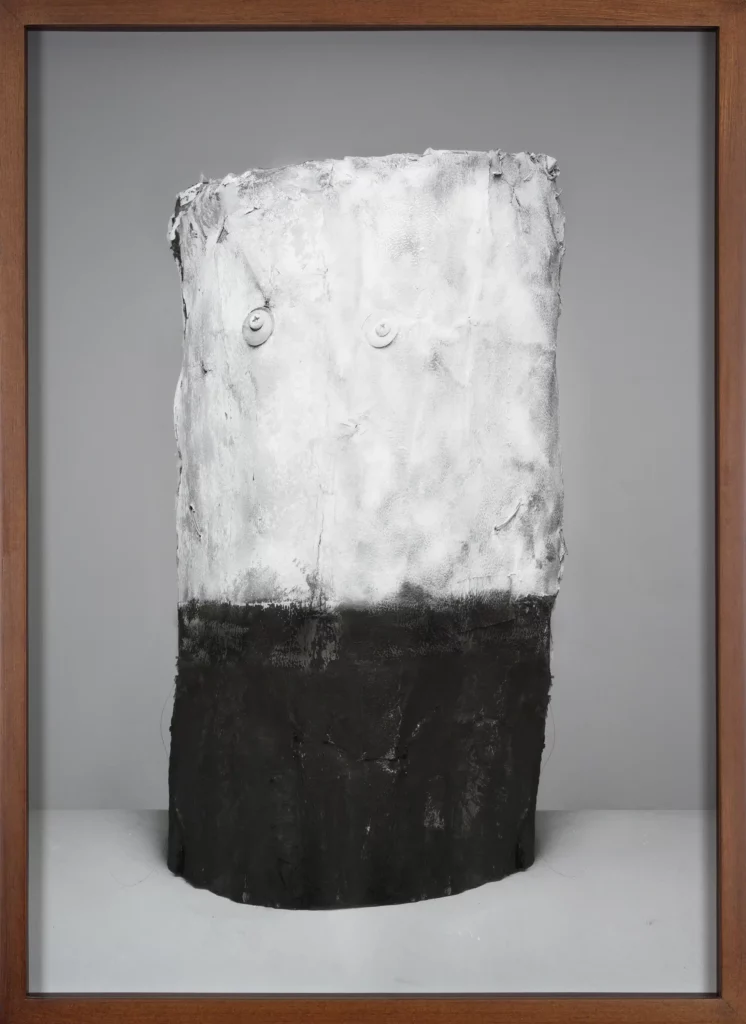
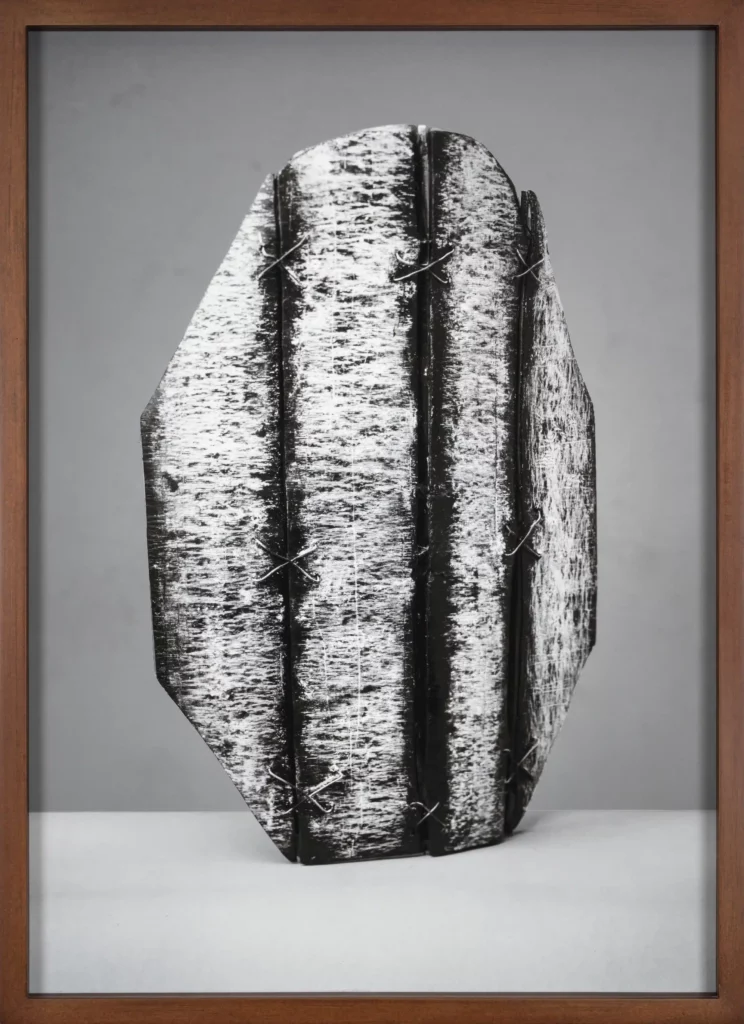
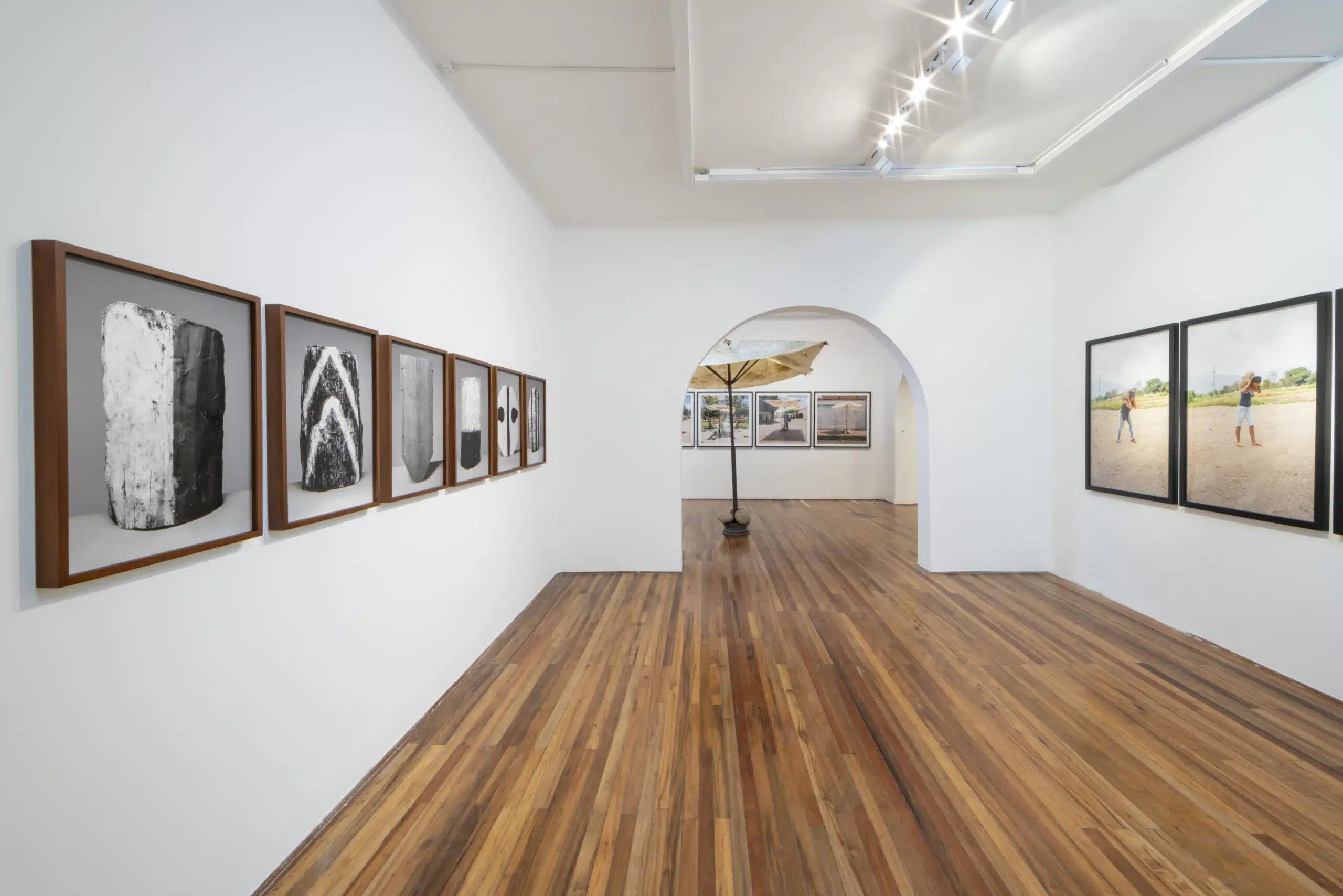
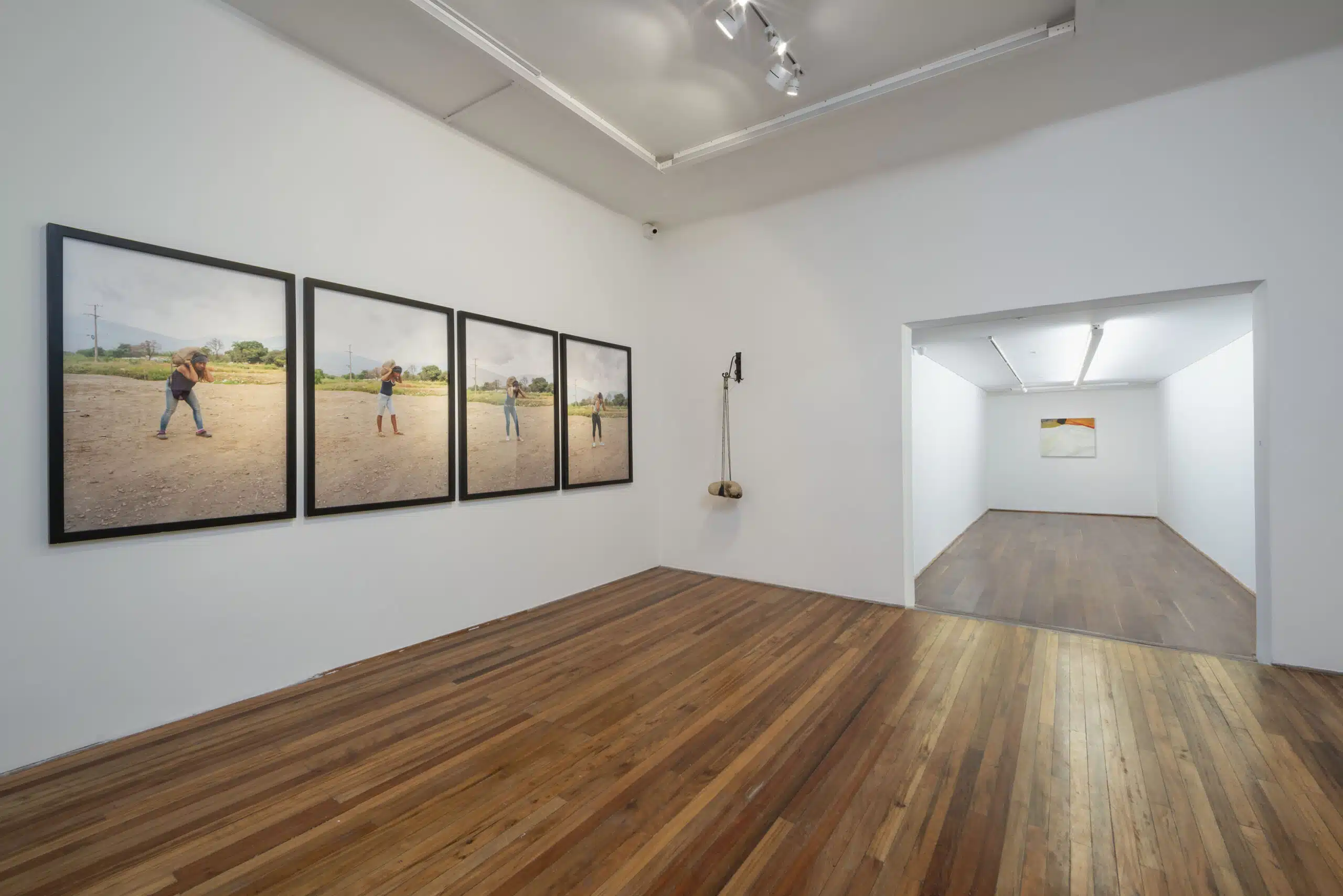
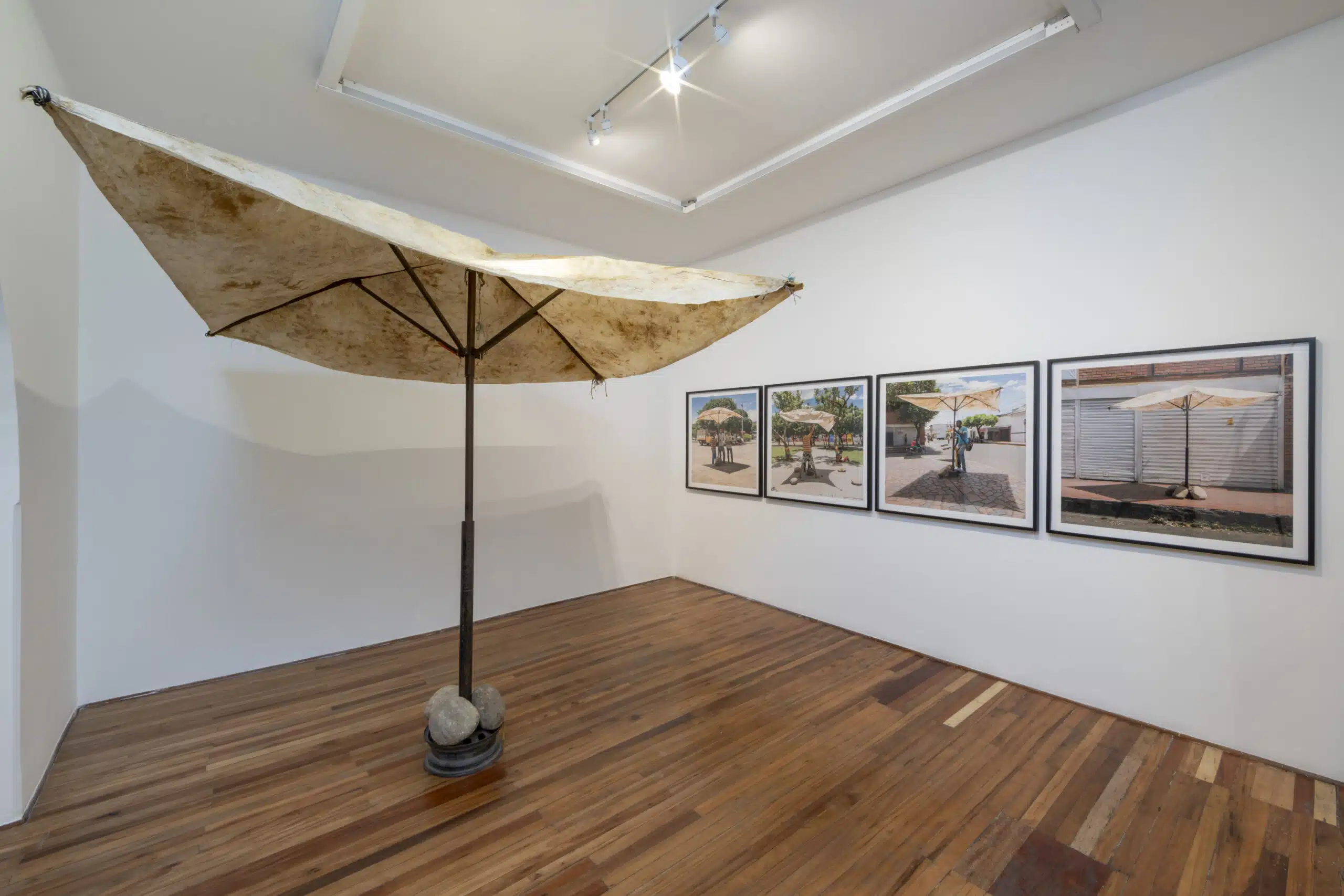
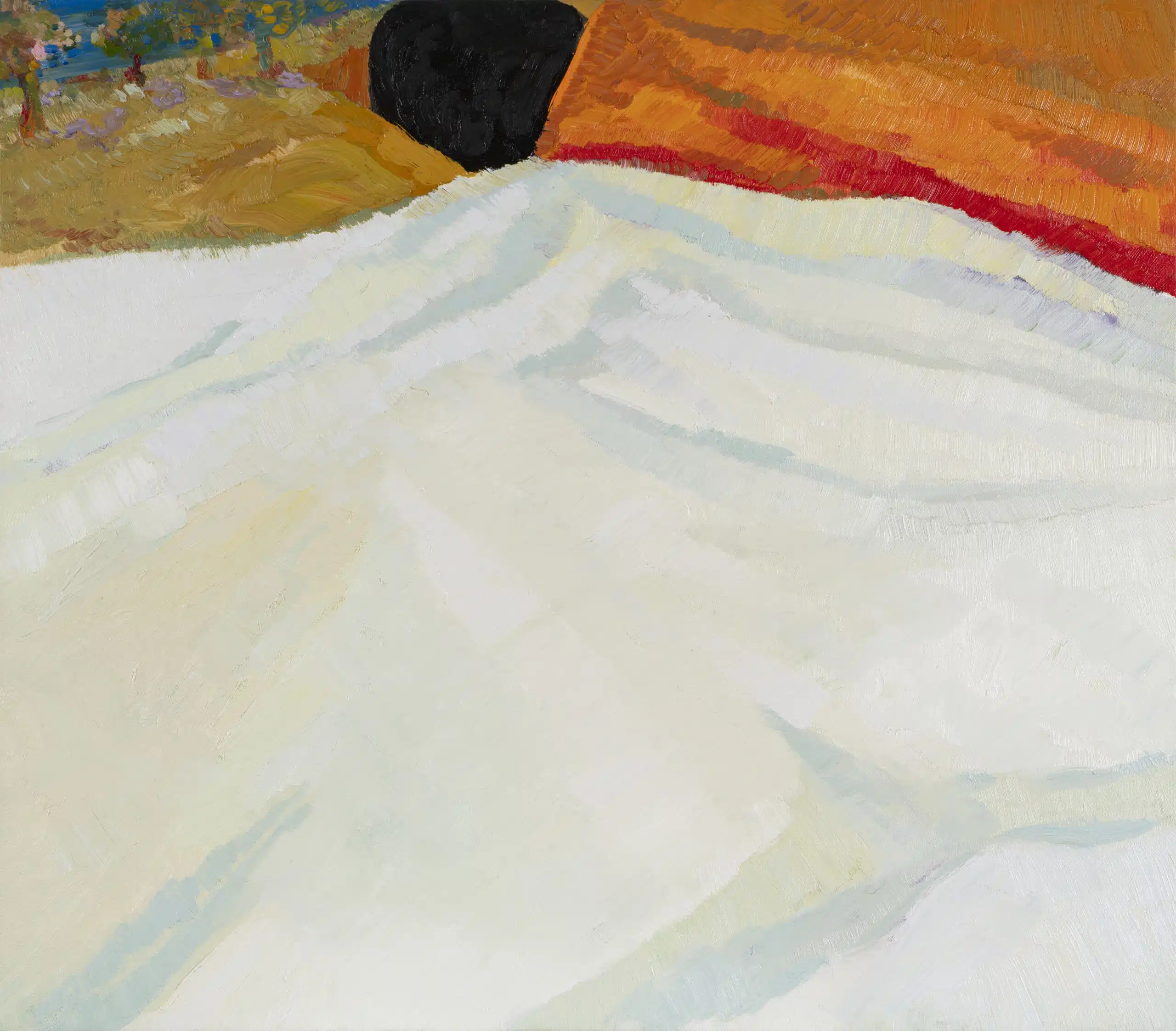
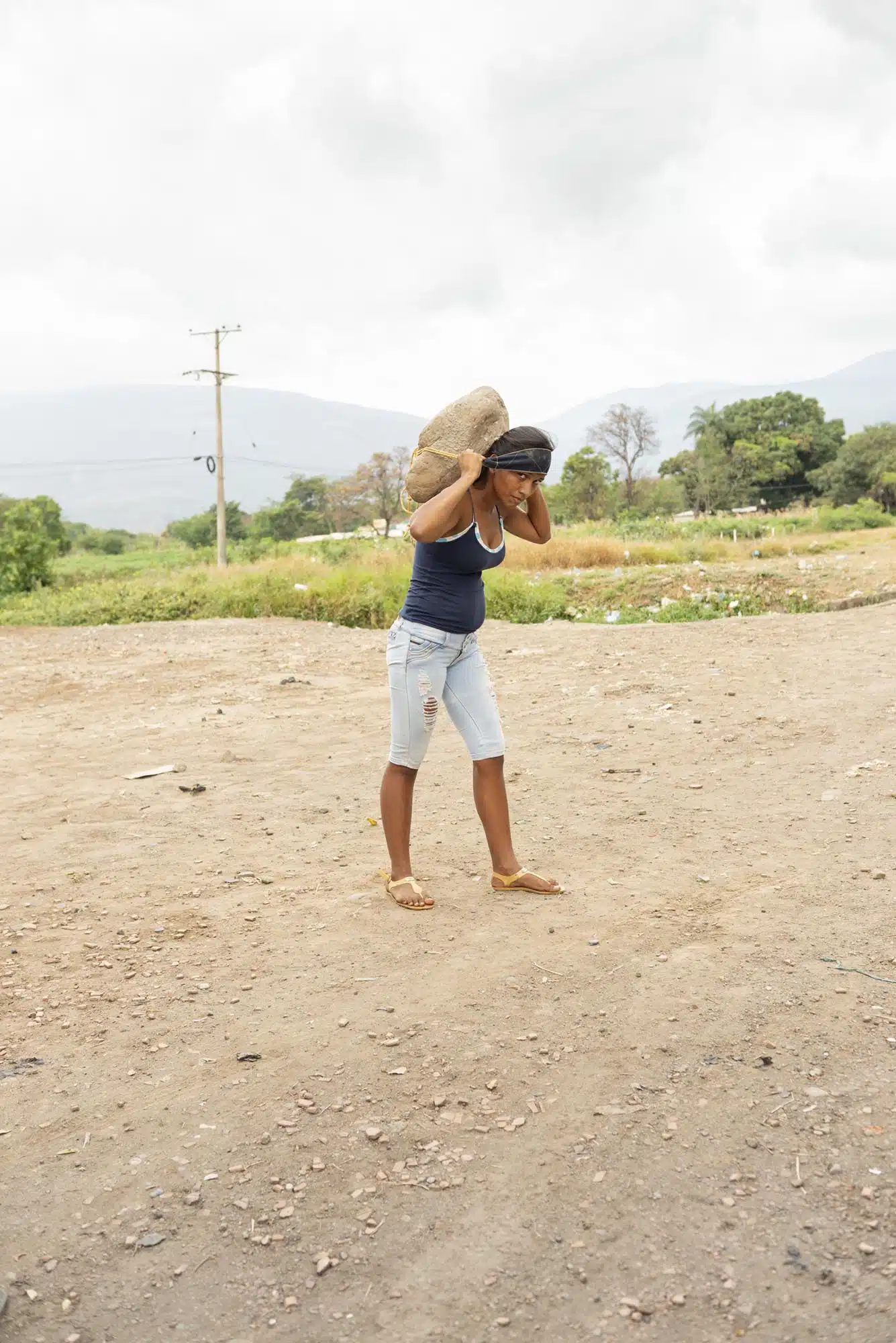
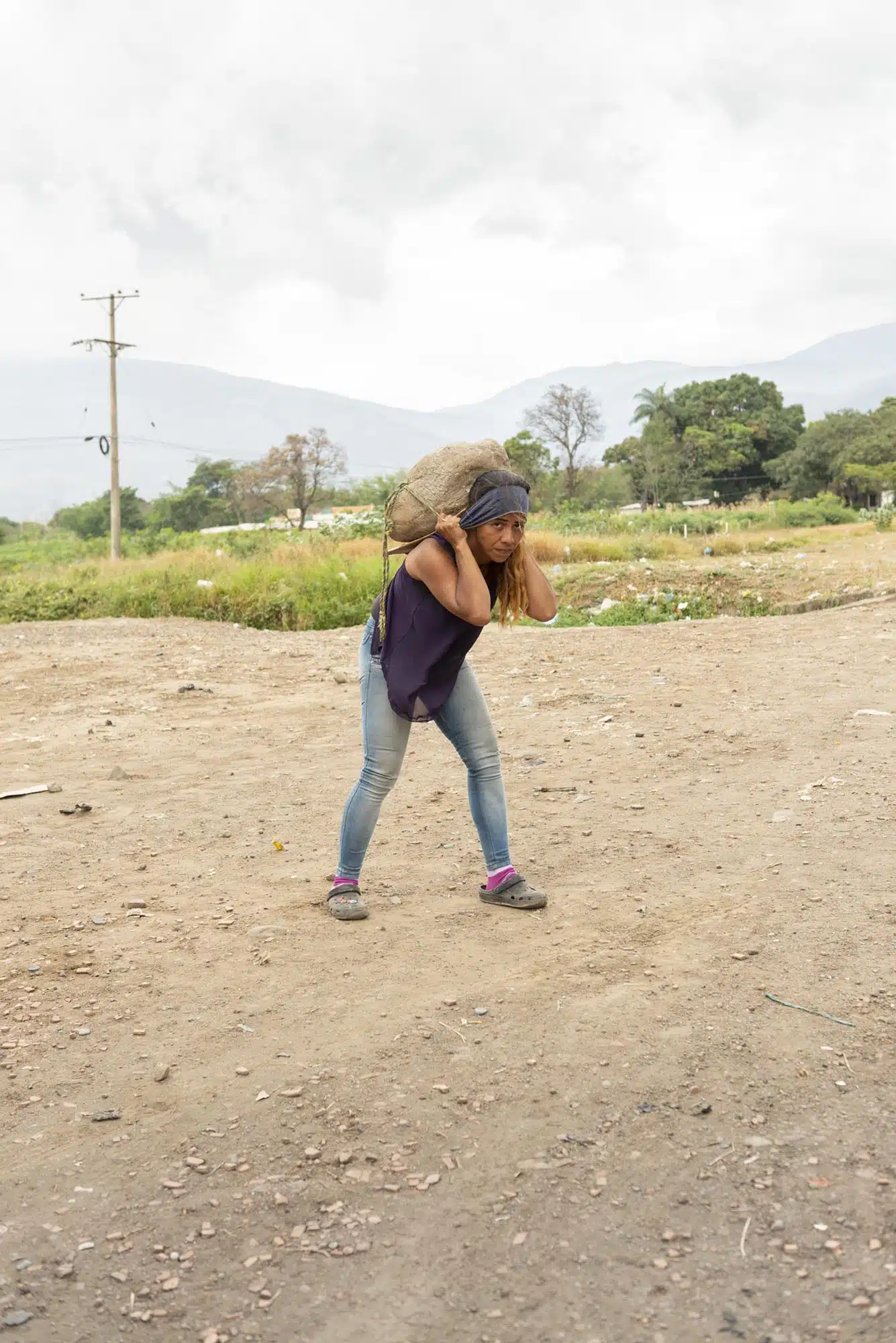
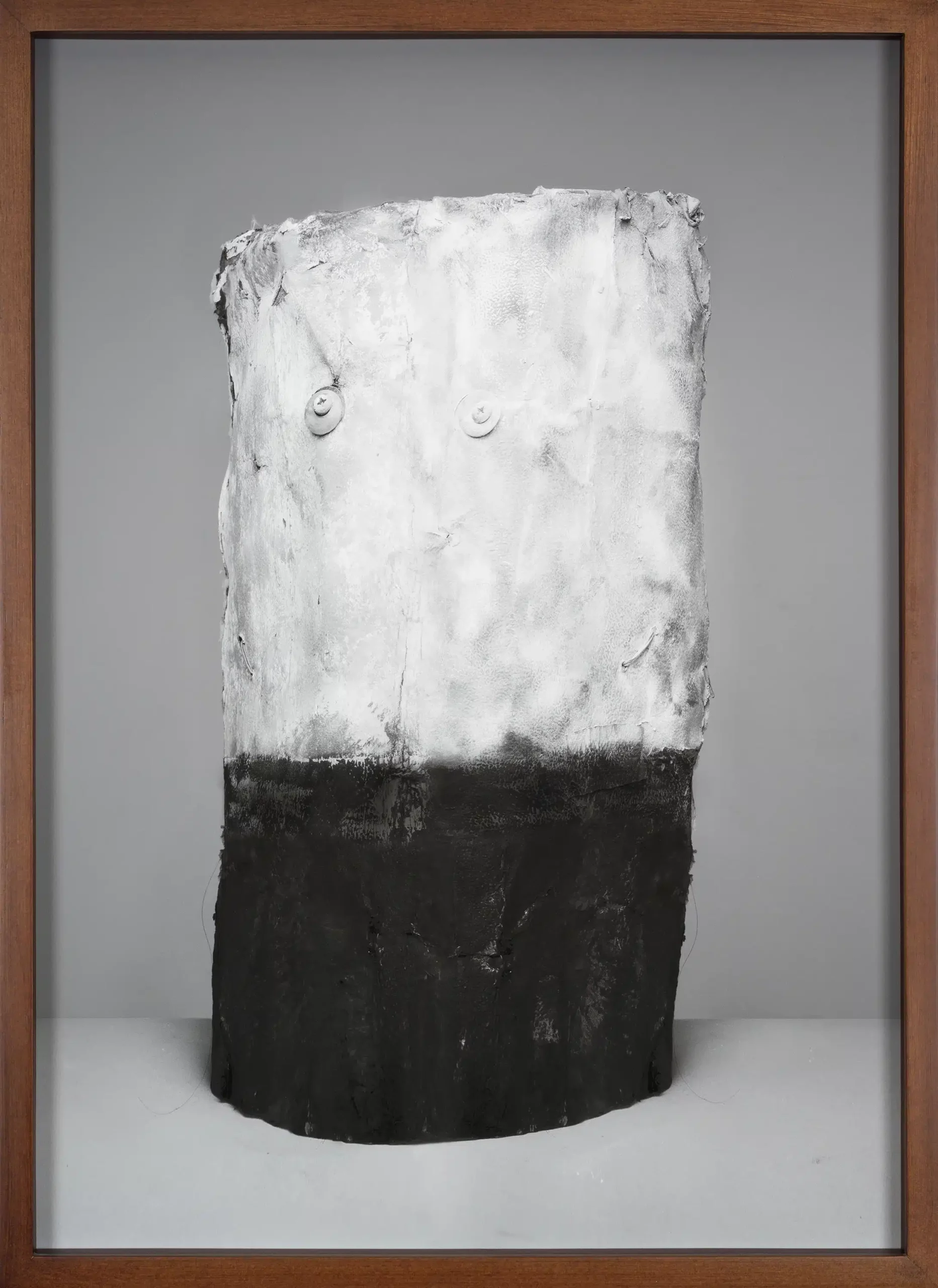
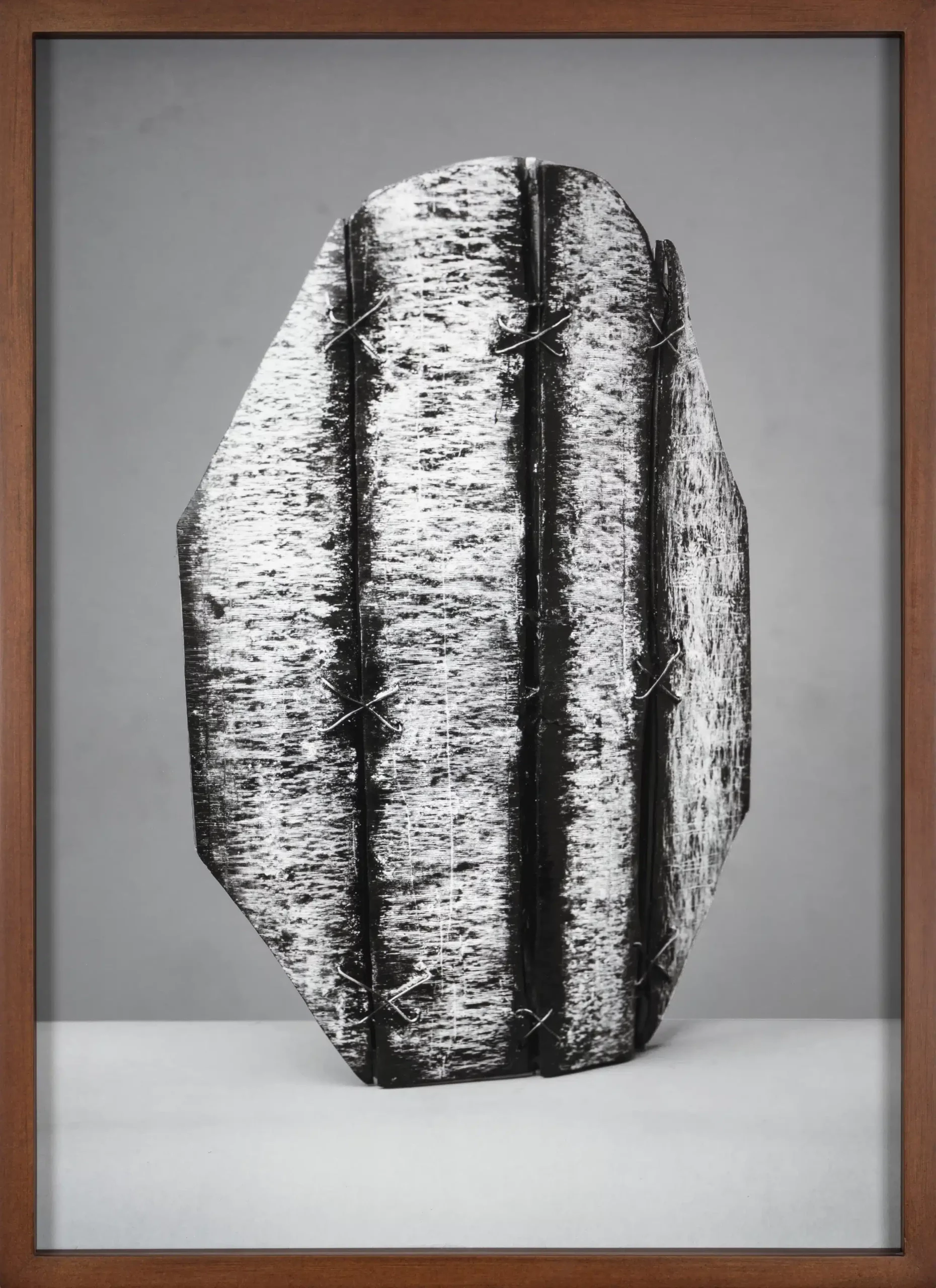
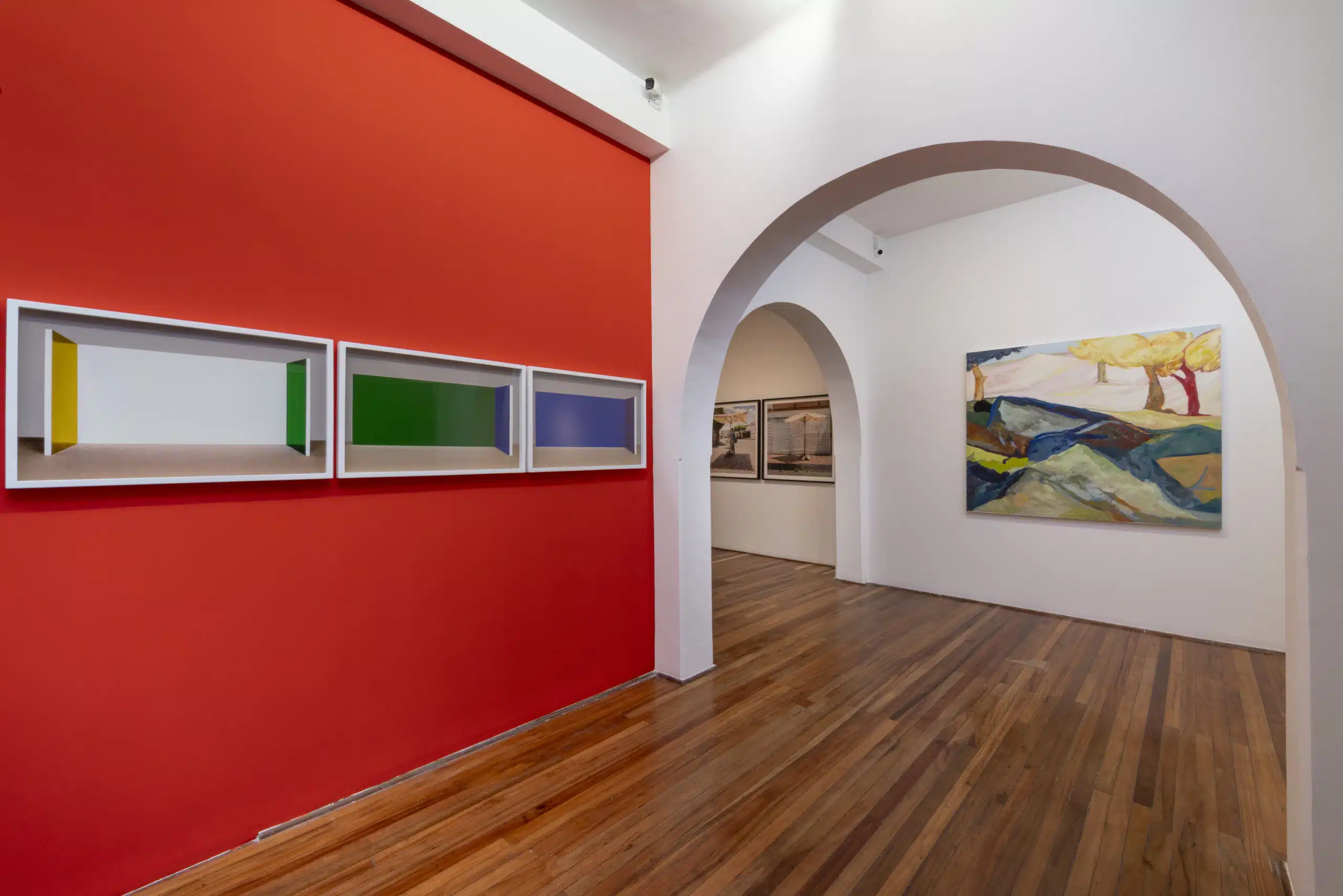
Alexander Apóstol, in another form of reframing relations to the state ideals, resignifies visual symbols that were once synonyms of national modernism ideals. The series Pacto de punto fijo identifies each political force of the democratic period in Venezuela – initiated by the groups in power since 1941 up to this date – with a certain flat color. The use of color, reminiscent of kinetic art, creates almost a hypnotic effect that loses the ideologies behind it. In doing so he highlights the blindness that makes us forget each political decision that led to the current autocratic regime in Venezuela that saw massive protests in 2017, which le at least 120 protesters dead and thousands jailed and injured by armed forces. In Escudo Guarimba, Apóstol shows homemade shields created during these demonstrations with geometrical patterns, a visual language once associated with democratic ideals, now present in objects used in open protest against the regime and deemed illegal. Following the widening gap between State policies and the reality of civic society, Teresa Margolles‘ works allude to resisting despite conditions strengthened by official policies on the border between Colombia and Venezuela, specifically in the Táchria region. Both La Sombra de Venezuela and Trocheras cargando piedra de 50 kg portray migrants who carry on daily life despite violence and official closures in one of the most central places along the border. La Sombra de Venezuela consists of a series of actions and photographs that show individuals originally from Venezuela who, poetically speaking, protect themselves from the sun under the shadow of their own dead, while carrying out their activities. The cloth that covers them has been dragged through the riverbank and where massacres and murders have taken place. Trocheras cargando piedra de 50kg, portrays women who have adapted to the closure of the Puente Internacional Simón Bolivar that united the two countries. Rather than interrupting the traffic of people and all sorts of merchandise, the blockage of the bridge has just diverted it through alternative ways, showcasing the consequences of State decisions in everyday life and the resilience of these women to continue living despite them.