PAZ ERRÁZURIZ
La vie devant soi
PARIS
SOLO SHOW
01.02.2025-01.03.2025
1. EXHIBITION TEXT
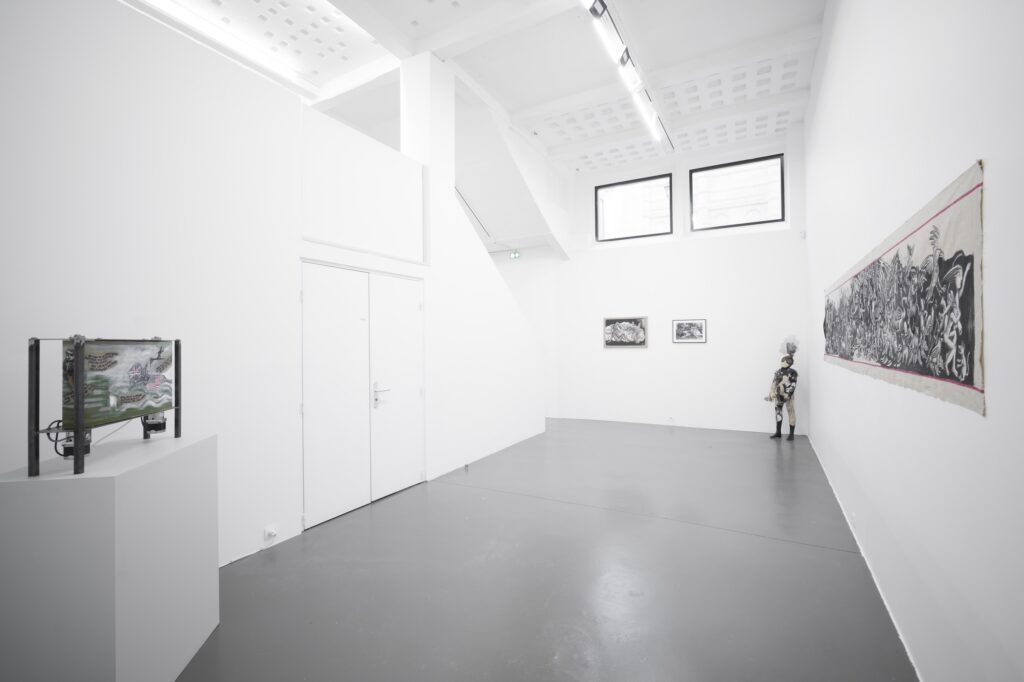
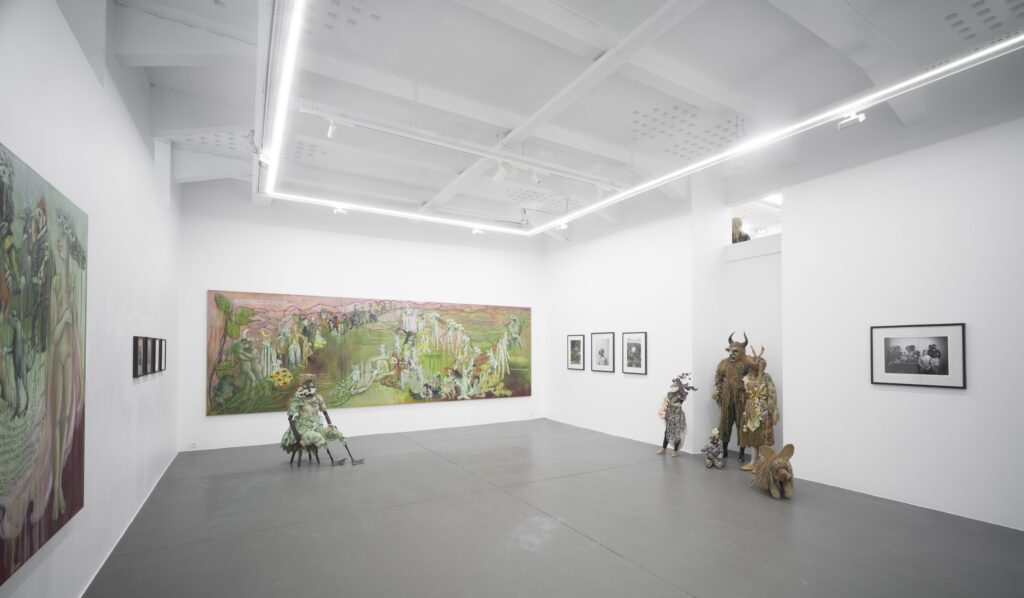
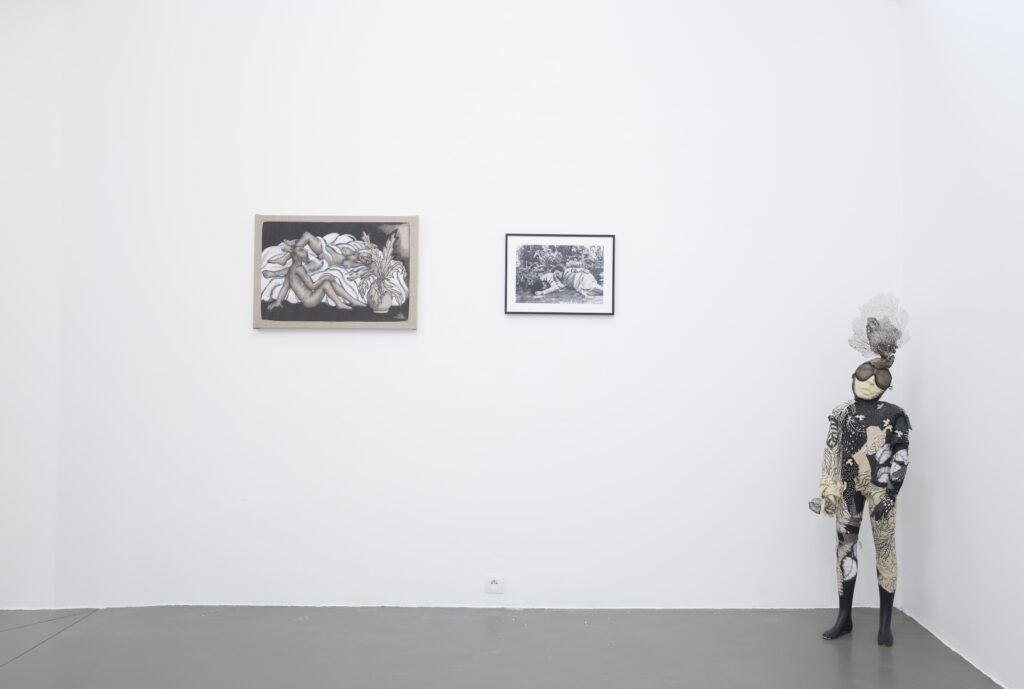
In La vie devant soi, published in 1975, Romain Gary tells the story of Momo, a young Arab boy taken in and raised by Madame Rosa, a former prostitute of Jewish faith, in a working-class district of Paris. The novel explores the deep relationship between the two characters, far from traditional family representations, and confronts the whimsical world of childhood with the harsh reality of marginalized populations. Thus, more than a nod to the age of the artists — both in their eighties — whom it aims to bring into dialogue, the title of this exhibition announces what links the works of Paz Errázuriz and Sylvie Selig: a shared interest in otherness, the bizarre, the representation of non-standard bodies, or the denunciation of systems of domination and social exclusion.
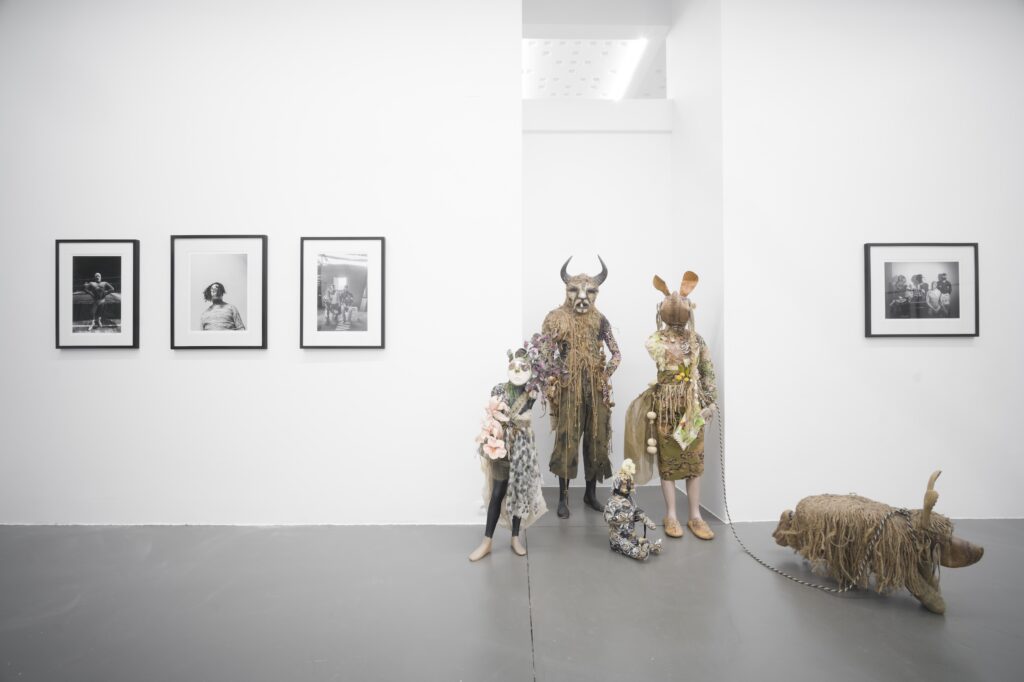
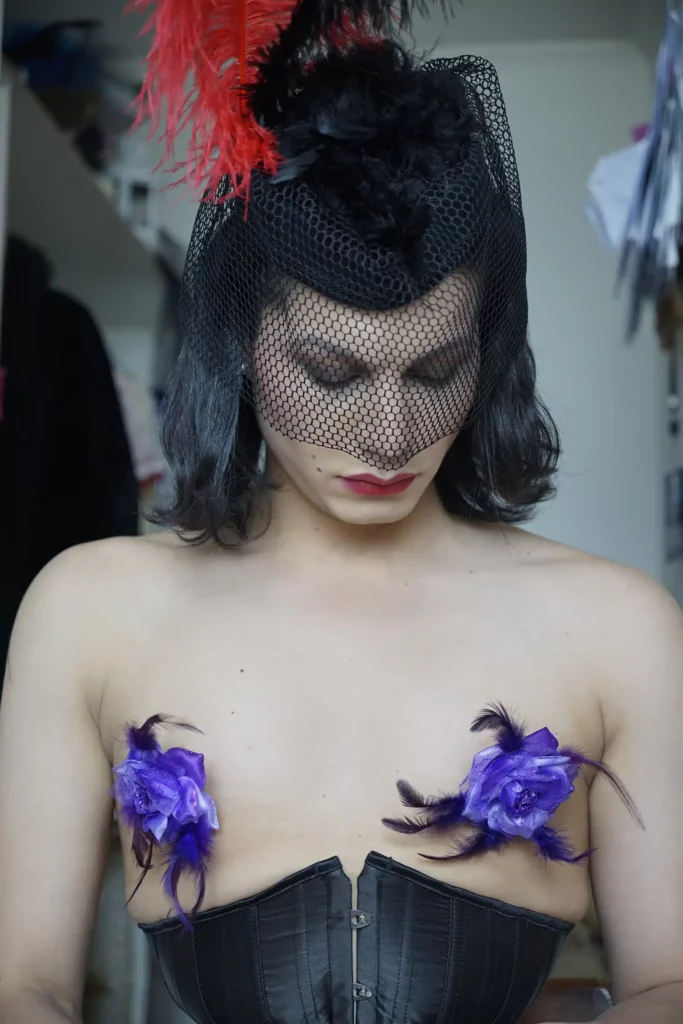
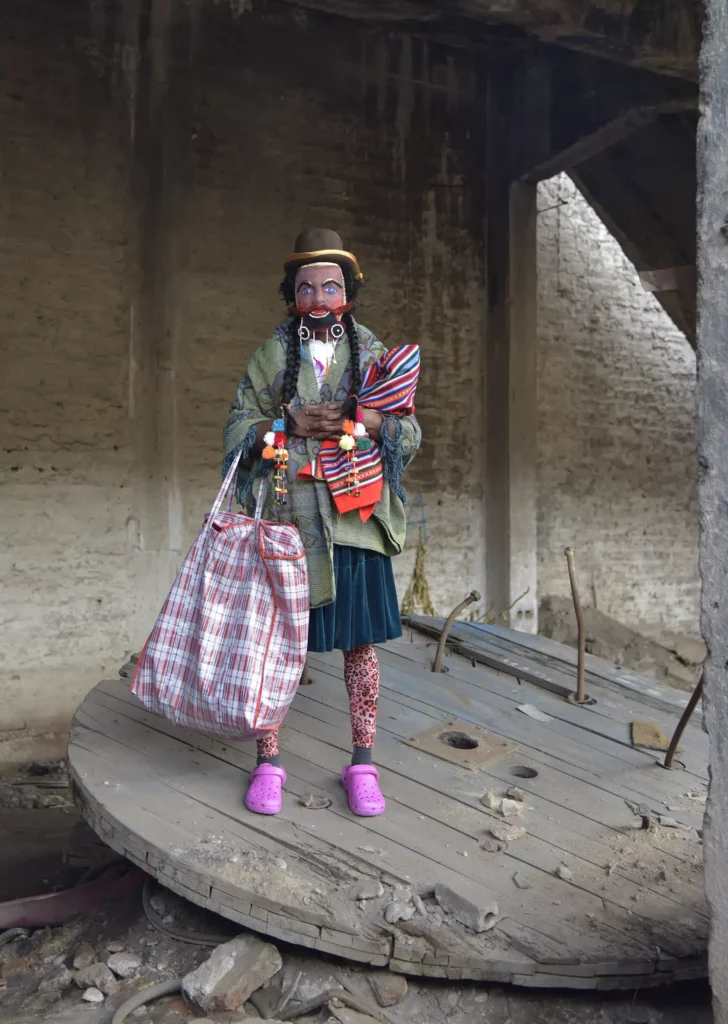
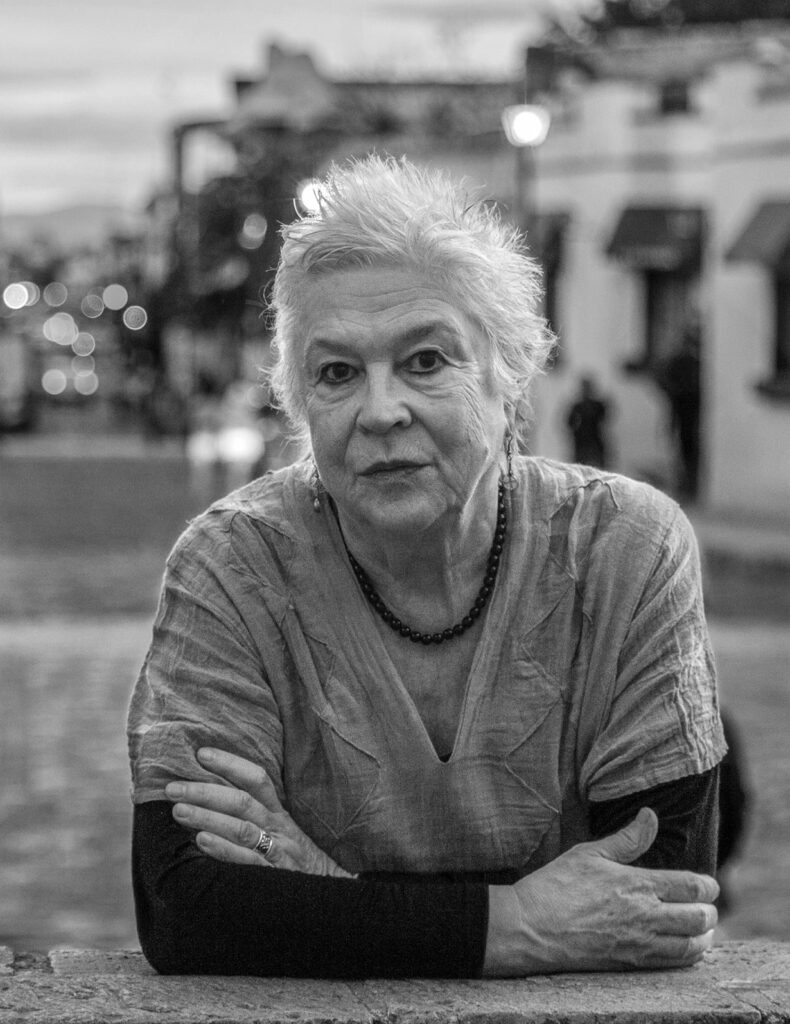
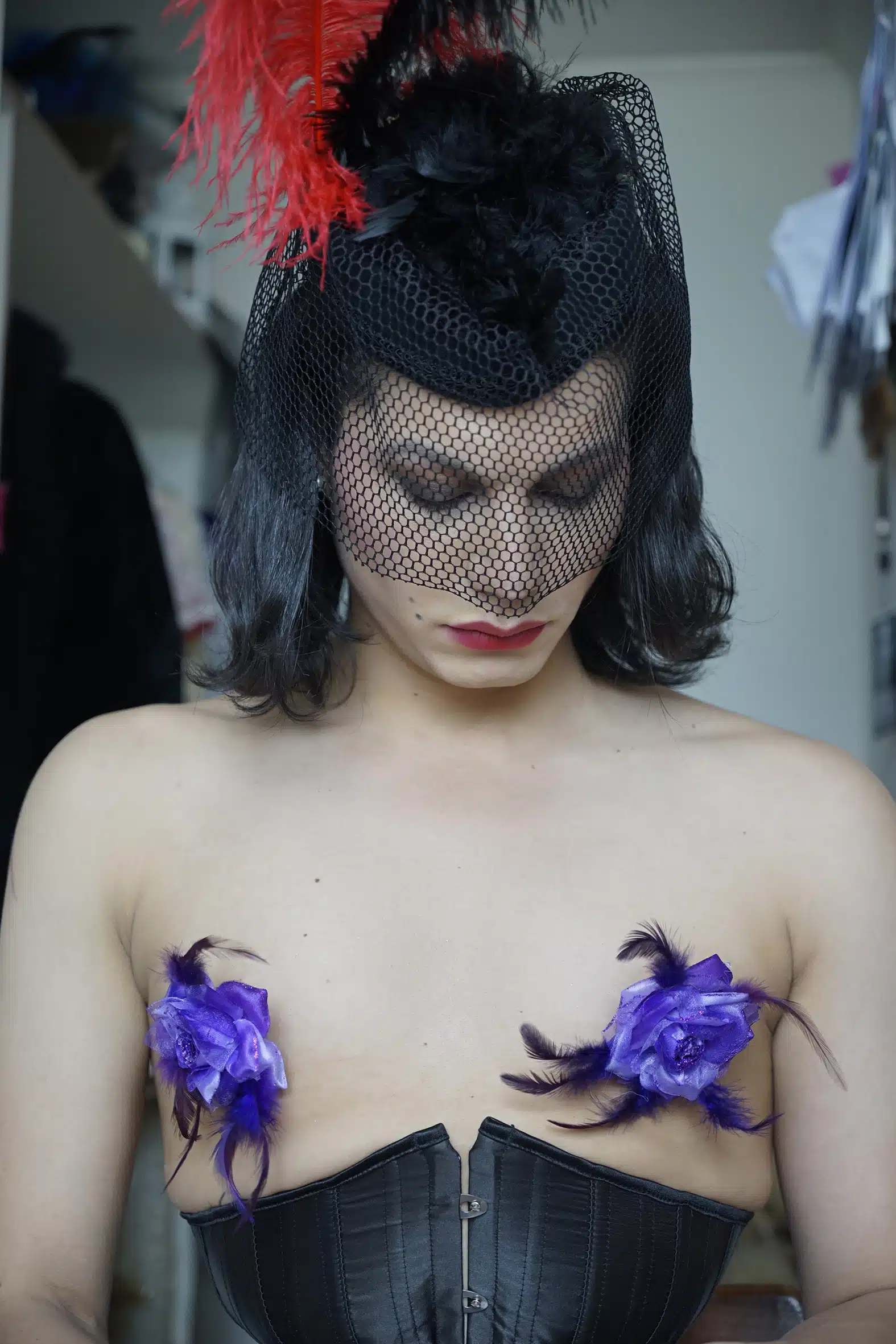
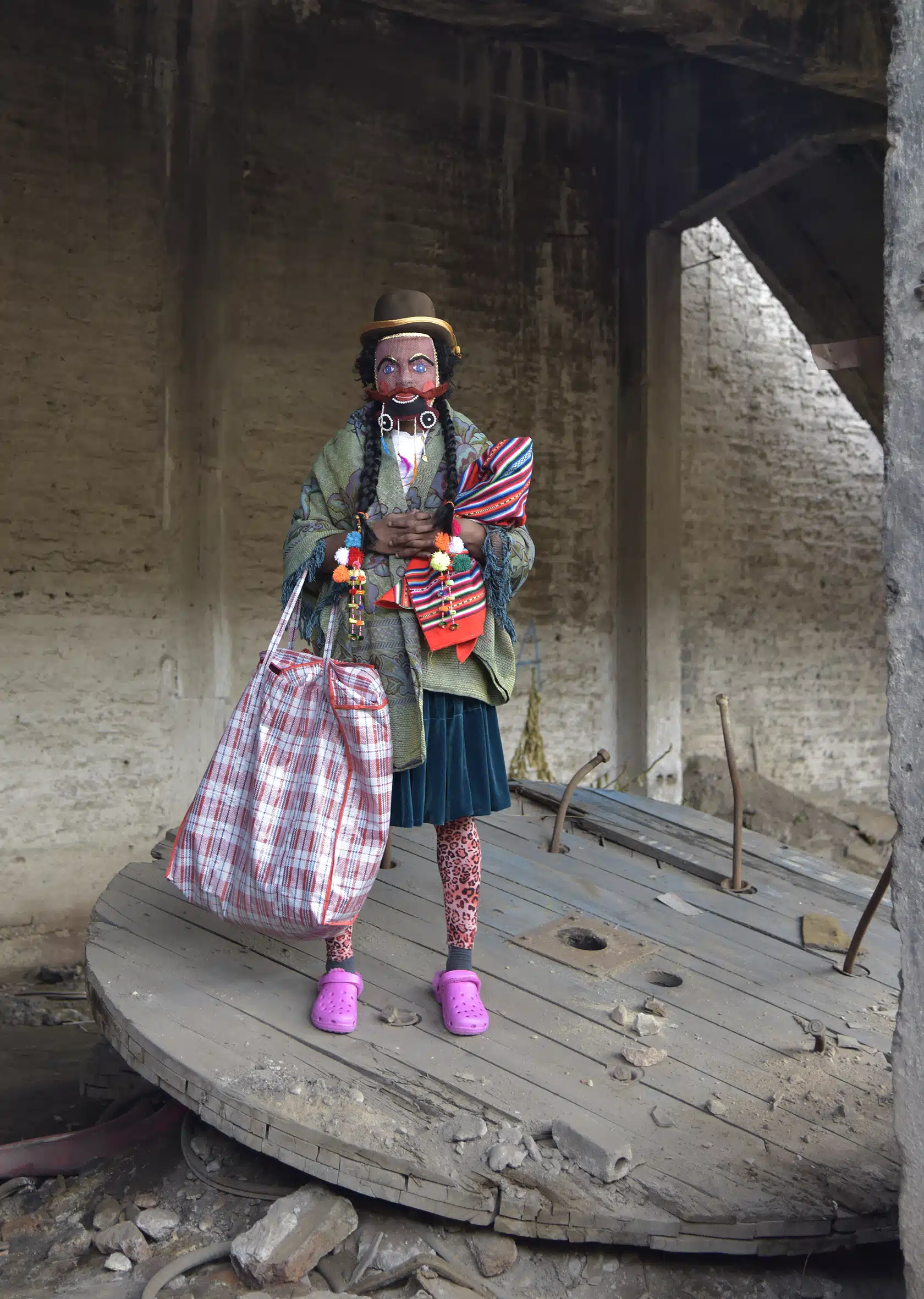
A self-taught Chilean photographer, Paz Errázuriz began her career in the 1980s during Pinochet’s military dictatorship, at a time when social violence was exacerbated and certain communities were totally invisible. Her striking portraits, often developed clandestinely, challenge bourgeois norms and shed light on minorities, particularly sexual and gender ones. In series such as Mujeres de Chile (1992) and Ropa Americana (2017), she strives to portray bodies in all their diversity, far removed from the beauty canons and injunctions to femininity conveyed by fashion magazines and television. From close- ups of marked faces to the portrayal of non-binary bodies or those in transition, her images take a nuanced look at identities and a clear commitment to combating all forms of discrimination and exclusion.
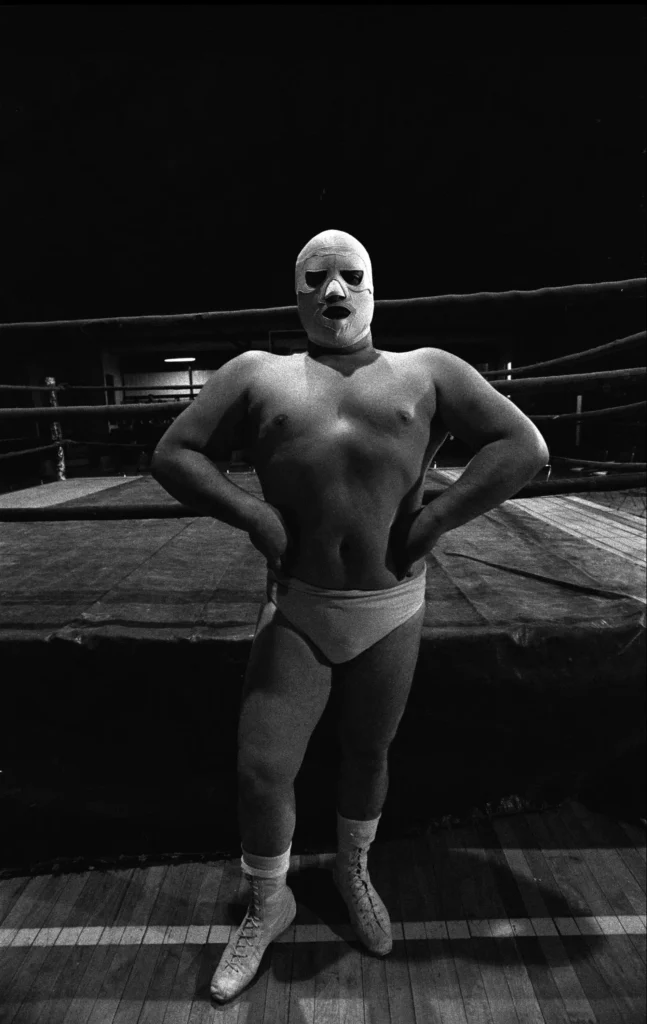
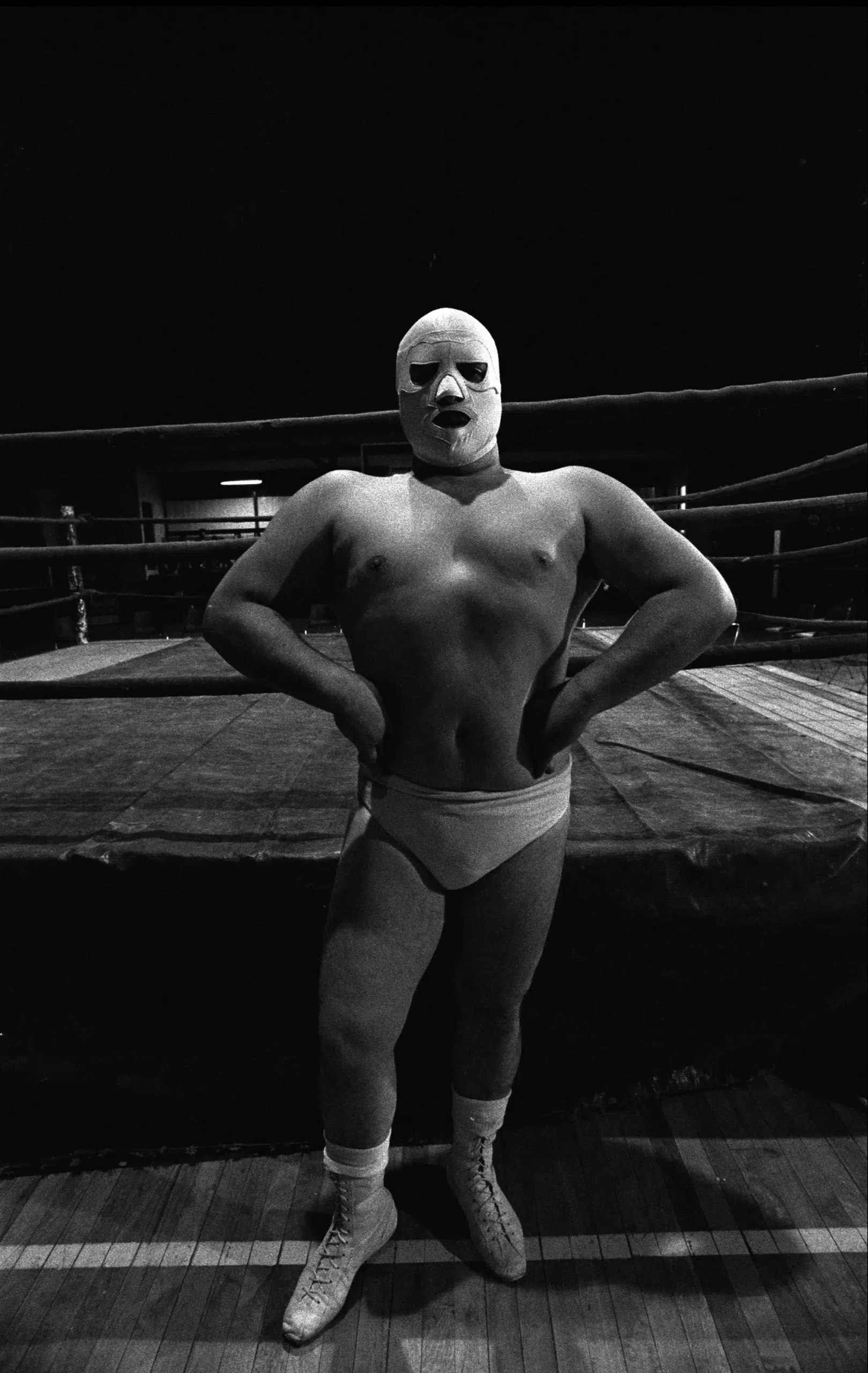
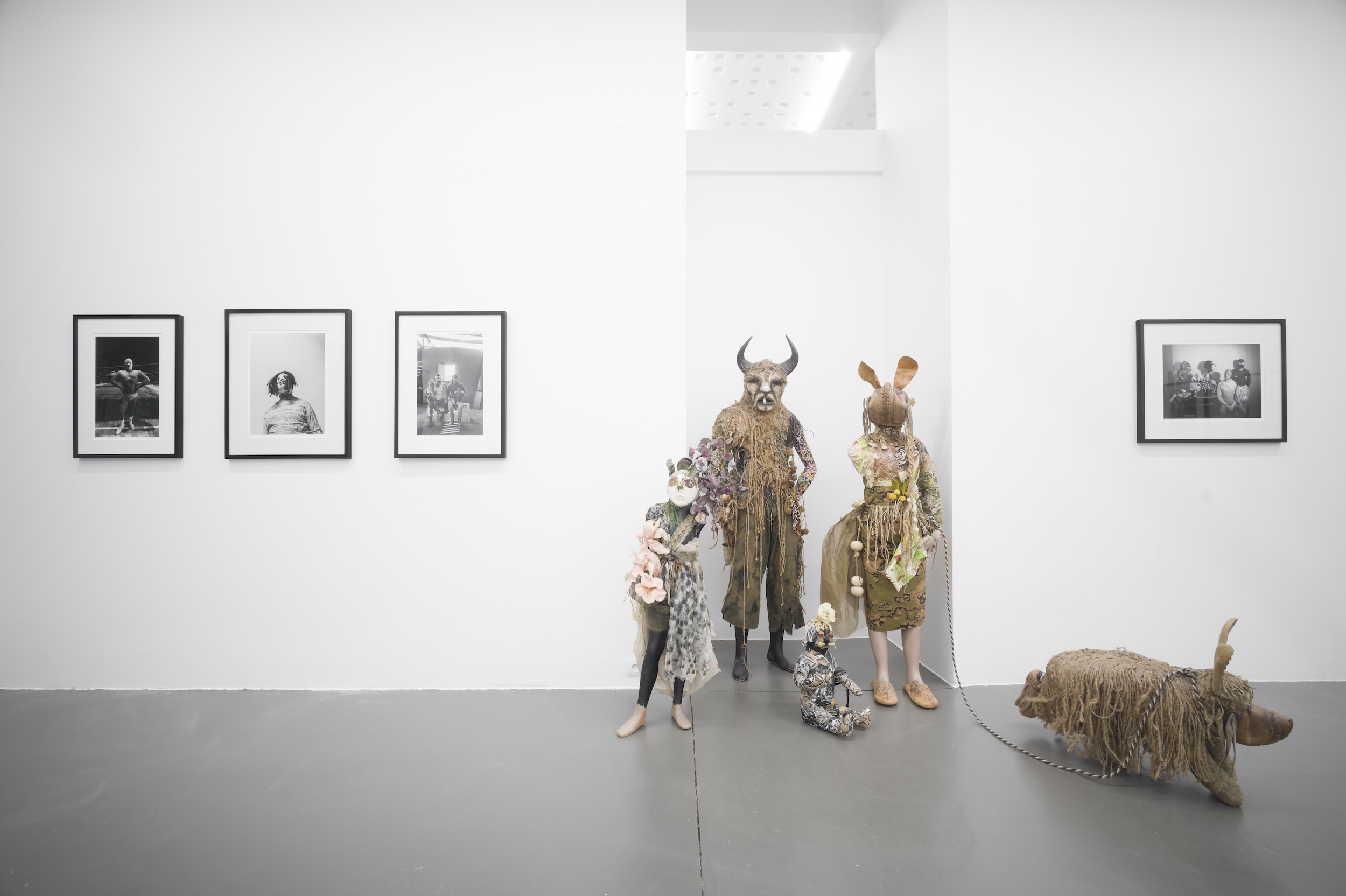
Sometimes, Paz Errázuriz even goes so far as to immerse herself for several months in nomadic communities, as was the case between 1984 and 1988, when she followed a traveling circus across the country, or a few years later for her series Los luchadores del ring (1989-1991) on a group of wrestlers in northern Chile. With her intimate documentary style, which highlights the fragility of the performers and subverts the codes of virility, she reveals what’s behind the scenes, what lies behind the ephemeral fantasy of the spectacle, and creates images that intrigue with their evocative power and almost surrealistic quality.
READ MORE
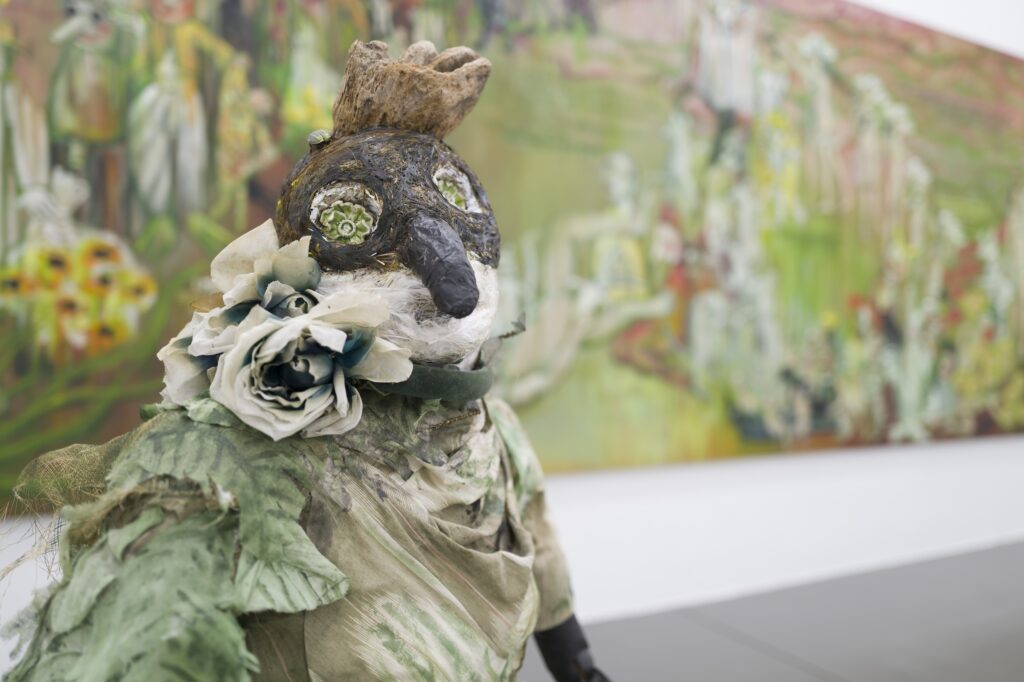
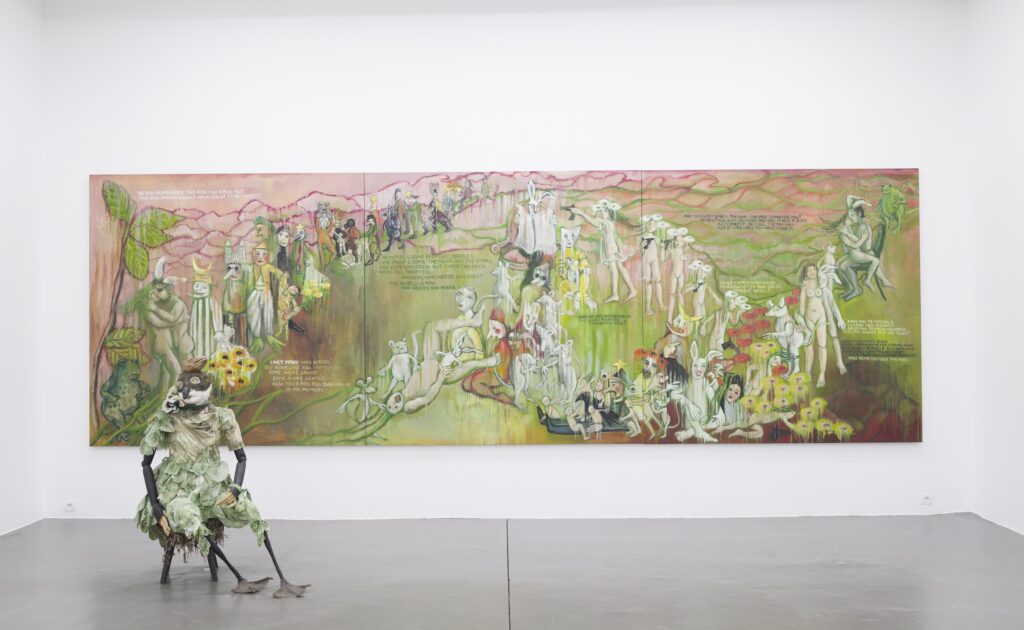
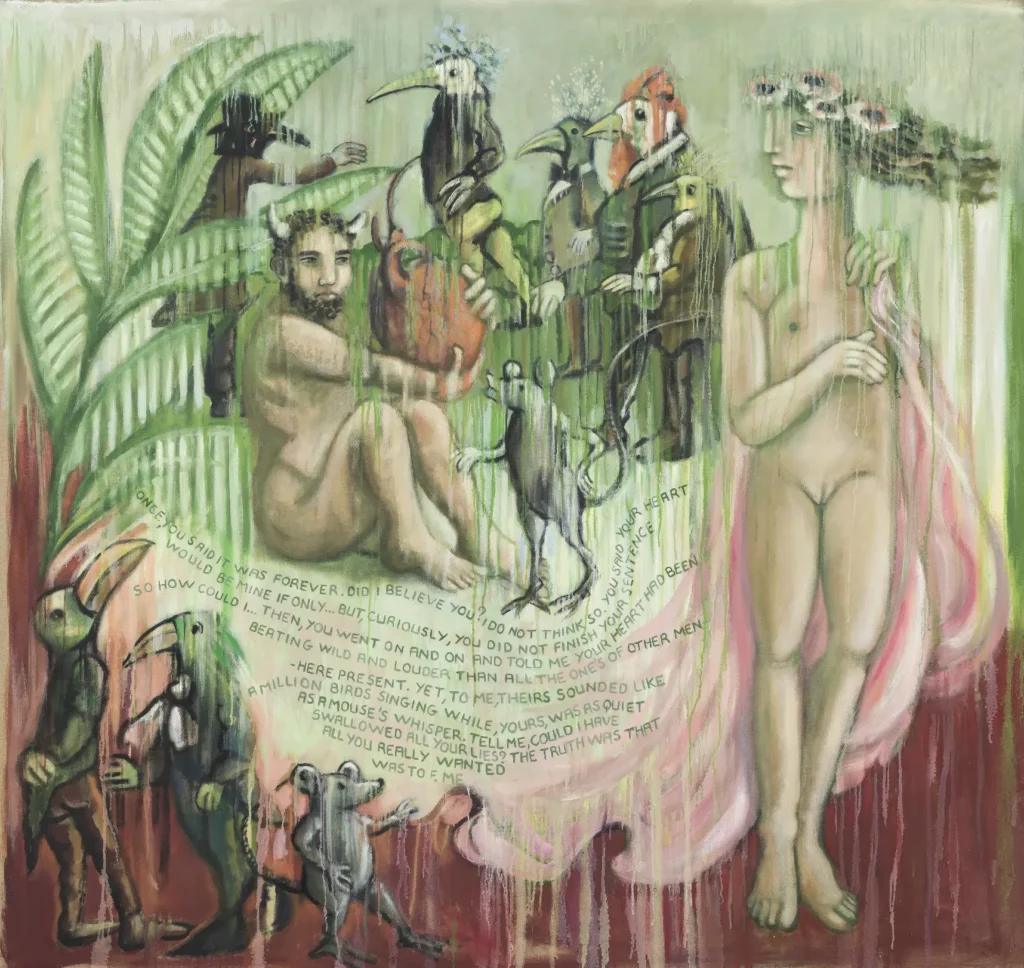
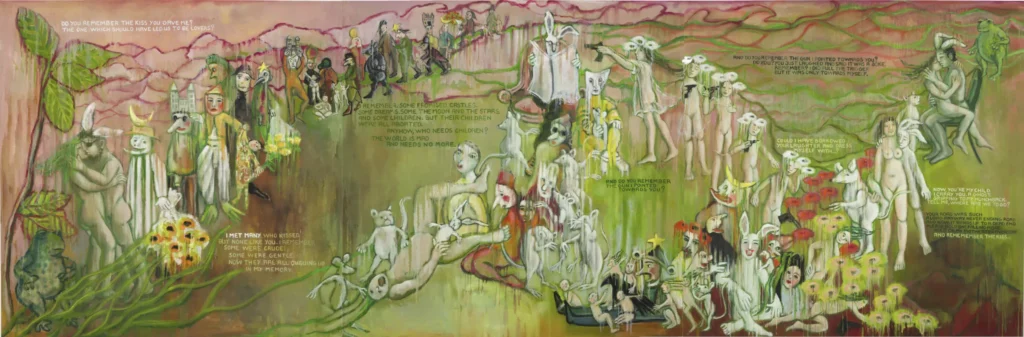
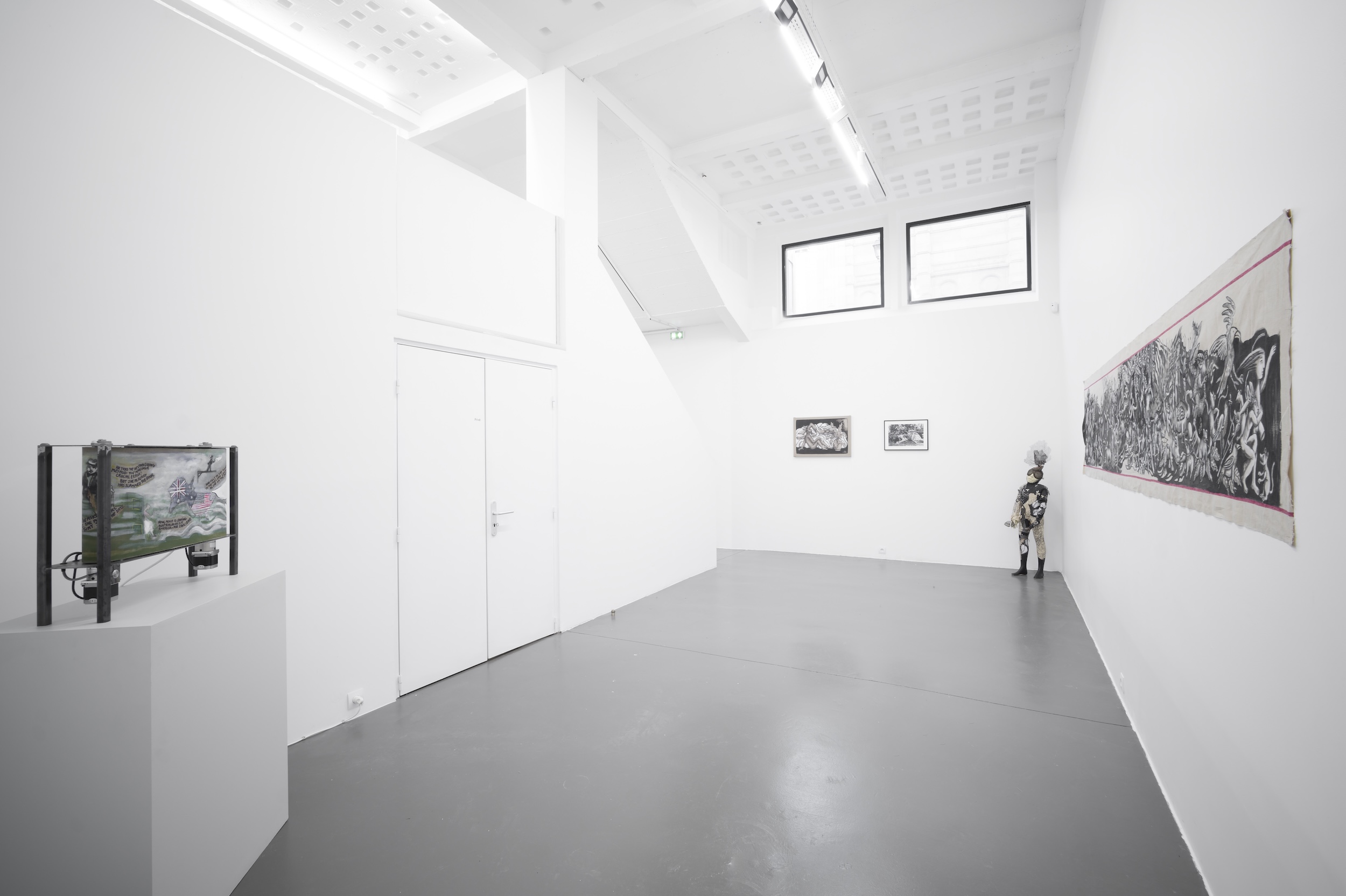
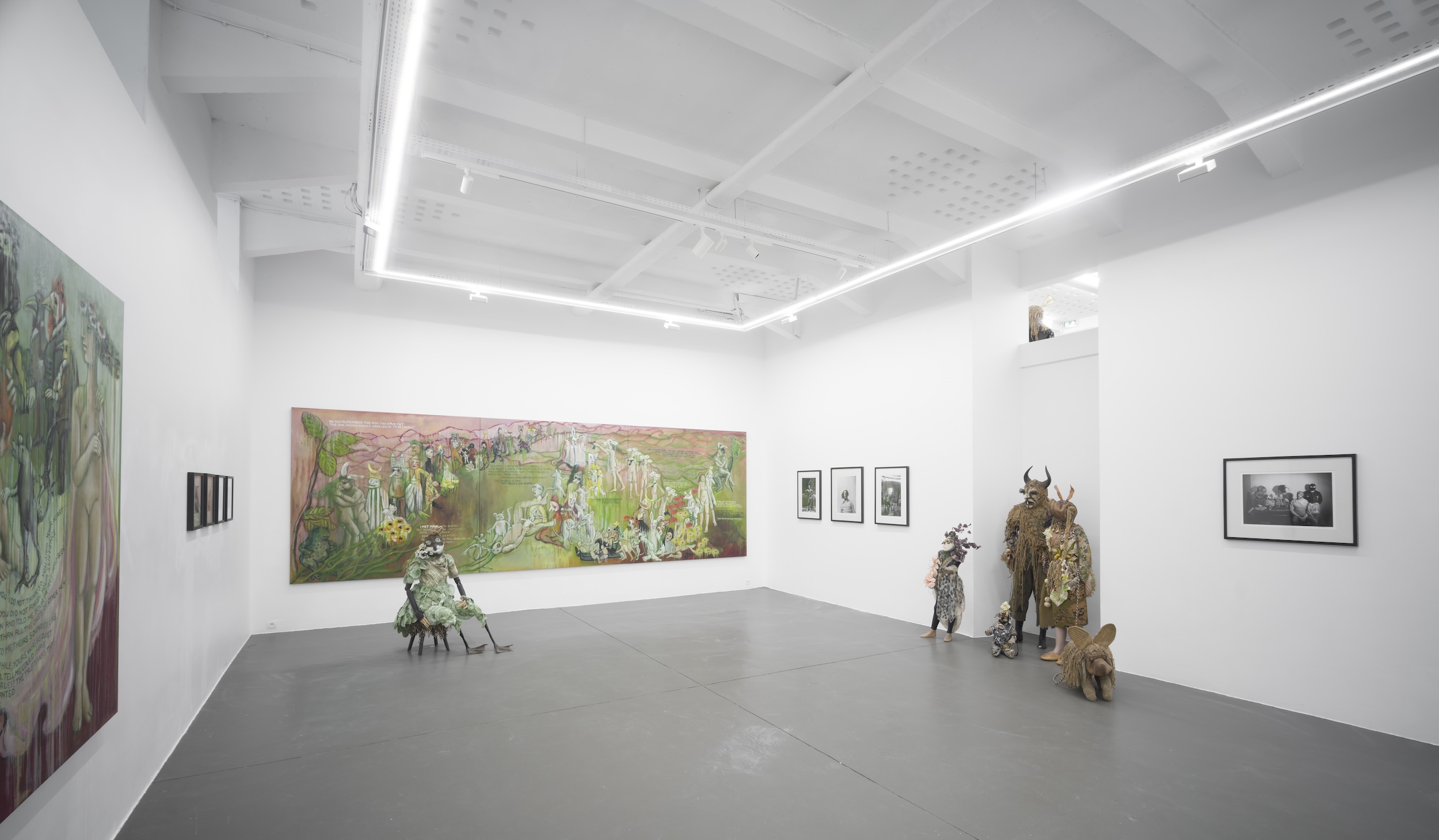
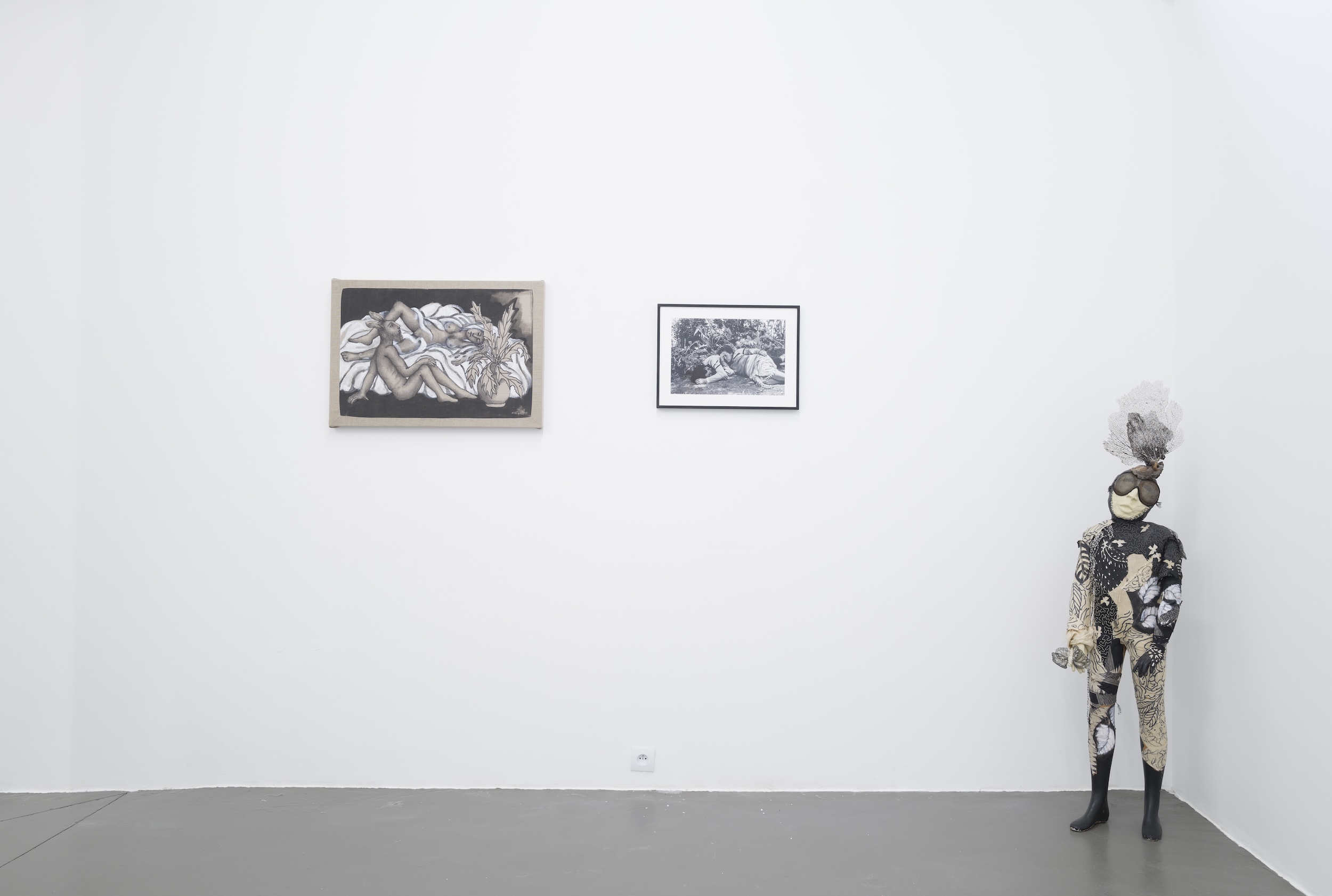
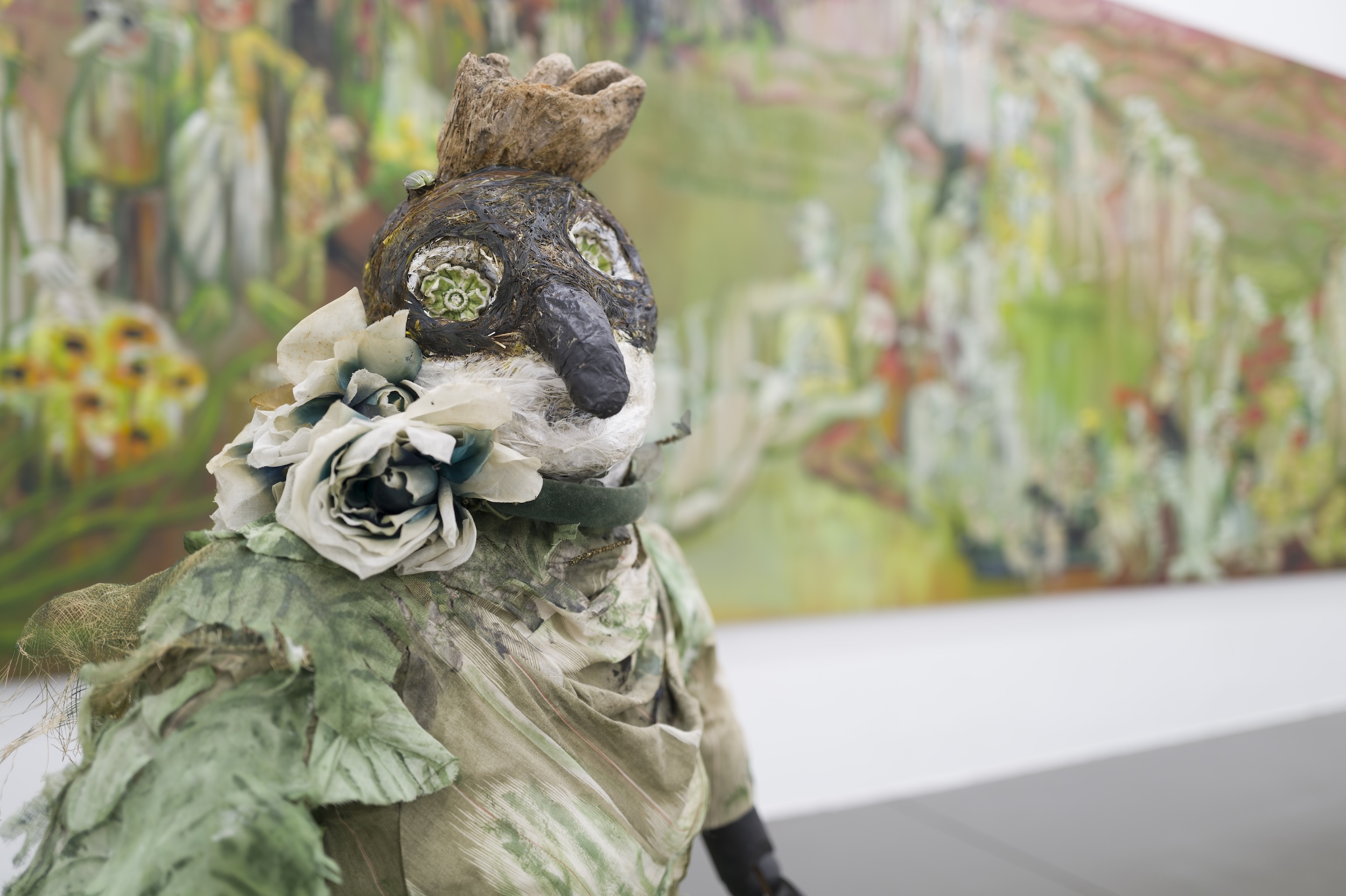
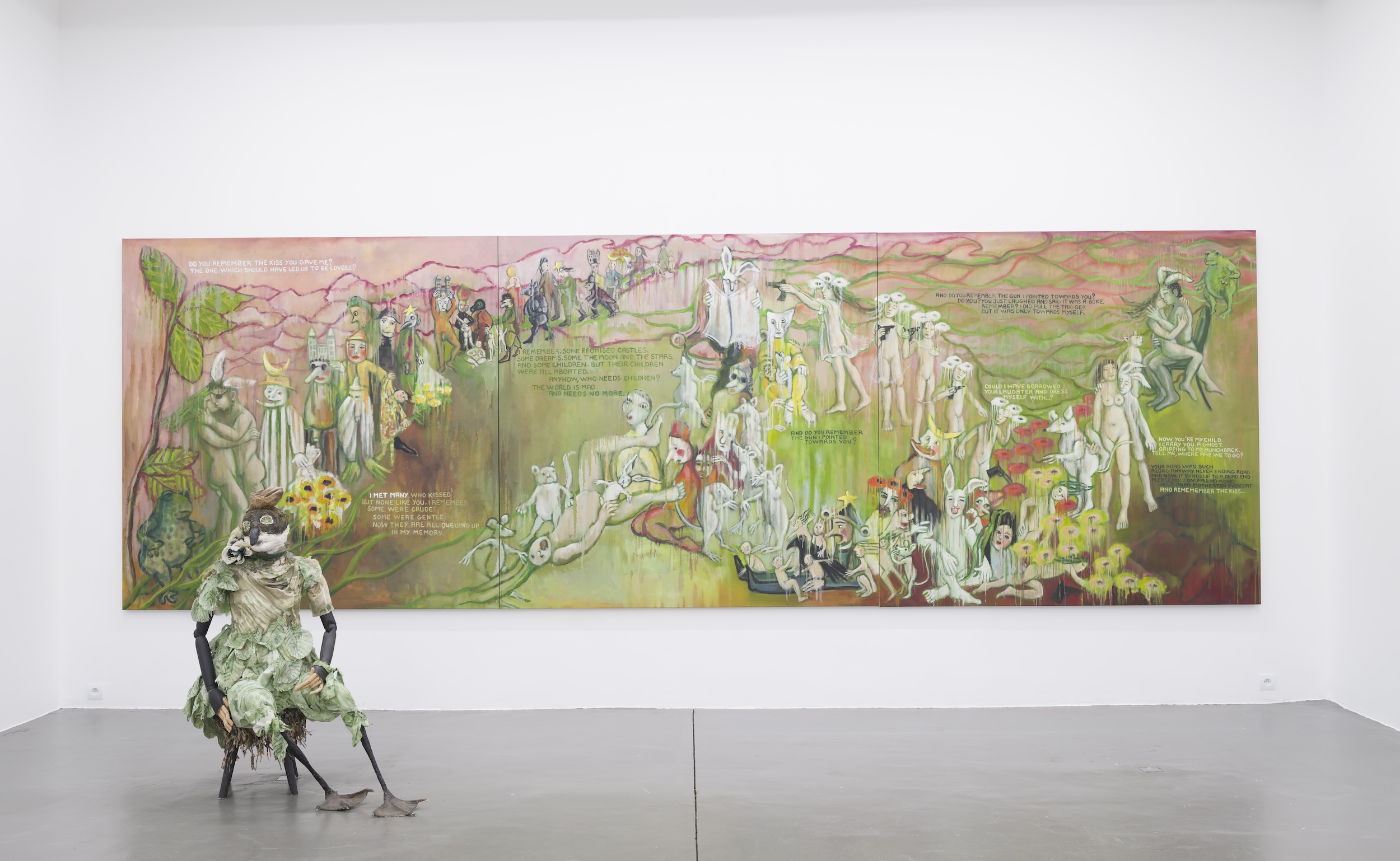
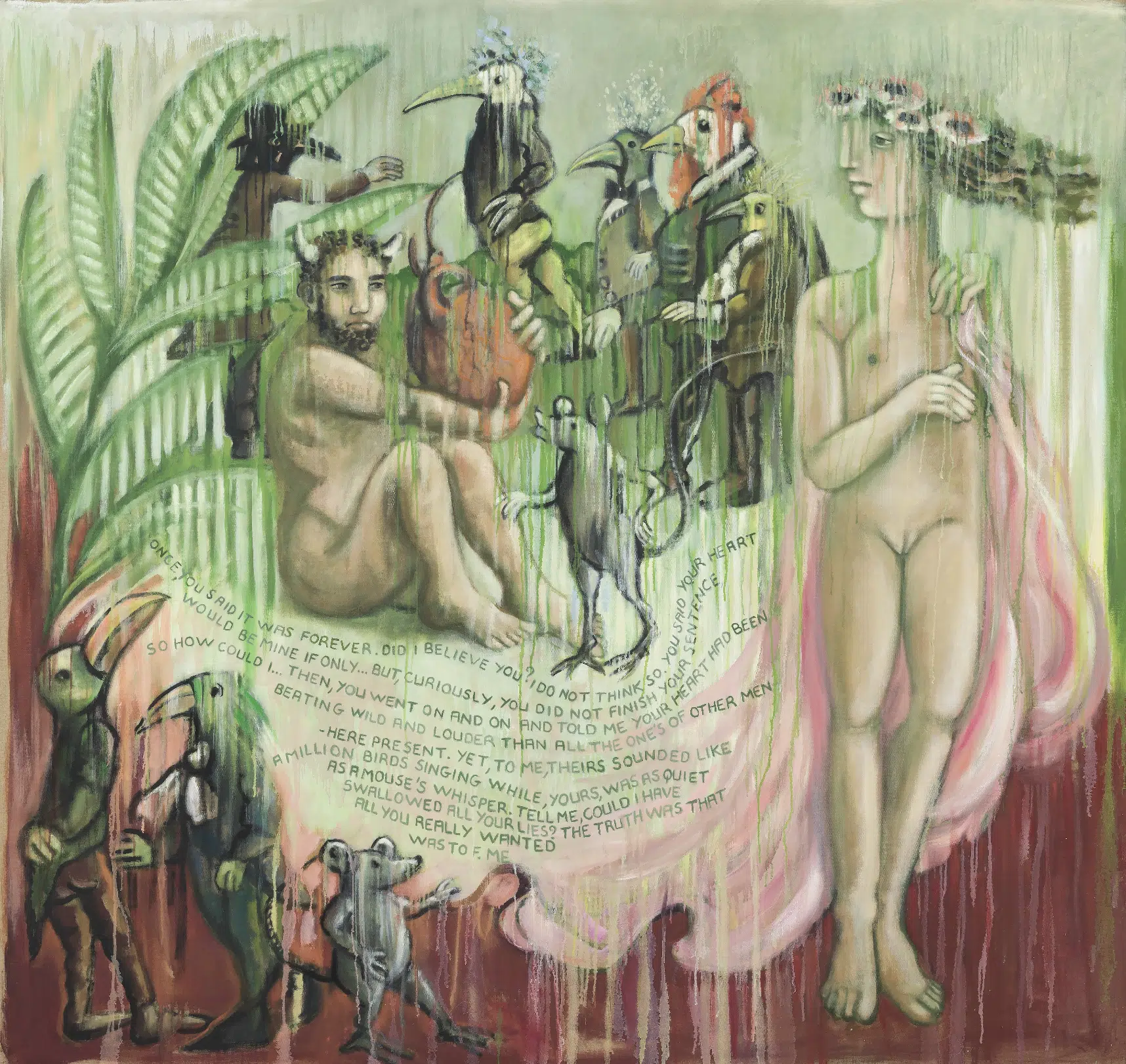
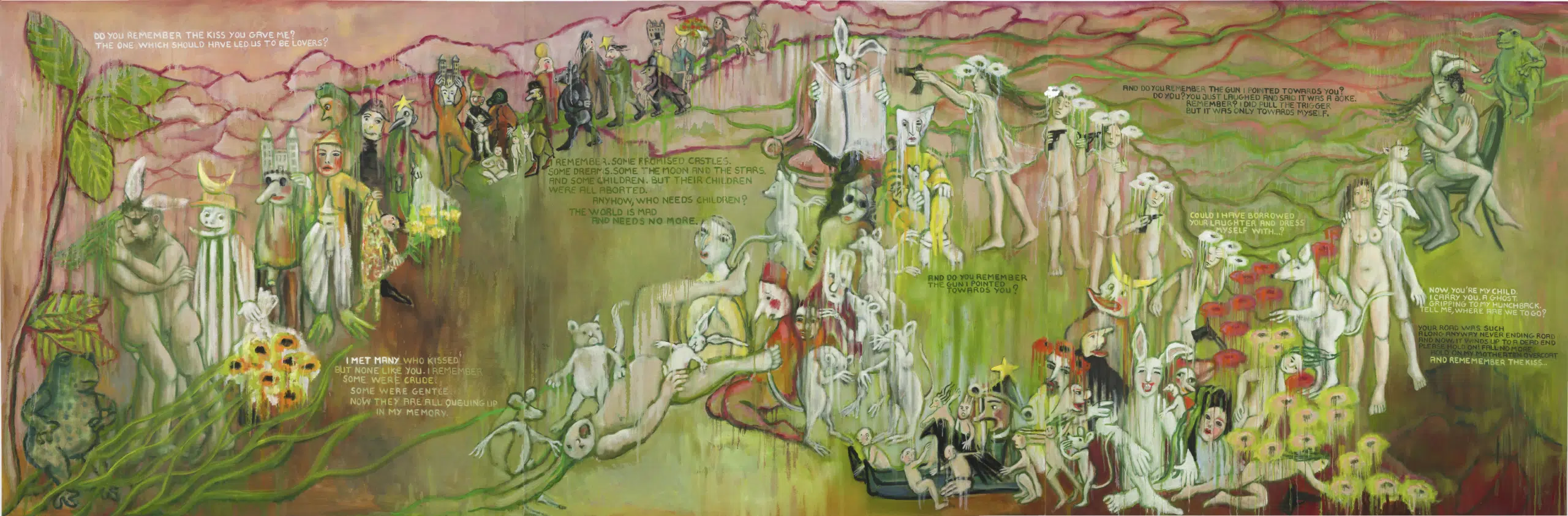
The same strangeness emanates from the works of Sylvie Selig, a French artist trained in the creation of theatrical sets in Australia in the 1950s. Relentlessly exploring the complexity of human relationships and power dynamics, her paintings and sculptures conjure up a falsely innocent fairytale atmosphere, populated by disturbing-looking hybrid creatures. In 2015, the artist brought to life the first member of her Weird Family, a group of fabulous beings fashioned from old sewing mannequins, papier-mâché and recycled materials, questioning the traditional structure of the family and its dysfunctions, and proposing an alternative version as clownish as it is frightening. The damaged, heckled body, often shown in vulnerable positions — between the deformation of pain and the expression of desire — occupies a central place in Sylvie Selig’s practice; and more particularly the female body, treated as an issue of domination and emancipation. The narratives she develops in her paintings and embroideries, ranging from thwarted love affairs to representations of transgressive sexuality, seek to deconstruct stereotypes of beauty and femininity.