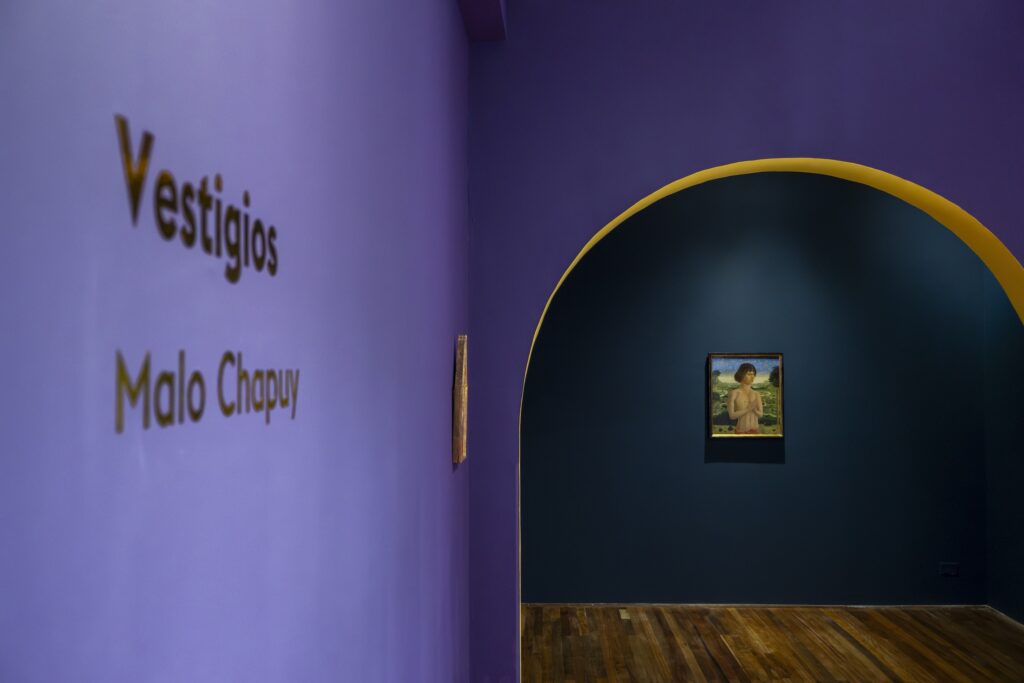
MALO CHAPUY
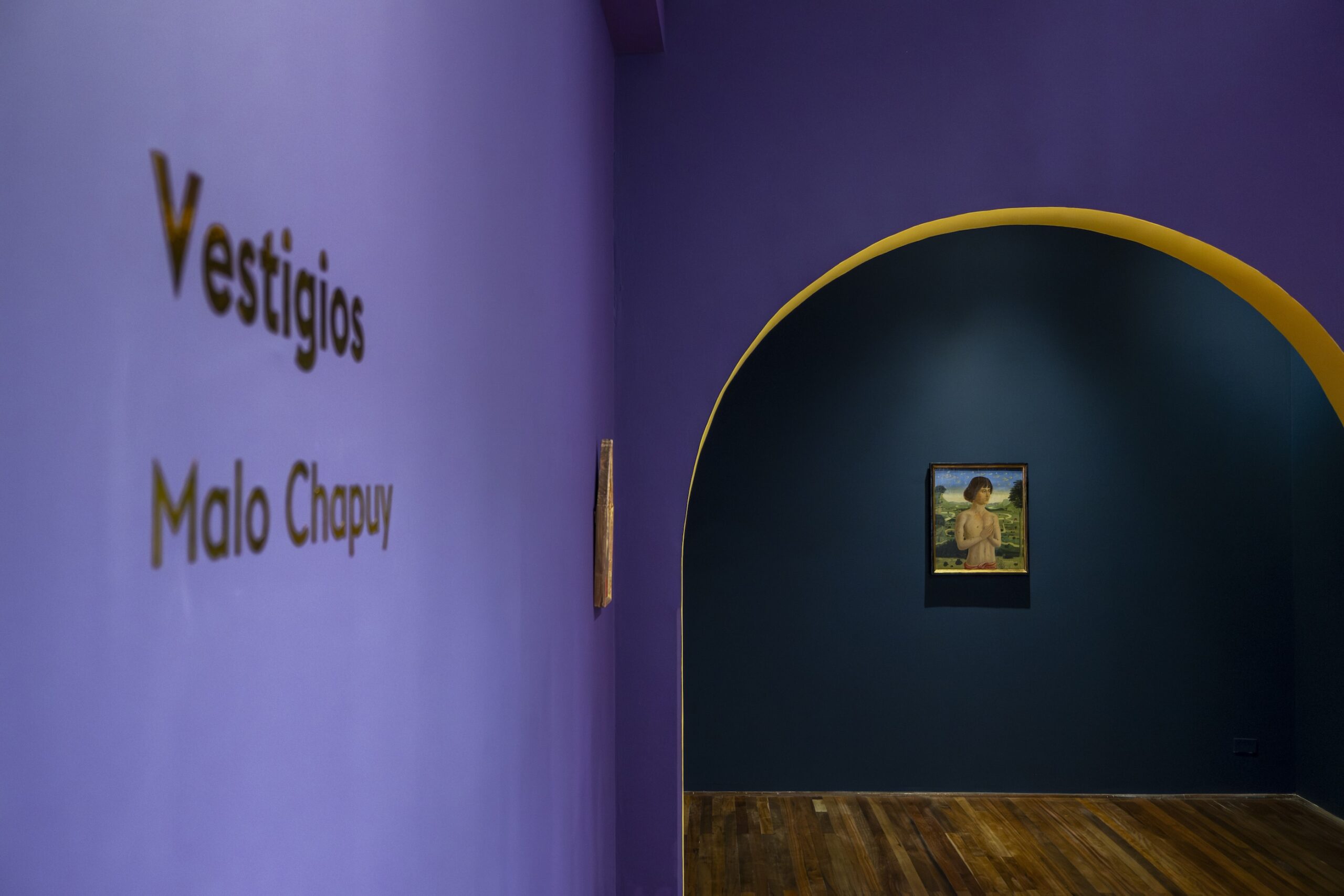
Vestigios
BOGOTA
SOLO SHOW
11.12.2025-07.03.2026
1. EXHIBITION TEXT
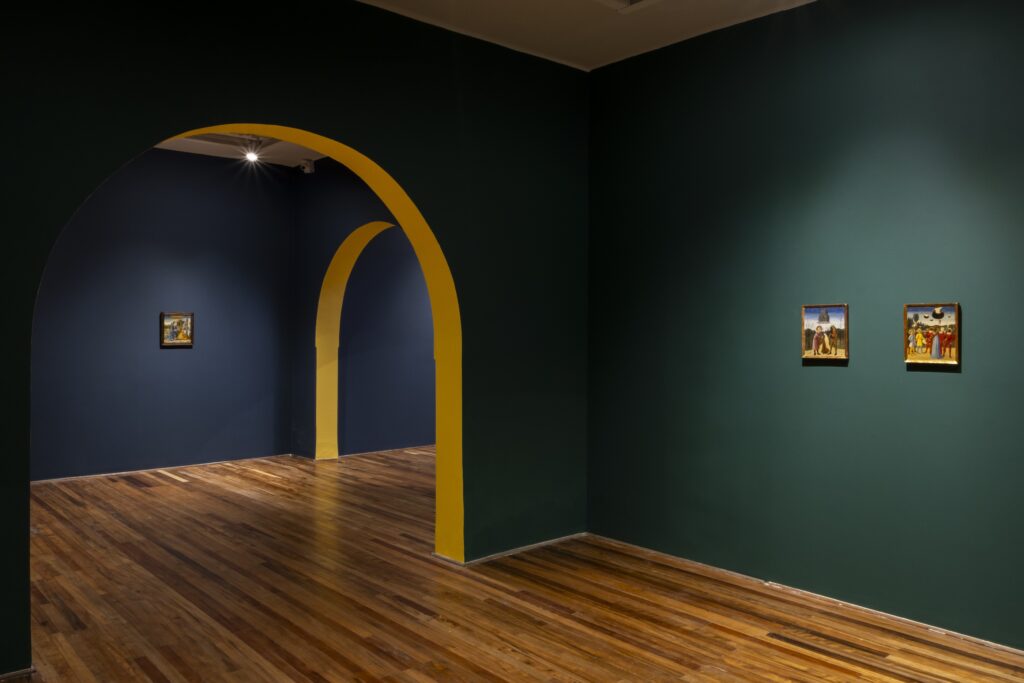
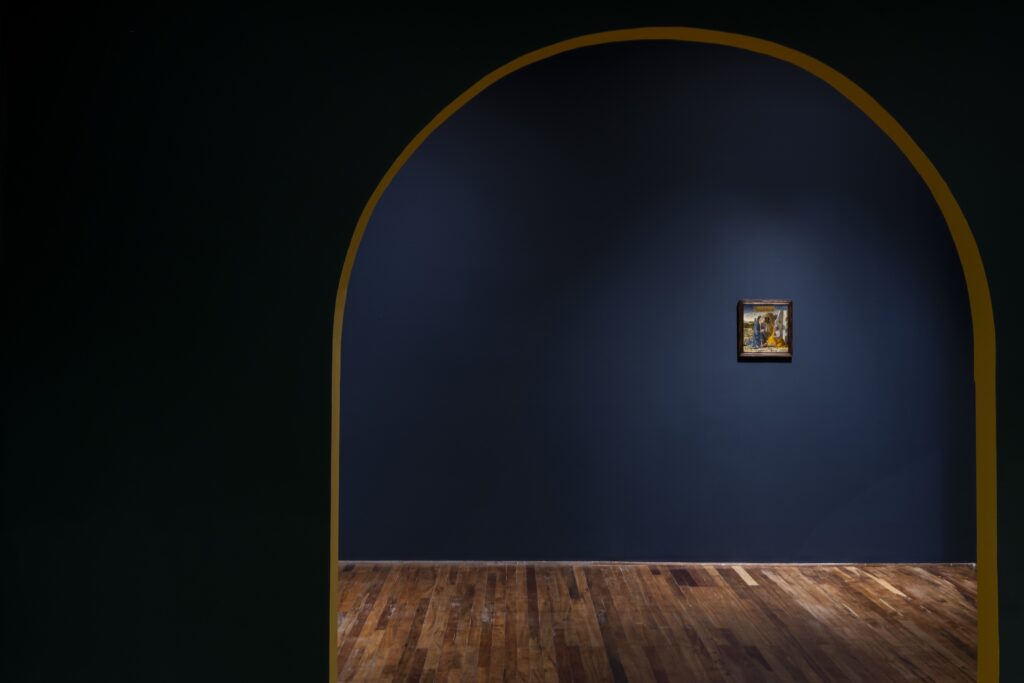
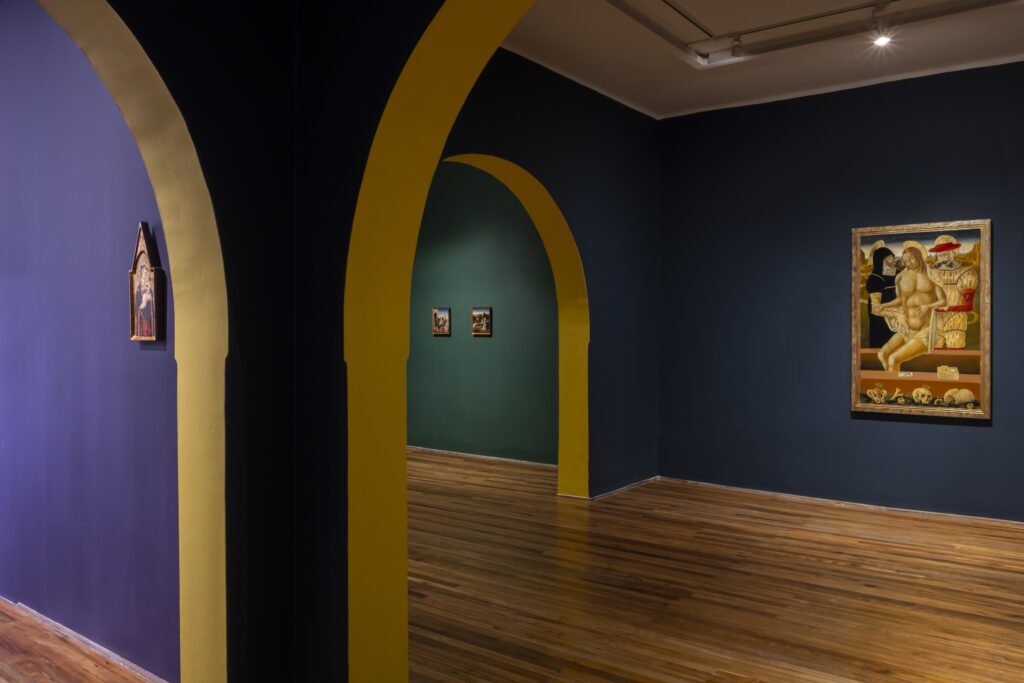
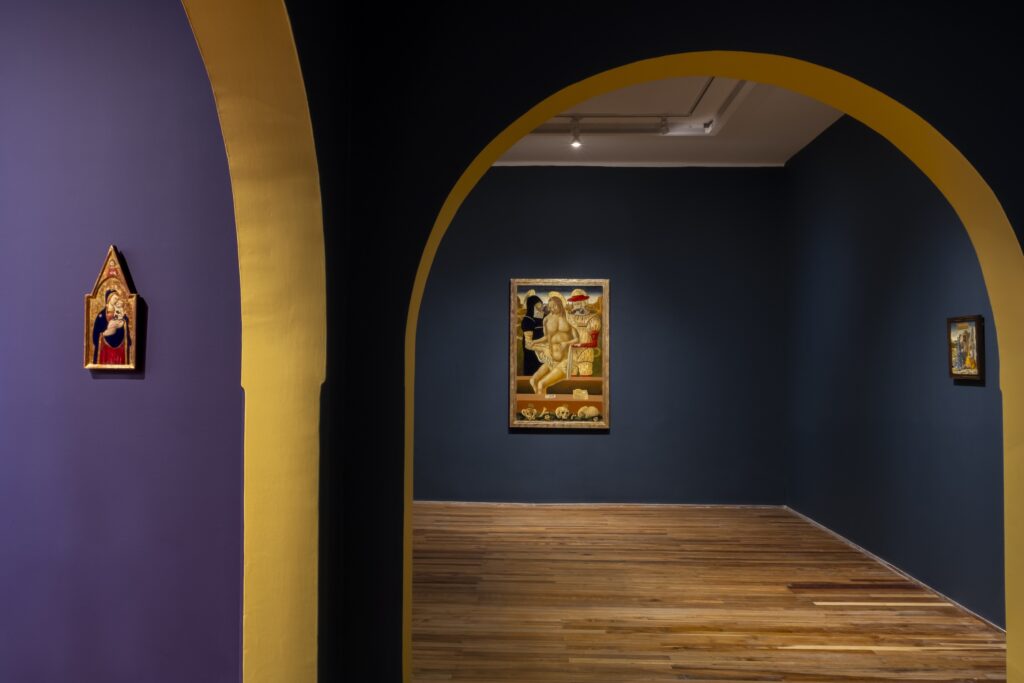
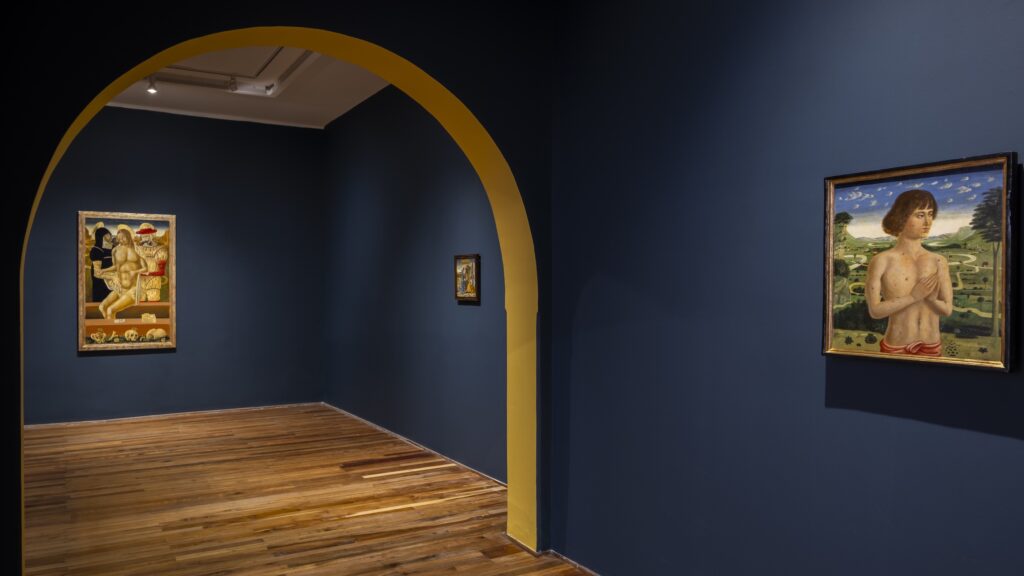
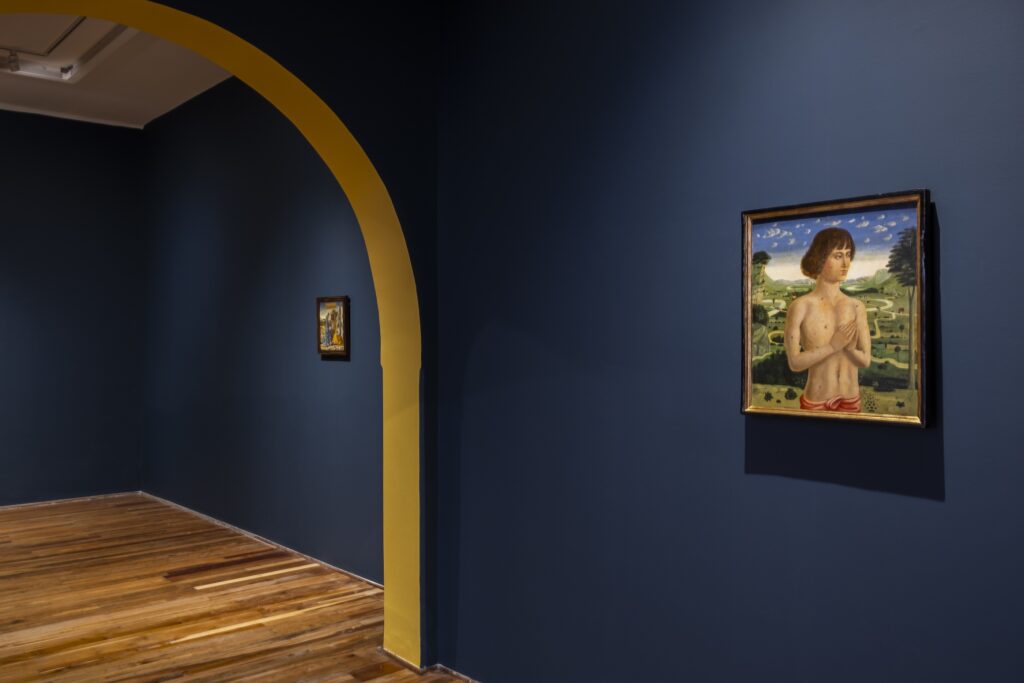
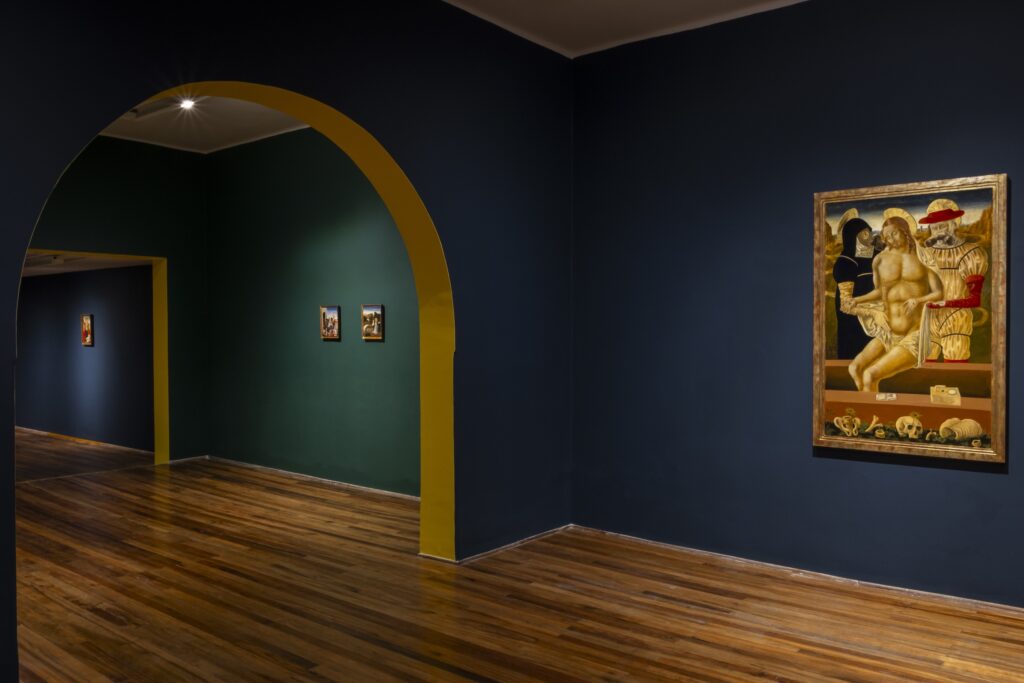
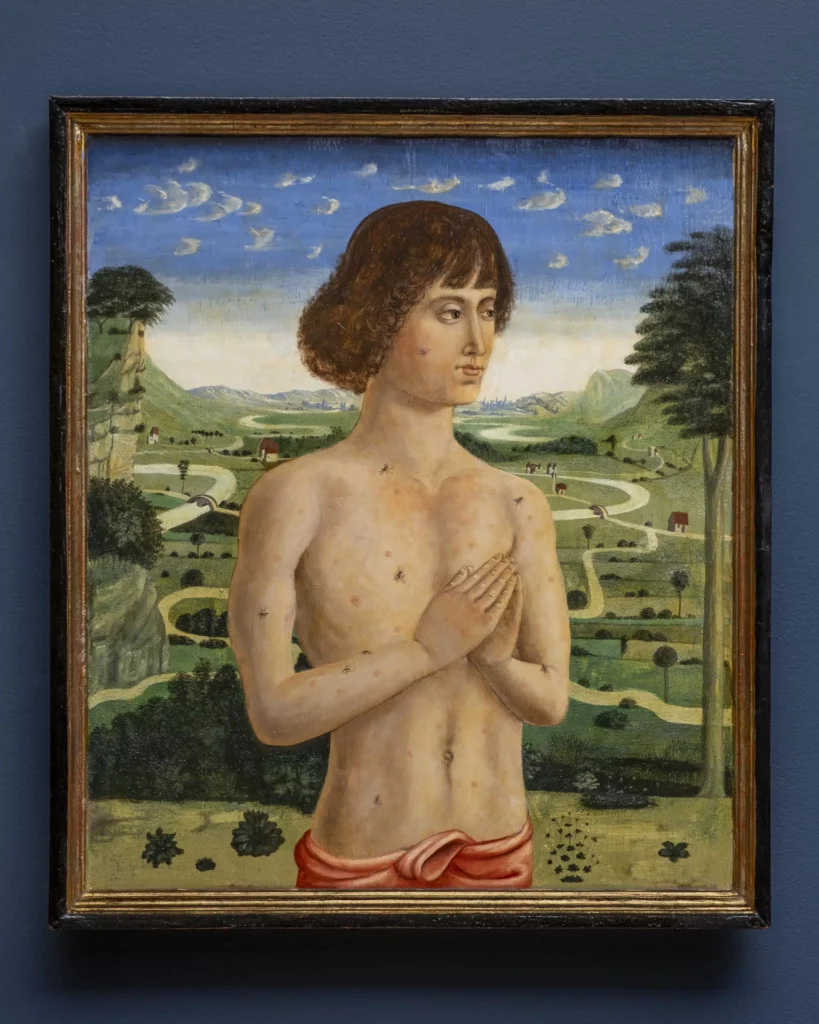
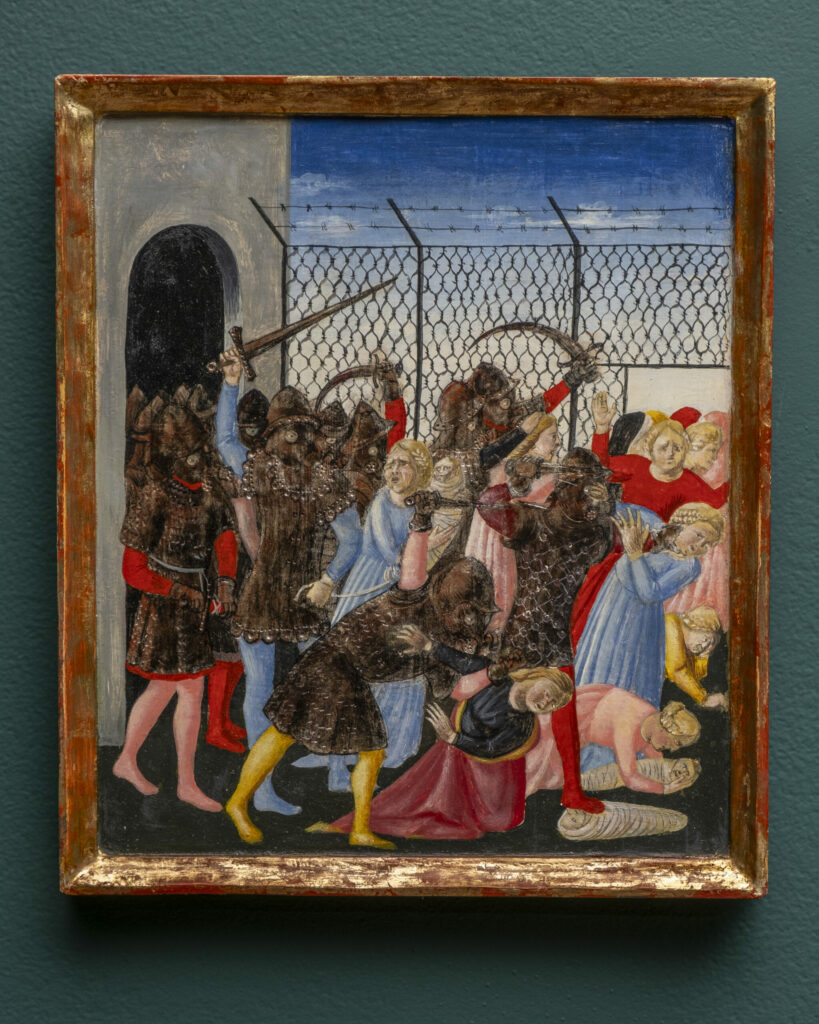
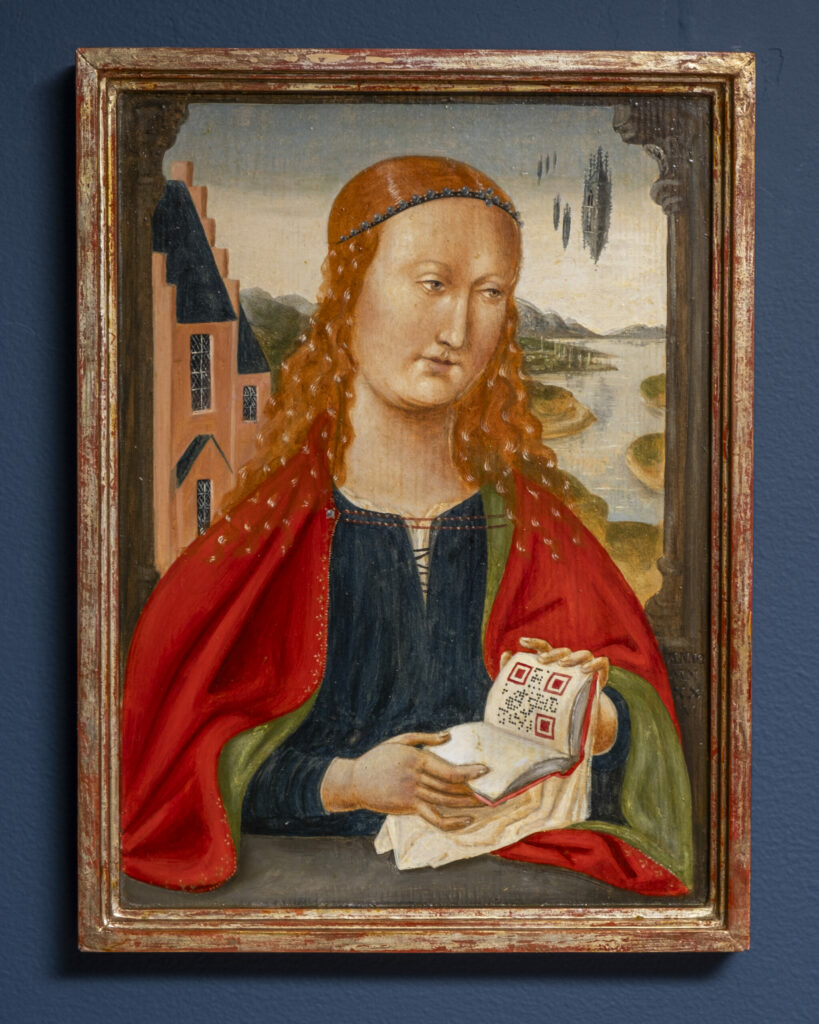
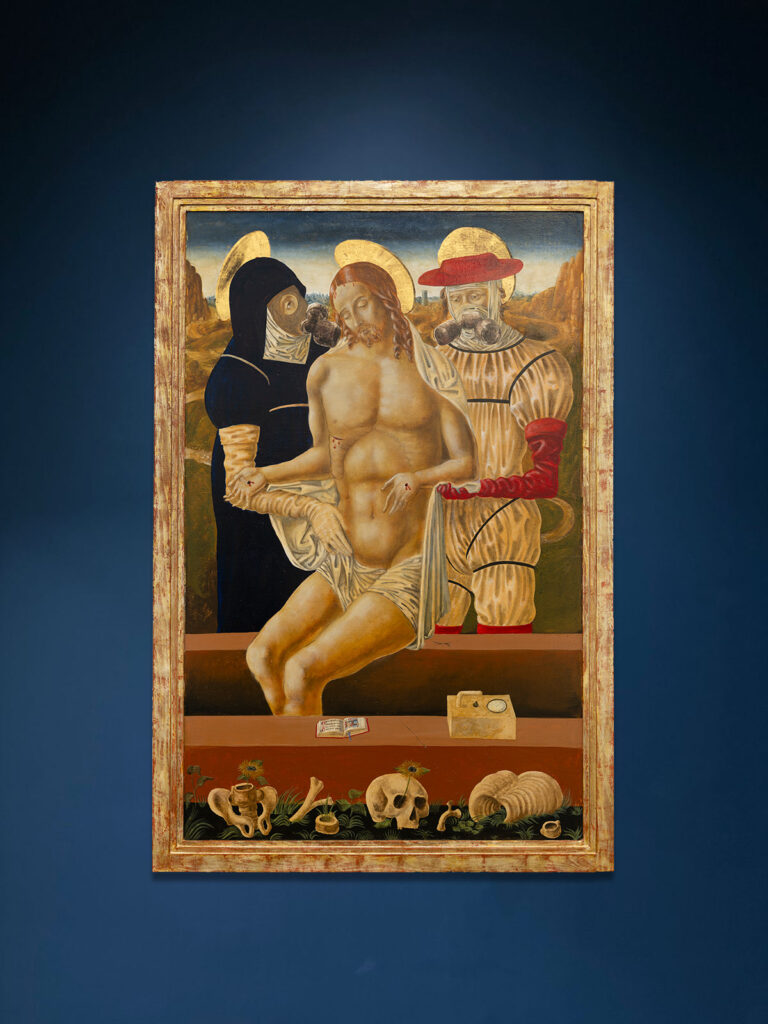
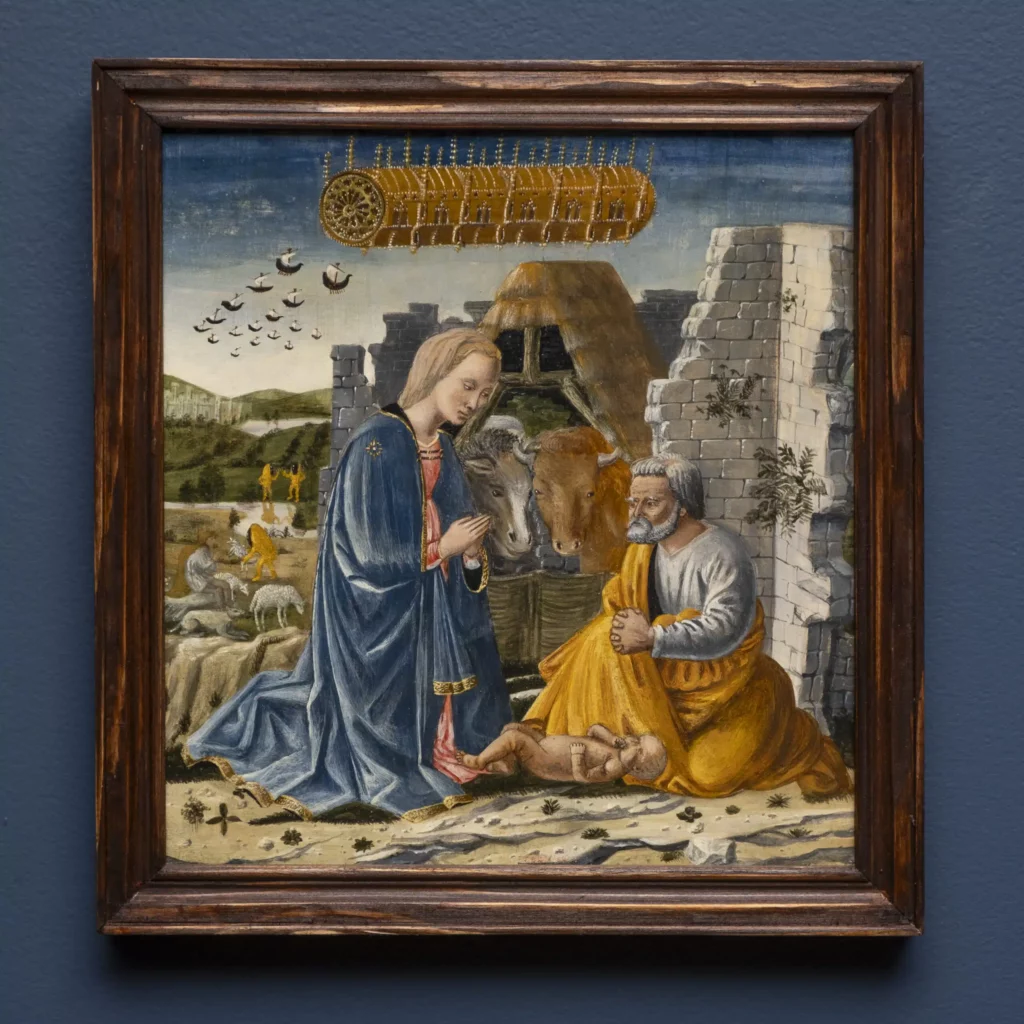
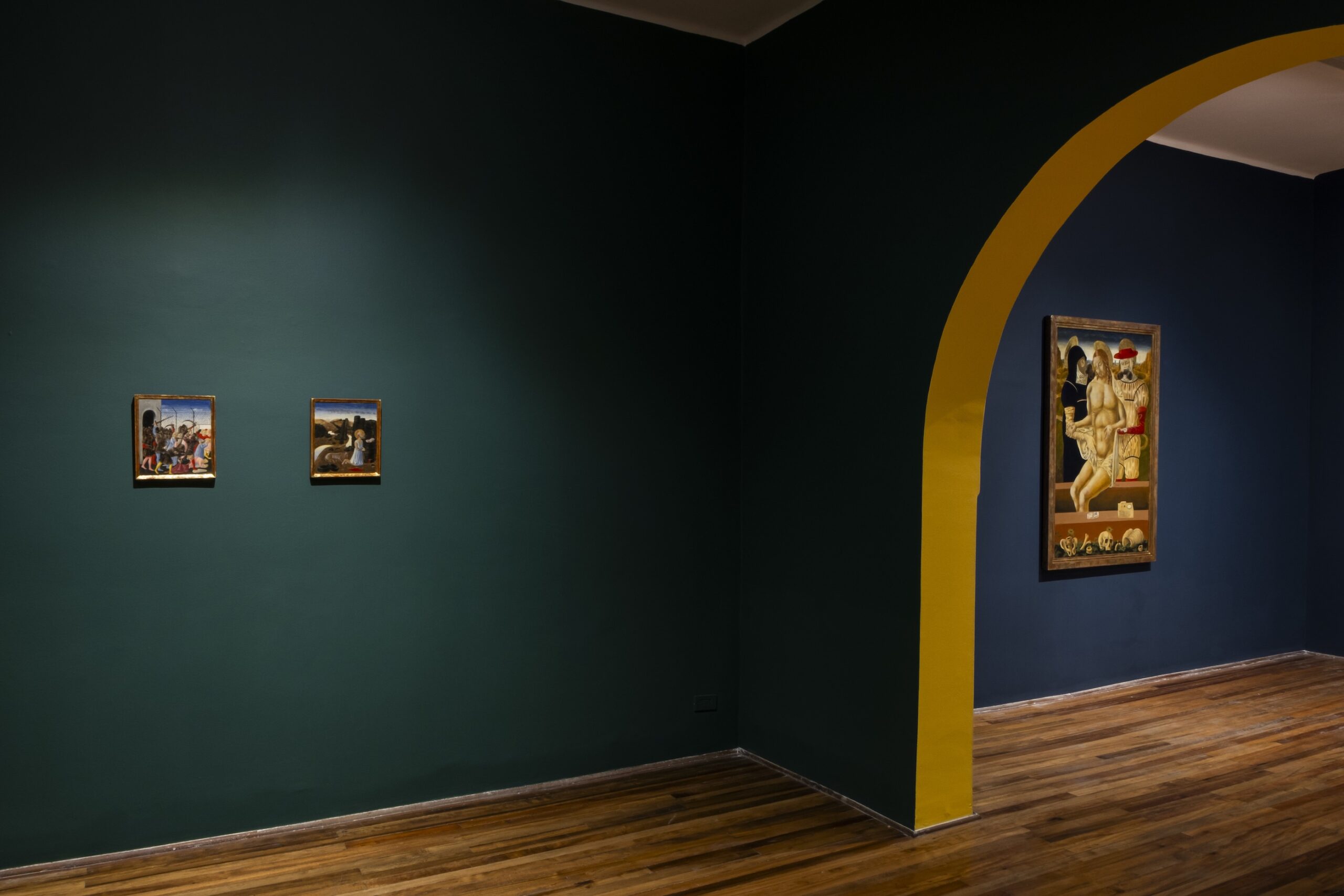
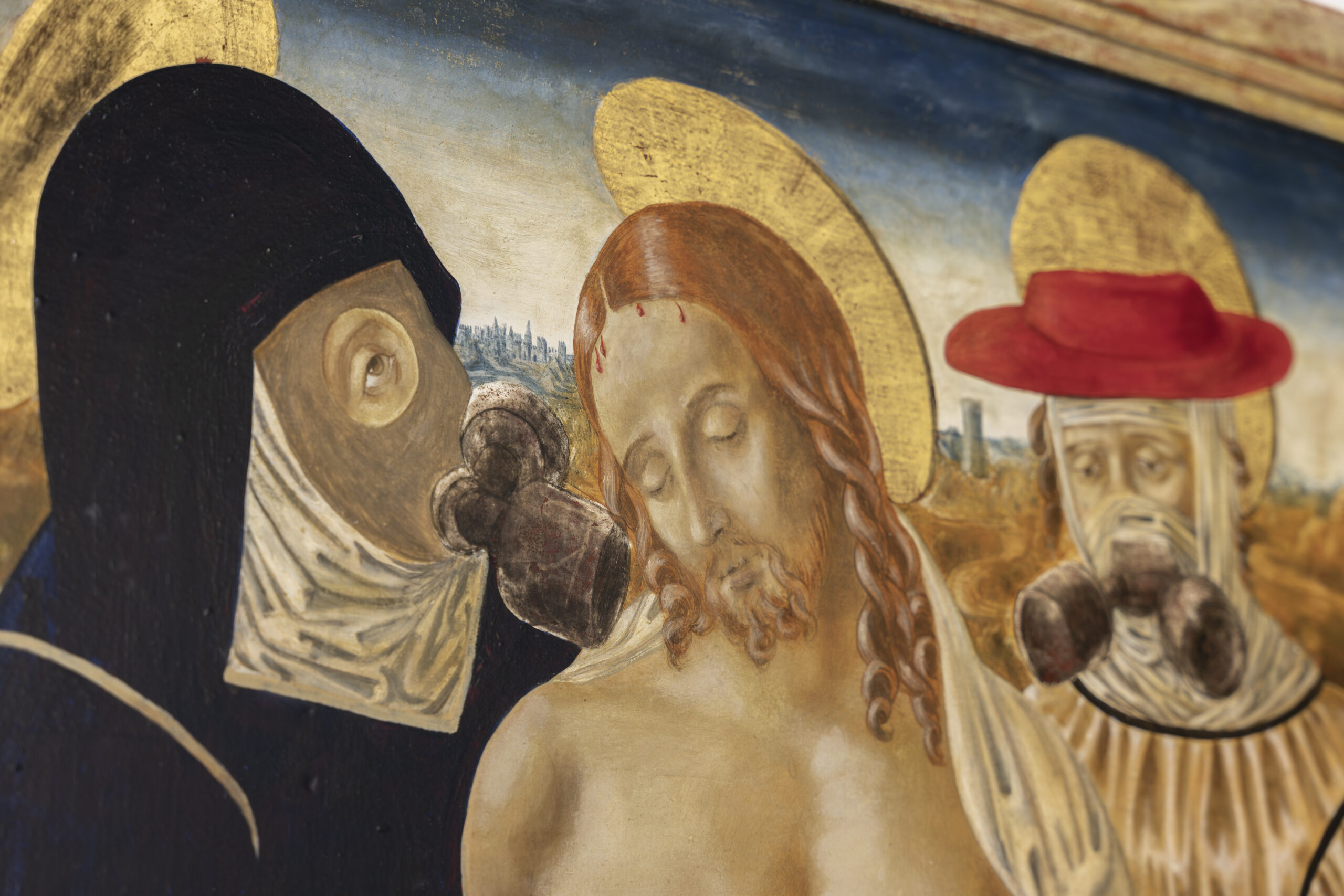
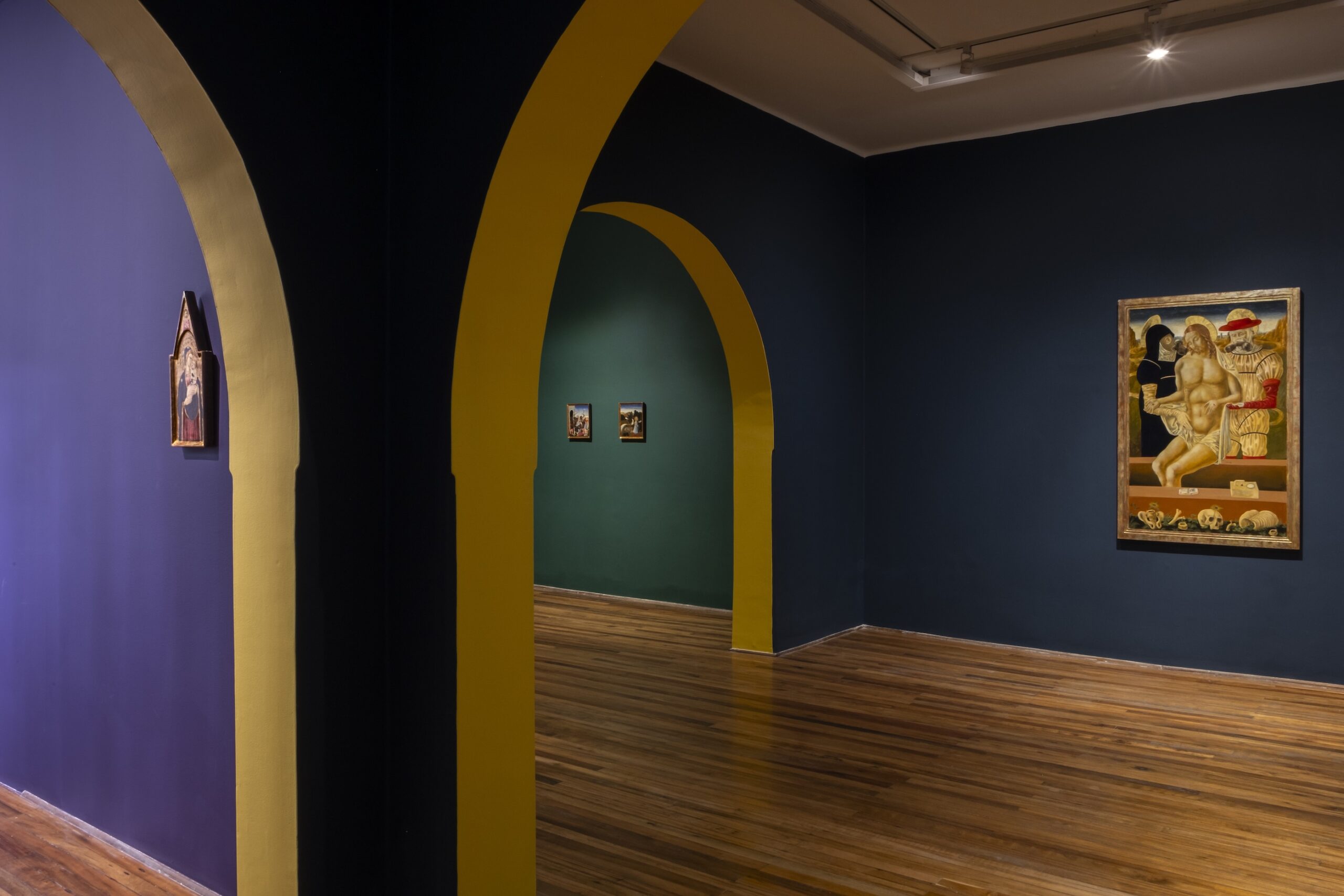
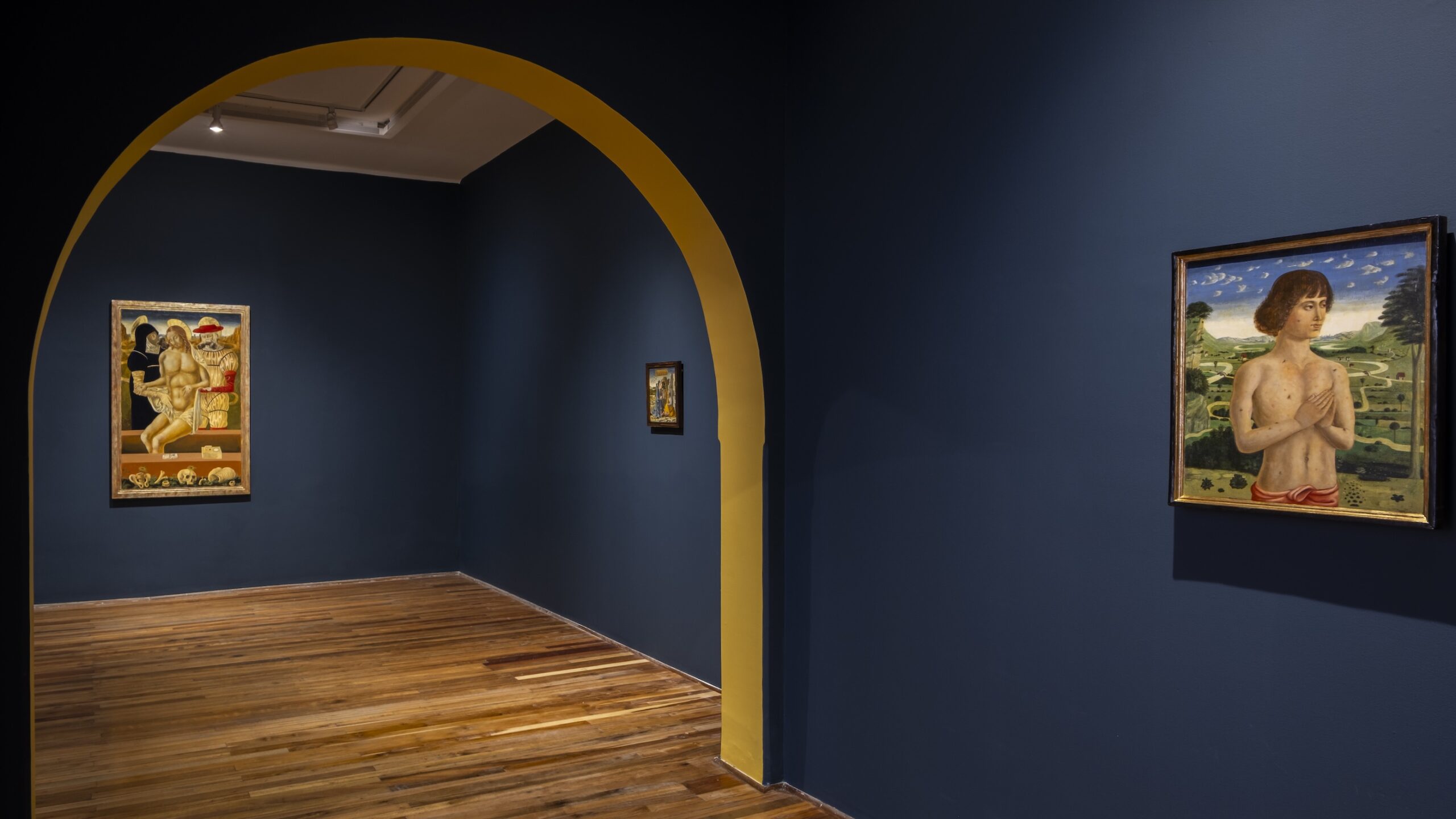
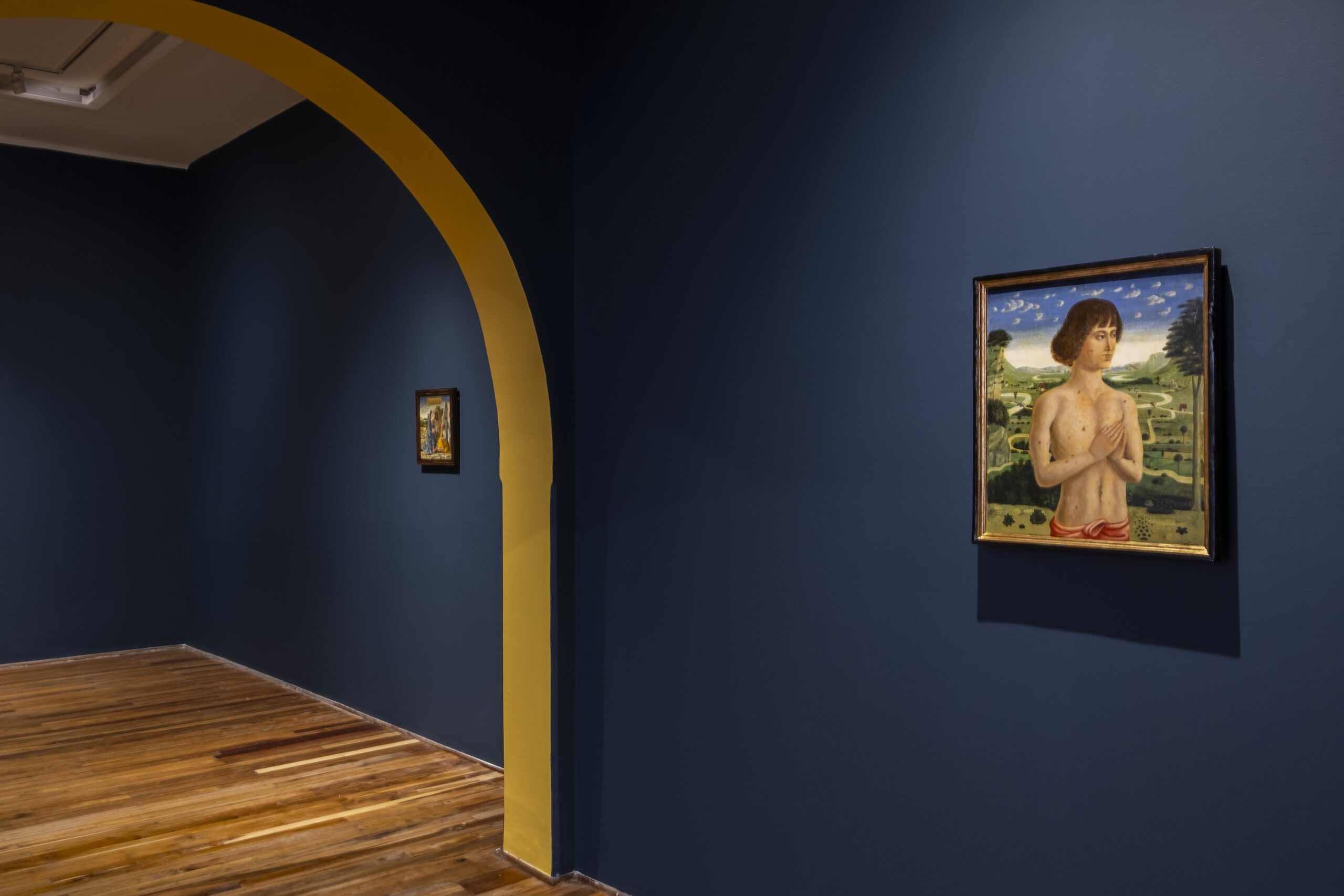
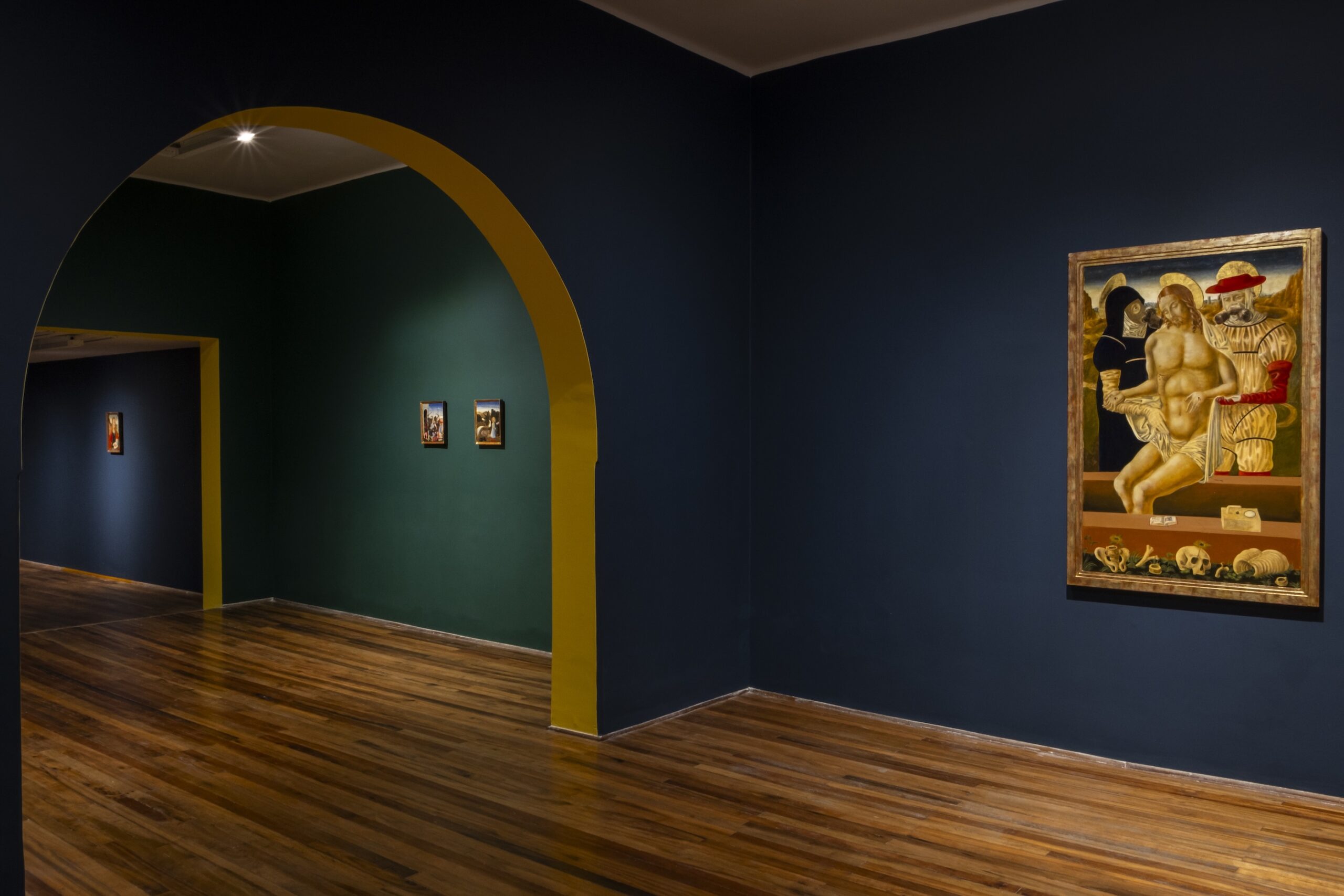
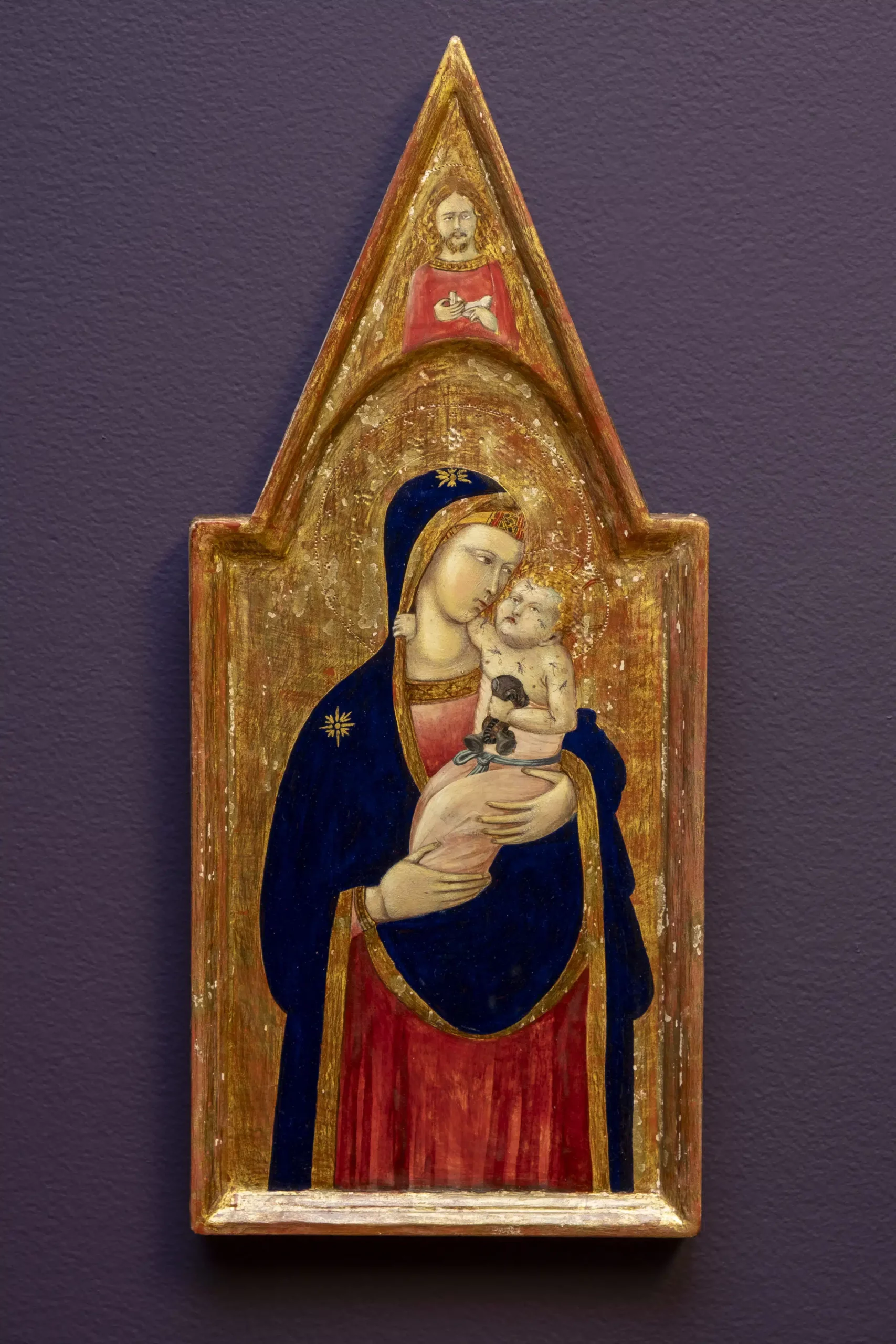
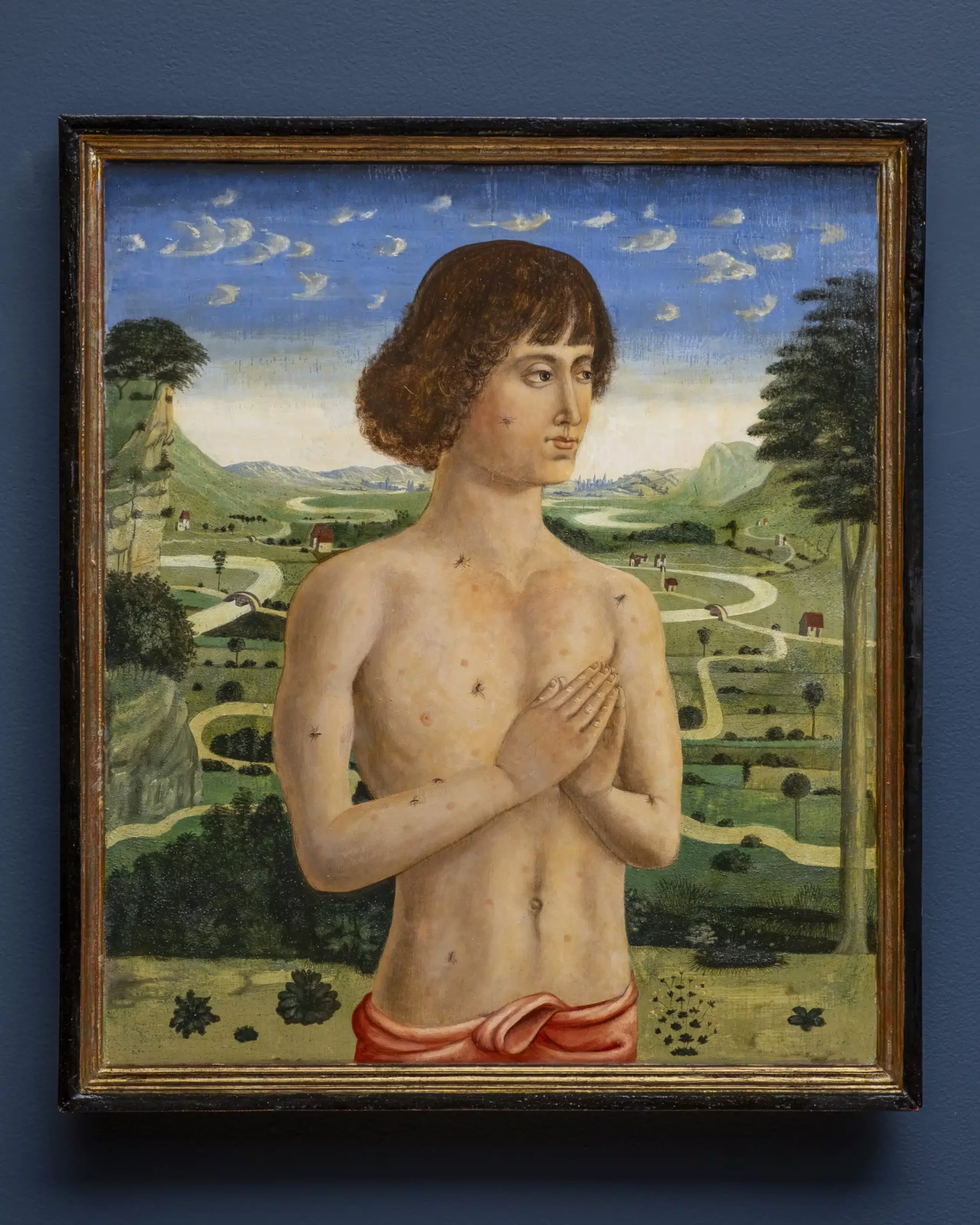
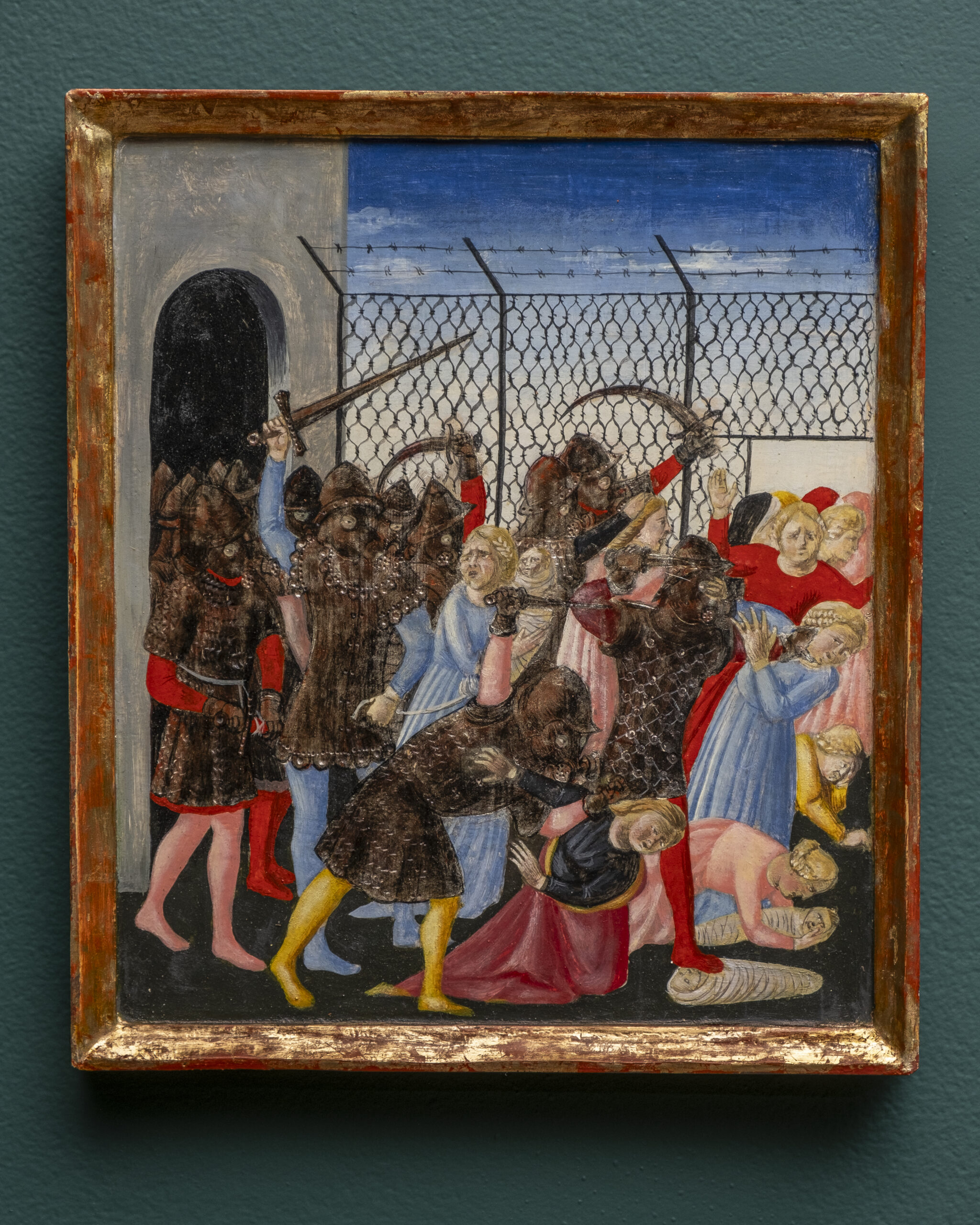
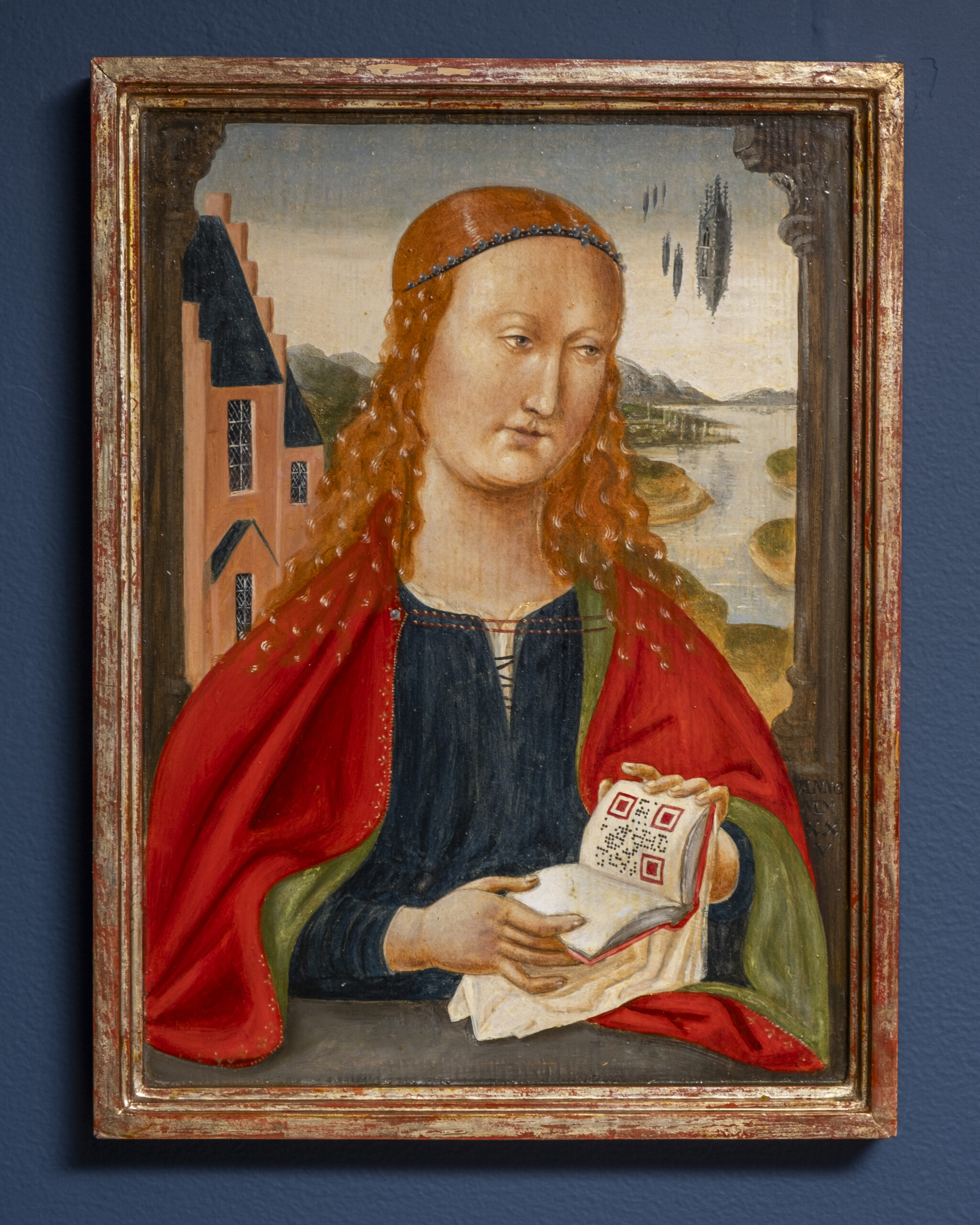
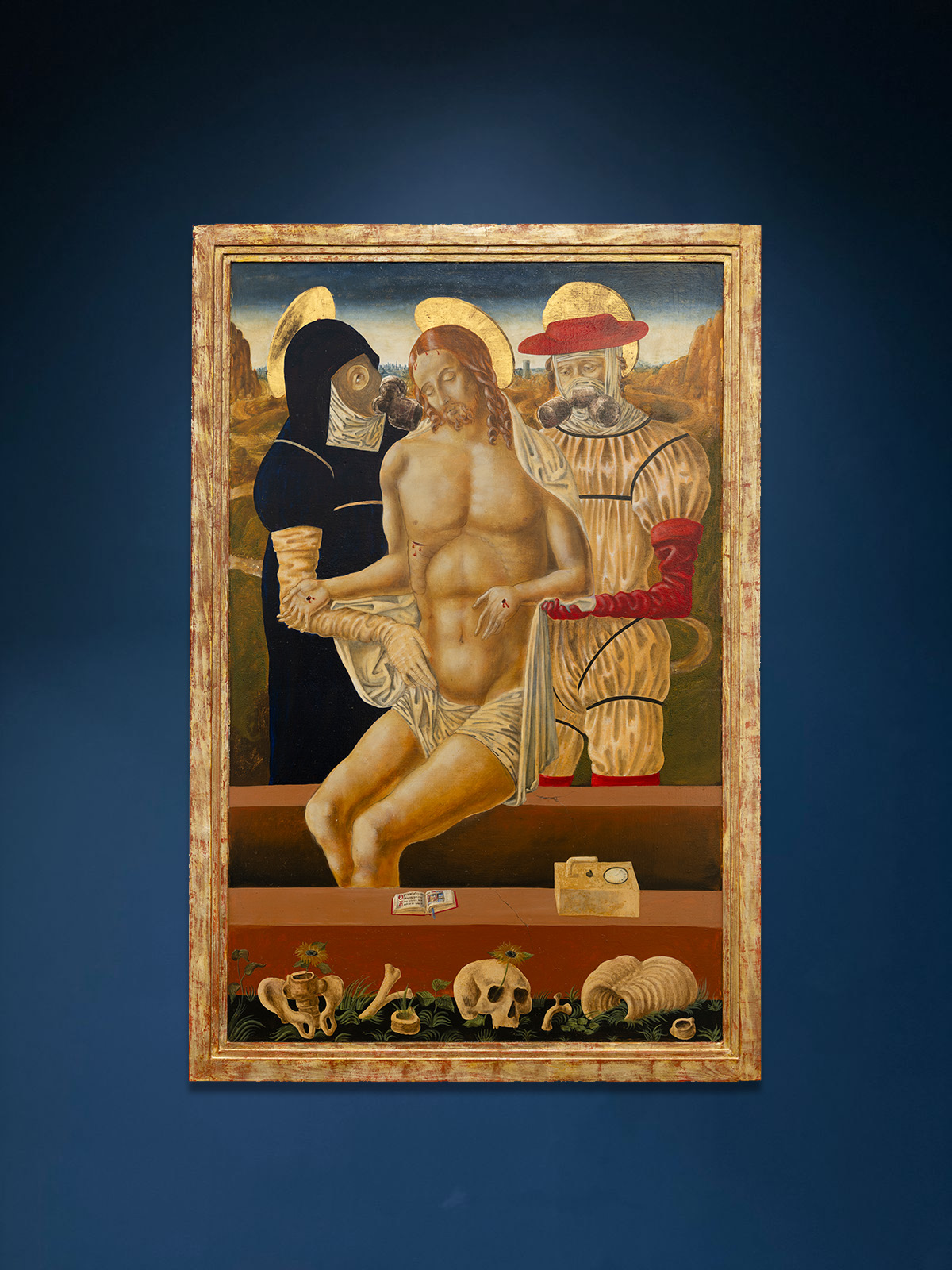
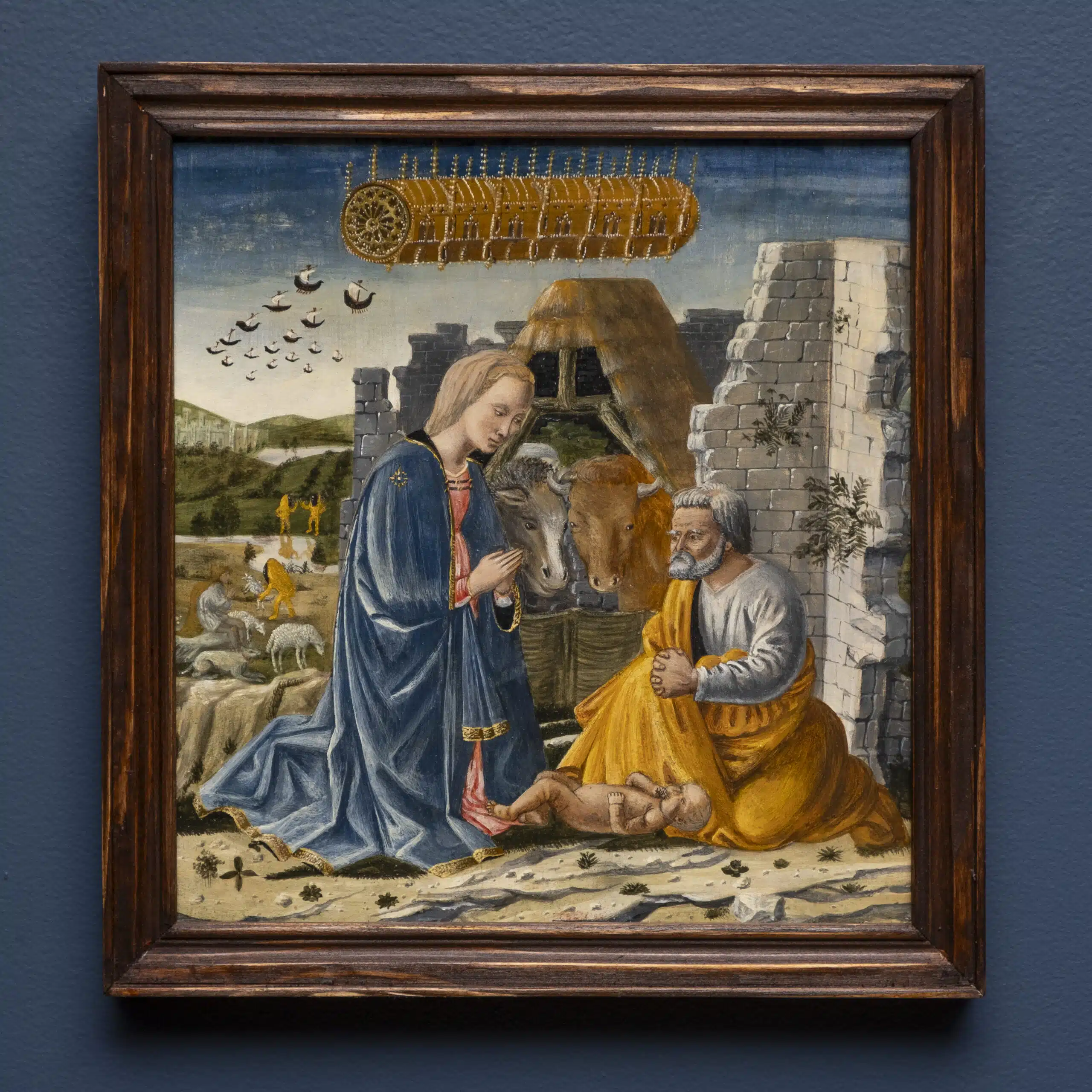
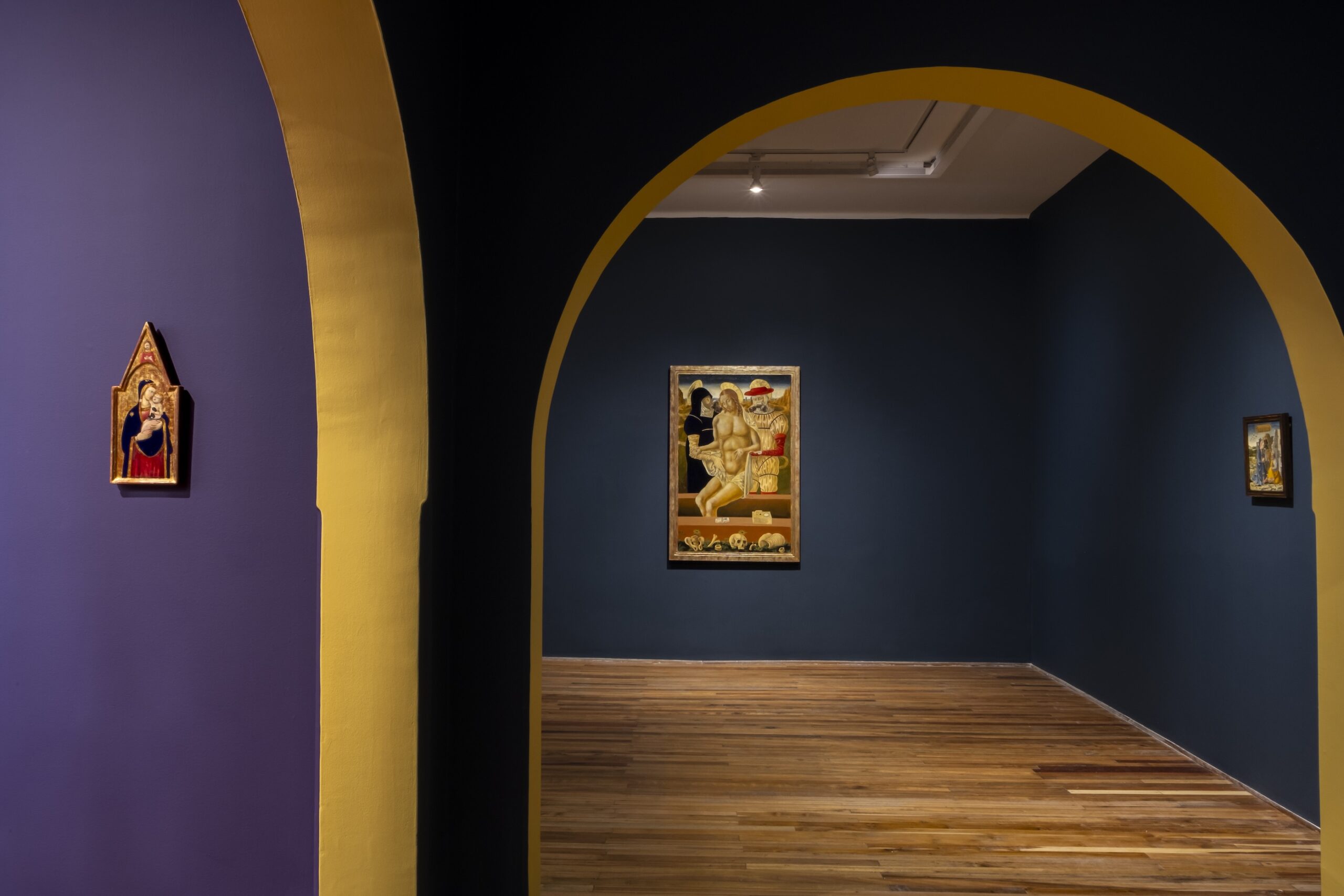
Malo Chapuy’s artistic practice (b. France, 1995) stems from a sharp curiosity about the visual languages of the late Middle Ages and the Renaissance. In Vestigios, his first solo exhibition in Latin America, Chapuy draws on these pictorial languages and places them in dialogue with contemporary themes, creating works that—although they appear to have been rescued from centuries past—aim to confront the solemnity of pictorial tradition with the signs, gestures, and anxieties of the present. Vestigios continues the artist’s previous explorations, returning to the idea of a “new medieval era” emerging after the collapse of our civilization. Inspired by Flemish and Renaissance painters of the 14th and 15th centuries, Chapuy creates pieces that suggest a distant or faint memory of the Apocalypse and its consequences: the death of the poor, the exile of the wealthy, the destruction of the Earth, and the struggle for resources.
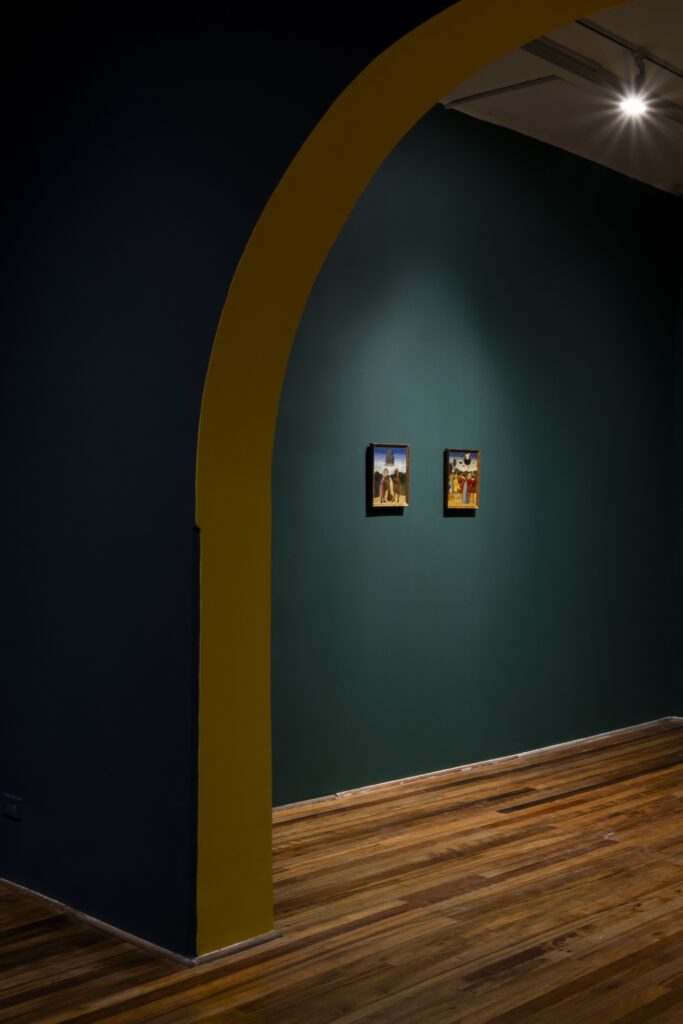
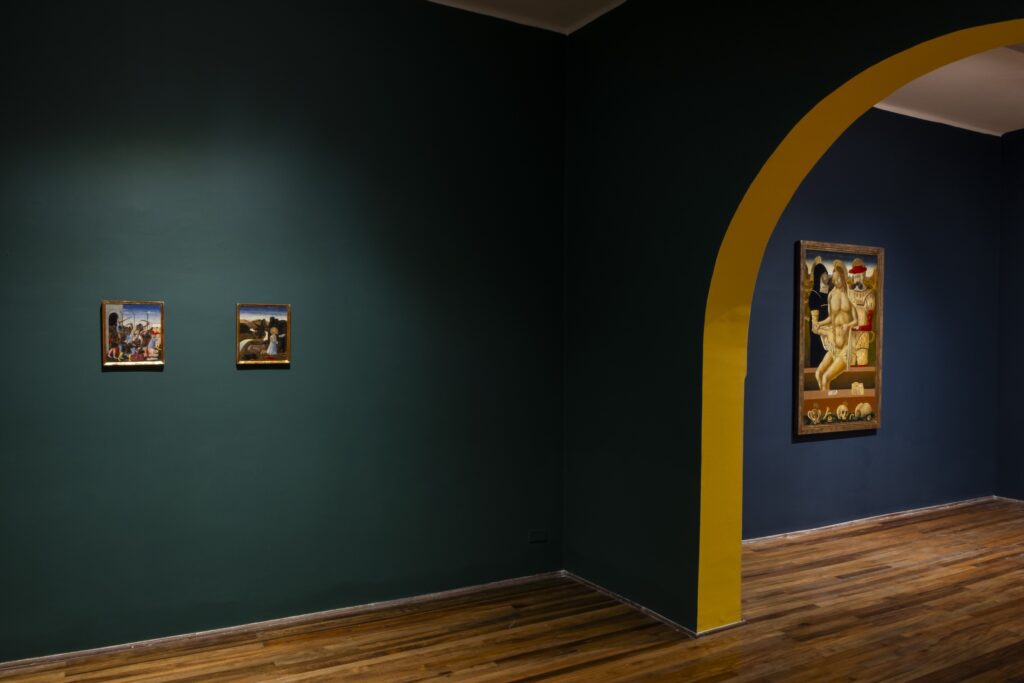
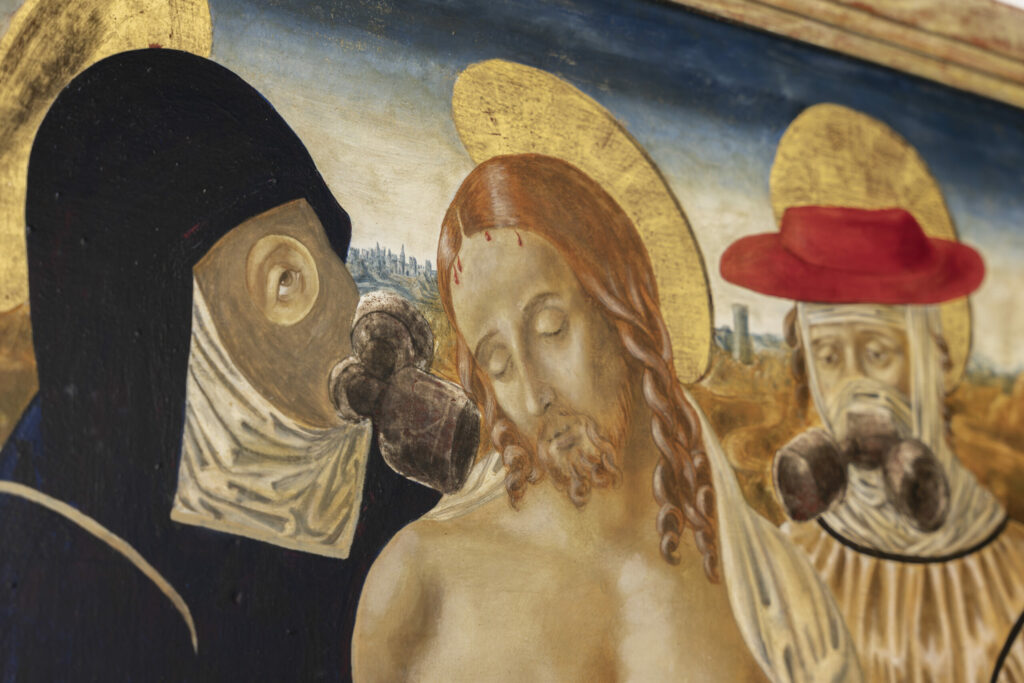
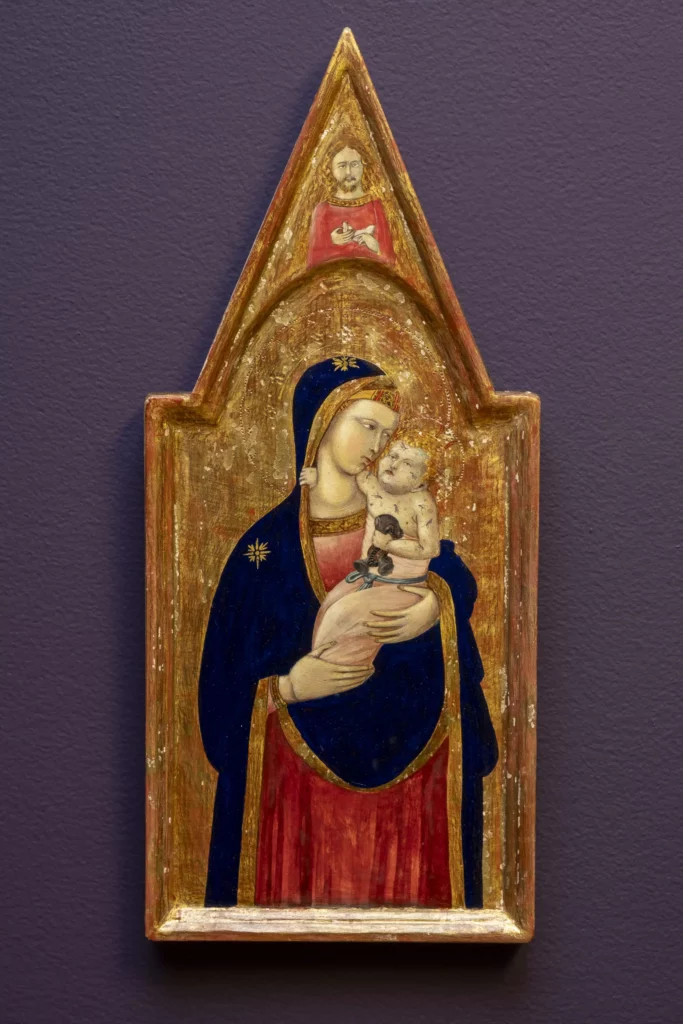
Oscillating between pastiche and allegory, Chapuy’s paintings question the fragility of our civilization through scenes imbued with mysticism and contemporary references. The technical precision of the old masters intersects with a dark clarity about our present, where signs of the sacred persist within a decomposed world. His compositions, like fictional relics worn and cracked with age, unfold
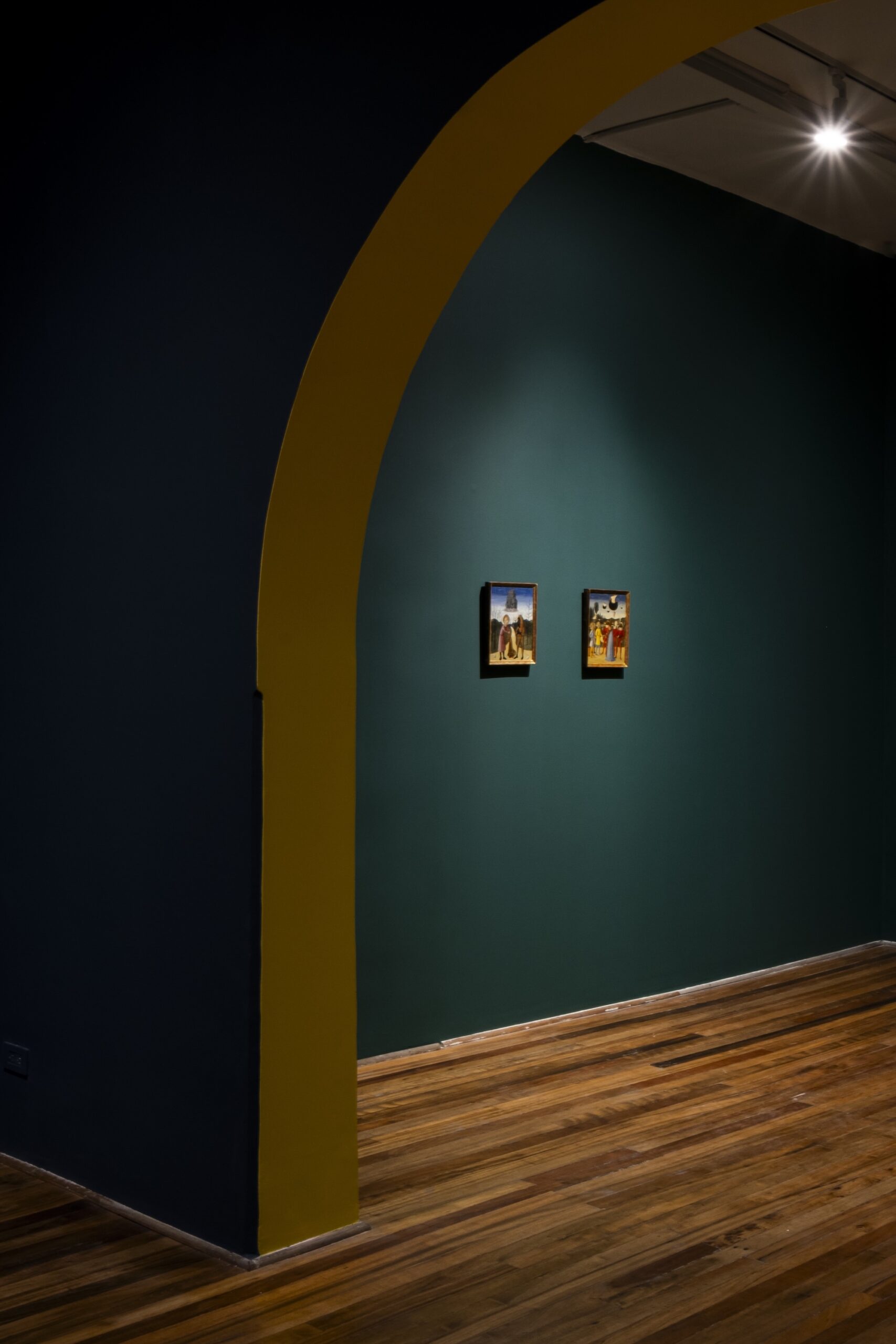
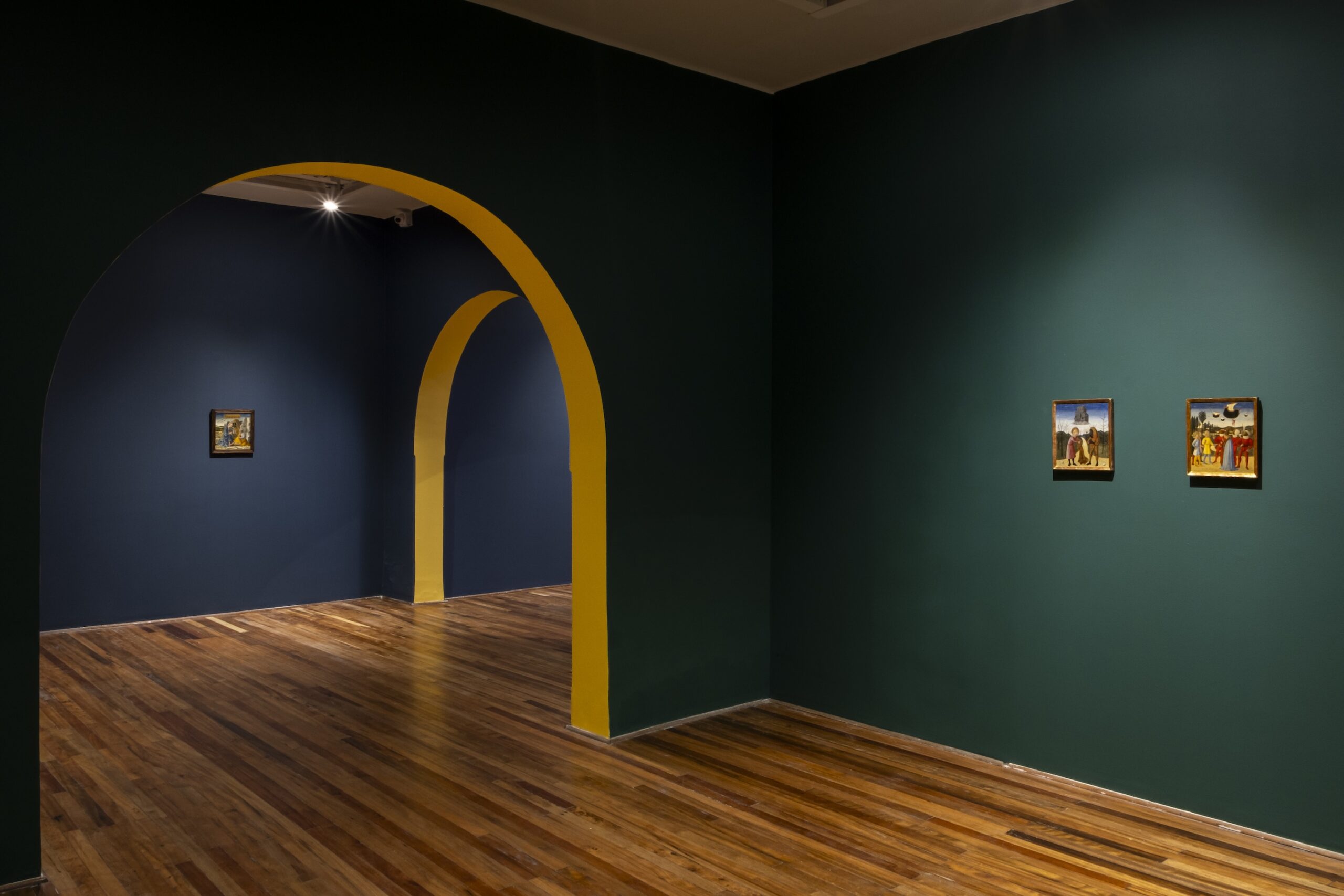
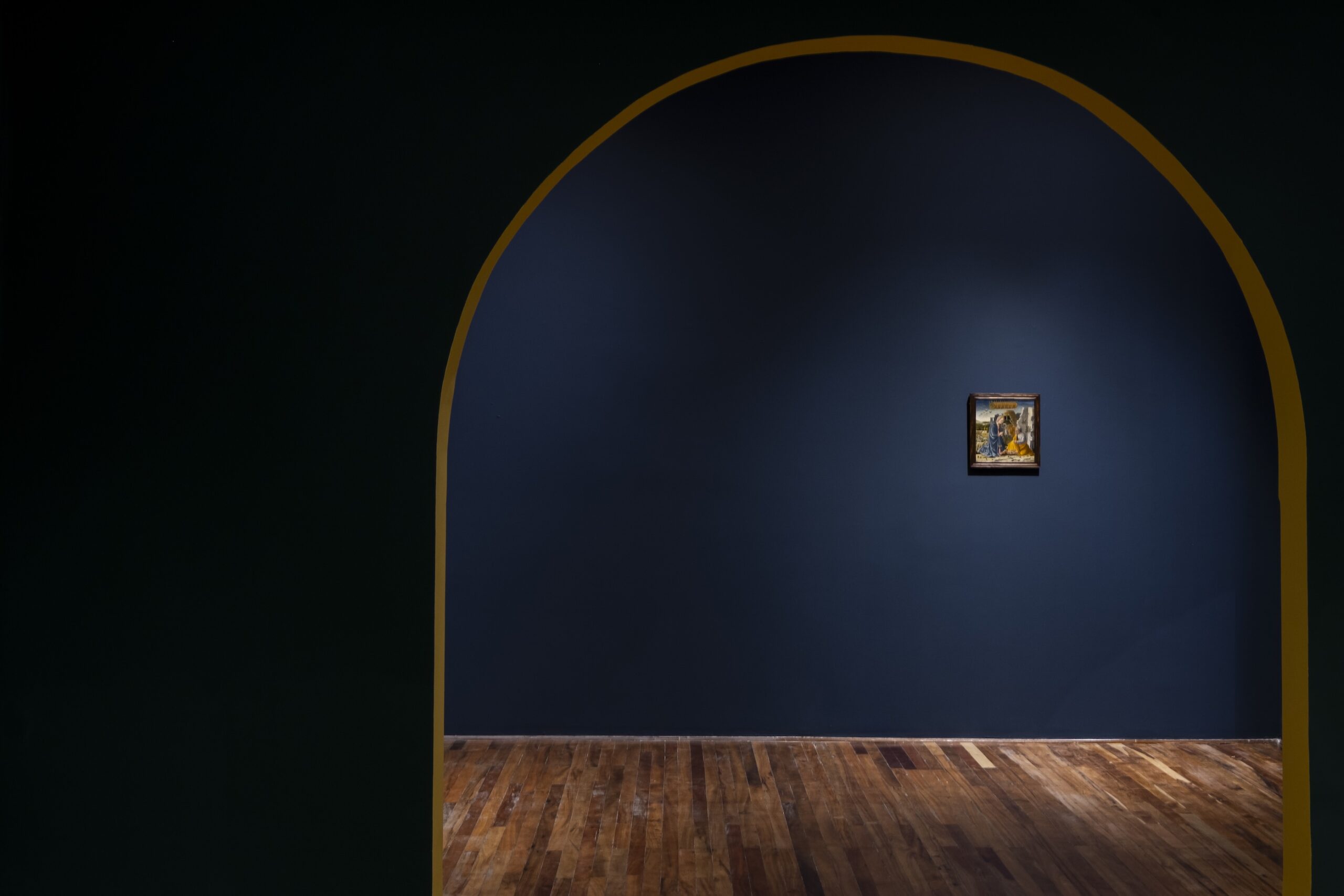
as fragments of a past that never existed or of a future on the verge of emerging. Each detail invites a double reading; each image sits between prophecy and memory. Mostly small in format and marked by intentional ruptures in their supports that lend them the appearance of centuries-old objects, the pieces that make up Vestigios invite viewers to enter the visual riddles proposed by the artist, in which biblical and traditional elements are replaced by the ruins of our era—factories, nuclear plants, among others—and by objects still to come, such as spacecraft.
READ MORE
The exhibition reflects a conceptual inquiry into anachronism, understood as the misplacement of an object outside its proper temporal context. Deeply interested both in the pictorial tradition of the transition from Gothic to Renaissance art and in later figures— Bernd and Hilla Becher, Le Corbusier, Laurent Grasso, Pierre Huyghe, and authors Frank Herbert, Walter M. Miller, and Arthur C. Clarke— Chapuy deftly combines historical supports and aesthetics with lively, critical nods to the present moment. The works on view form a visual exchange that interlaces different temporalities, creating provocative juxtapositions between past and present. The apocalyptic elements they depict become contemporary variations of those described in the Bible and in medieval painting: clouds of mosquitoes, radiation poisoning, pollution, and ecological catastrophes are represented in the same manner as plagues, famines, and pestilence in Gothic art. With a broad repertoire of artistic references, Chapuy ultimately brings art history face to face with the present, highlighting the discrepancies that persist within the realm of contemporary art.