CHEN CHING-YUAN
Nightwalking Square
(Unfinished Sympathy)
BOGOTA
SOLO SHOW
25.04.2025-30.08.2025
1. EXHIBITION TEXT
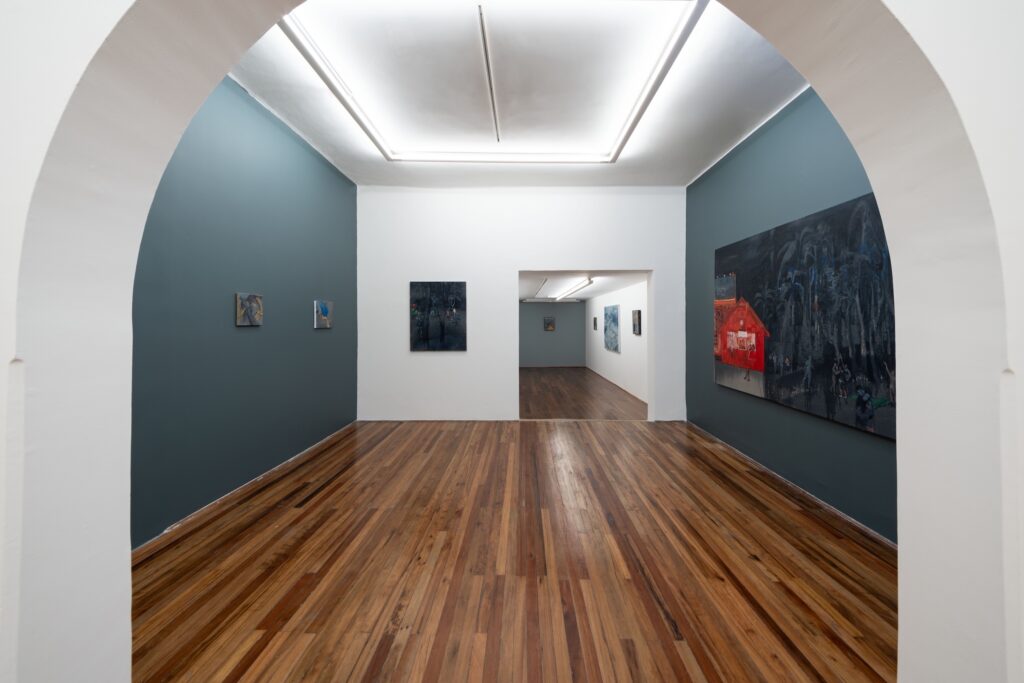
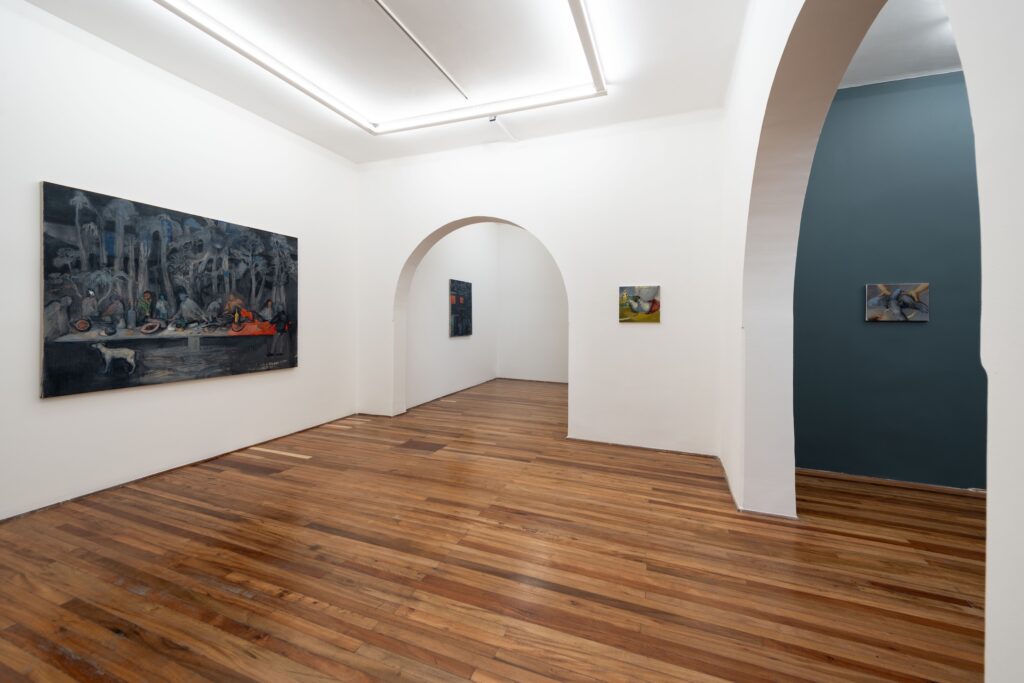
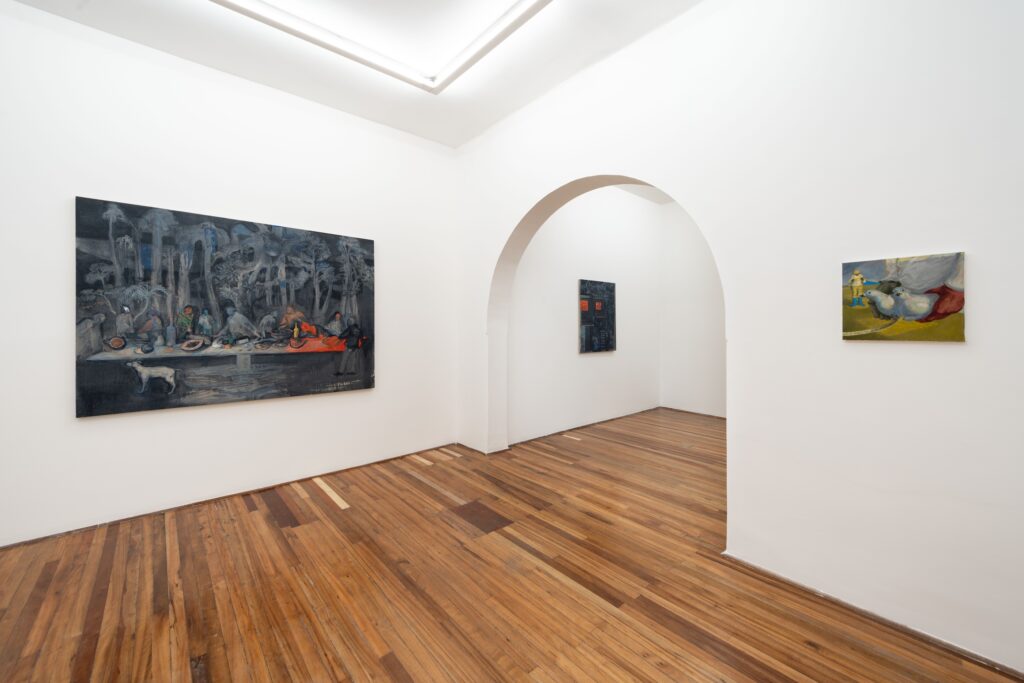
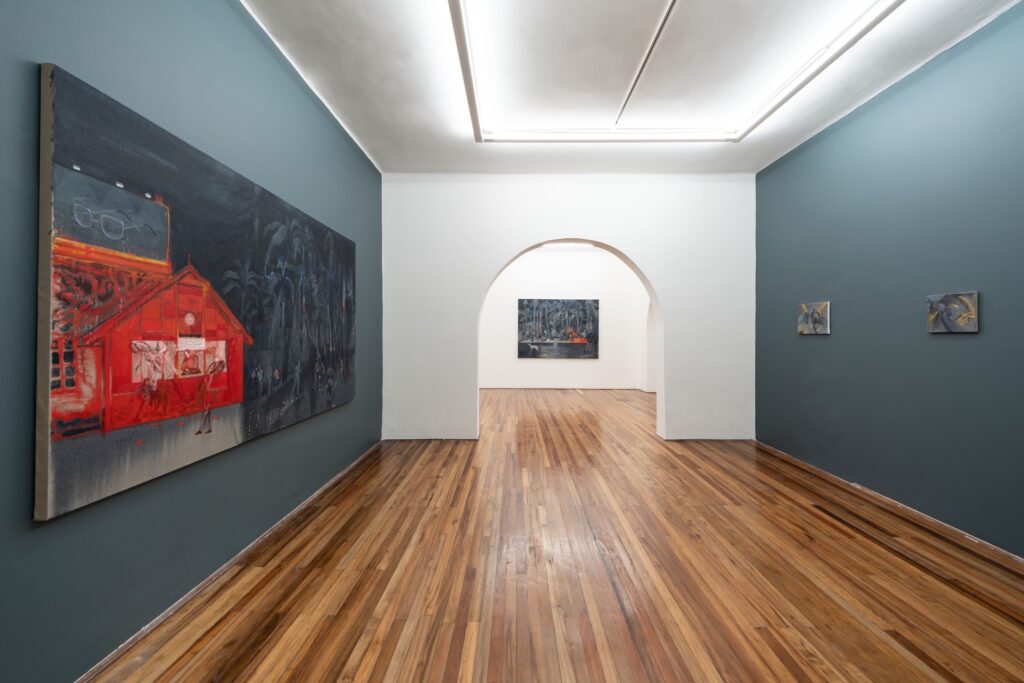
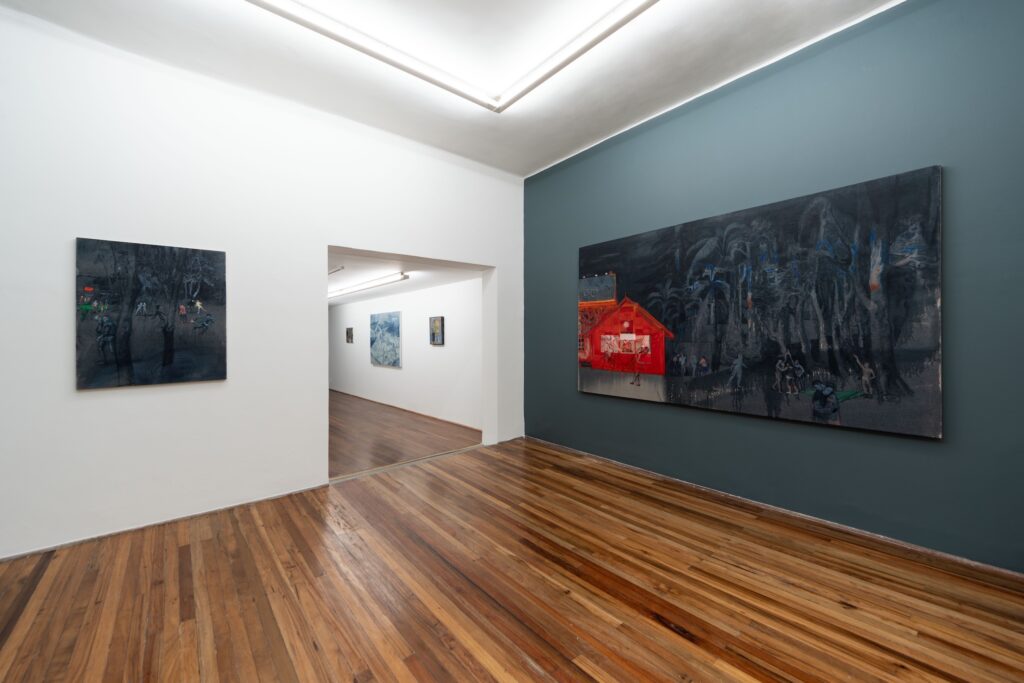
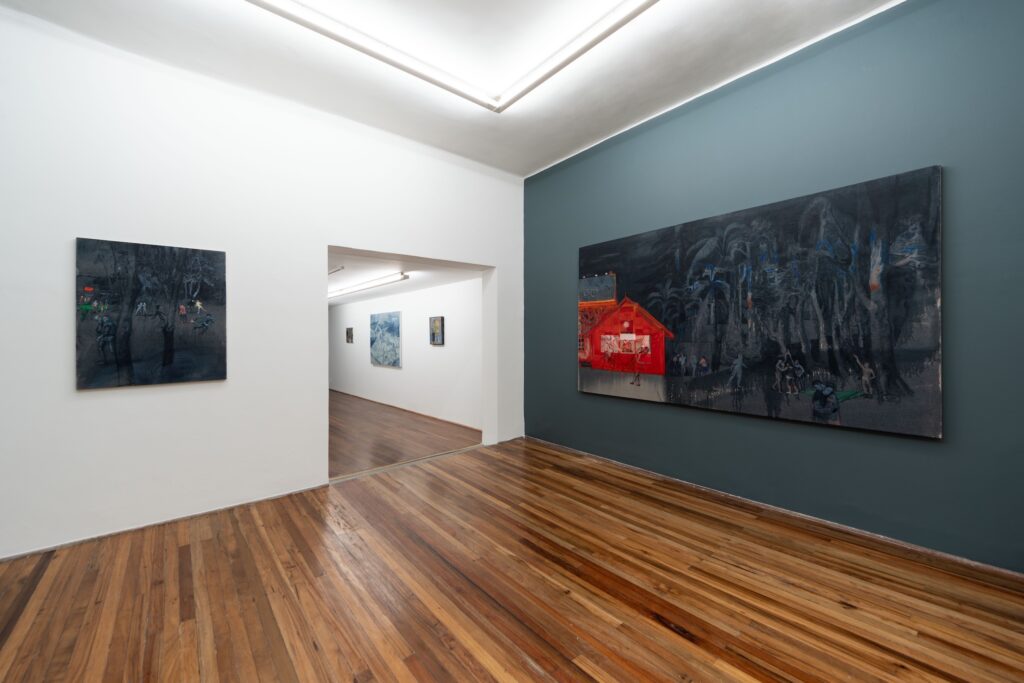
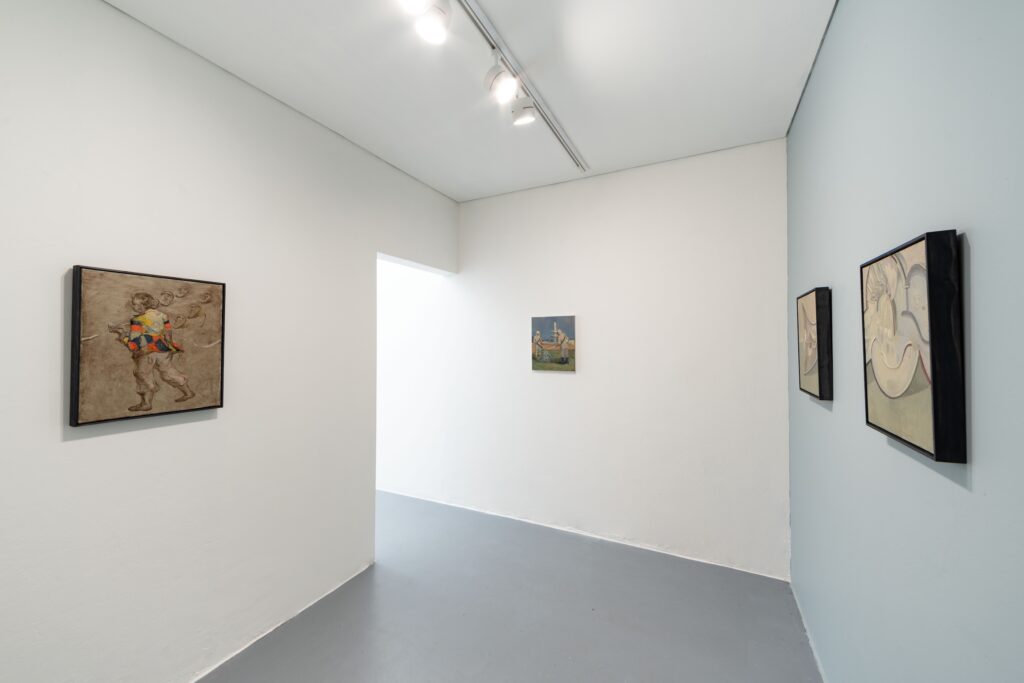
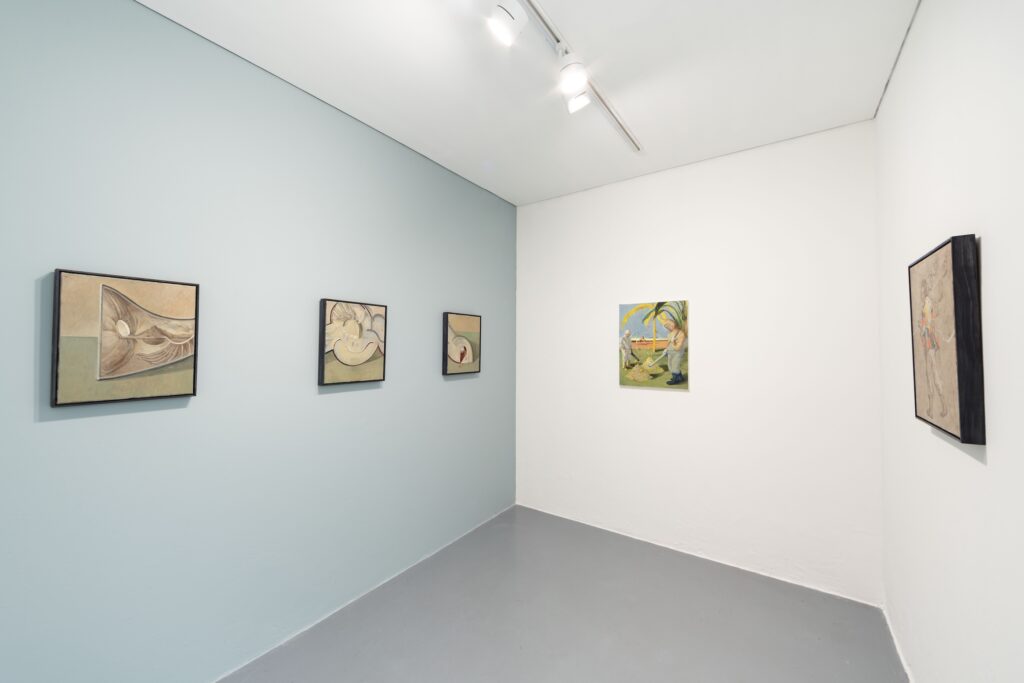
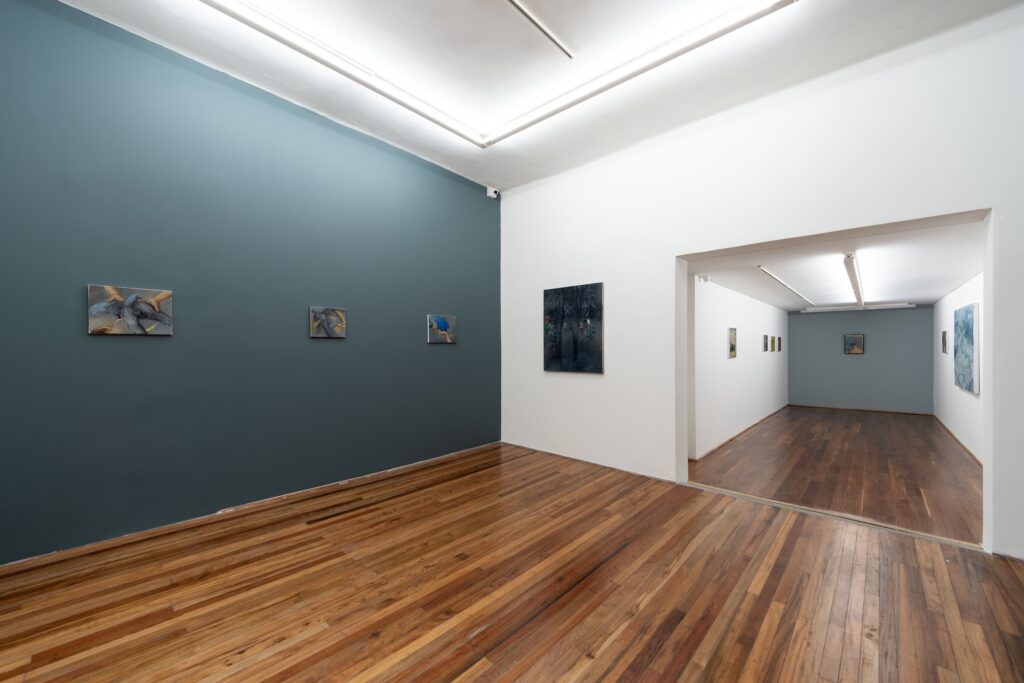
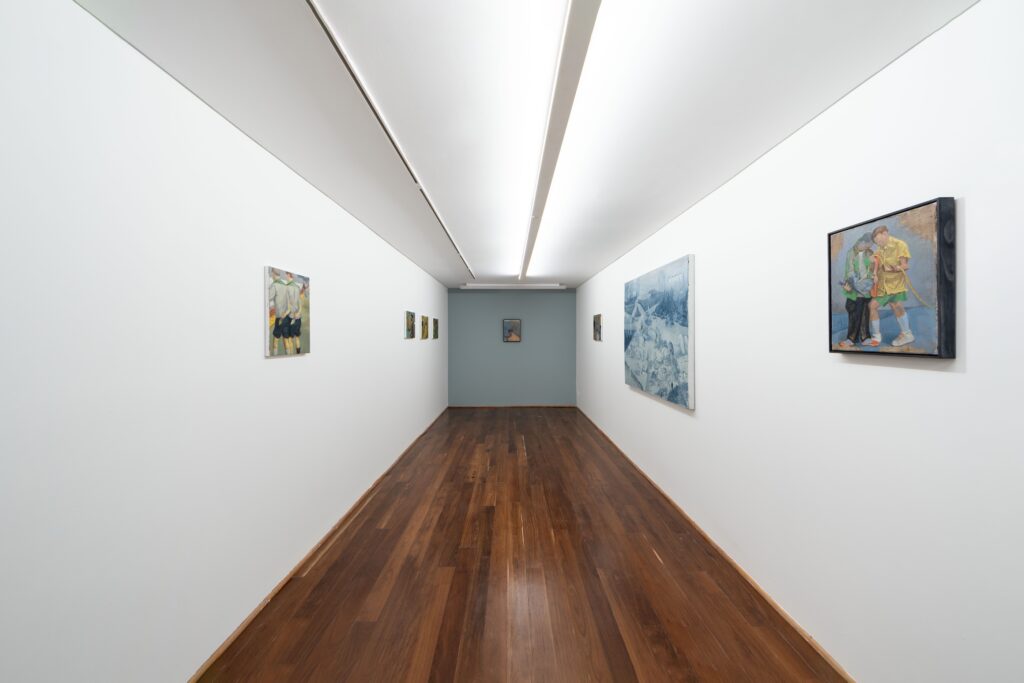
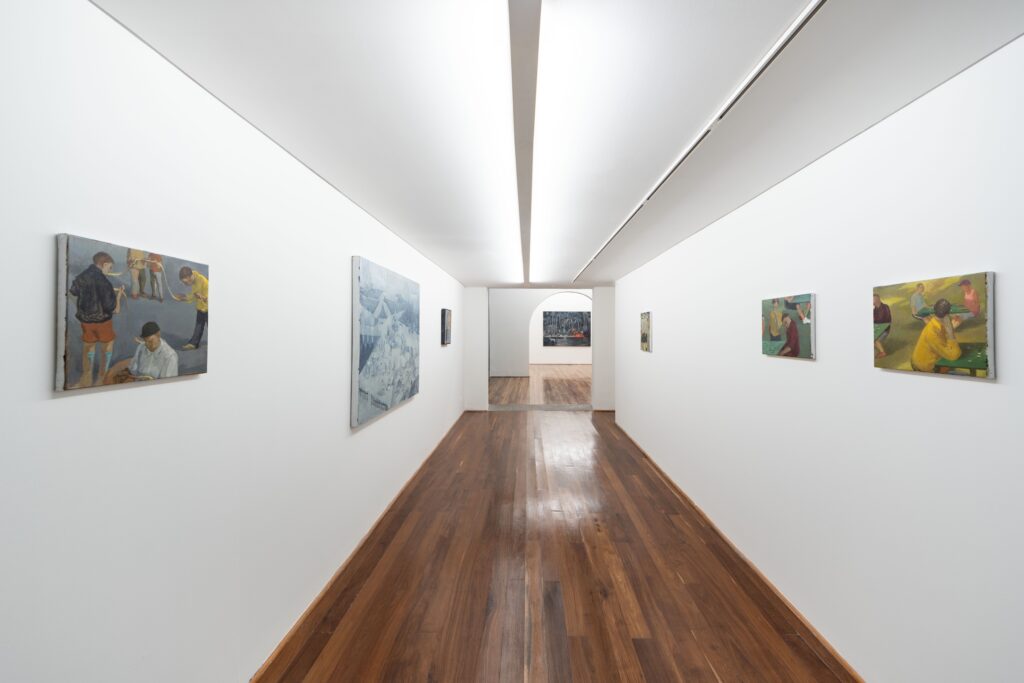
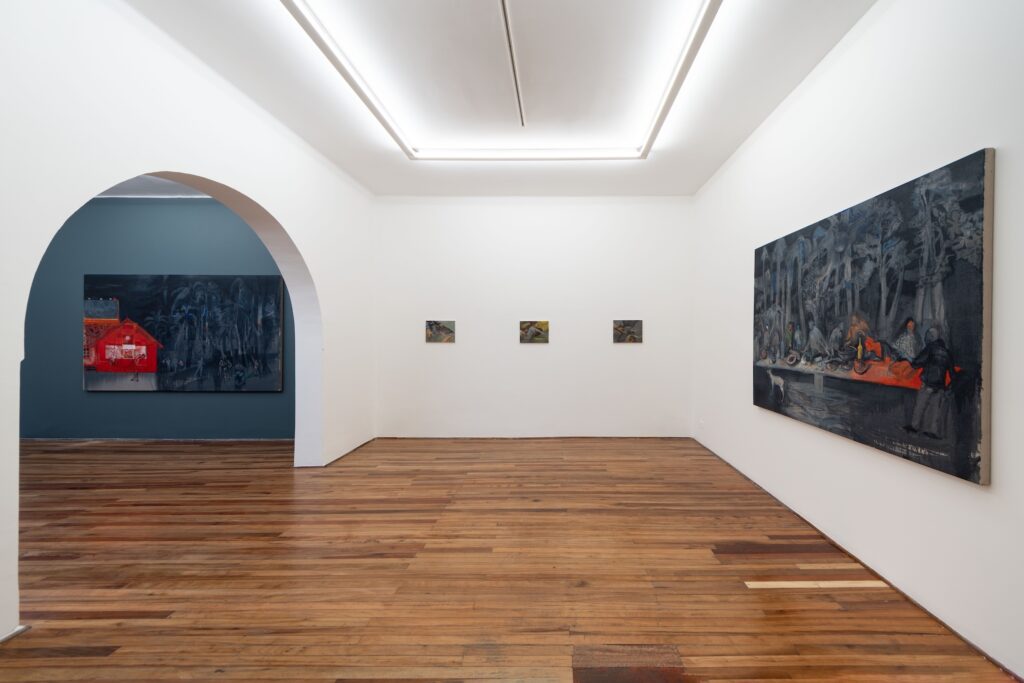
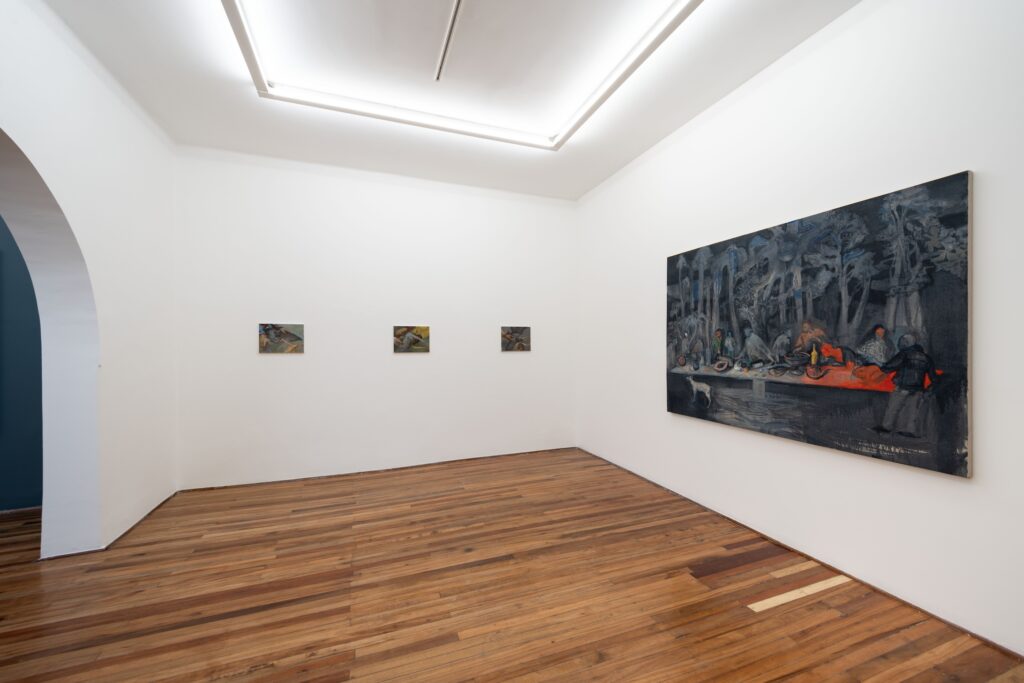
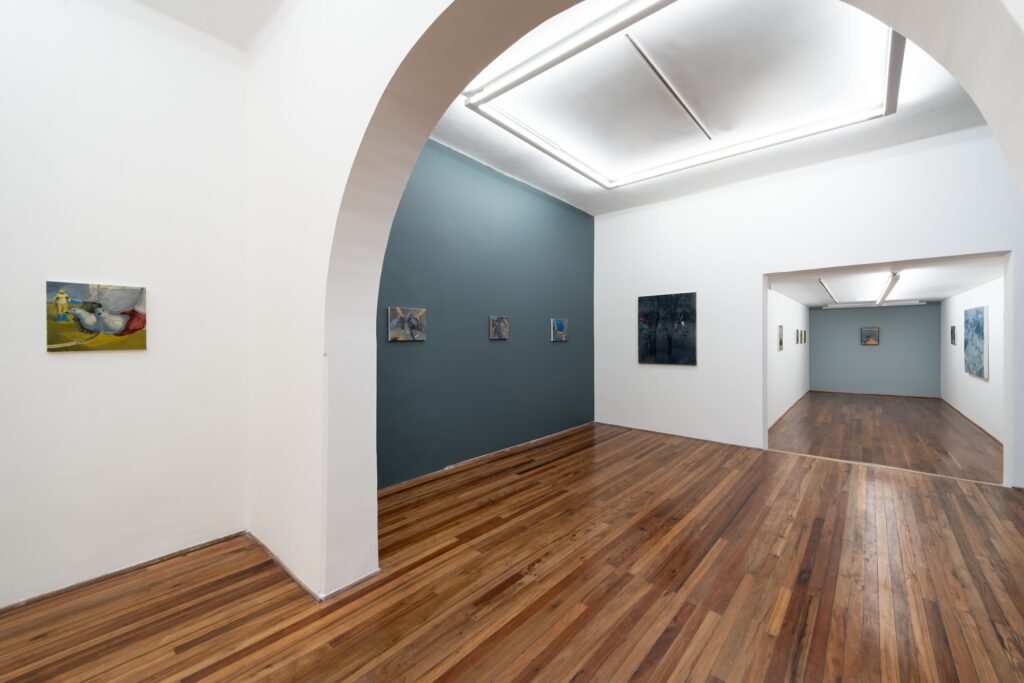
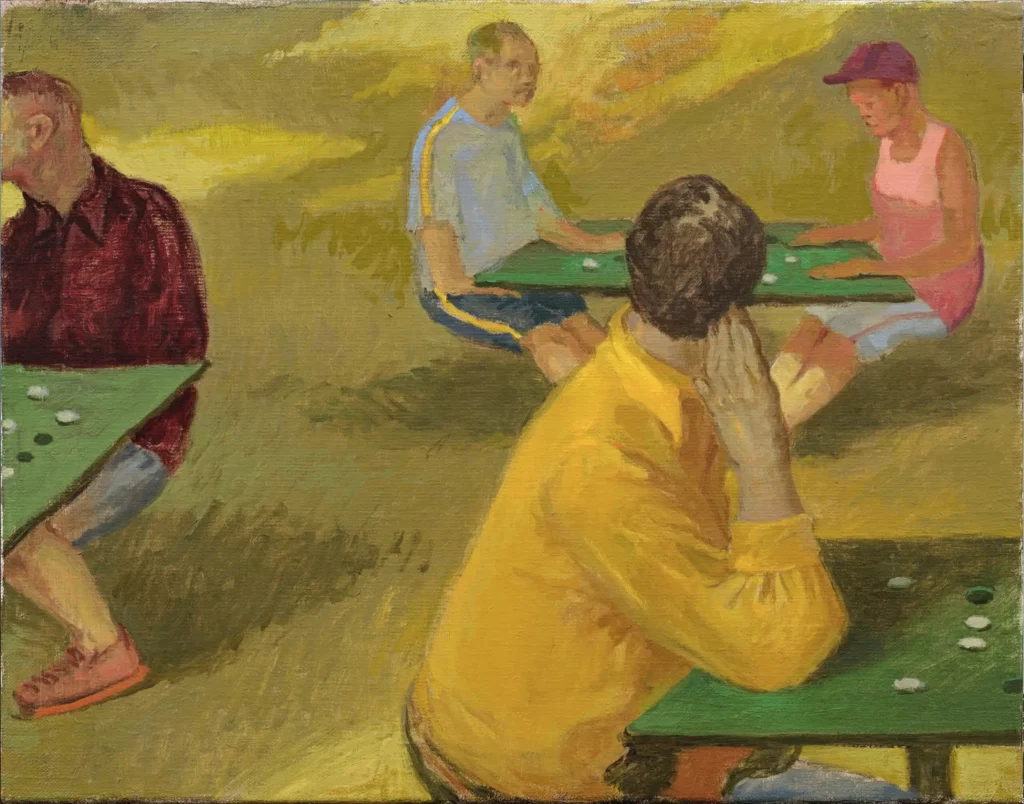
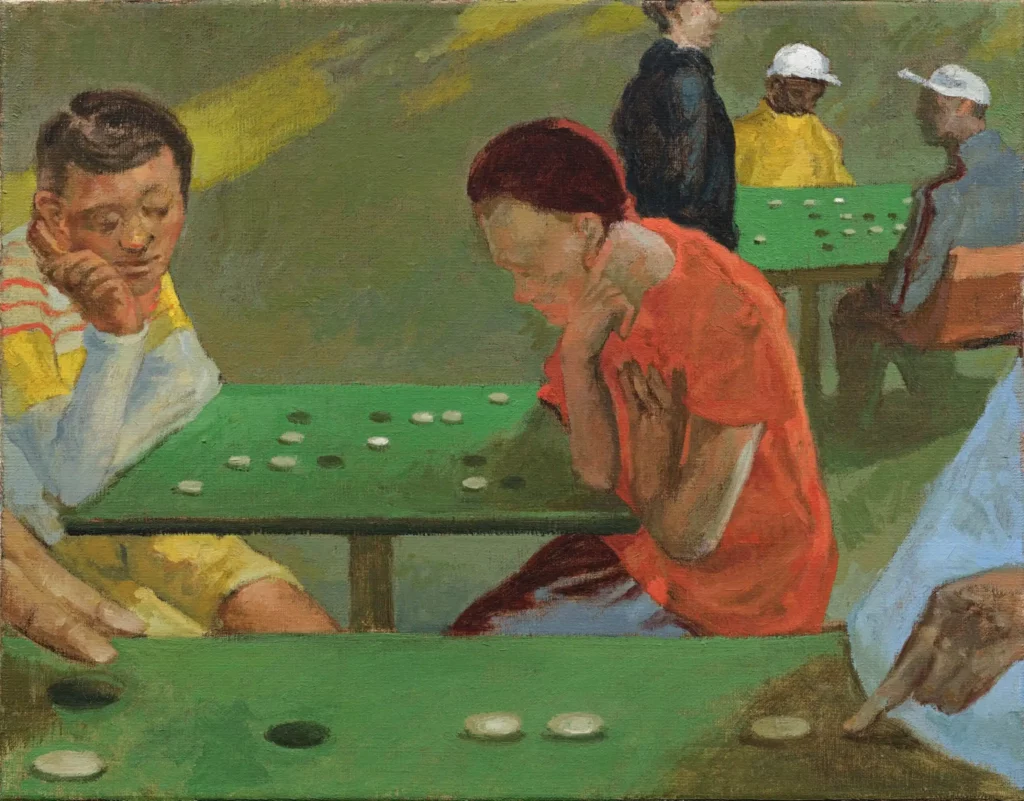
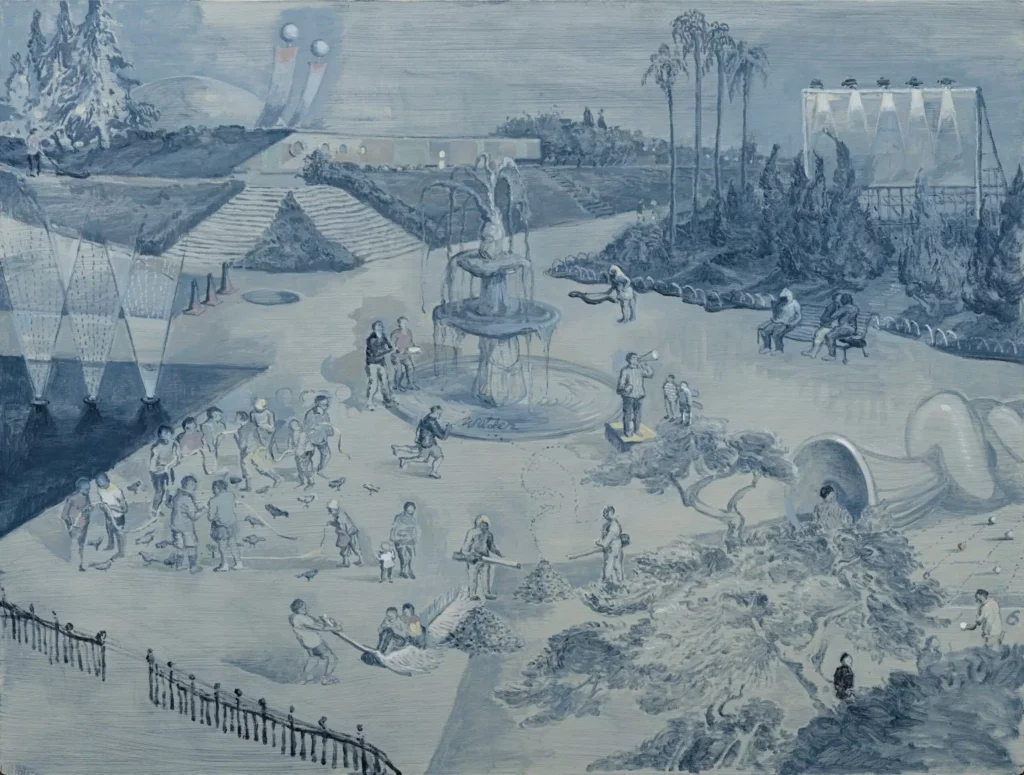
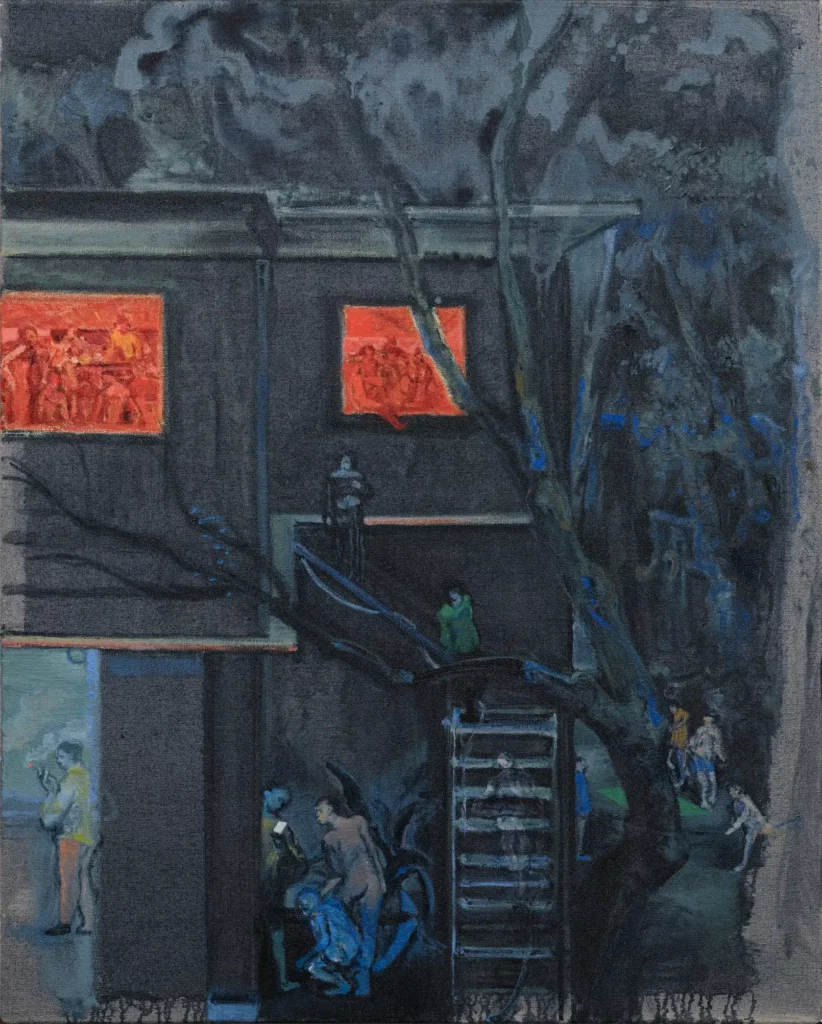
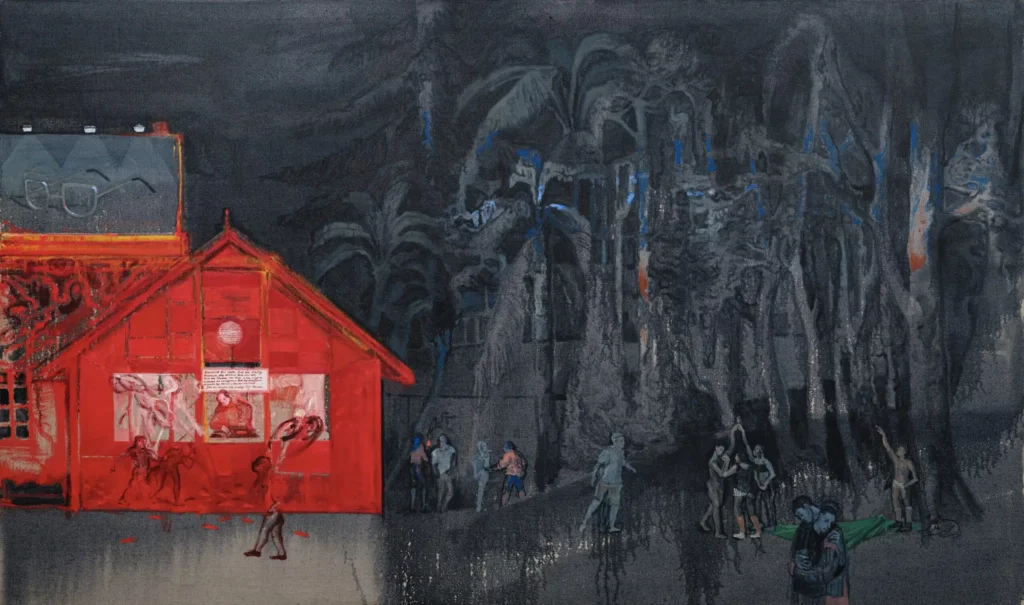
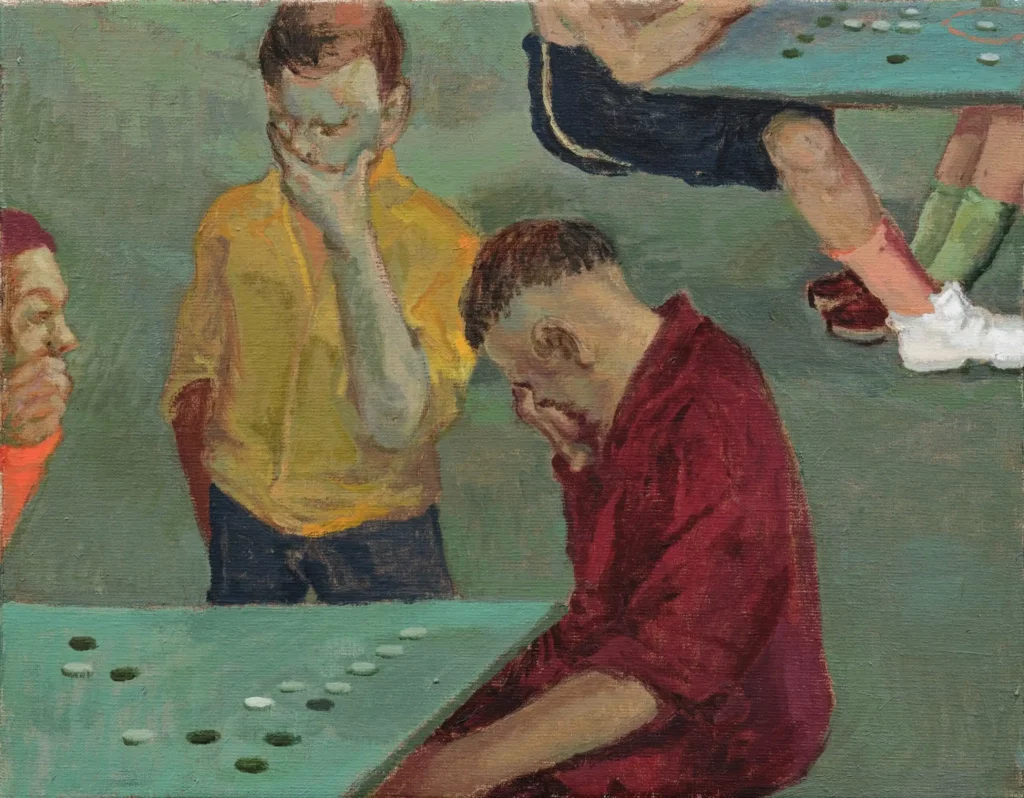
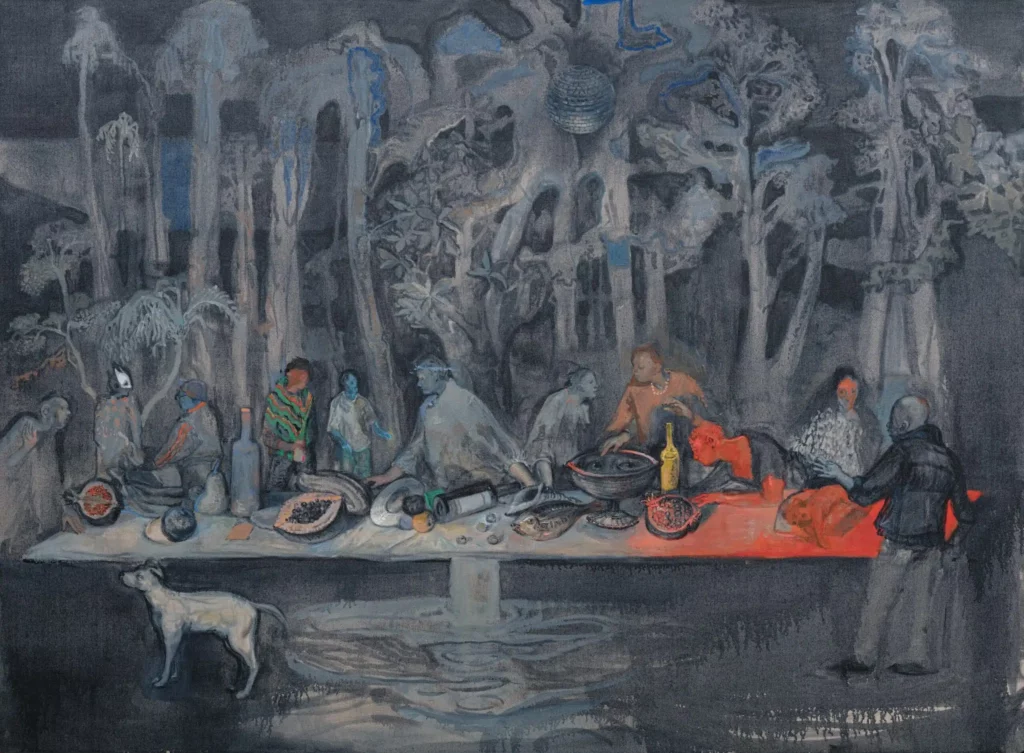
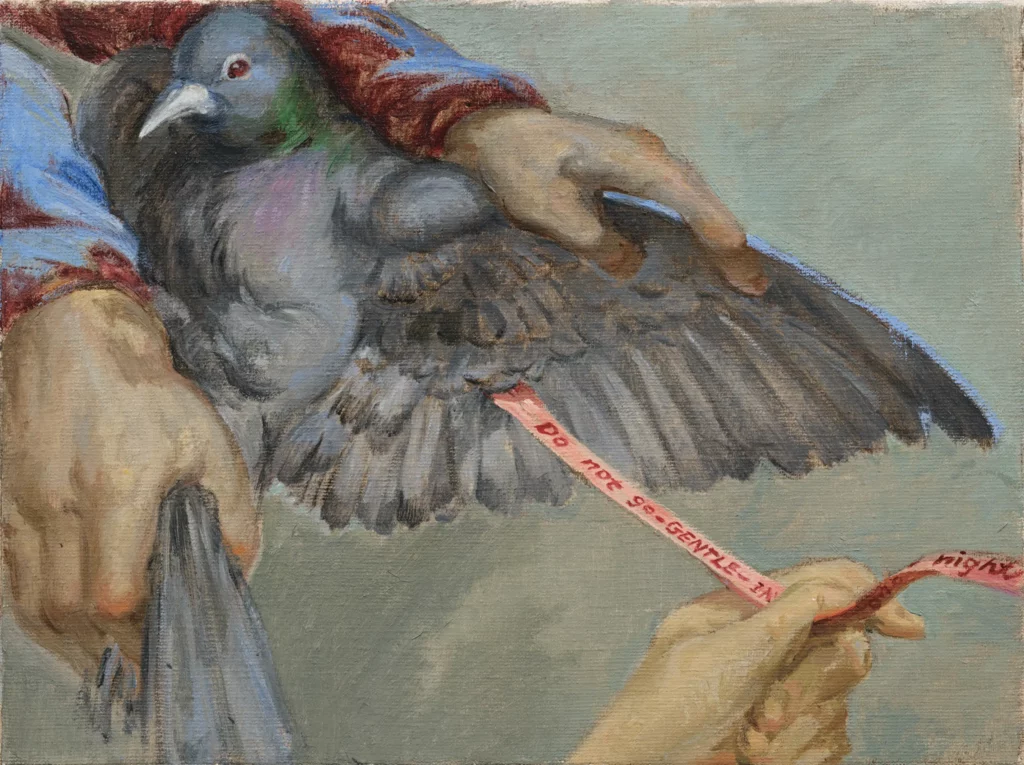
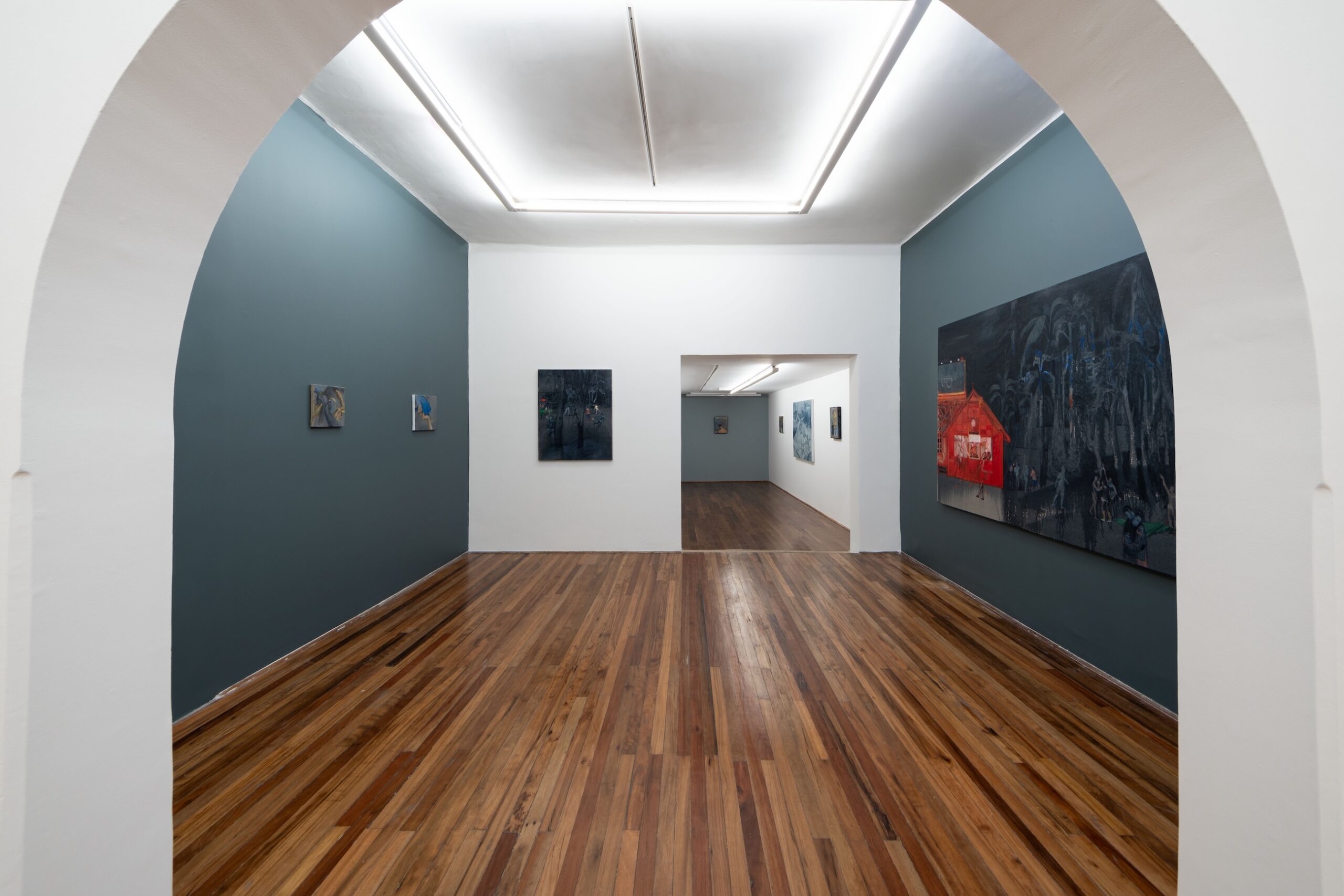
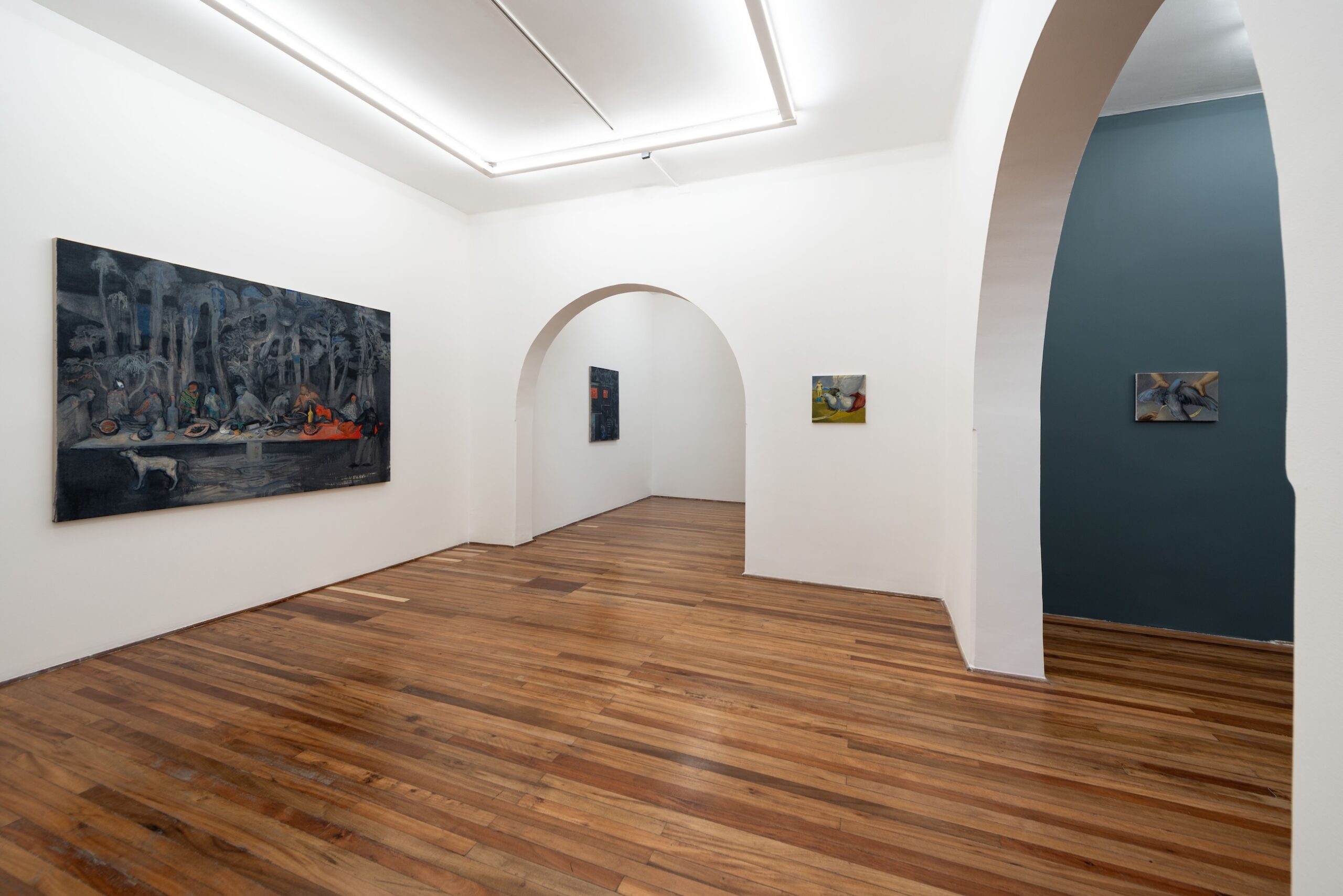
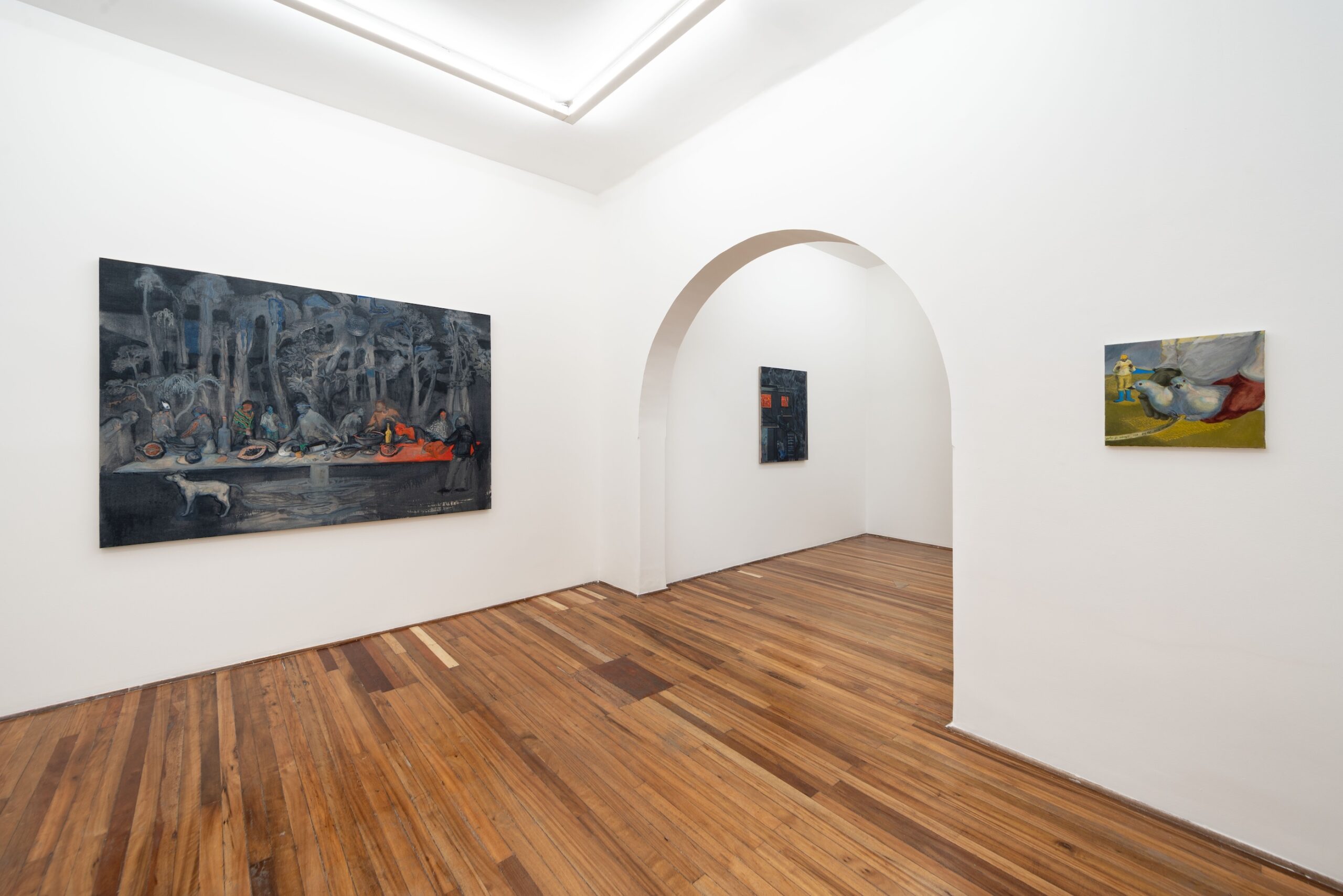
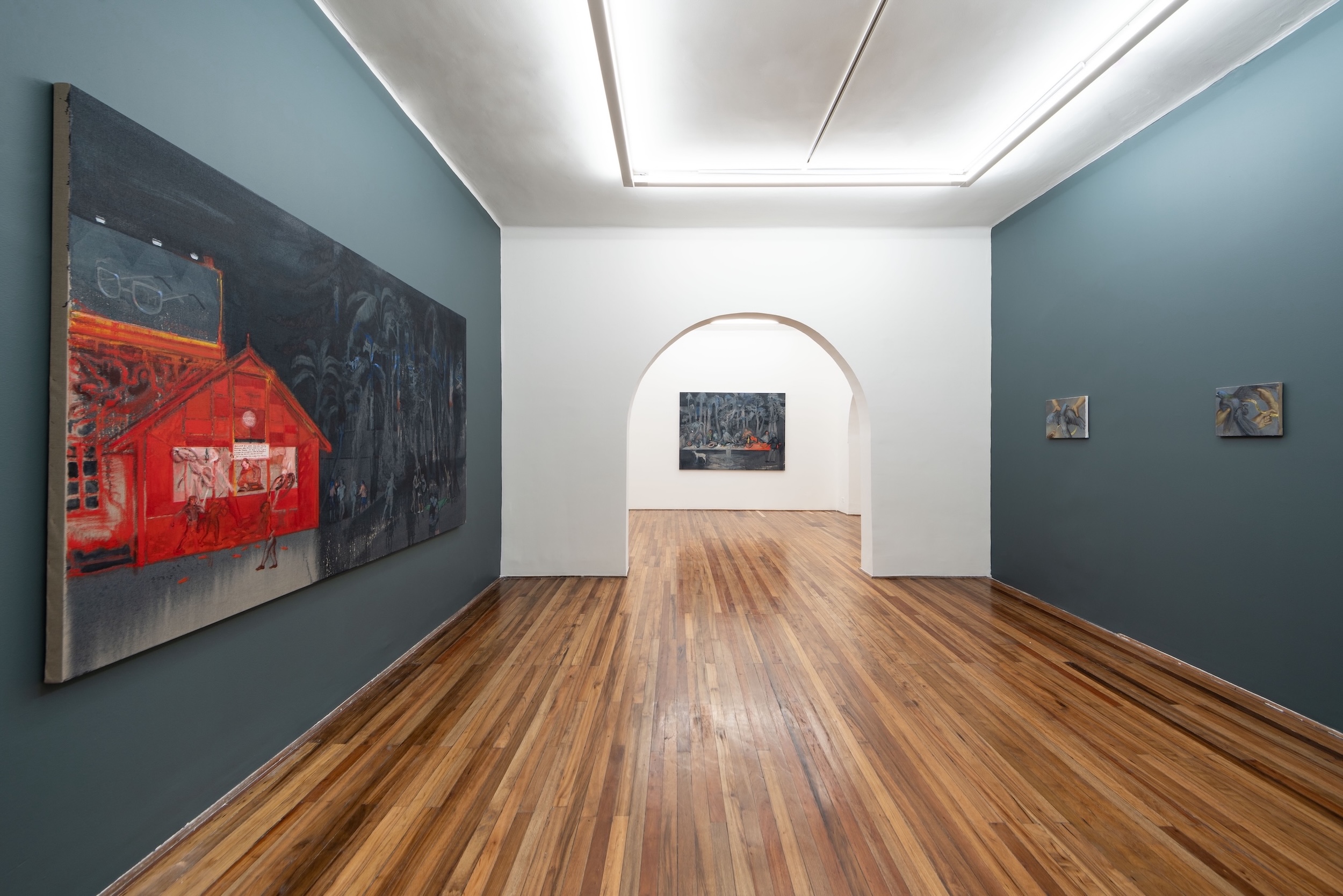
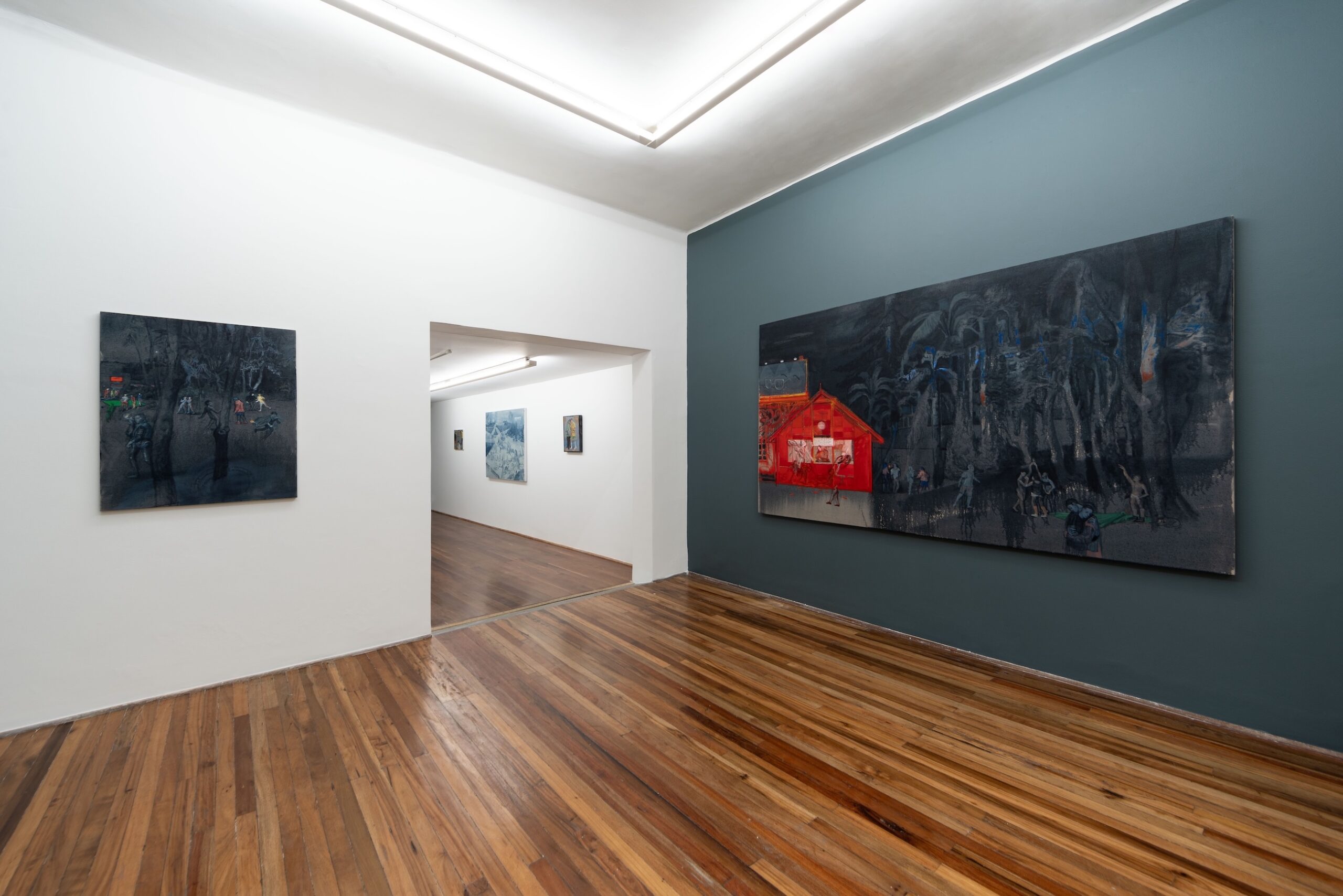
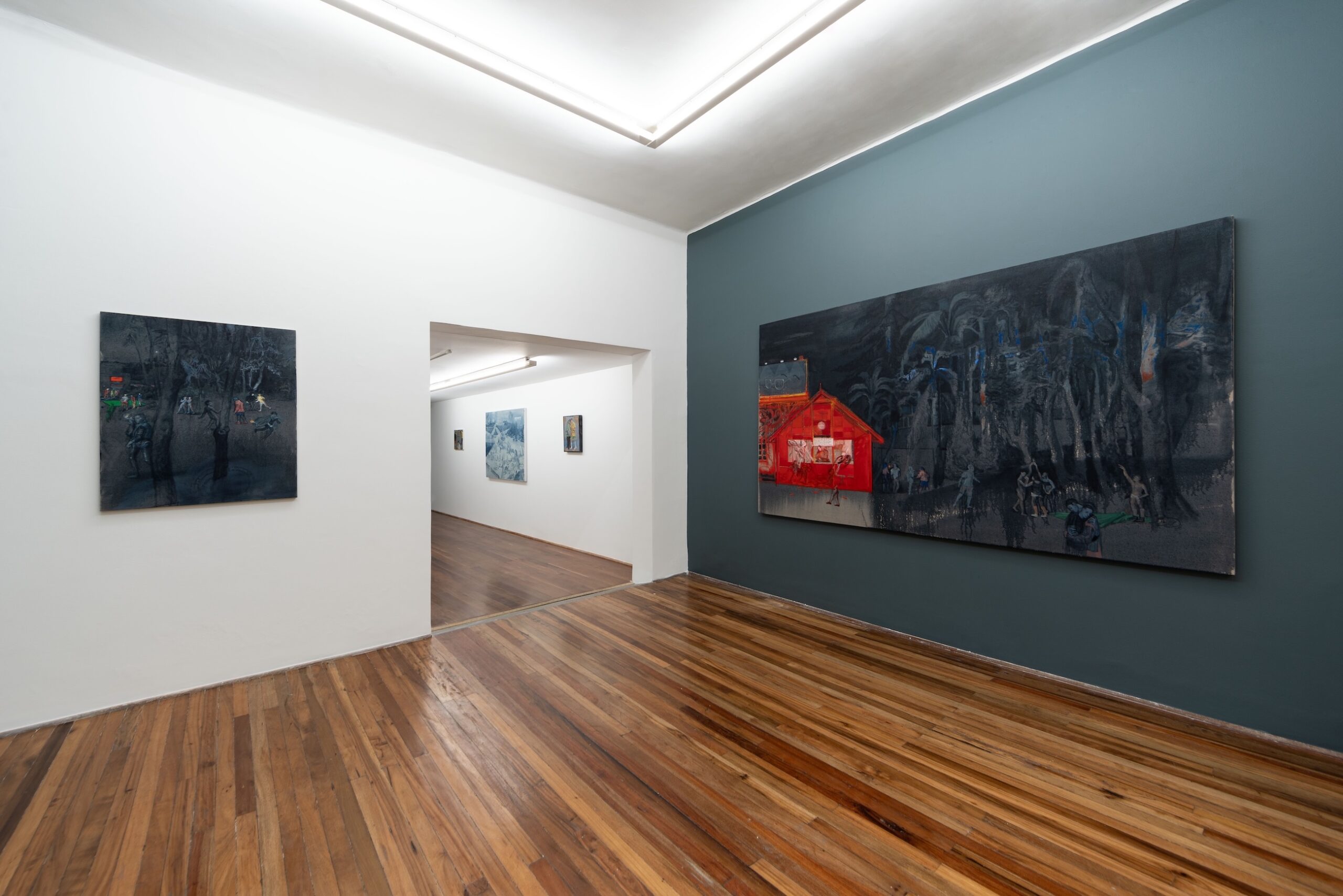
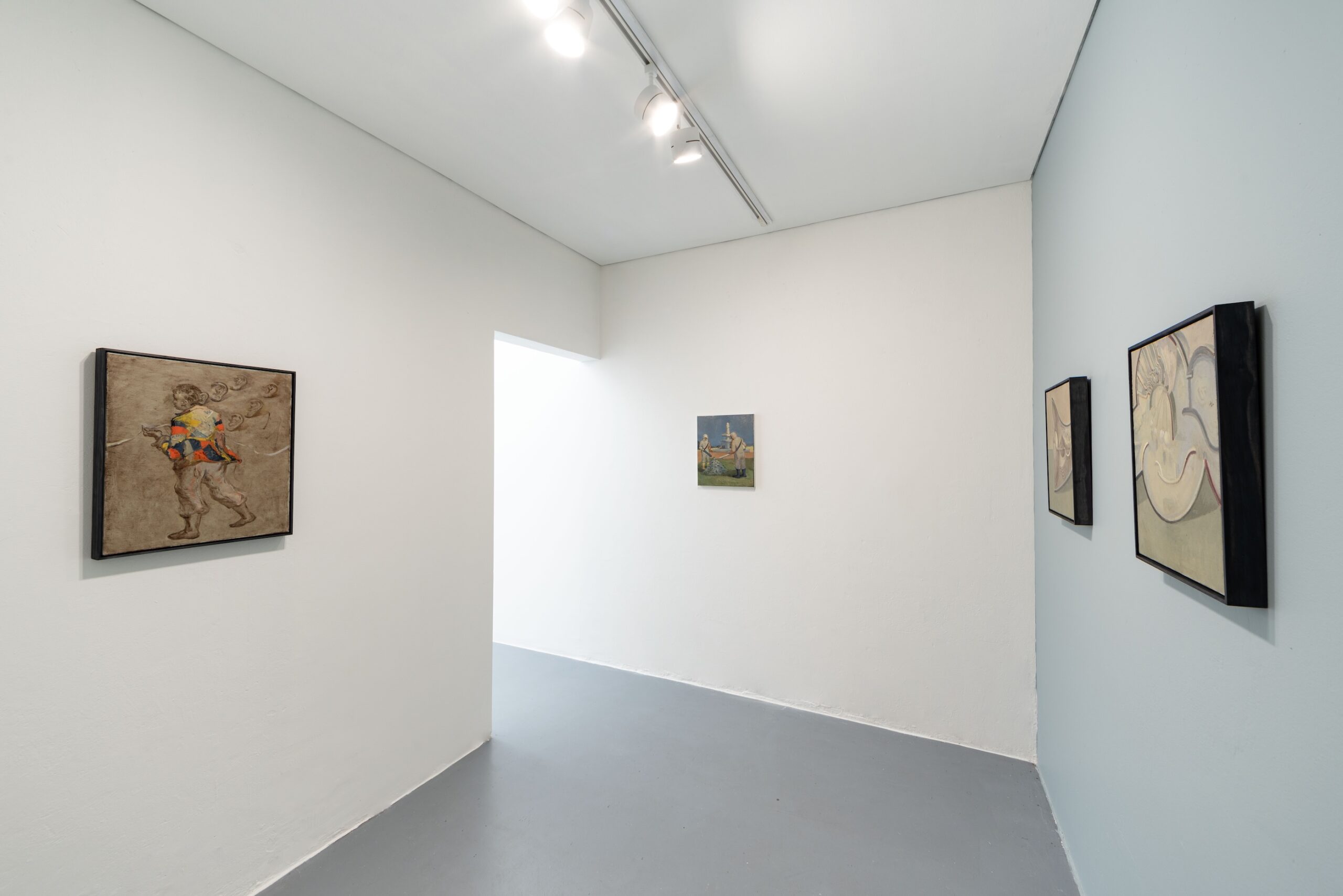
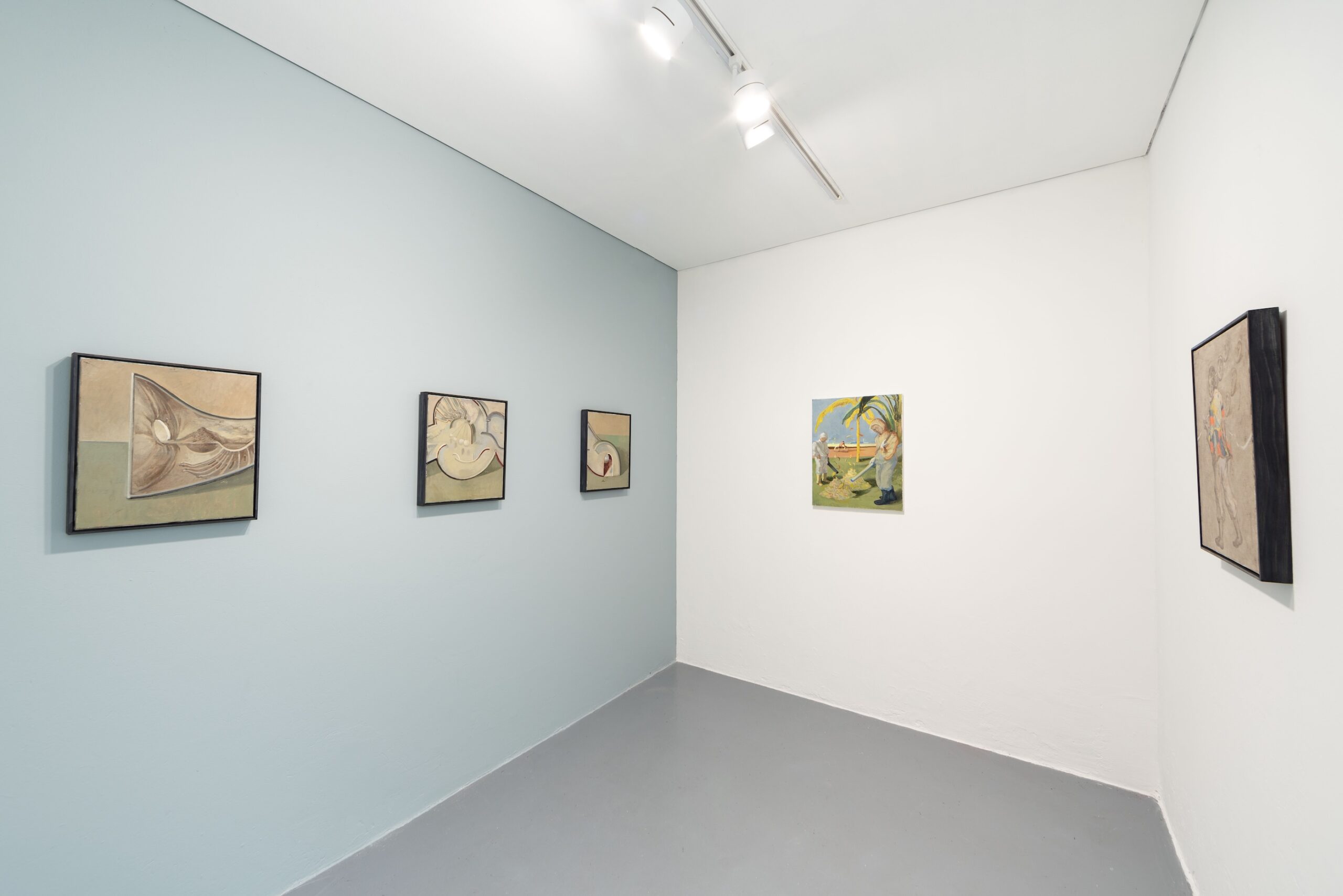
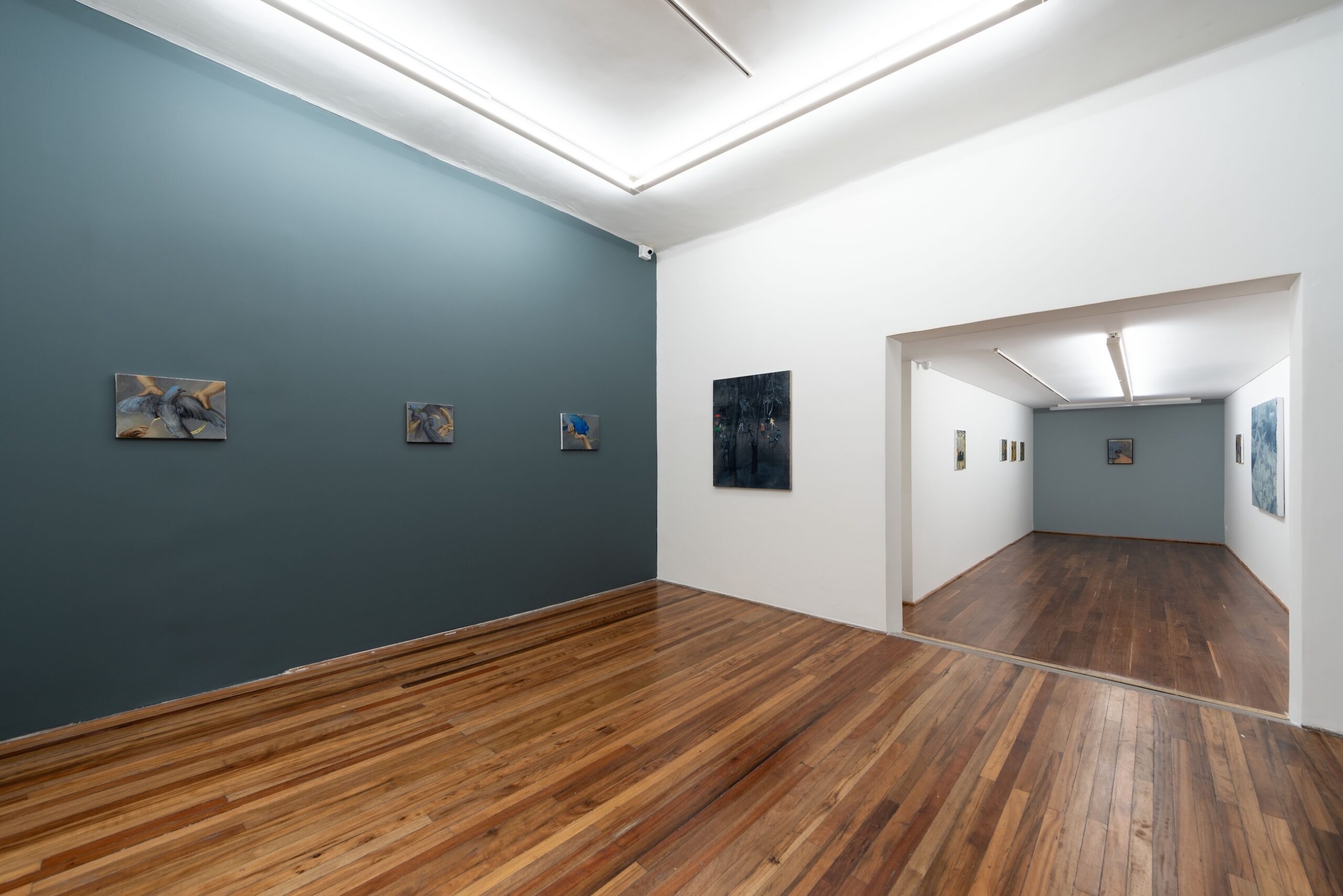
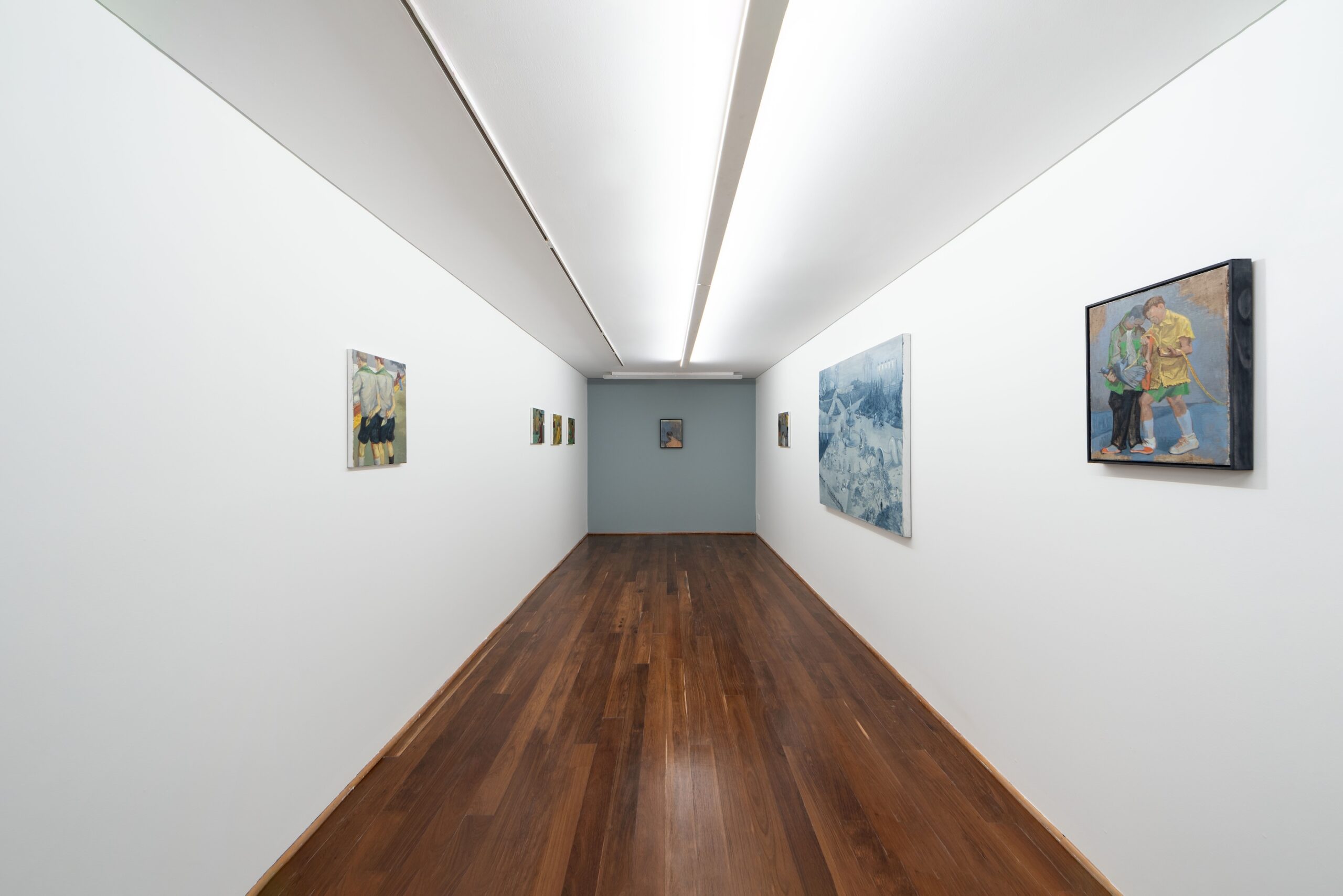
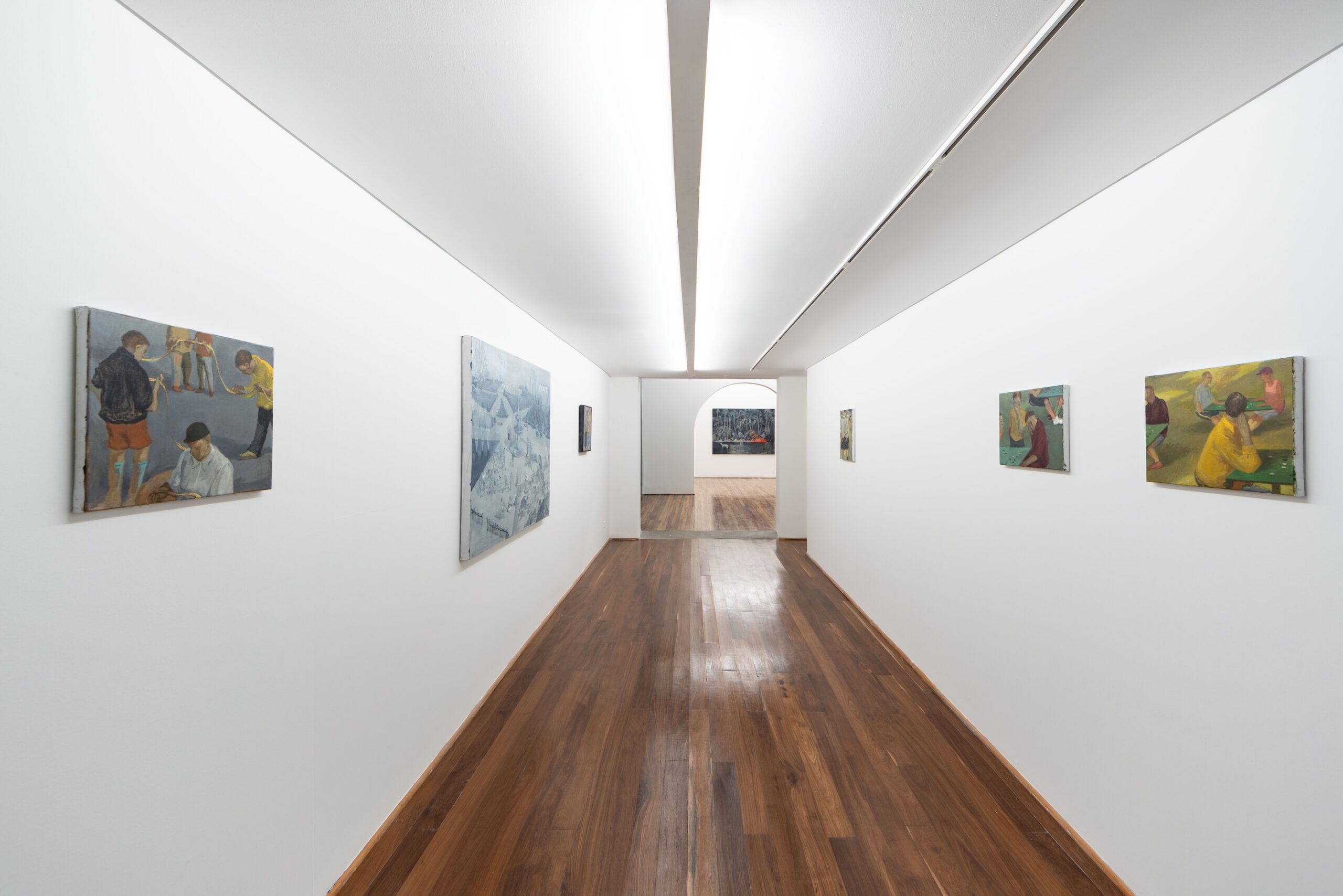
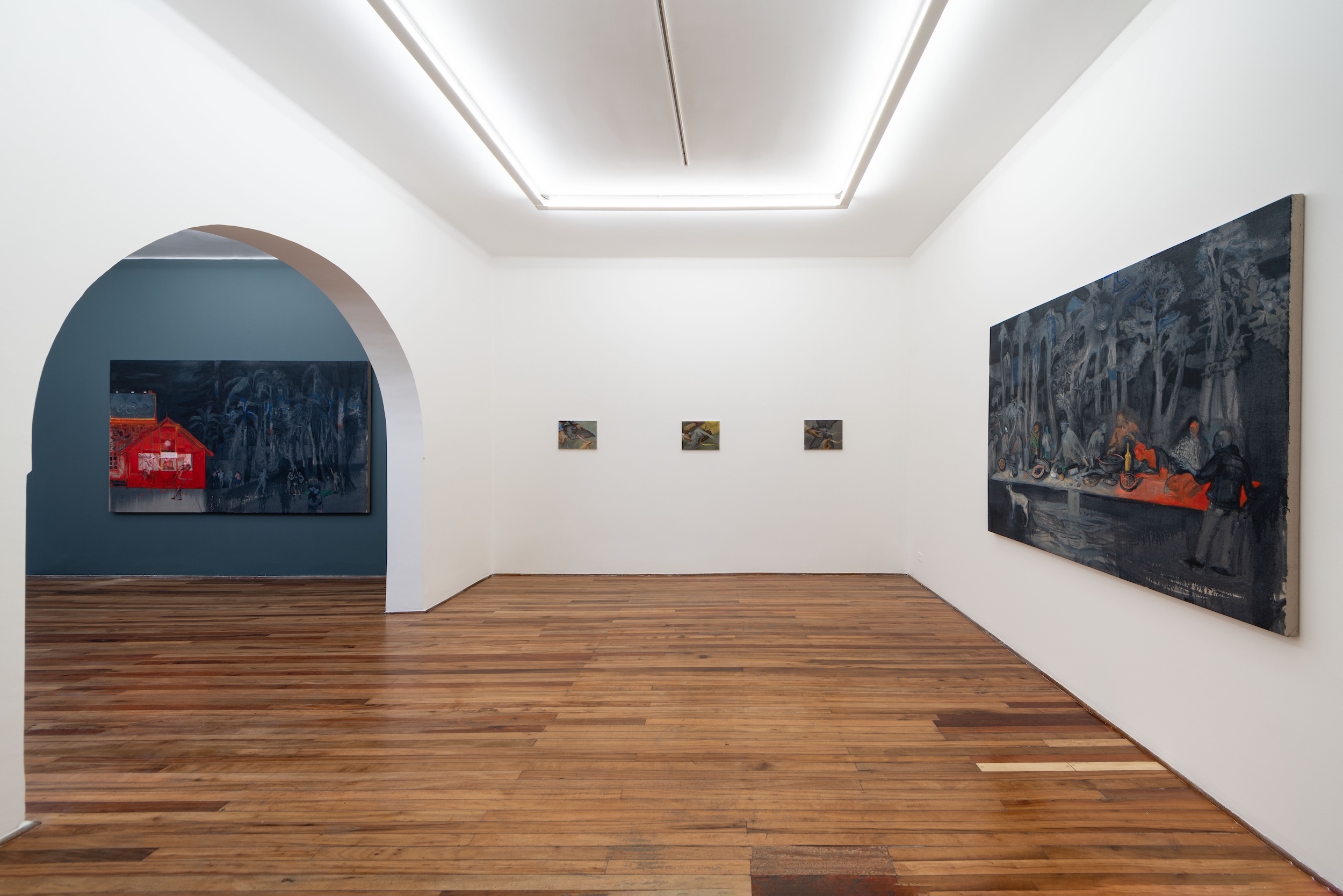
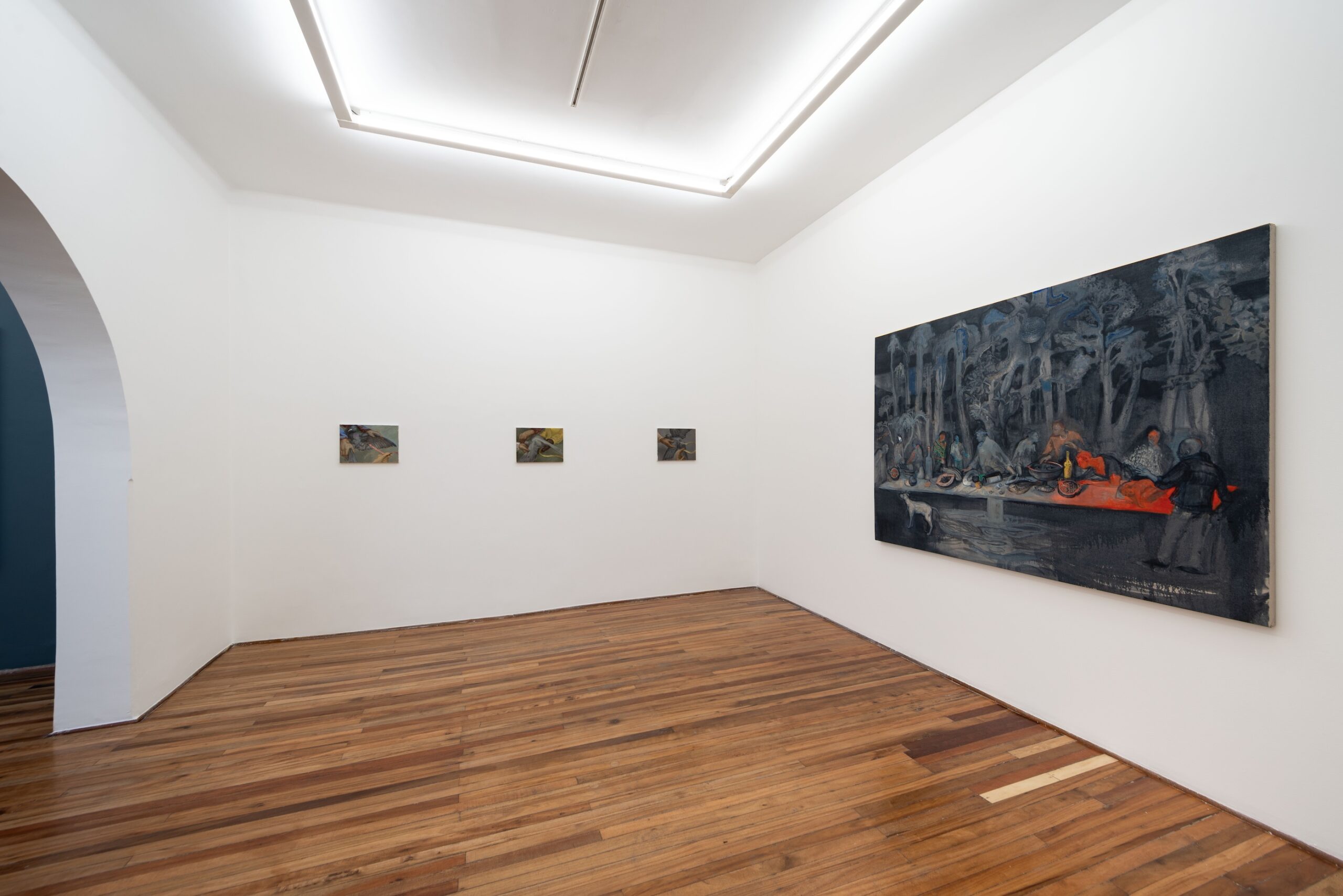
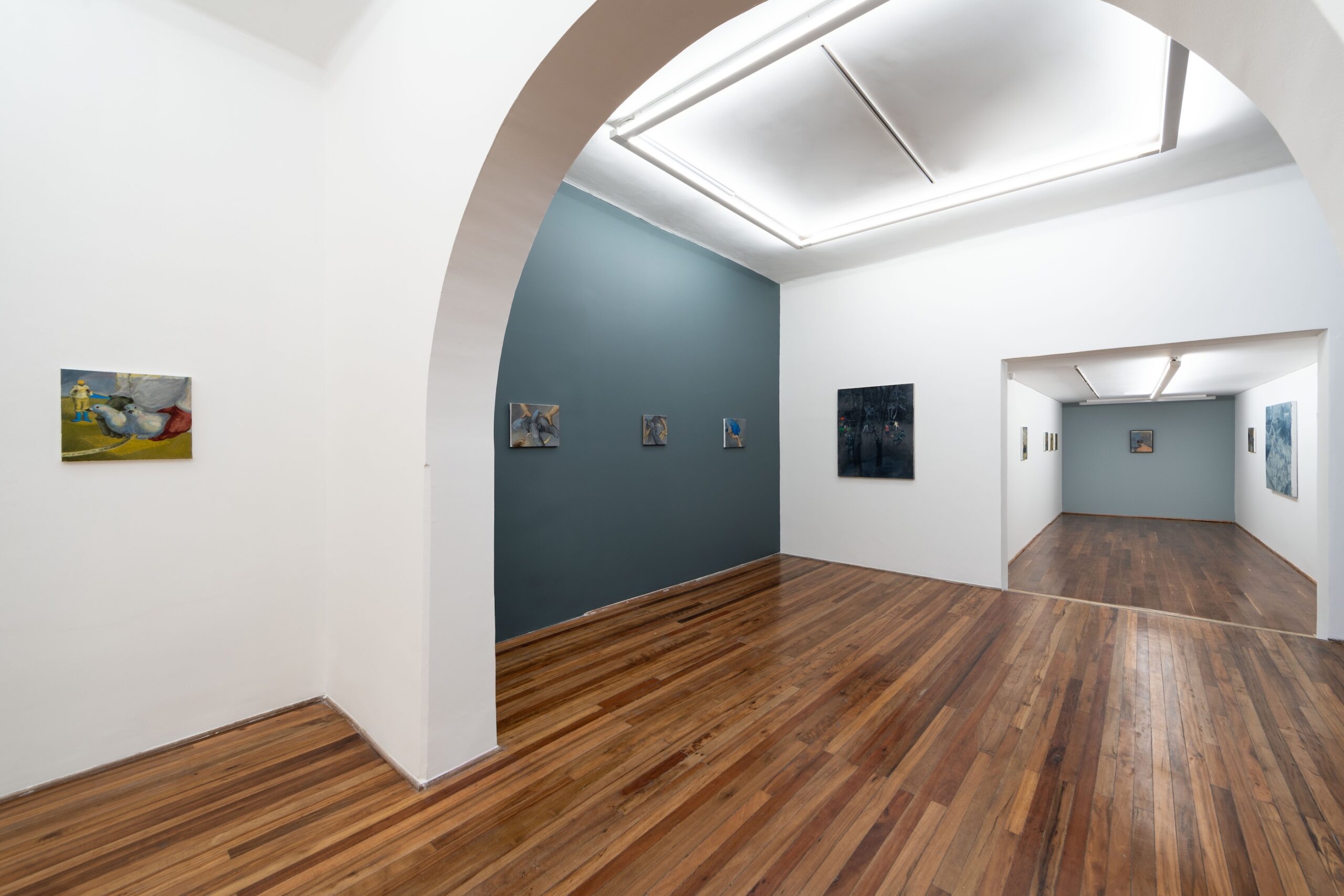
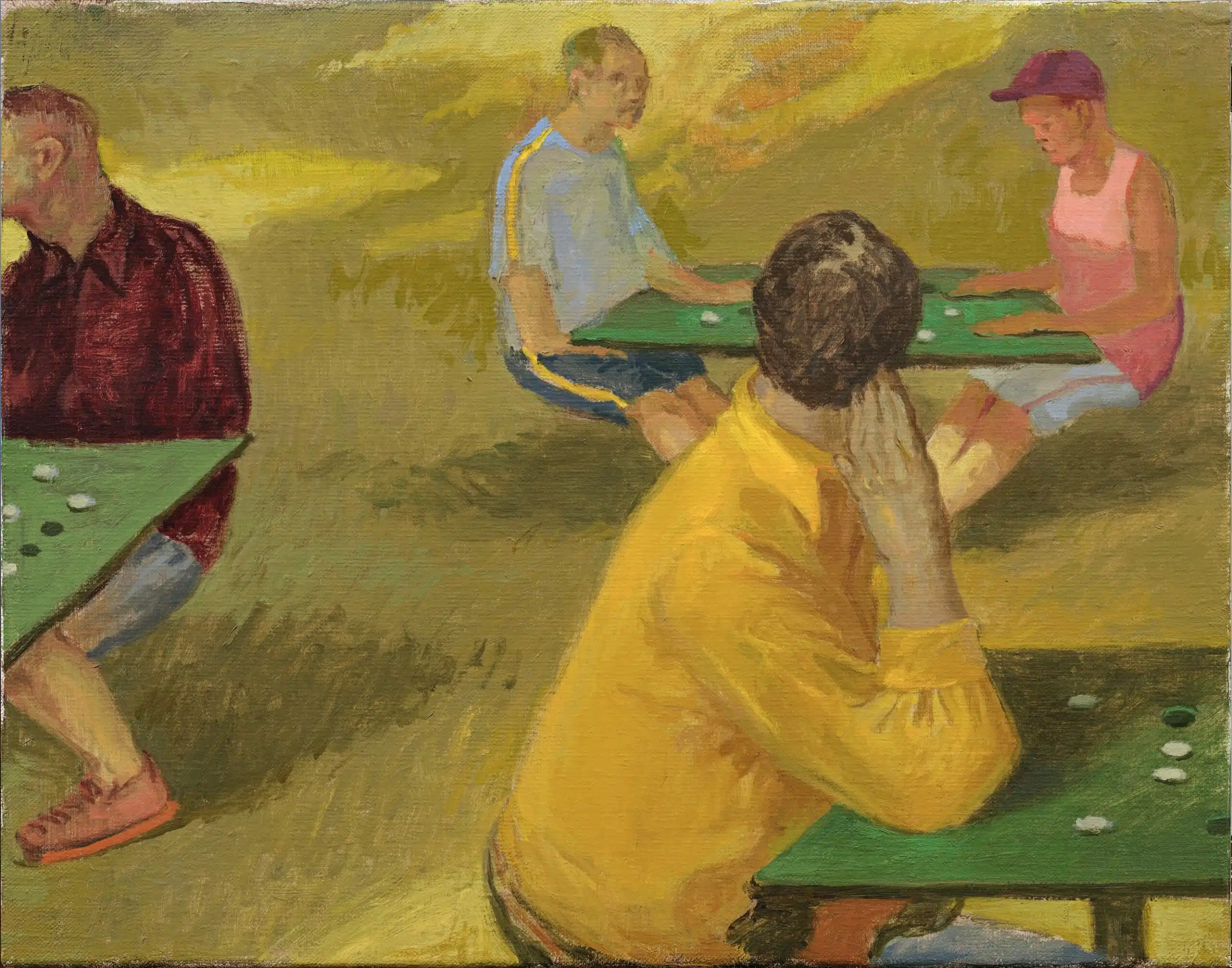
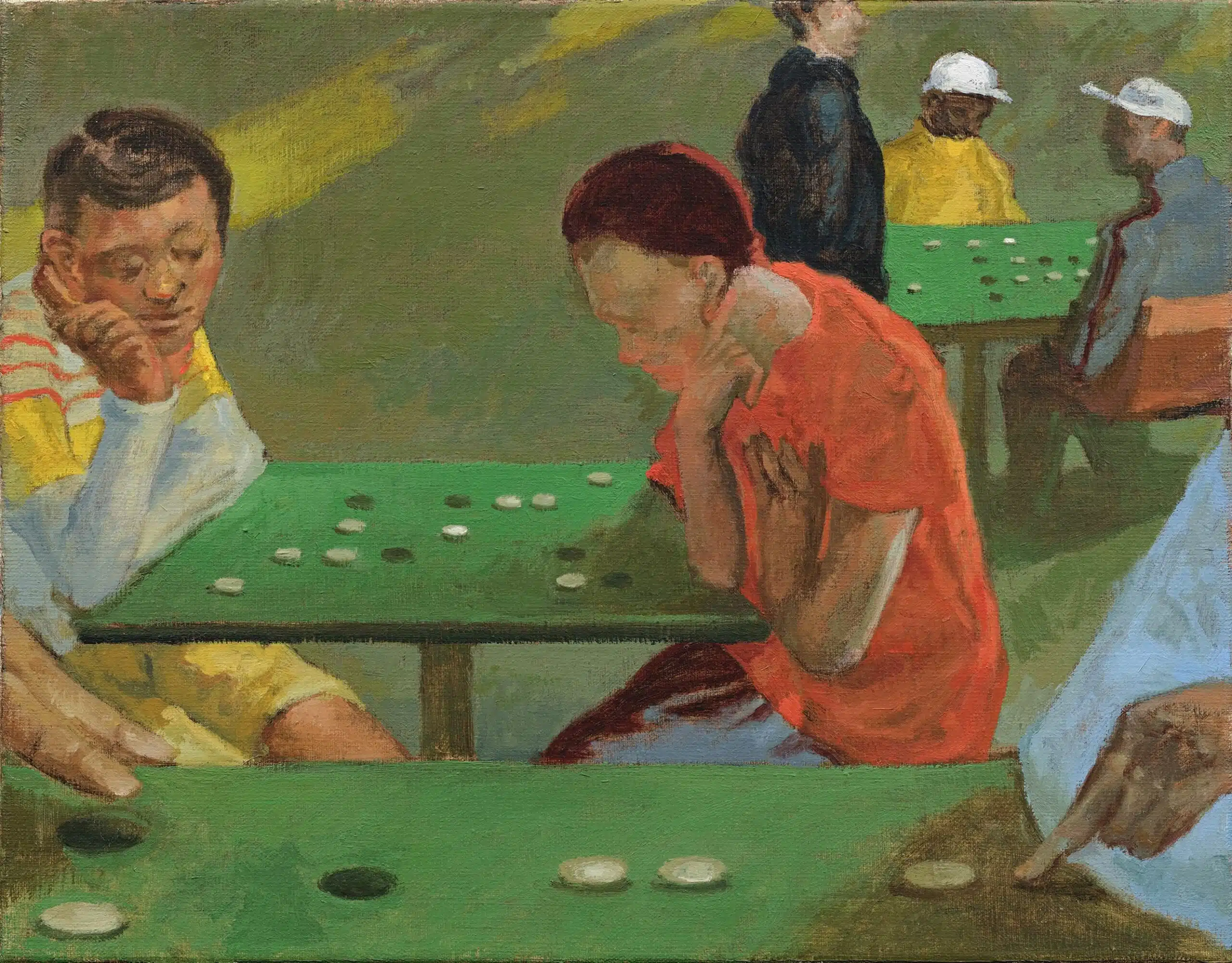
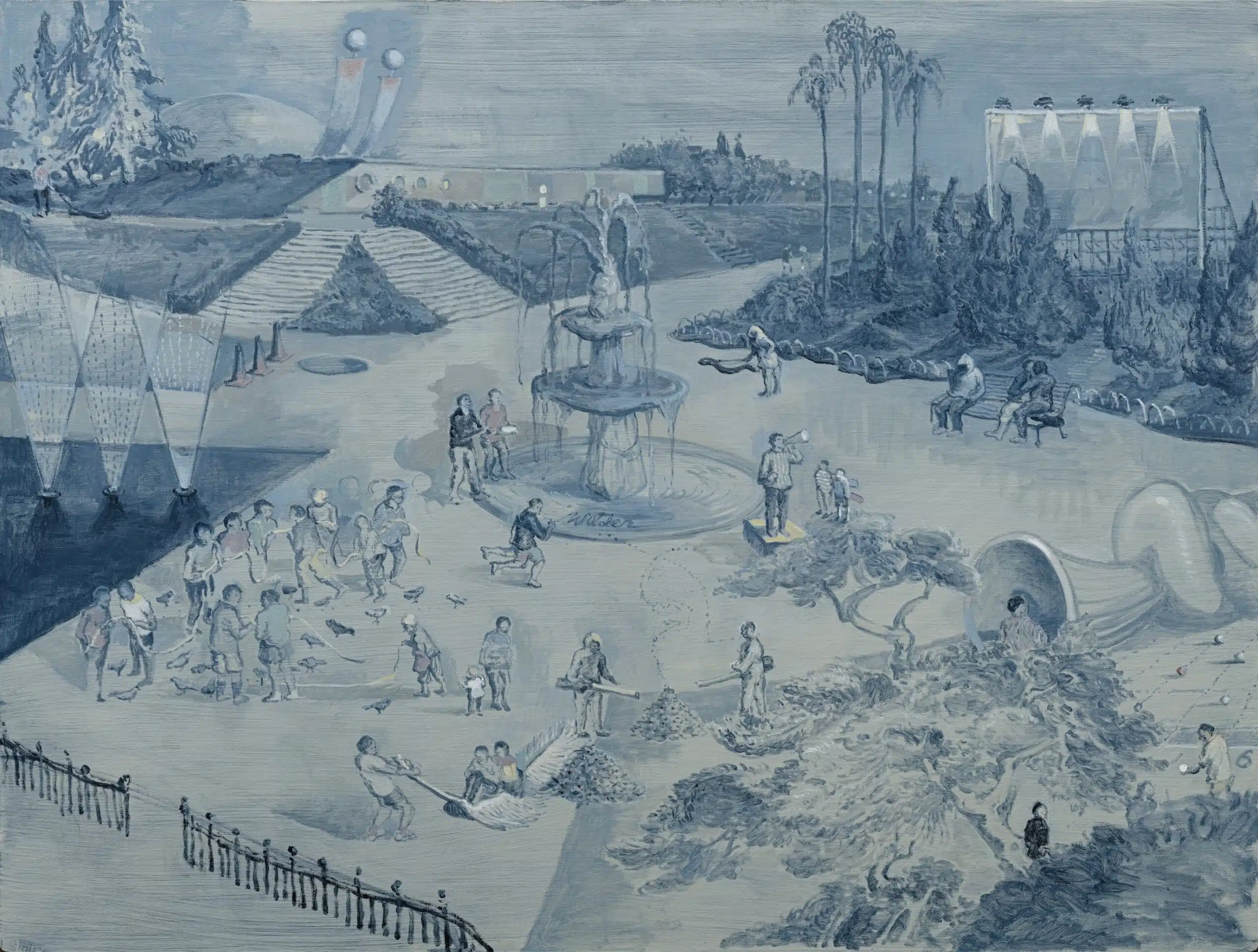
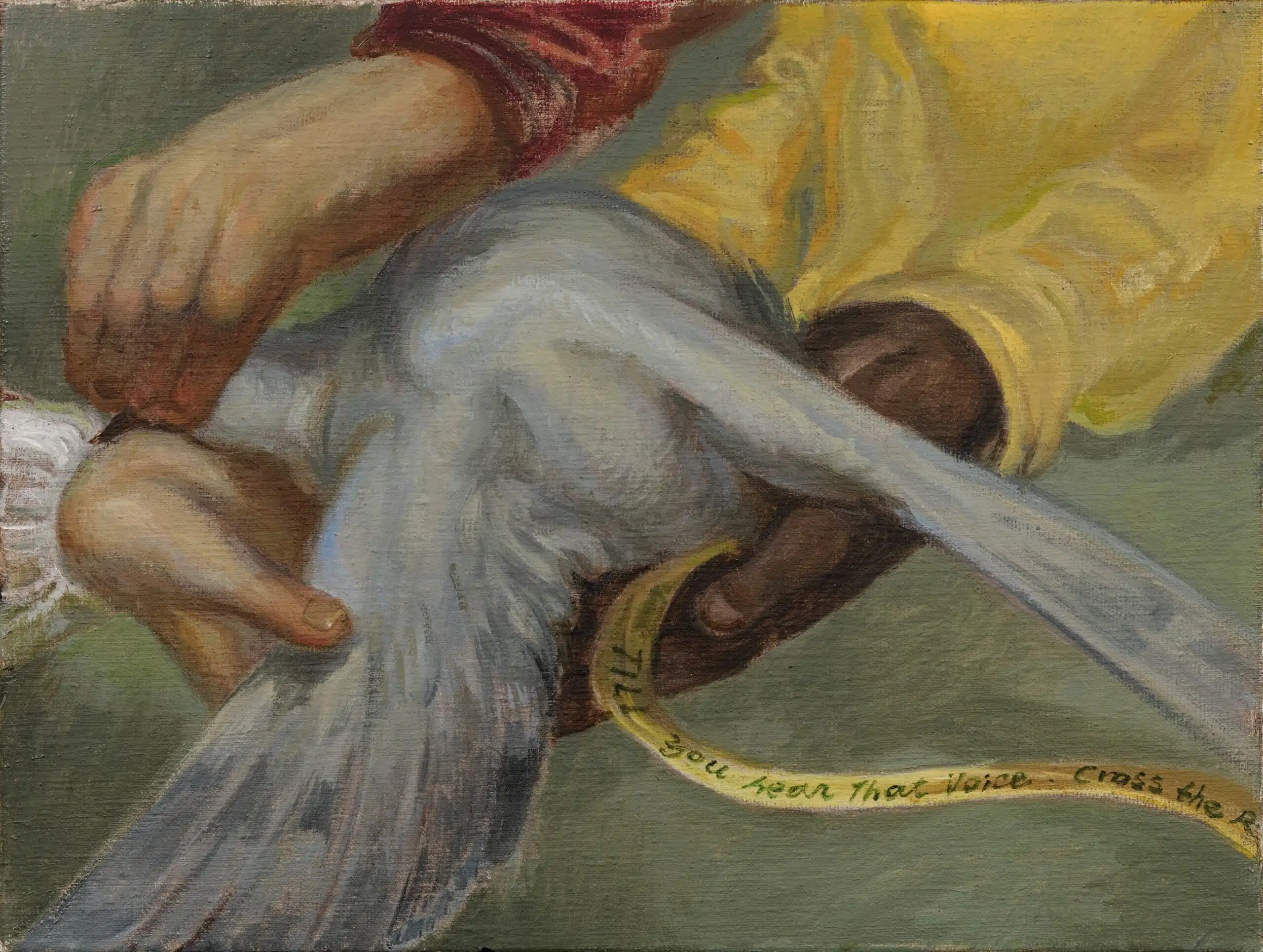
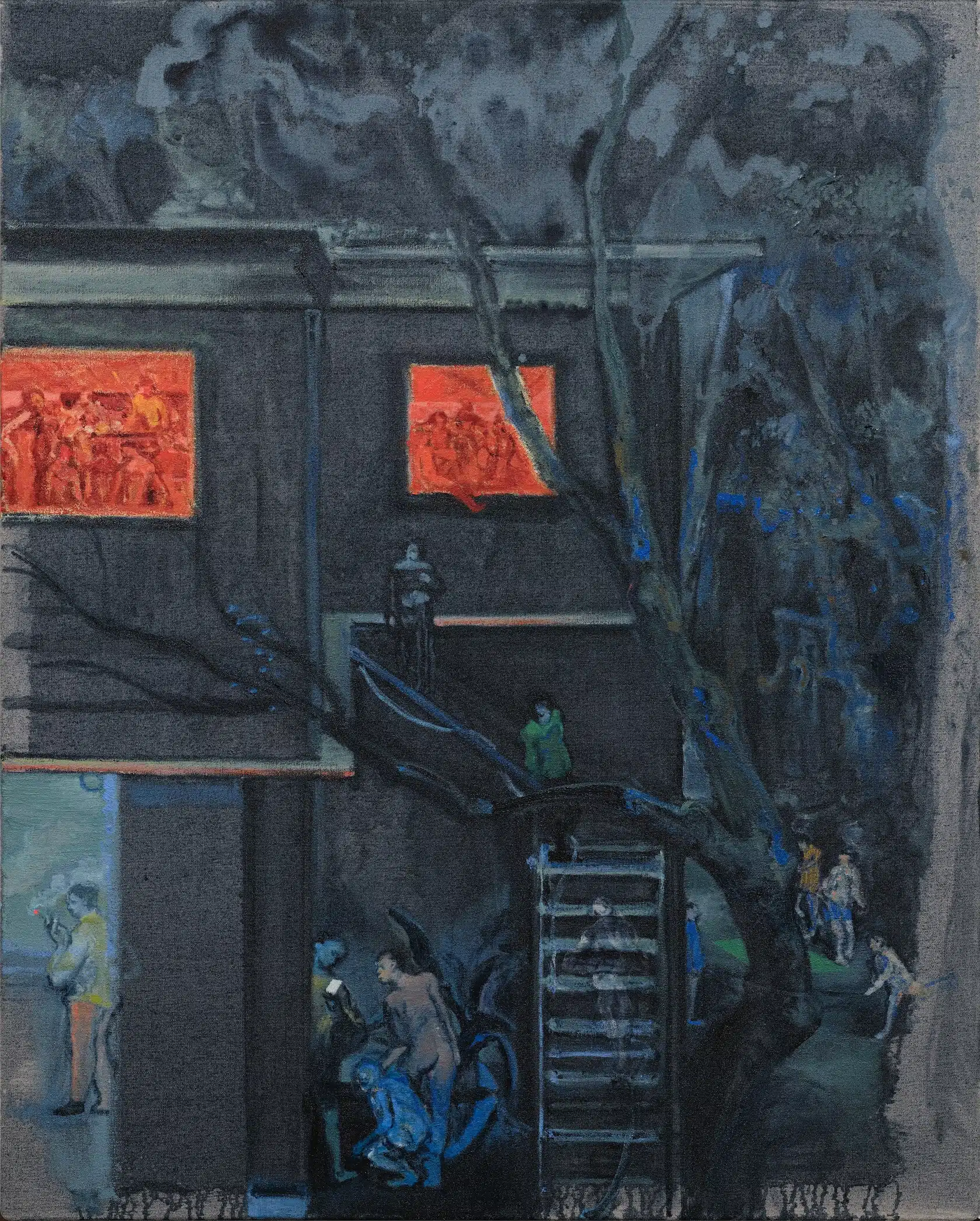
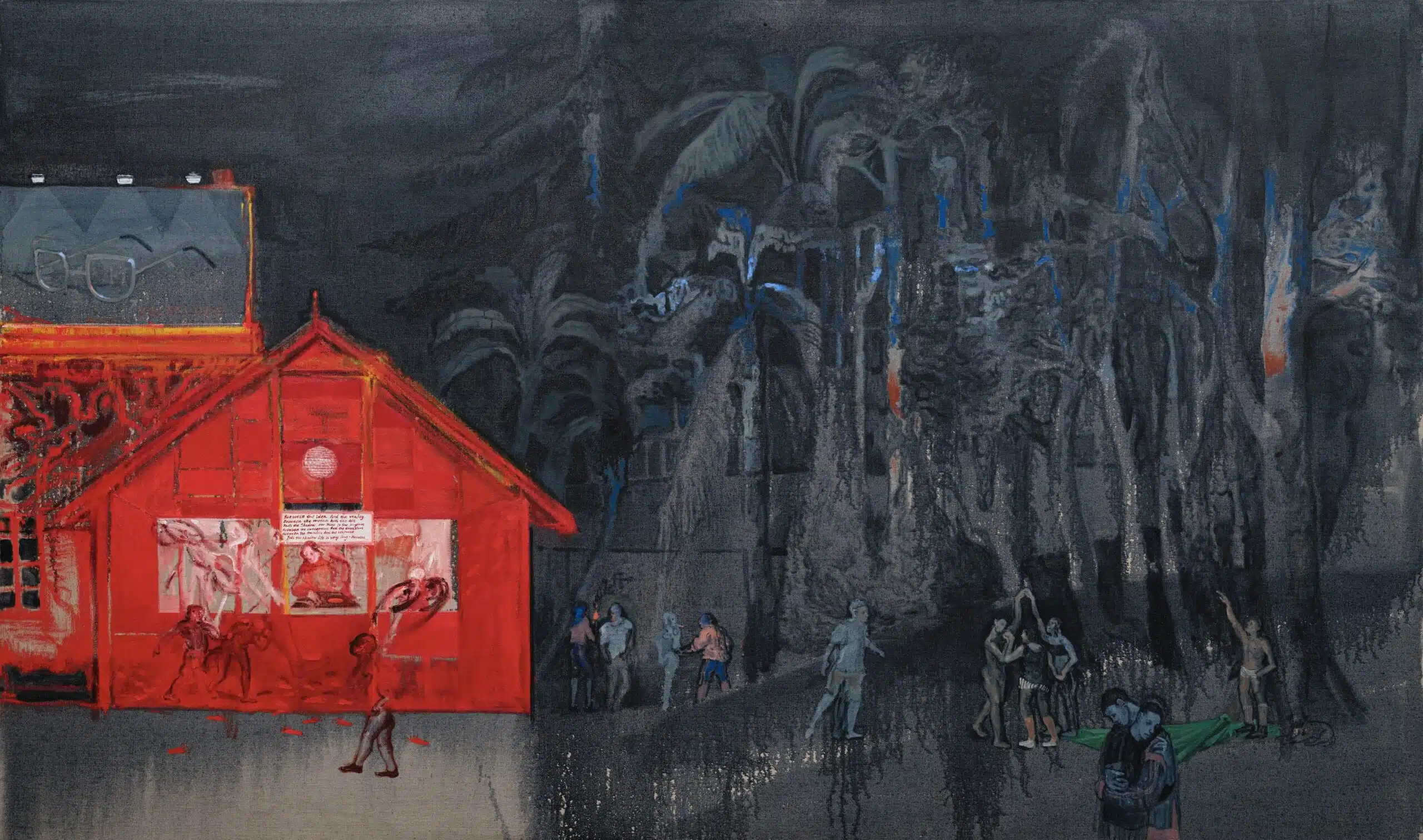
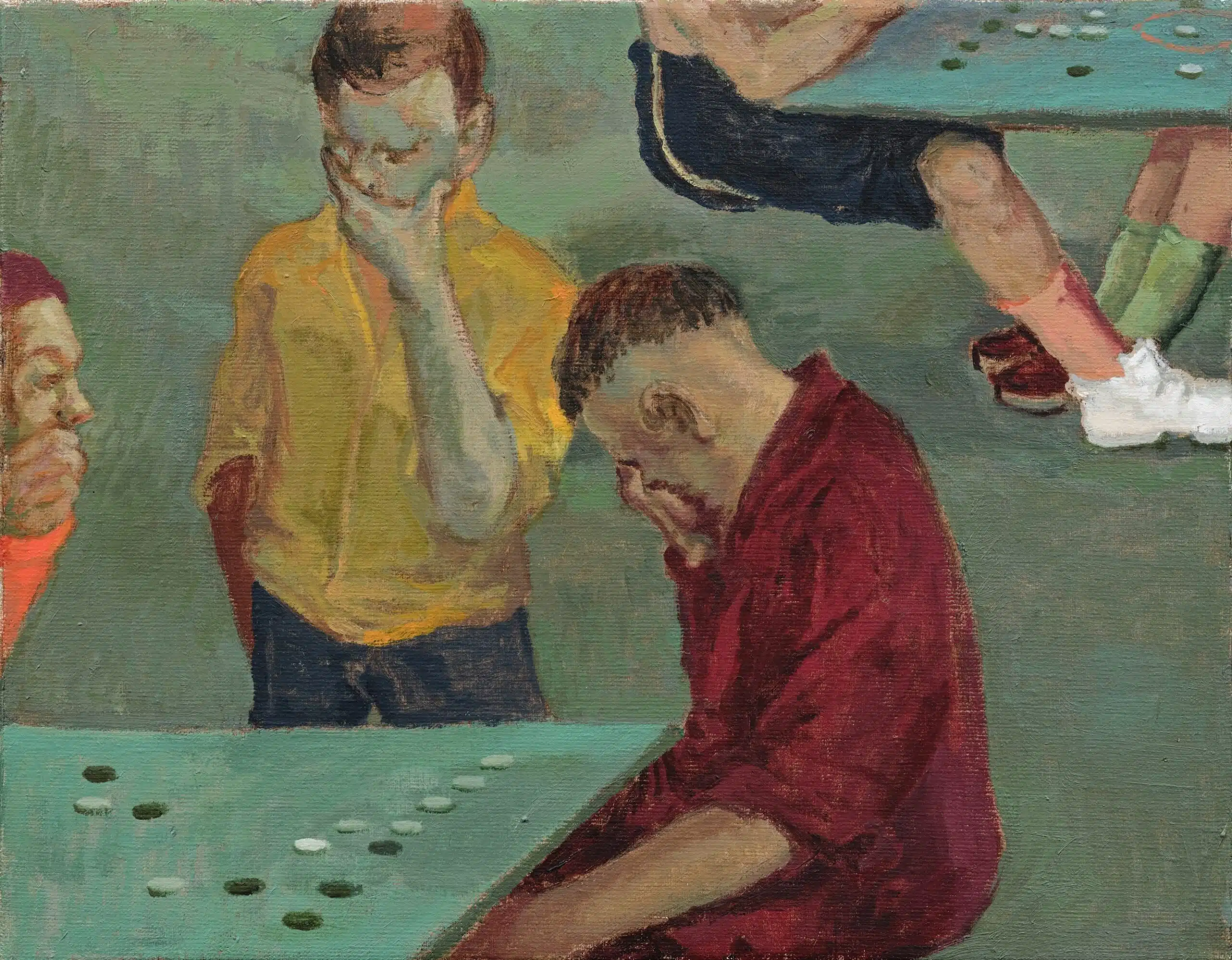
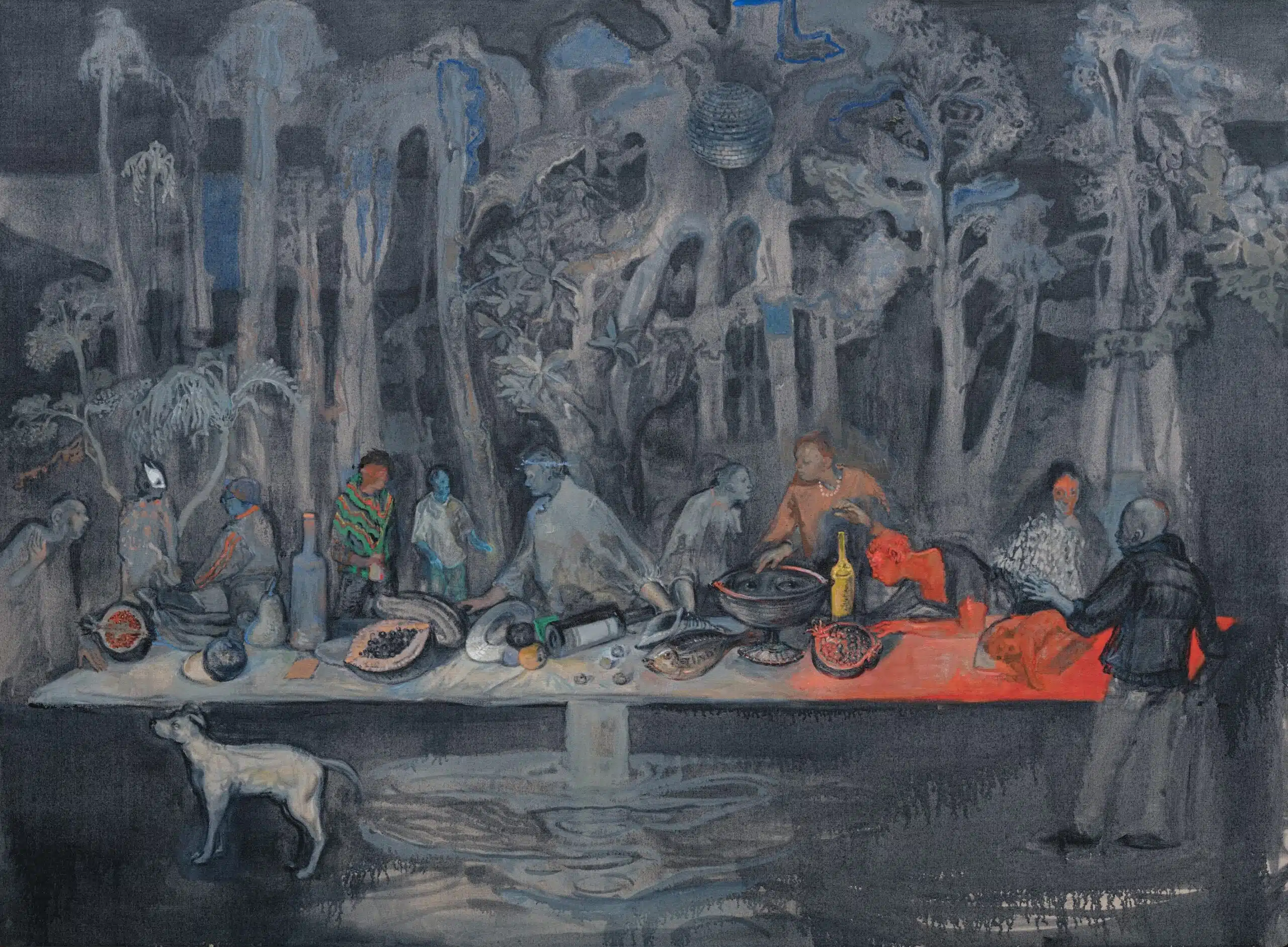
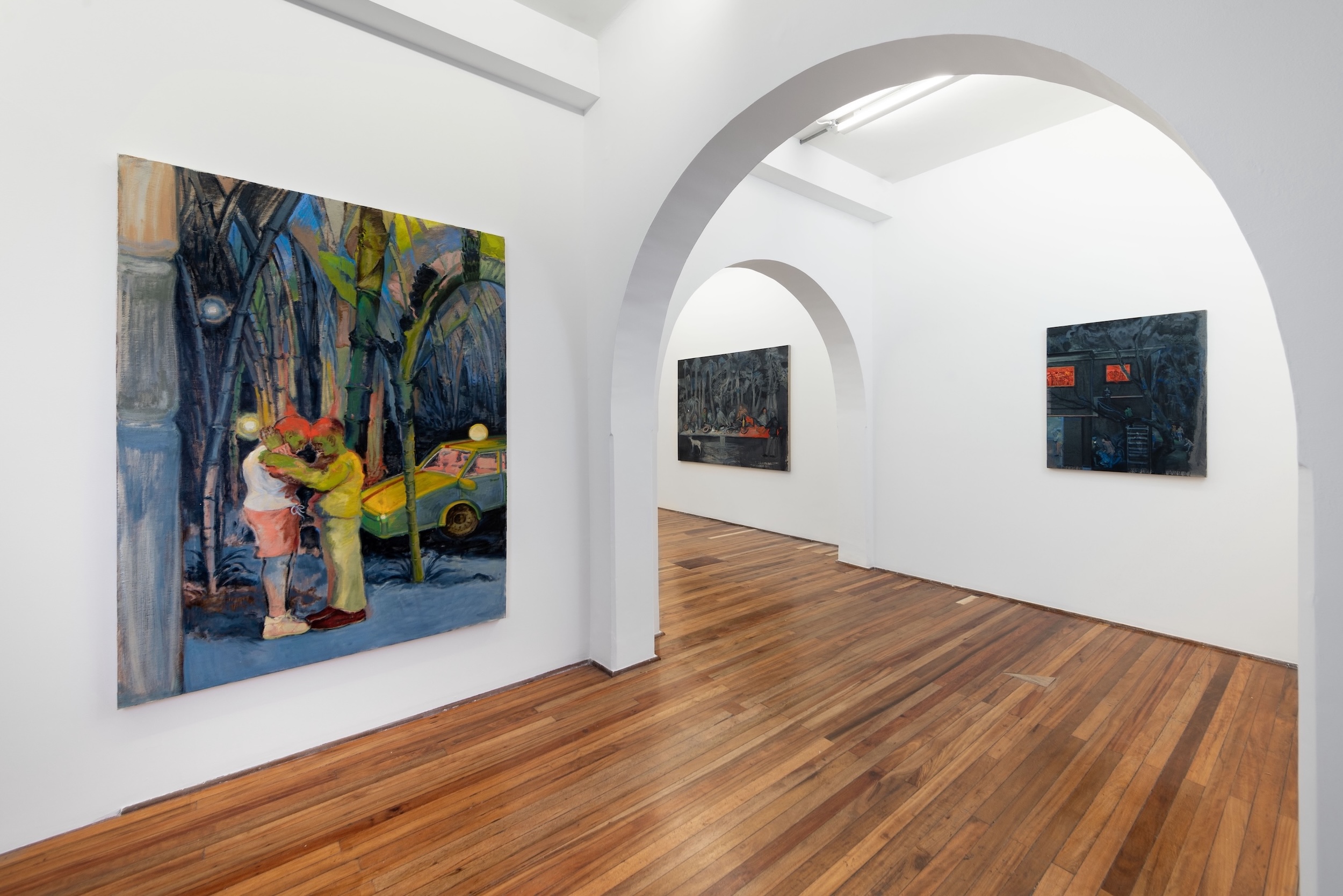
For his first exhibition in Latin America, Chen Ching-Yuan brings together two recent series : Night Walking and The Square. While Night Walking evokes intimate, nocturnal scenes shaped by memory, desire, and the emotional depth of indigo, The Square turns to public space and everyday life to explore the tension between individuality and collective identity in contemporary Asian societies. Together, the works offer a poetic and fragmented reflection on presence, perception, and belonging. Chen Ching-Yuan’s artistic practice moves fluidly between the realms of personal memory and shared social experience, using a poetic yet deliberately ambiguous visual language to probe the boundaries of perception, identity, and collective consciousness. His paintings often explore liminal states— those moments that exist between clarity and uncertainty, presence and absence, the intimate and the public. In his recent body of work, comprising the two interconnected series Night Walking and The Square, Chen invites viewers to enter spaces where time feels suspended, and meaning emerges in fragments.
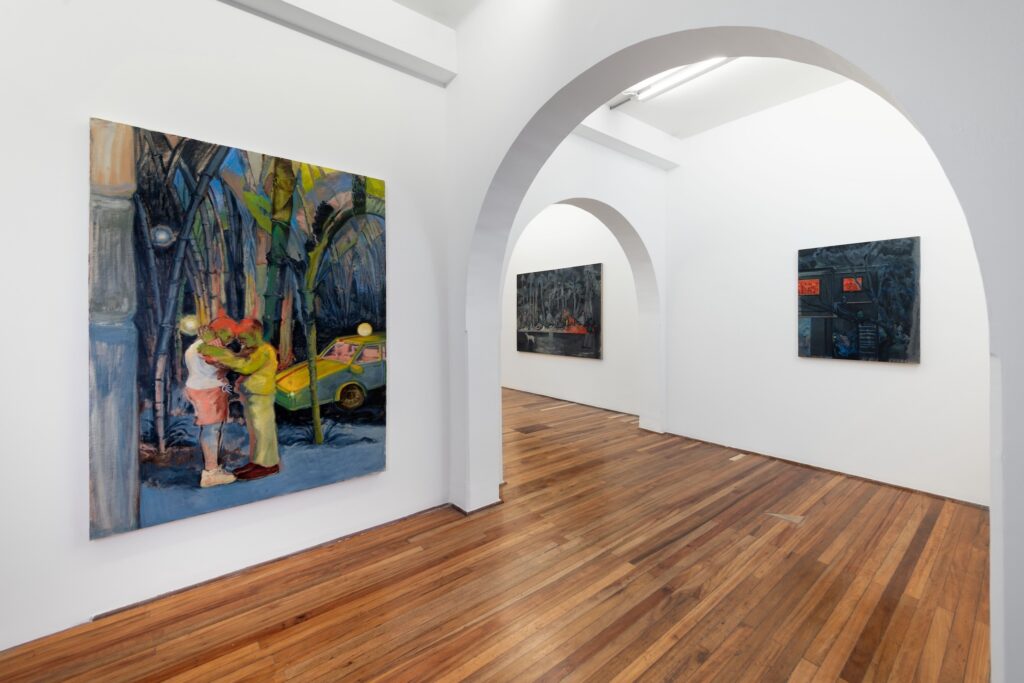
Rooted in his personal experiences and sensorial encounters, Night Walking draws from the deep, immersive tones of indigo—a color charged with emotional and symbolic resonance. It evokes the intimacy of night, the blur of memory, and the ephemeral traces left on the skin and psyche, like the fading marks of tattoos. These paintings are informed by the artist’s nocturnal observations at underground parties and gatherings, where light and shadow merge, bodies drift through space, and desire pulses in the dark. Through layered brushwork and a spectrum of blue hues, Chen constructs a visual landscape that is both tangible and dreamlike—a space of solitude and collective energy, where memories dissolve and reform. Figures appear and disappear, half-glimpsed, suspended in ambiguous gestures, inviting viewers to project their own recollections into the visual and emotional gaps.
READ MORE
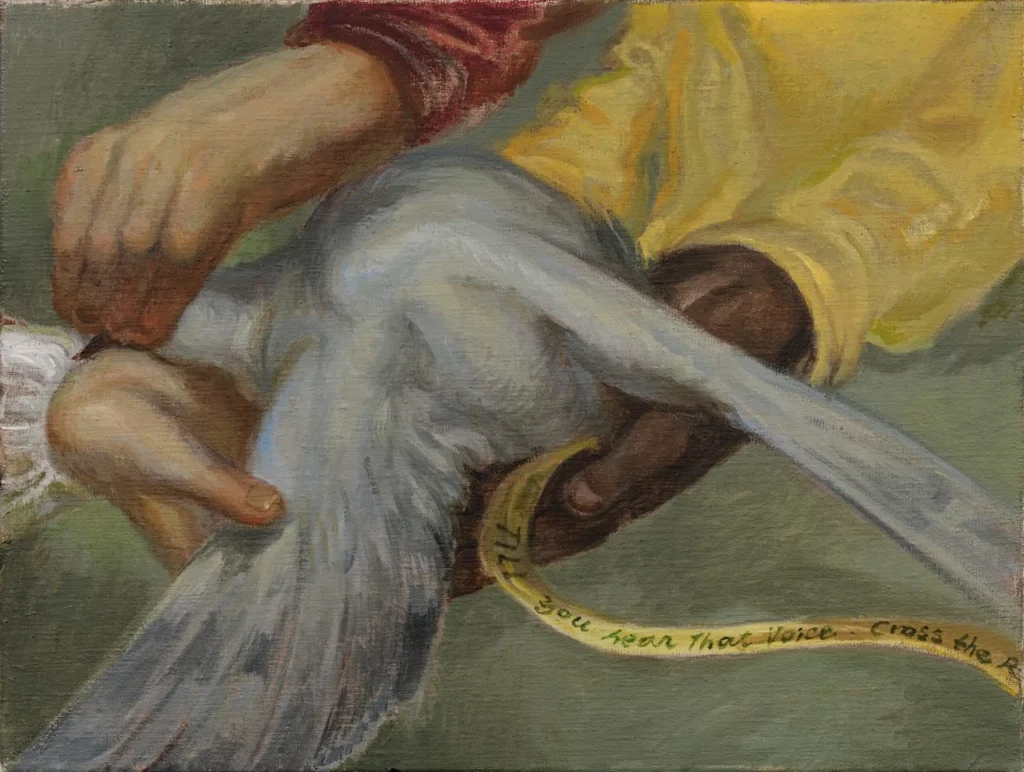
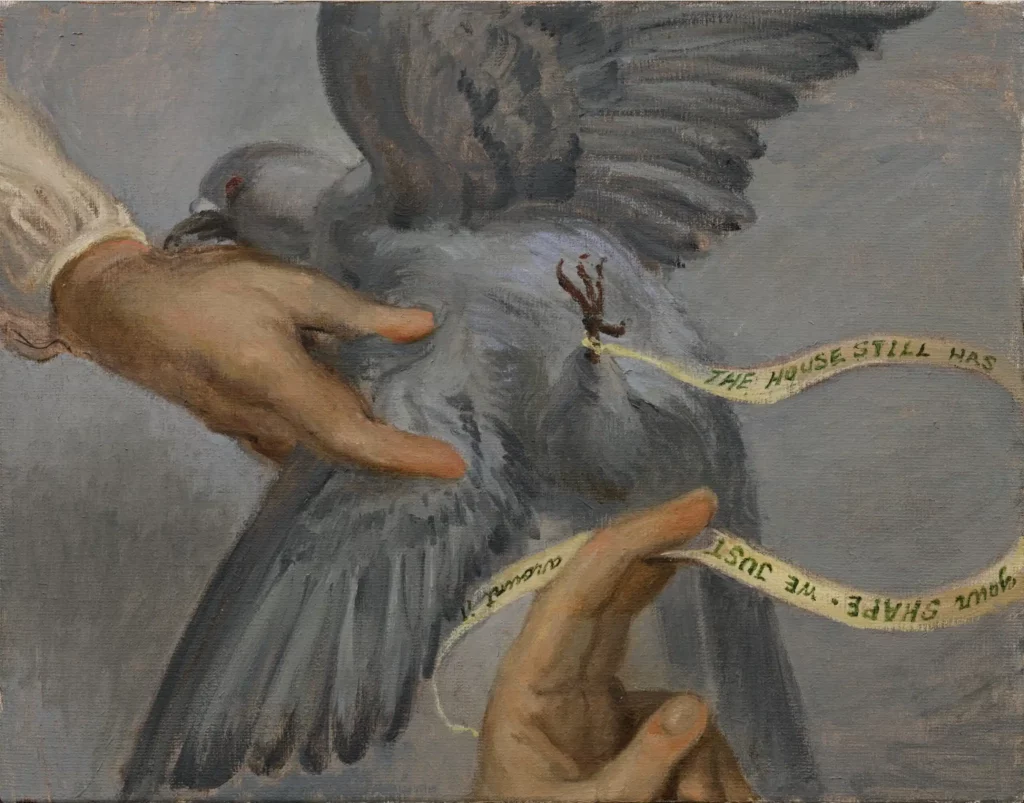
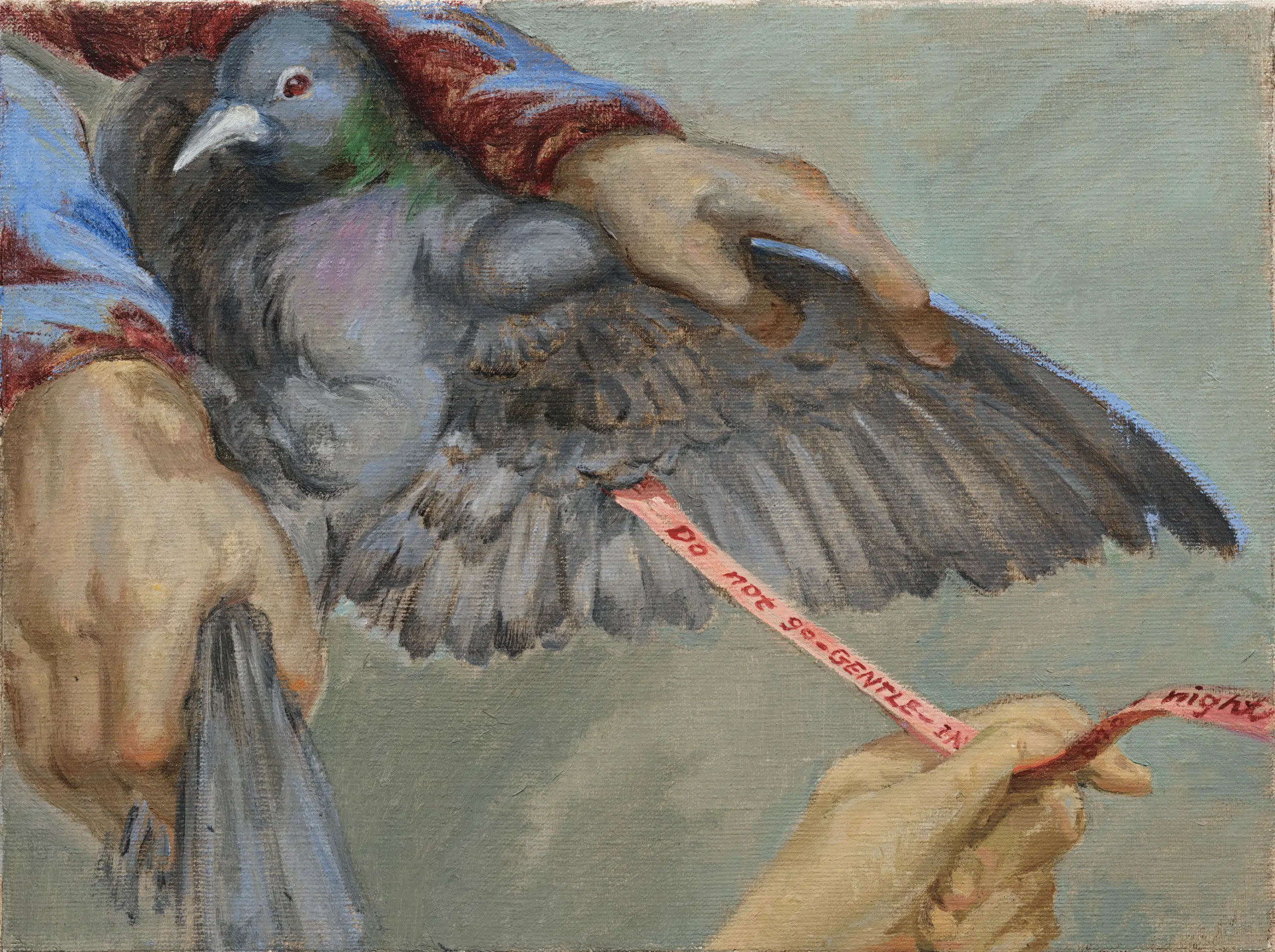
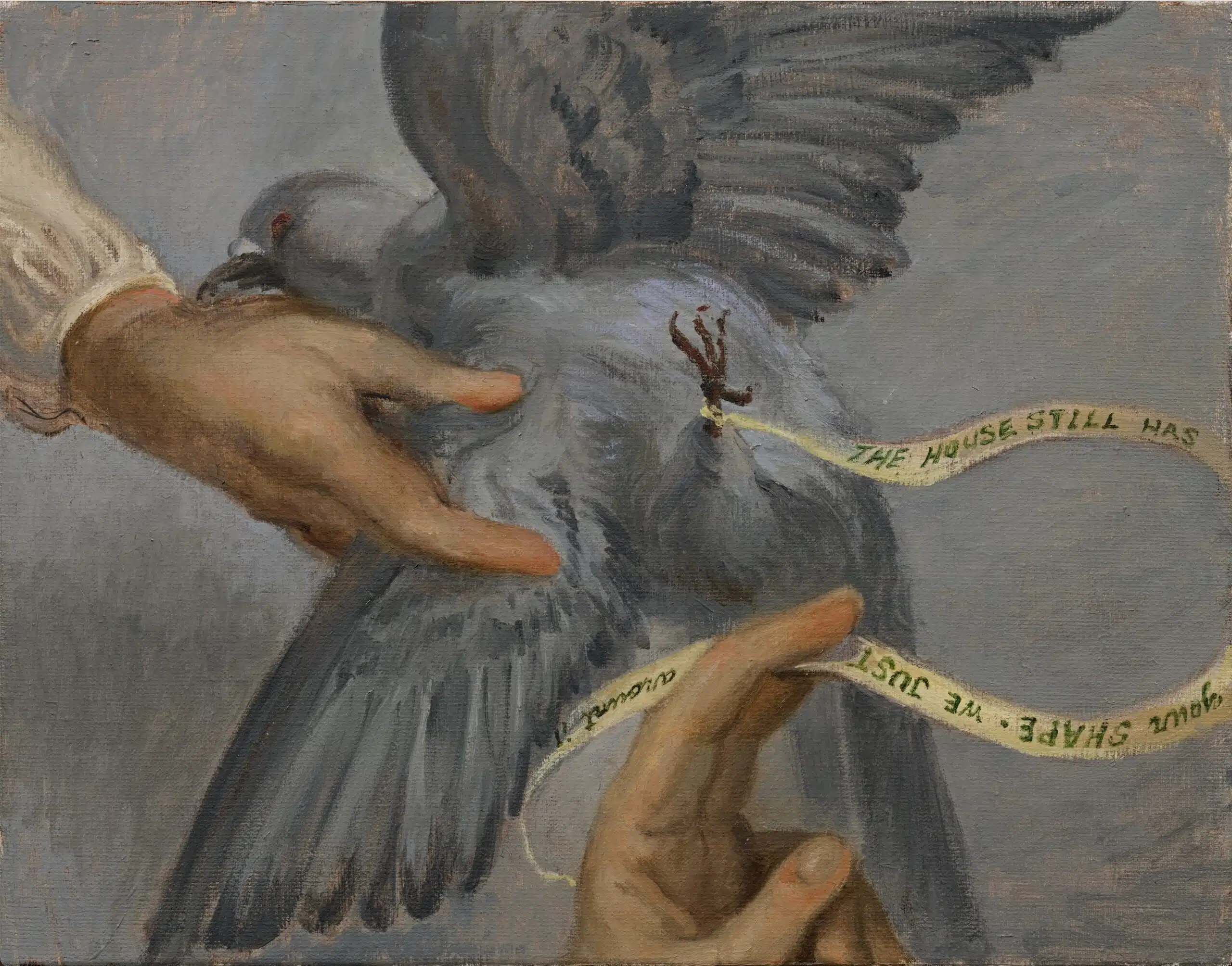
In contrast, The Square adopts a more observational, socially attuned perspective, focusing on the public space of the square as a stage for collective expression, confrontation, and intimacy. Long invested with symbolic weight, squares have served throughout history as places of protest, celebration, mourning, and gathering. Chen portrays the subtle choreography of these spaces—temporary barricades, wrapped monuments, pigeons carrying cryptic messages, lovers embraced at the edges of crowds. Rather than offering clear narratives, these scenes accumulate into a kind of collective portrait, composed of fleeting moments and anonymous presences. The square becomes a living archive of desires, beliefs, and unspoken tensions, constantly shaped by the people who move through it. What unites both series is Chen’s sensitive attention to the fluid, often imperceptible dynamics that shape our relationship to the world and to one another. Through fractured compositions, tonal ambiguity, and the quiet interplay of presence and erasure, his paintings suggest that identity and memory are not fixed, but continually negotiated in the spaces between self and other, moment and history.