LAWRENCE ABU HAMDAN
Overdub
PARIS
SOLO SHOW
14.03-04.05.2026
1. EXHIBITION TEXT
In the exhibition Overdub, Lawrence Abu Hamdan transforms forensic research into a series of sculptural and sonic materializations, exploring the “politics of listening” through the study of traces le by what has been deliberately concealed. Through the use of 3D-printed spectrograms, echographies, and cathode-ray televisions, Abu Hamdan proposes techniques to examine everything that has been “overwrien,” ensuring that suppressed realities do not entirely vanish from our field of perception. The journey begins with an inquiry into physical and acoustic boundaries in the work Pink Floyd. This diptych, designed to be read from right to left, visualizes the frequencies of a sound before and aer it passes through a plaster wall. By revealing how architecture filters the sound spectrum and which frequencies survive the barrier, the work offers a reformulation of the ocular centric notion of private space. While visual boundaries—walls—traditionally serve to delimit property between individuals, listening demonstrates that this separation is porous and unstable.
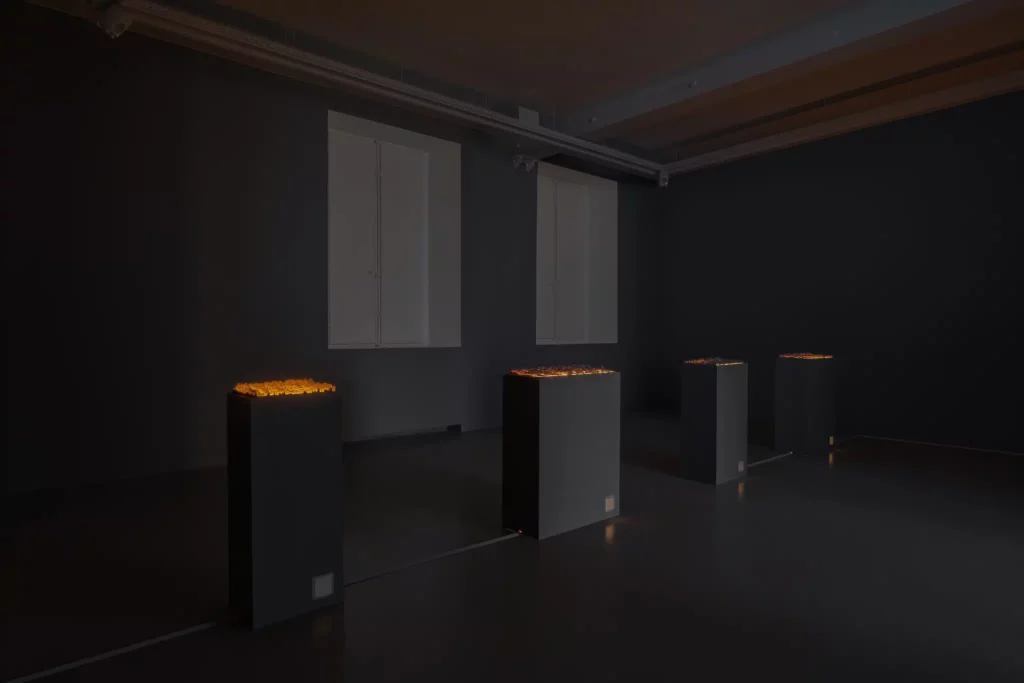
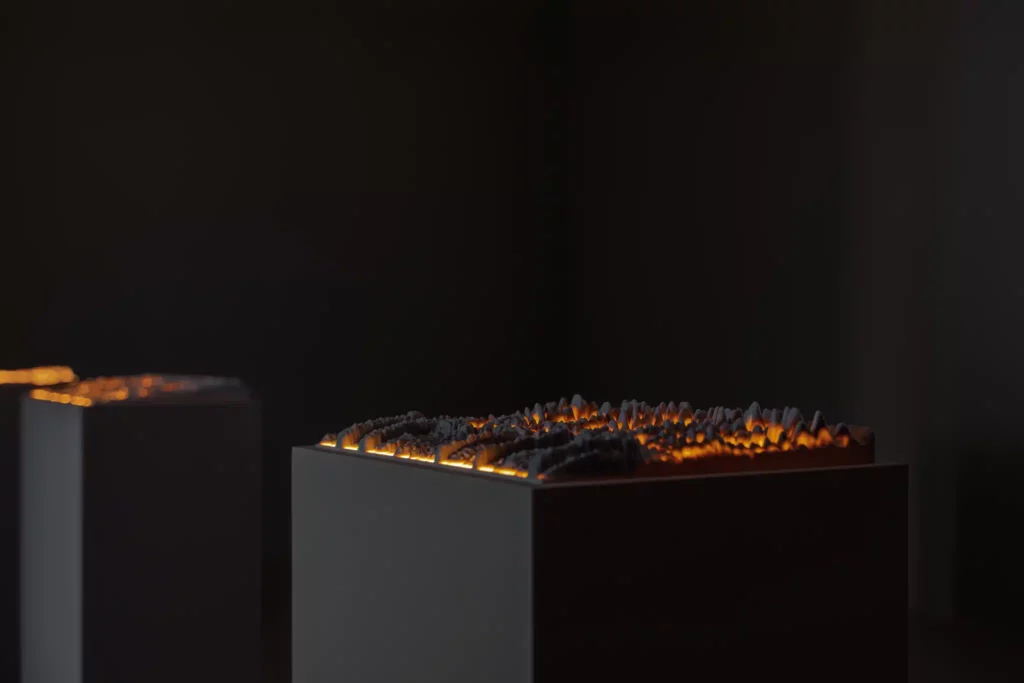
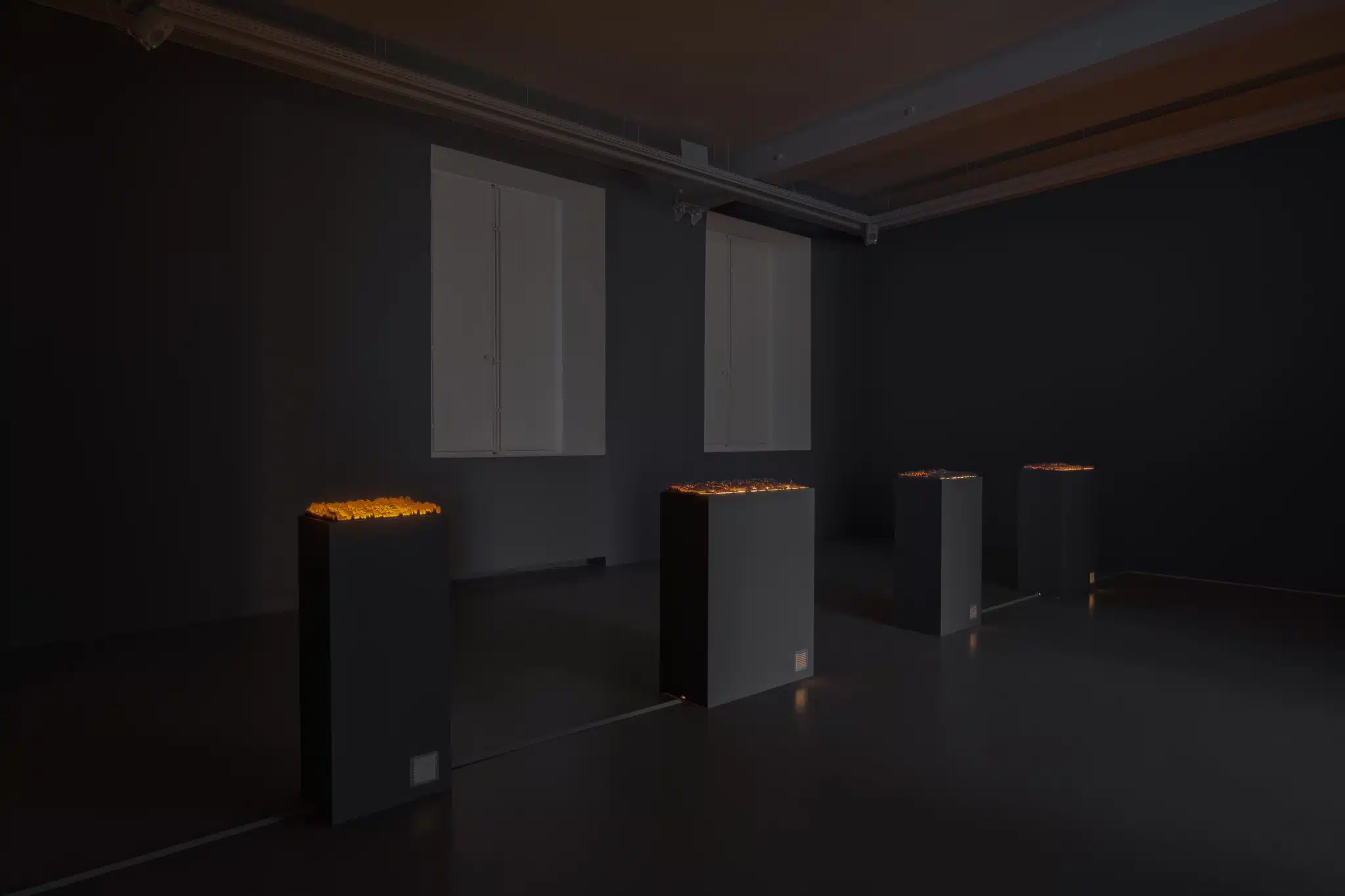
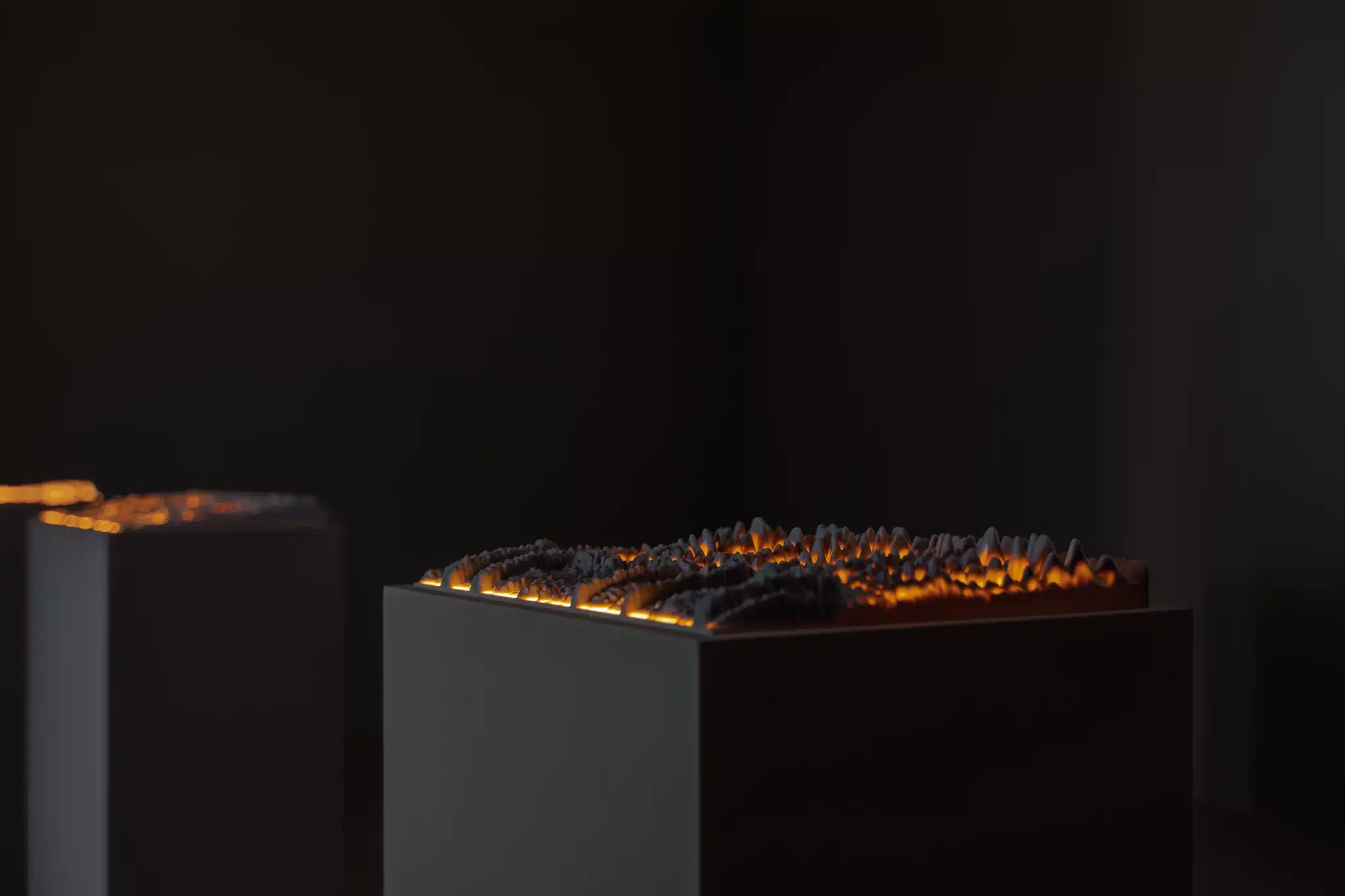
Lawrence Abu Hamdan’s installation Waterfalls, created with the sound investigation collective Earshot*, explores an emerging AI technology used by call centers to modify employees’ voices in real time. This device aims to neutralize
the accents of offshore agents to mask their geographic origin and produce a “placeless voice,” responding to the economic logic of outsourcing and the xenophonia (the irrational fear or dislike of different-sounding voices) of clients in the Global North. The work takes the form of four 3D-printed spectrograms representing different dialects (from le to right: India, Haiti, Philippines, Pakistan). Using a visual technique called “waterfalls,” sound is transformed into topographical relief, turning the accent into a literal landscape. This method transforms sound into topography, and in this work portrays accent as a physical place. The light underneath exposes how AI alters that terrain like a metamorphic process. Where you see the light passing through the resin, this is the original unedited voice of the call centers employees, leaving the dark parts to reveal the synthetic and artificially generated speech signal.
READ MORE
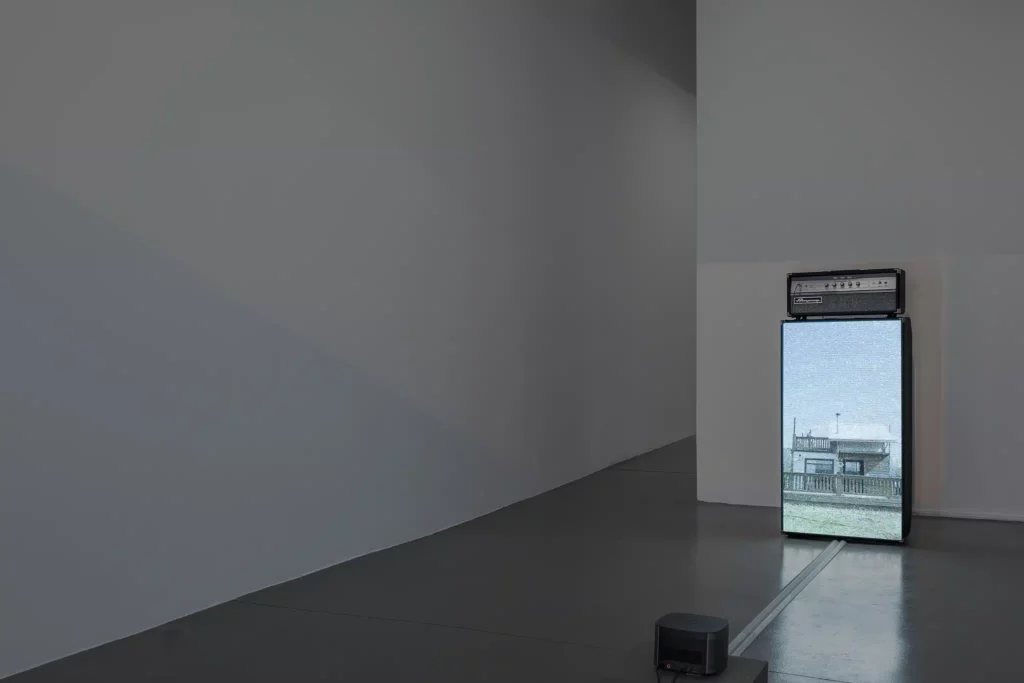
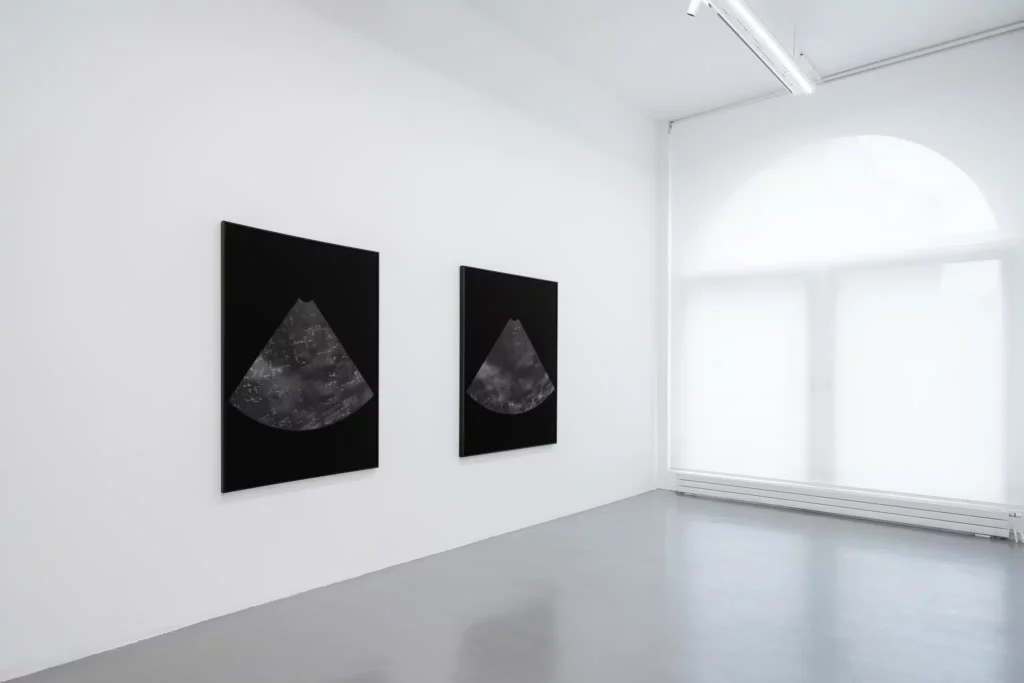
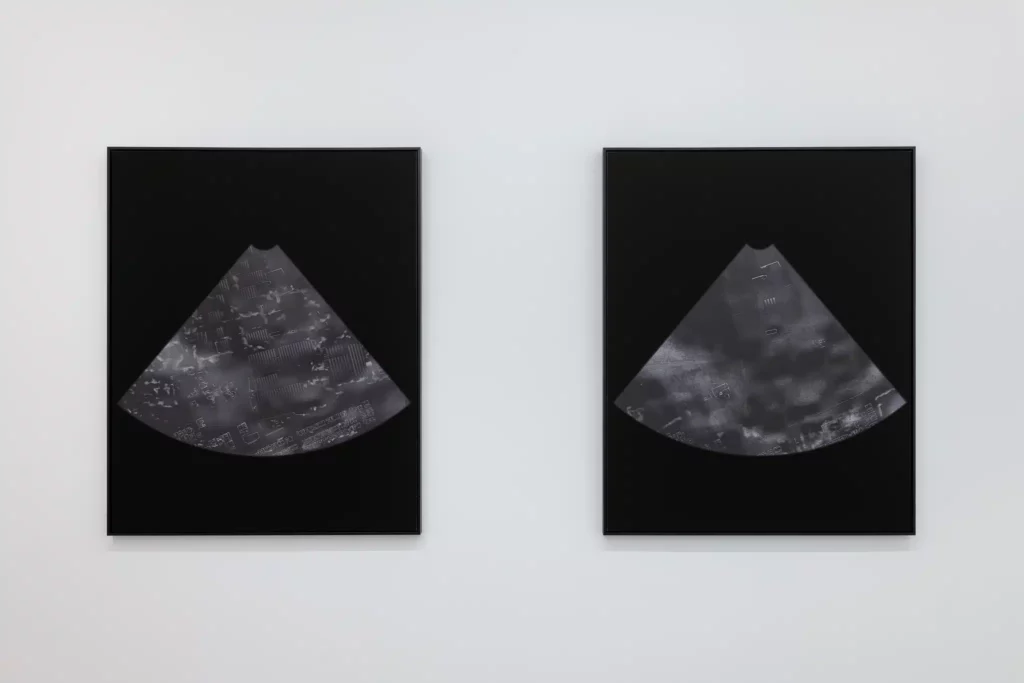
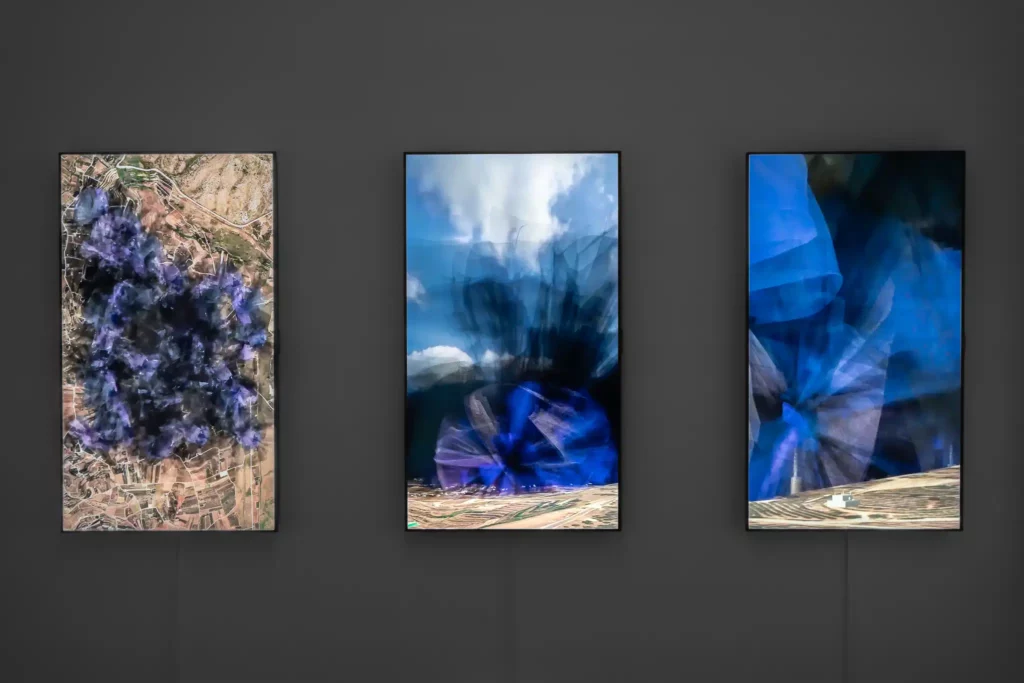
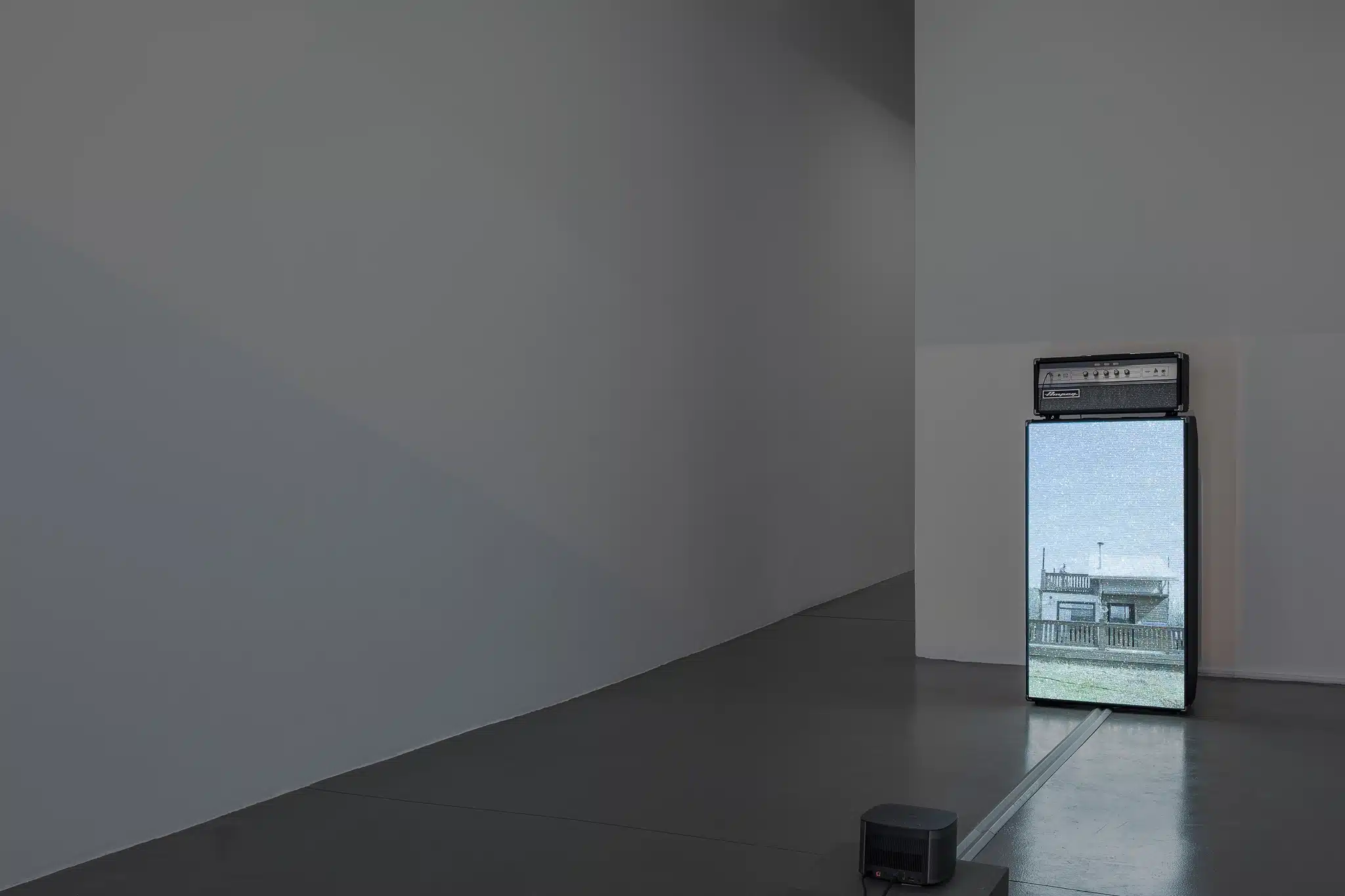
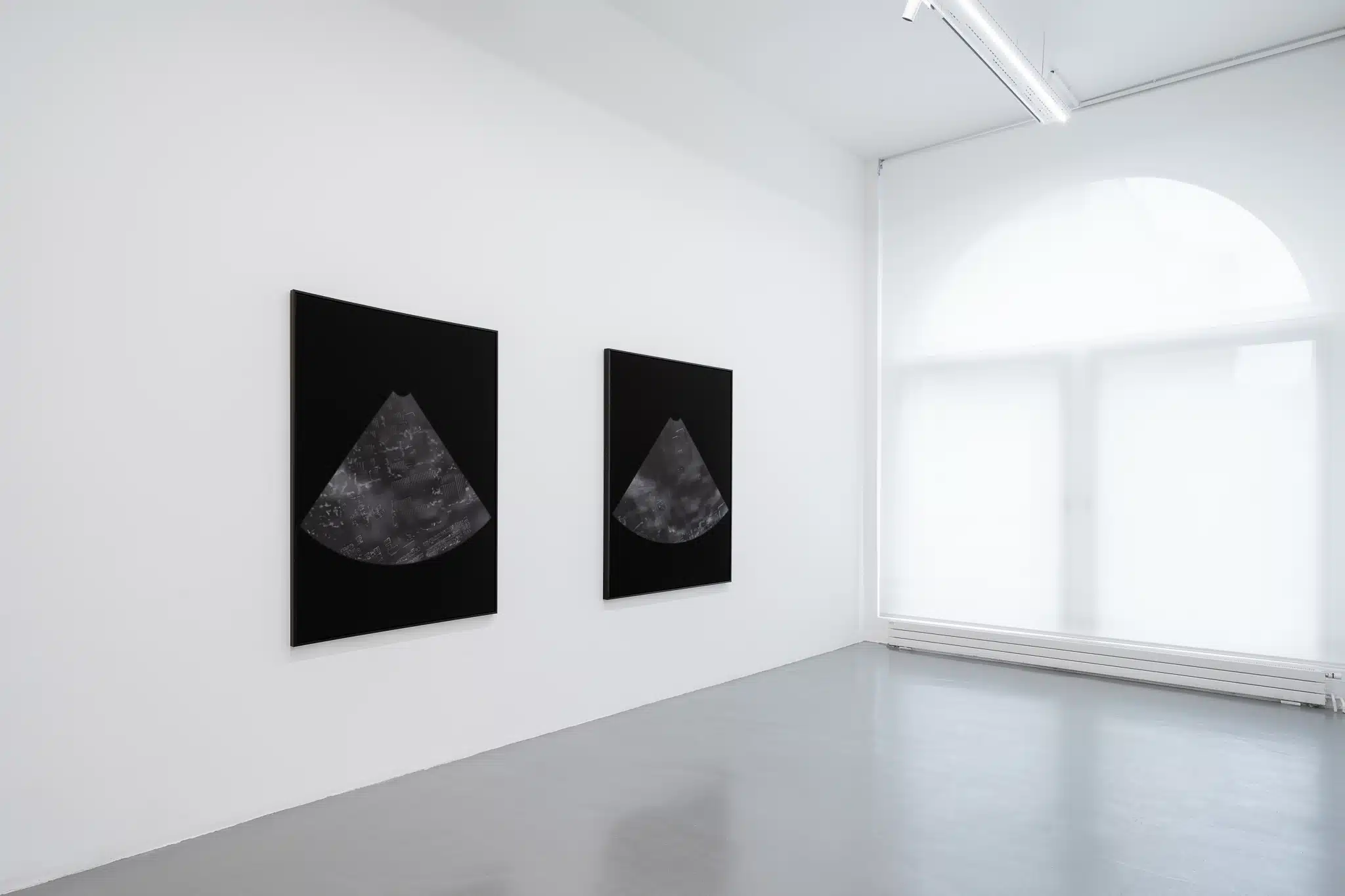
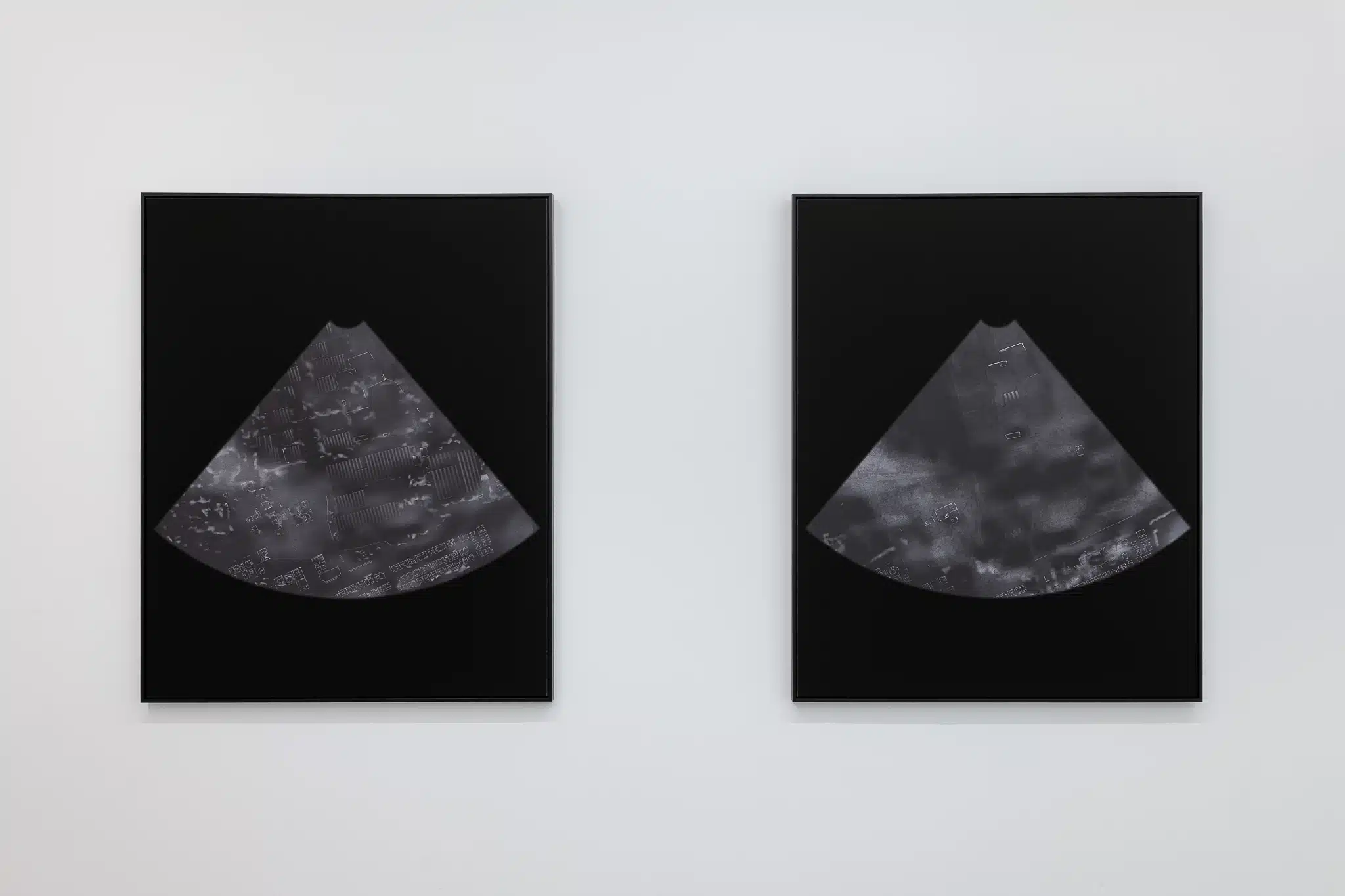
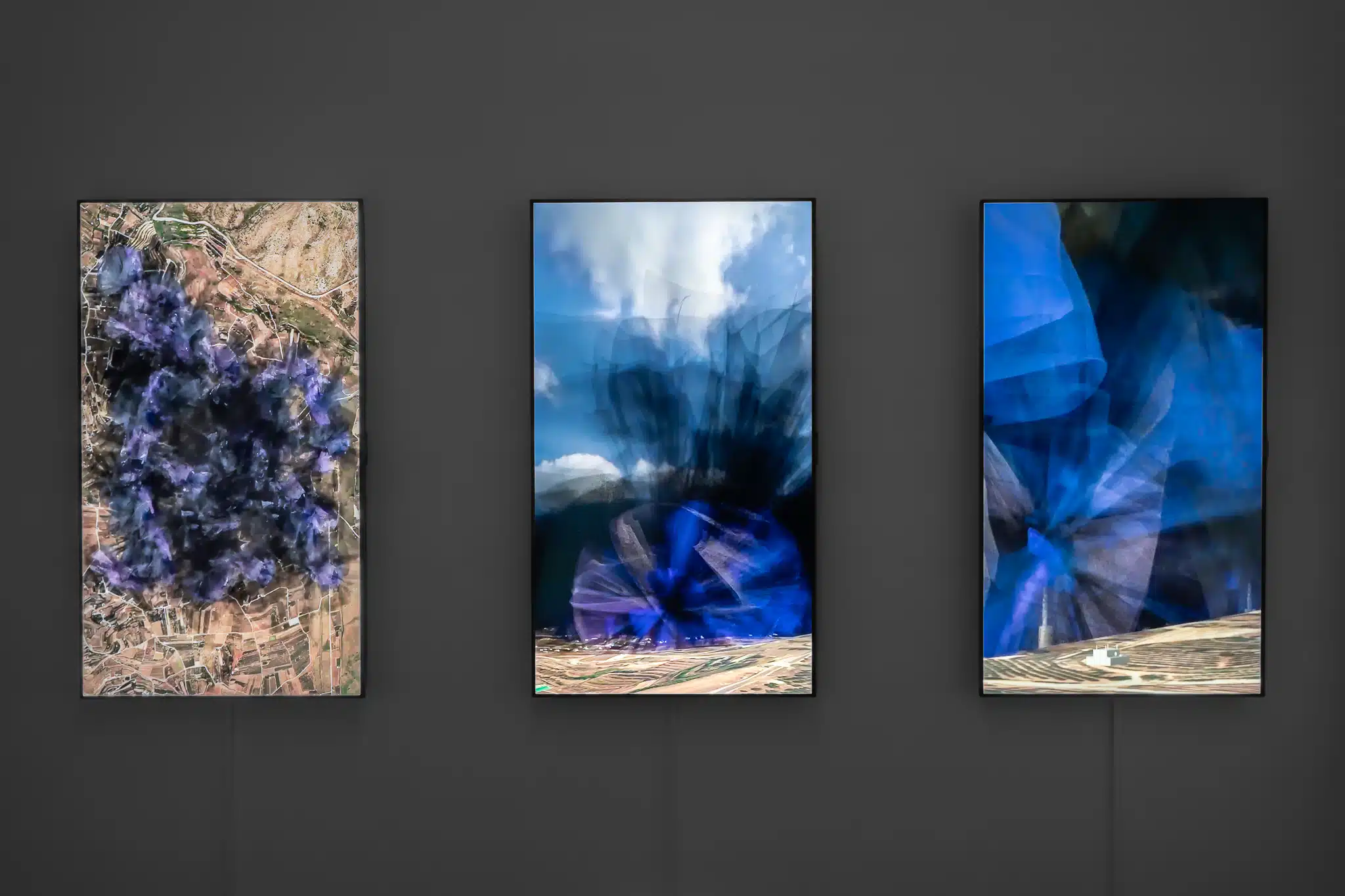
Echography of Tel Al-Sultan uses acoustic study as political evidence. Since October 2023, Abu Hamdan and his colleagues at Earshot have listened closely to incidents and victims across Gaza. But in this investigation, they heard how the very sound of the area itself has fundamentally changed. Echography is a technique most commonly associated with prenatal scans, used to see inside the womb. In such scans, any hard surface that produces an echo is rendered in white; any soer surface that absorbs and refracts sound appears in grey; and any area through which sound passes unhindered is rendered black. Here, the process of echography is applied not to observe the formation of life, but to measure its erasure. It is applied to the landscape of the Tel Al Sultan neighbourhood, which was transformed from a rural community in 2023 into a devastated zone by 2025. In the shadow of the failure of photographic images circulating from Gaza, these before-and-aer echographs are an aempt to experiment with new techniques of making sensible the complete destruction of civilian life. This territorial warfare finds an echo in the series dedicated to the Syrian Golan Heights, Tilting at Windmills. In 2023 political unrest erupted throughout the area on a scale unseen for more than 40 years. The focus point of this protest movement was the looming construction of 31 of the largest land based wind turbines on the last remaining open space le for the Jawlani Syrians. Though European regulations stipulate that a wind turbine of this size must be at least 2 kilometers away from the nearest residential developments, this project has planned turbines to be erected as close as 35 meters to homes, causing an unbearable amount of noise that will effectively force people off their land. This work is an aempt to visualise the sonic turbulence created by wind turbines and show the amount of acoustic space they consume and how their noise propagates across the landscape. The work Wind Ensemble is part of the same body of work that examines the social impact of noise pollution from wind turbines. This audiovisual installation documents a performance of Jawlani saxophonist Amr Mdah ringing out from the balcony of a farm house, one of 1300 homes which will soon be rendered uninhabitable by the vast noise of the turbines. Here, the house projected on a the mesh of a huge bass amp becomes a stage for an exuberant act of sonic self-determination; the principle that on your land you decide what noise you make, what noise you permit and what sounds define your community.
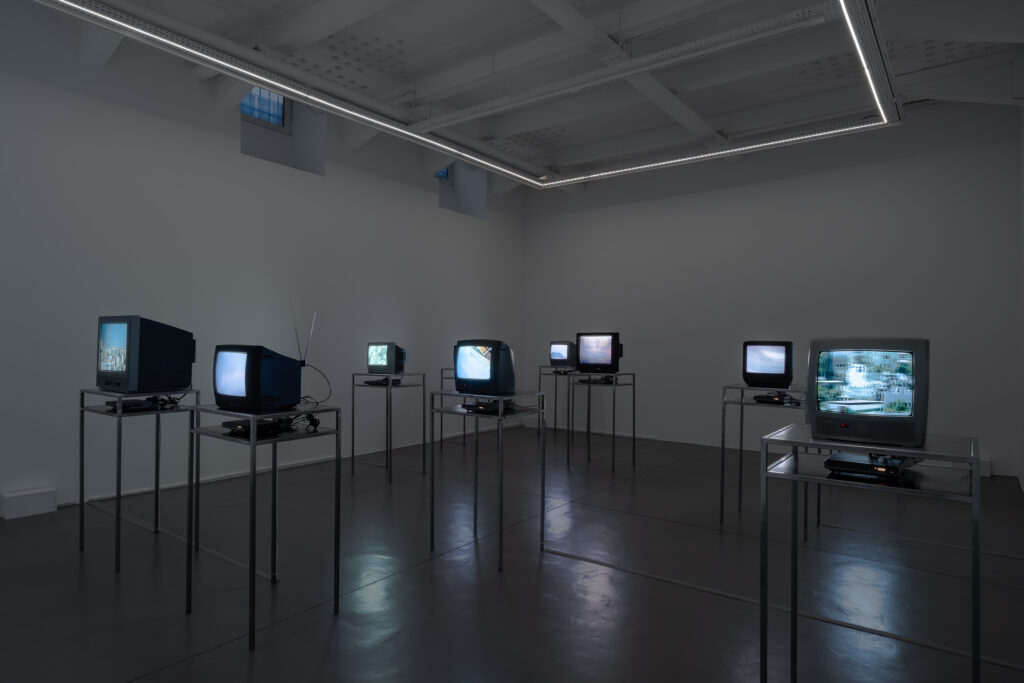
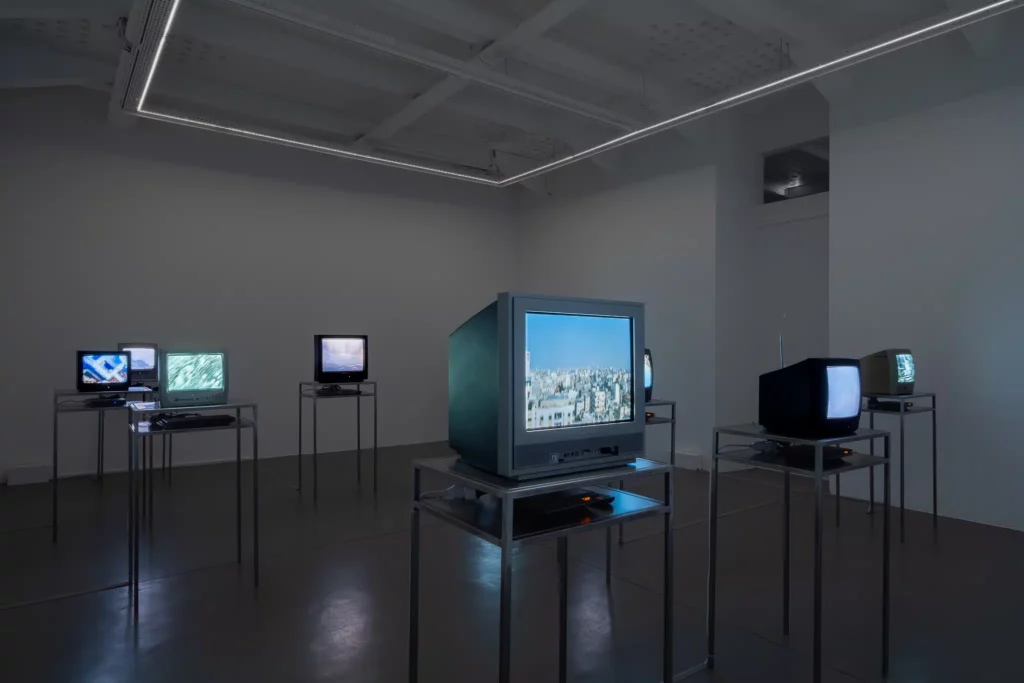
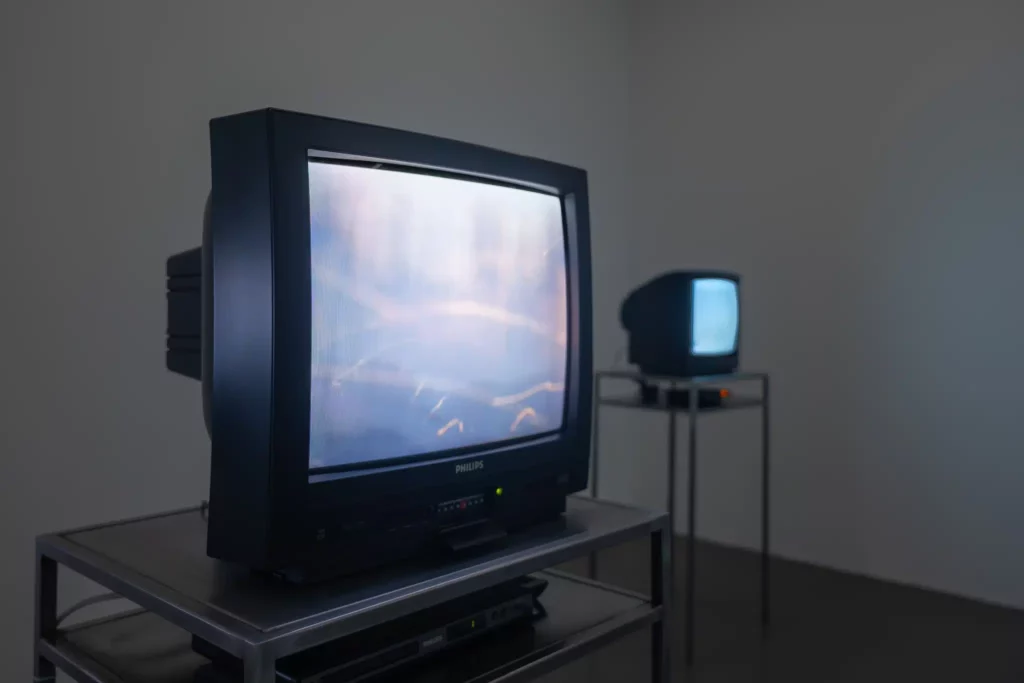
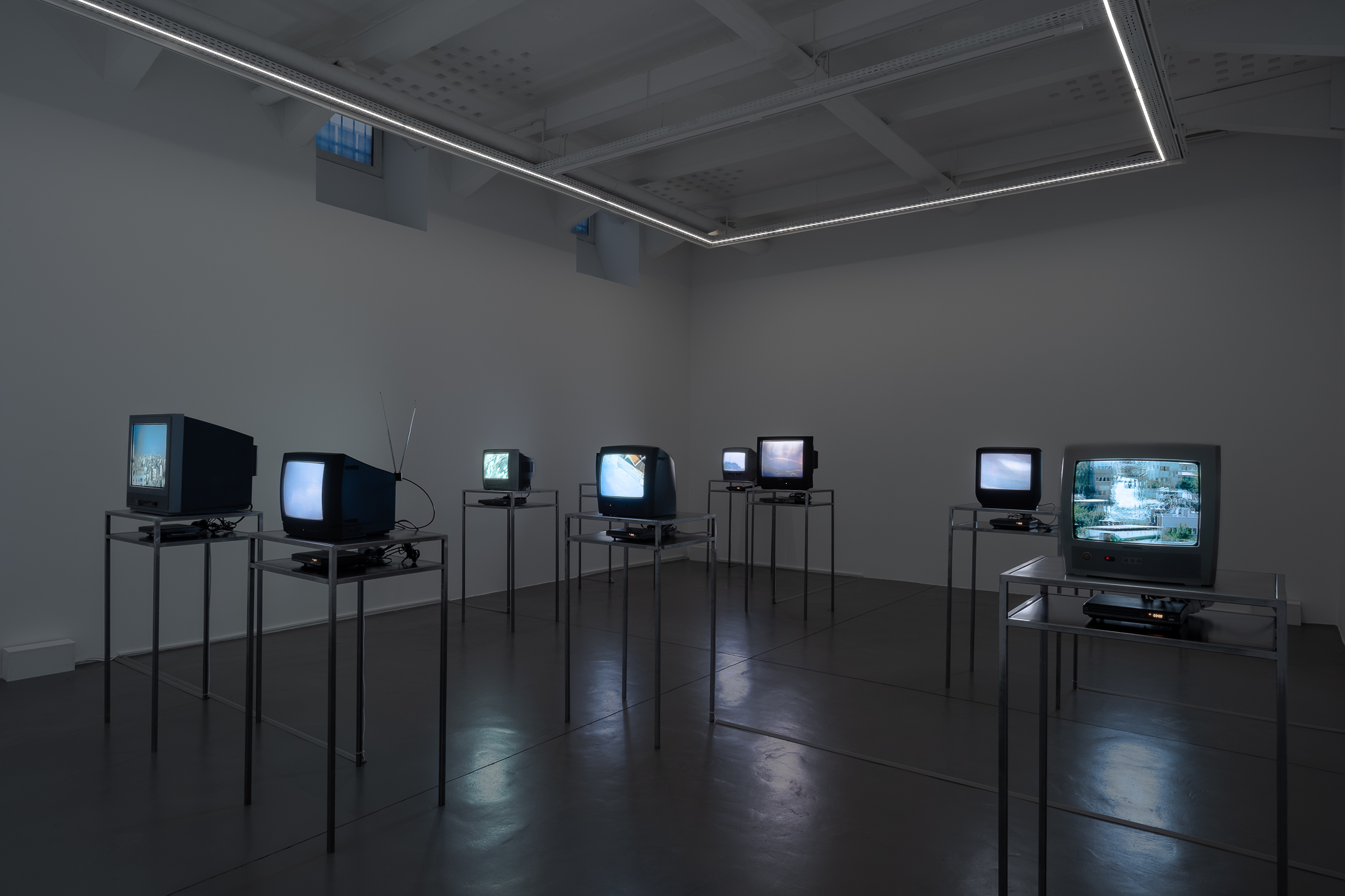
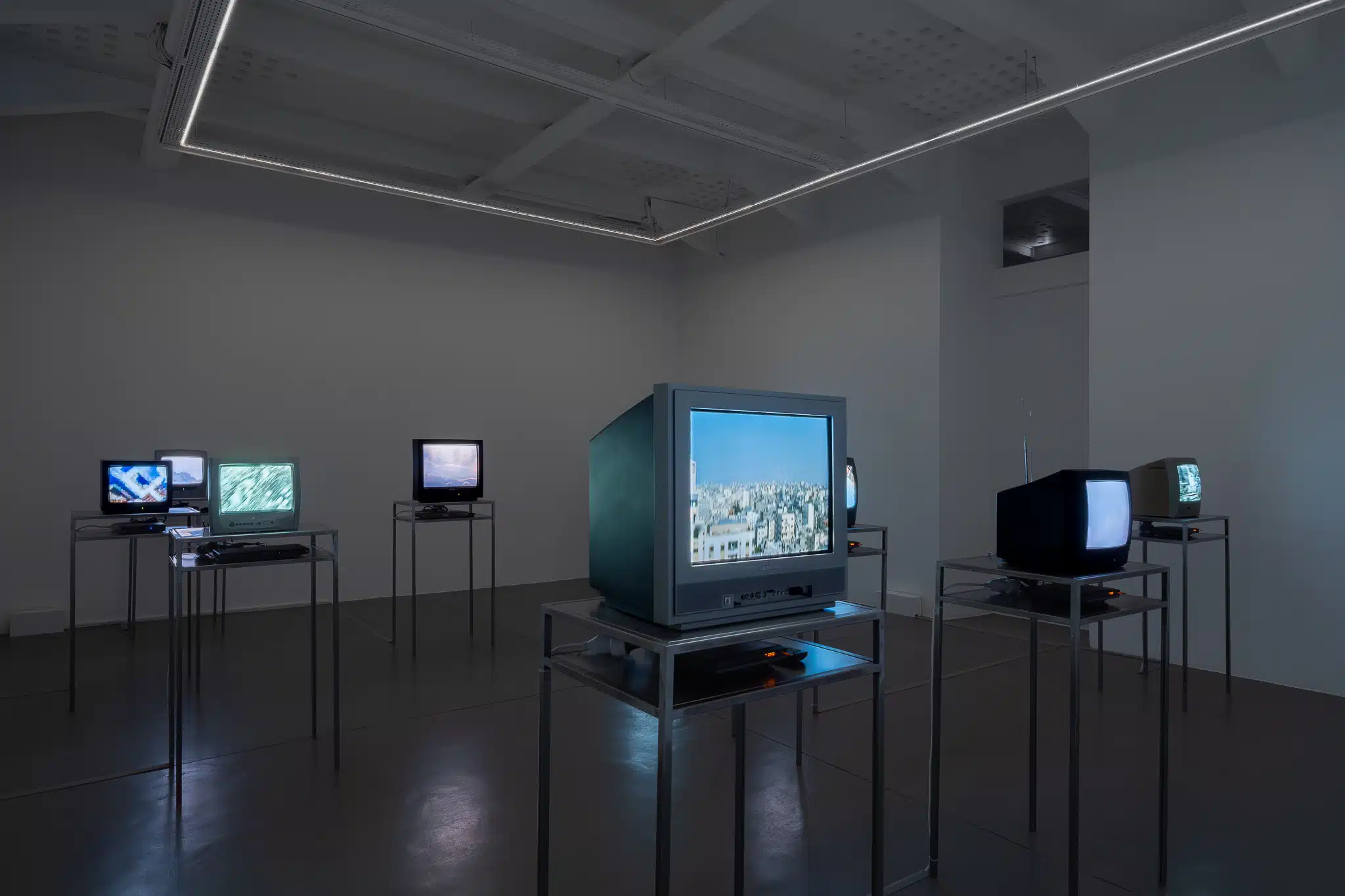
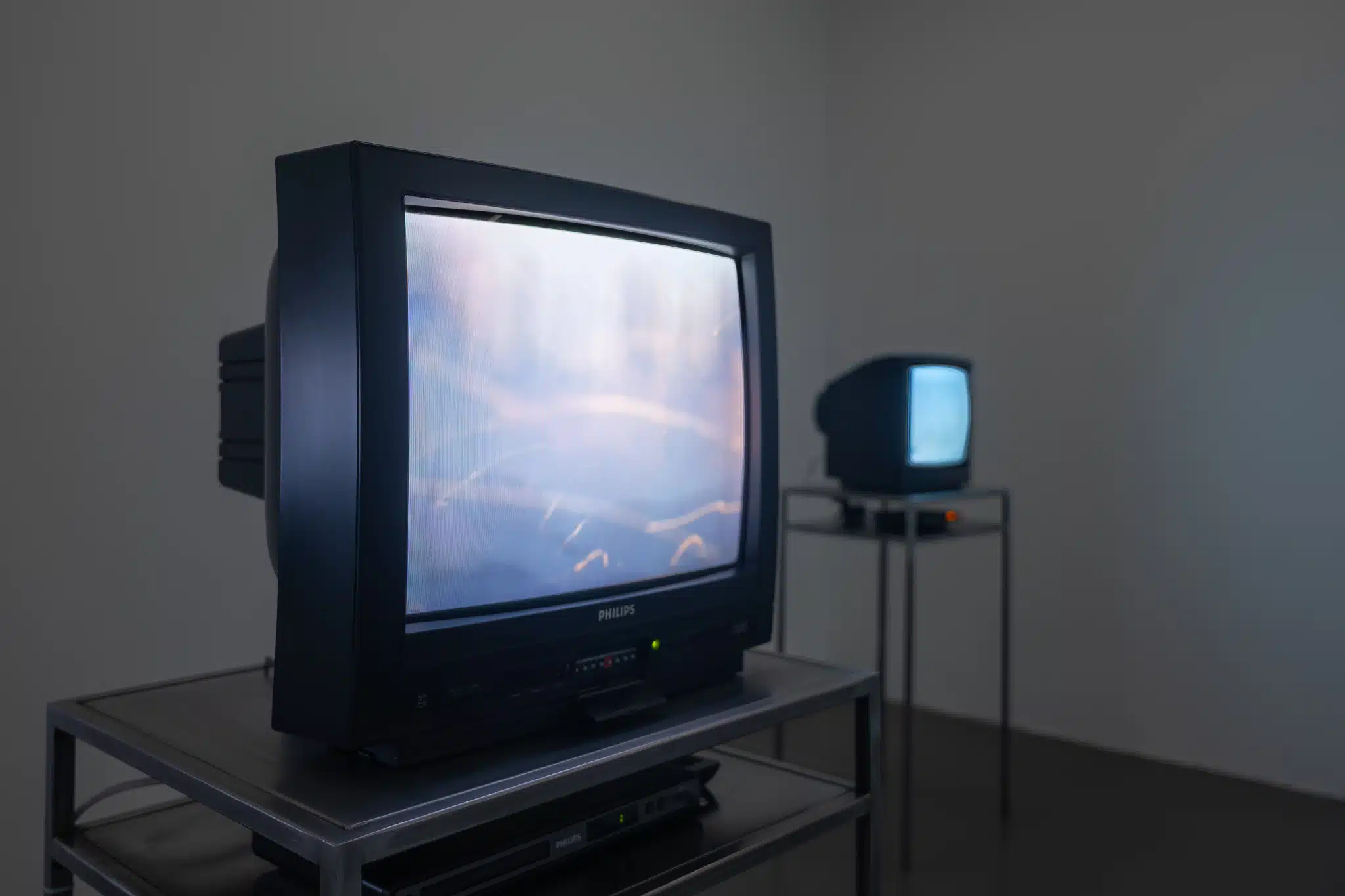
The exhibition concludes with the erasure of the witness itself in Planned Obsolescence. Lawrence Abu Hamdan and Earshot observe a disturbing trend: unlike past conflicts documented from a distance, cameras and journalists are now the direct targets of aacks. The work presents the final images captured by these devices at the precise moment of their destruction. The title is taken from the term by which tech corporations systematically manufacture obsolescence into their products to maintain the cycle of overconsumption. These image documents are shown on TVs that have been picked up in vintage stores, equipment that has survived their planned obsolescence and still functions despite being ‘outmoded’. In this way, the work puts into contradiction a media that is at its most vital and needed, a media that is under threat of extinction with the devices of their display, devices that, despite being unwanted, somehow remain alive.
*Founded by Lawrence Abu Hamdan, Earshot is a British NGO that uses sound as a tool for human rights advocacy, conducting acoustic investigations on behalf of populations victimized by social, political, and environmental injustices.