GUADALUPE MARAVILLA
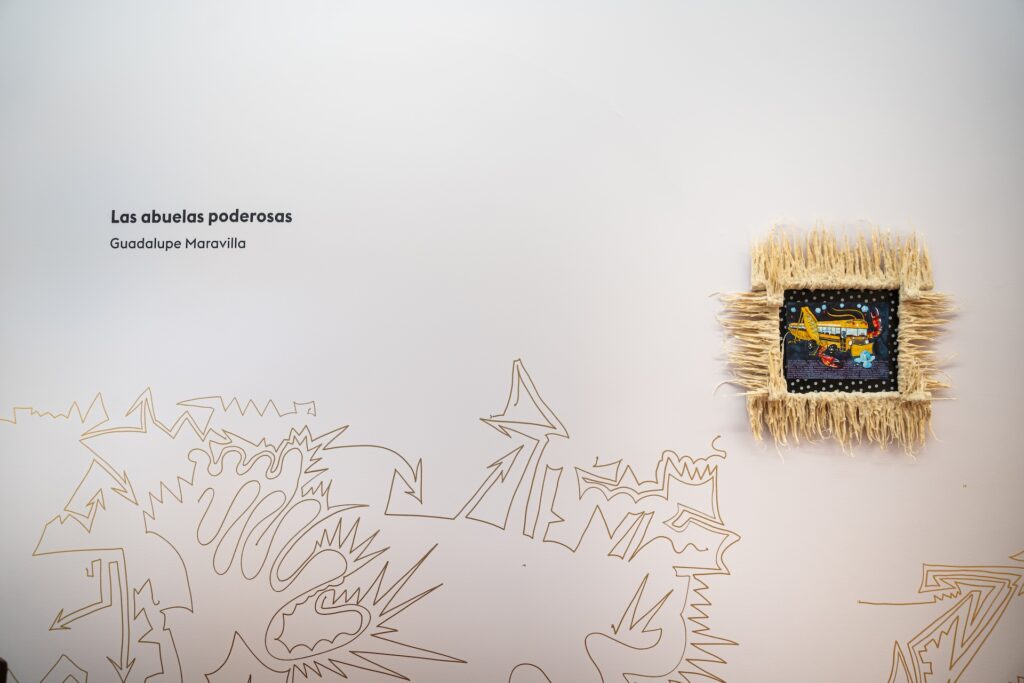
Las abuelas poderosas
BOGOTA
SOLO SHOW
25.09-29.11.2025
1. EXHIBITION TEXT
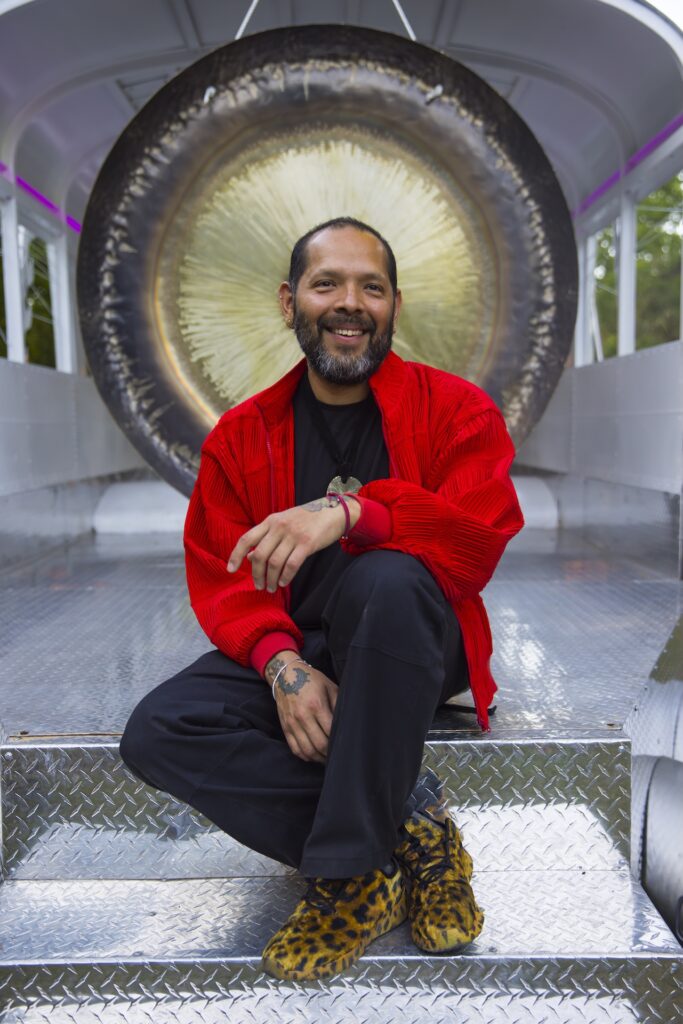
Guadalupe Maravilla (b. El Salvador, 1976) is an artist, humanitarian, and healer. At the age of eight, during the Civil War in El Salvador (1980–1992), he was part of the first wave of children displaced and separated from their families due to the violence of the war. In search of refuge, he crossed the US border and grew up in the United States, eventually obtaining citizenship in 2006. Drawing on this experience, the artist transforms his personal history into a visual and ritual
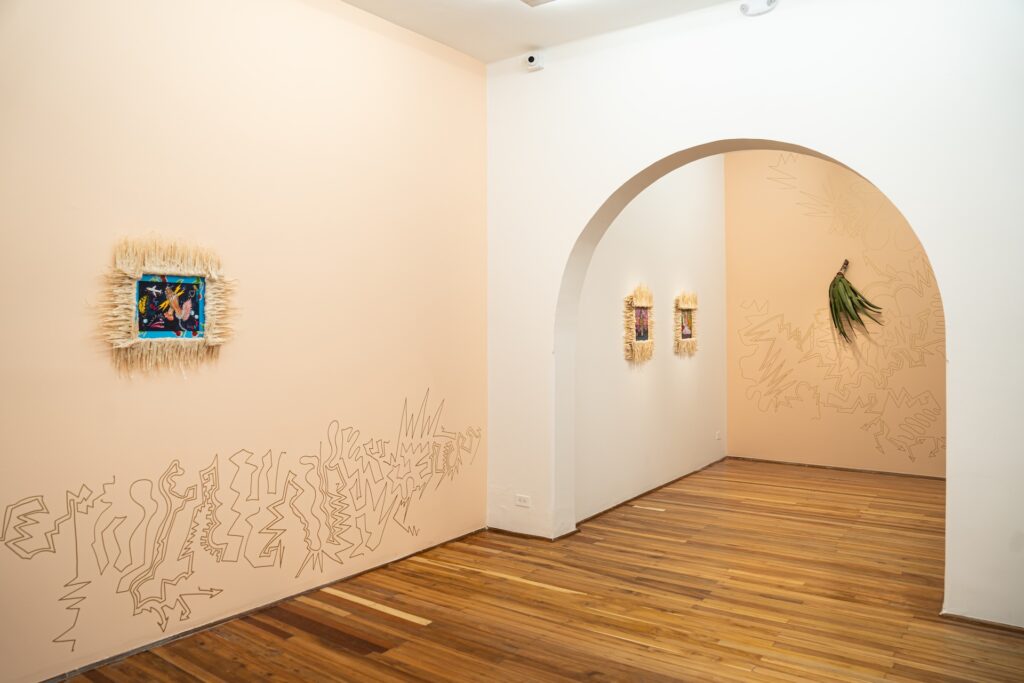
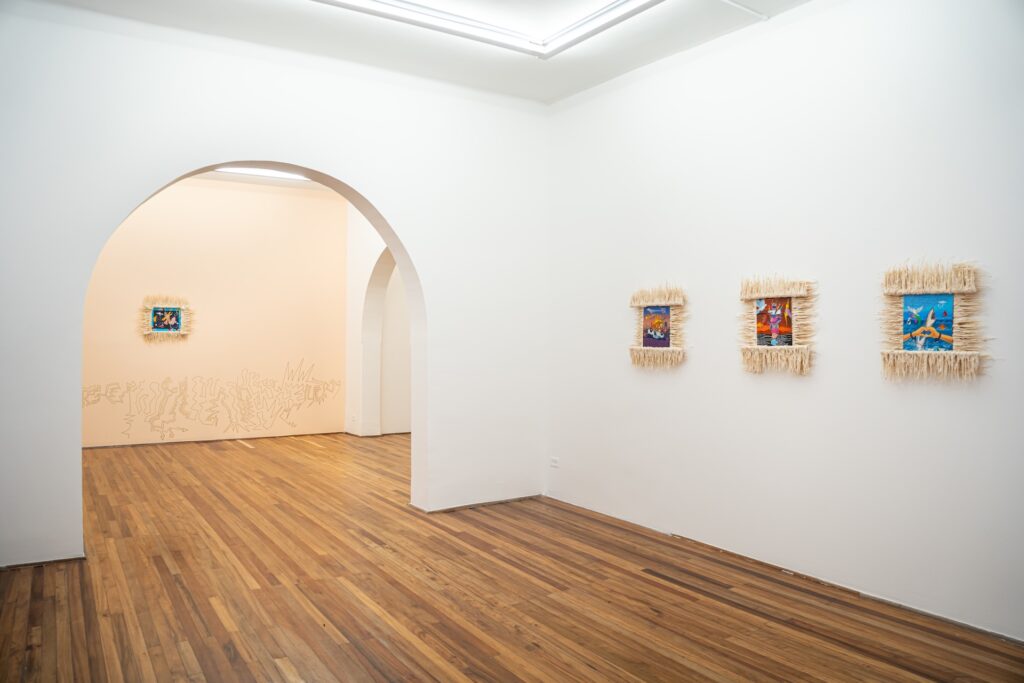
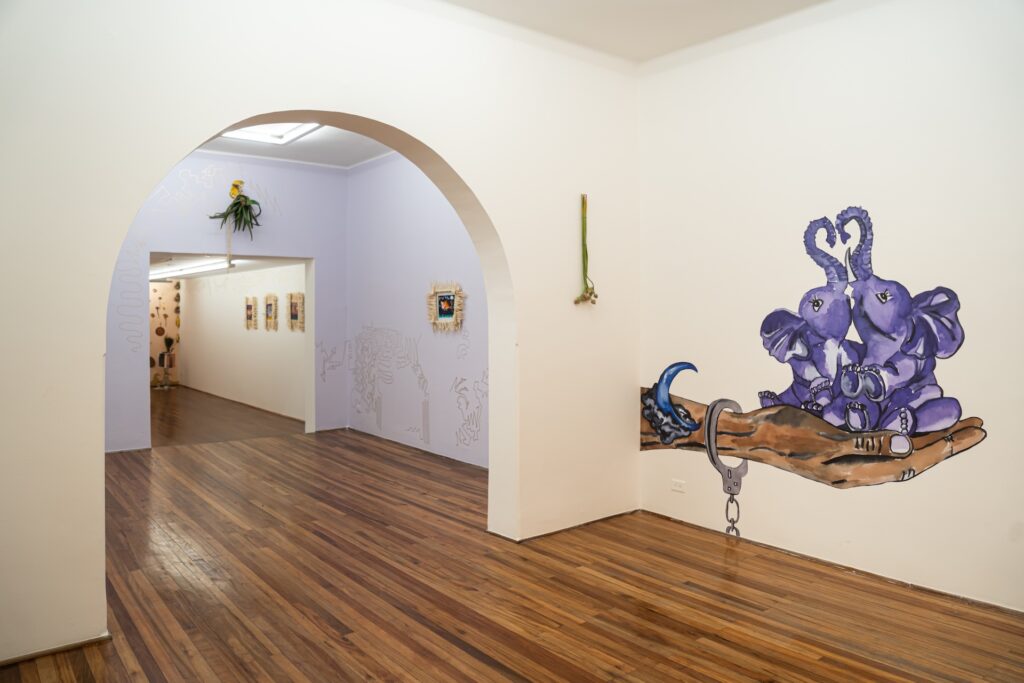
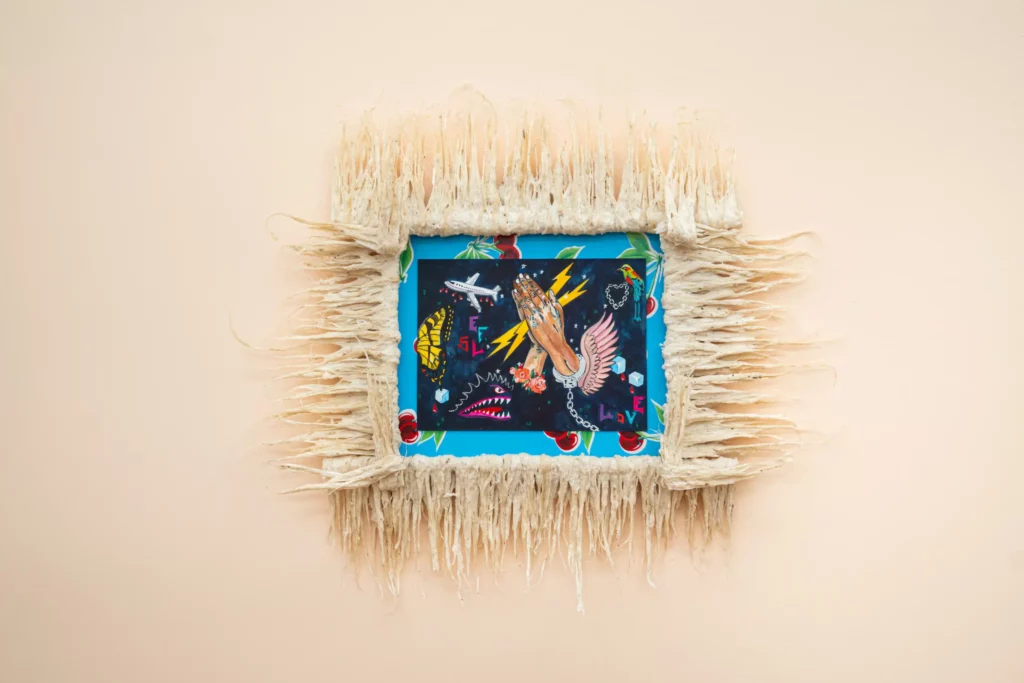
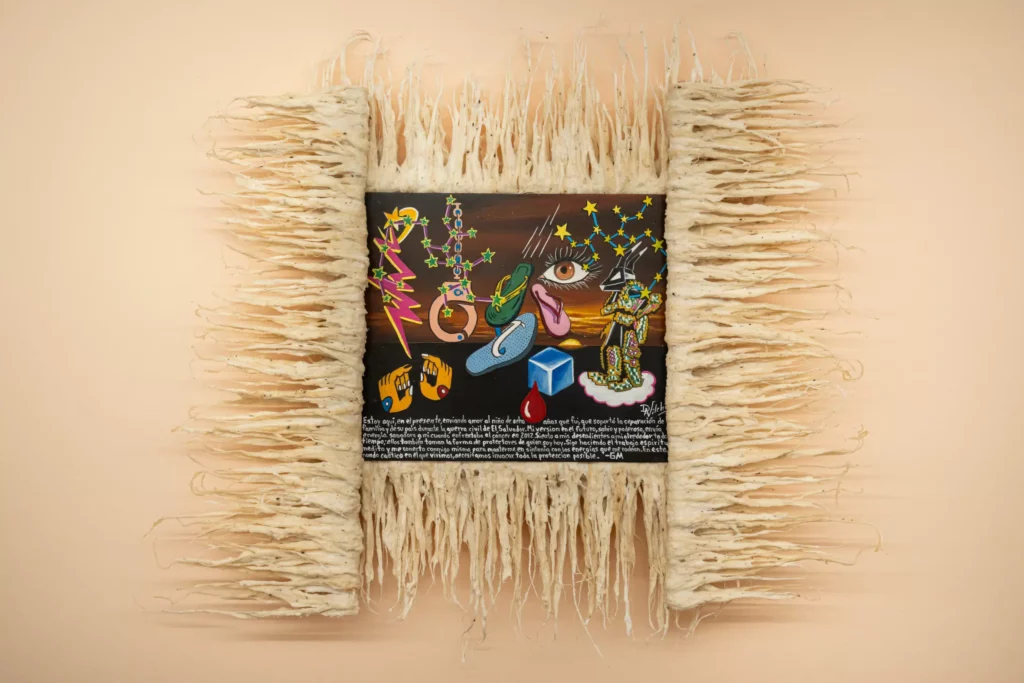
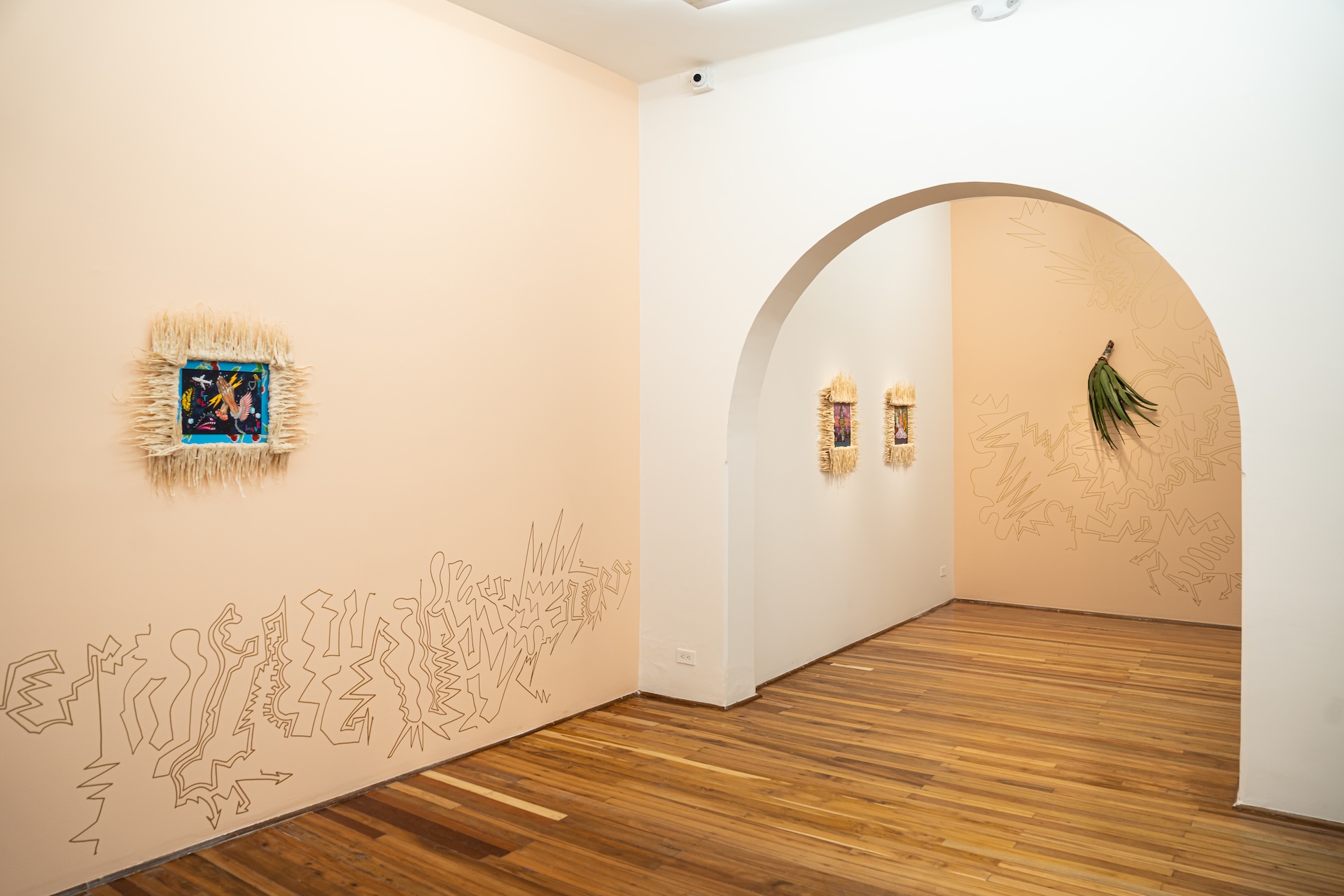
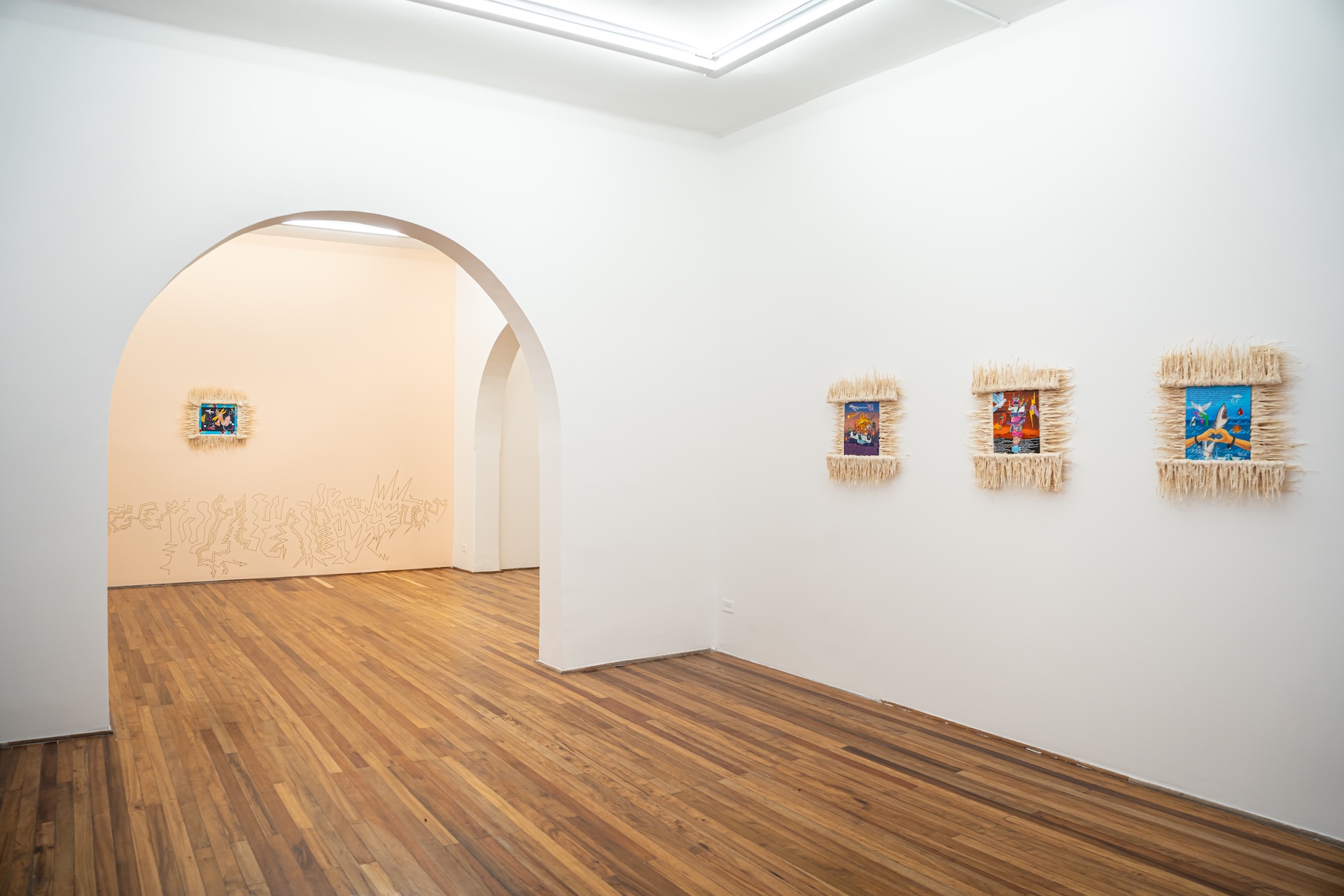
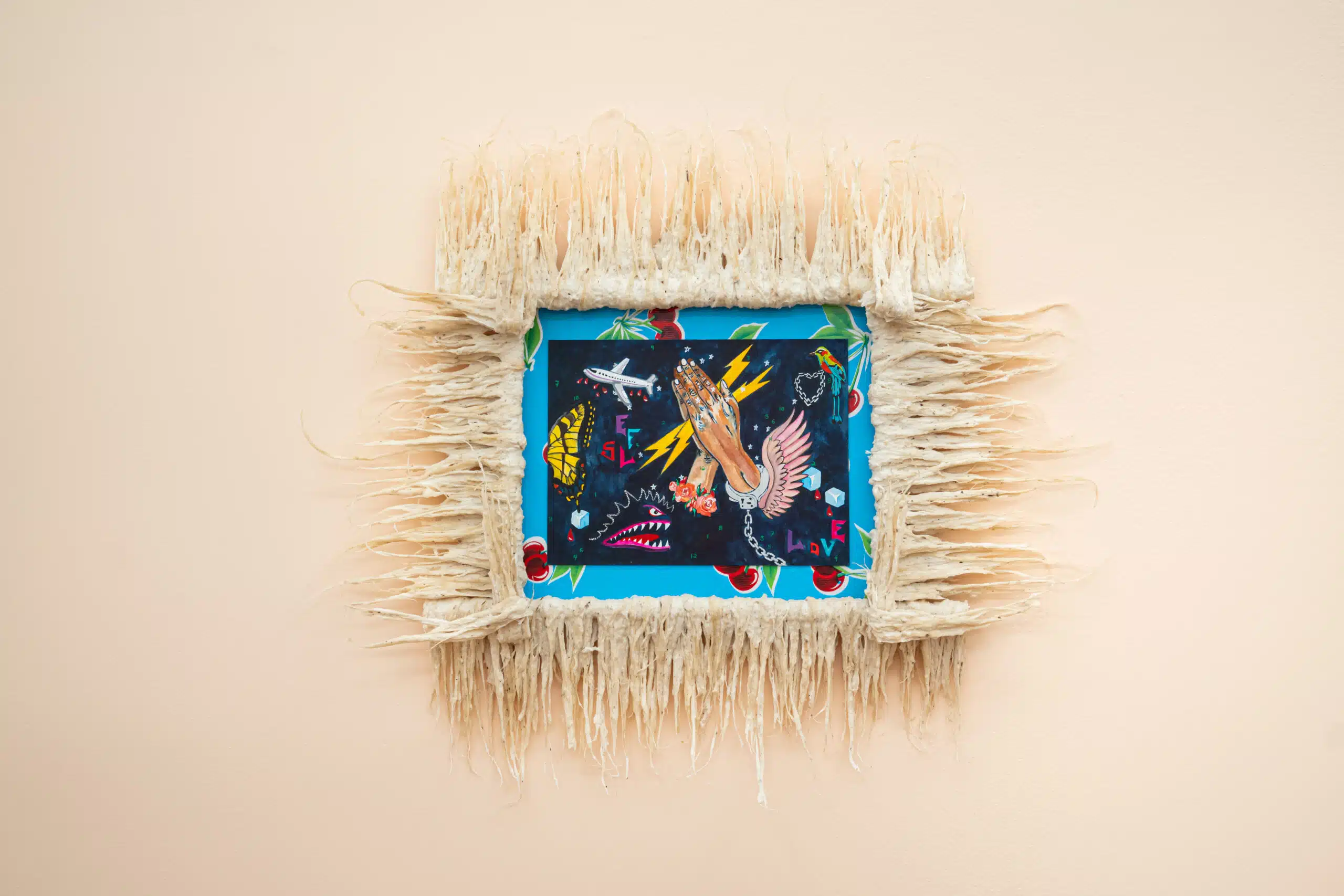
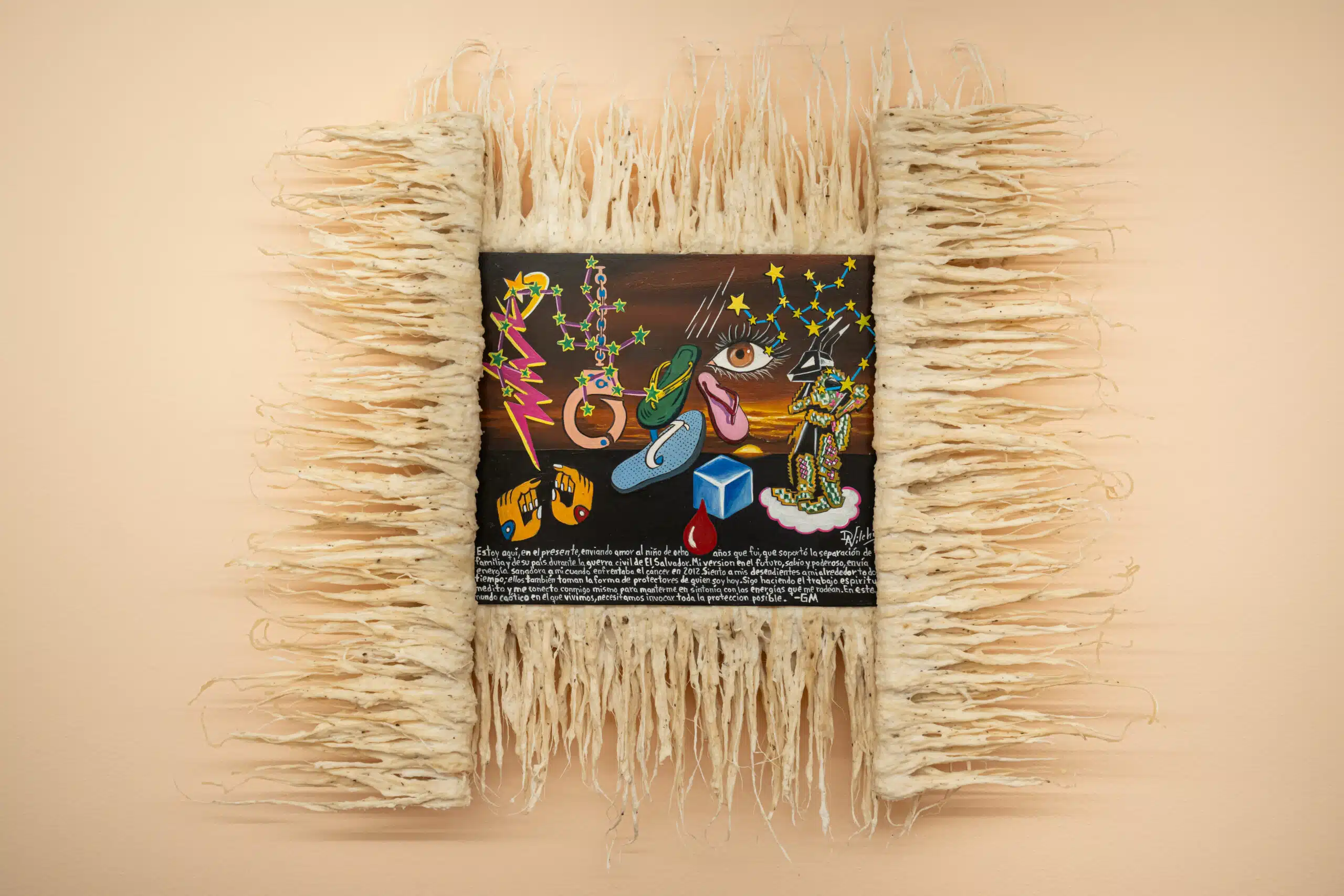
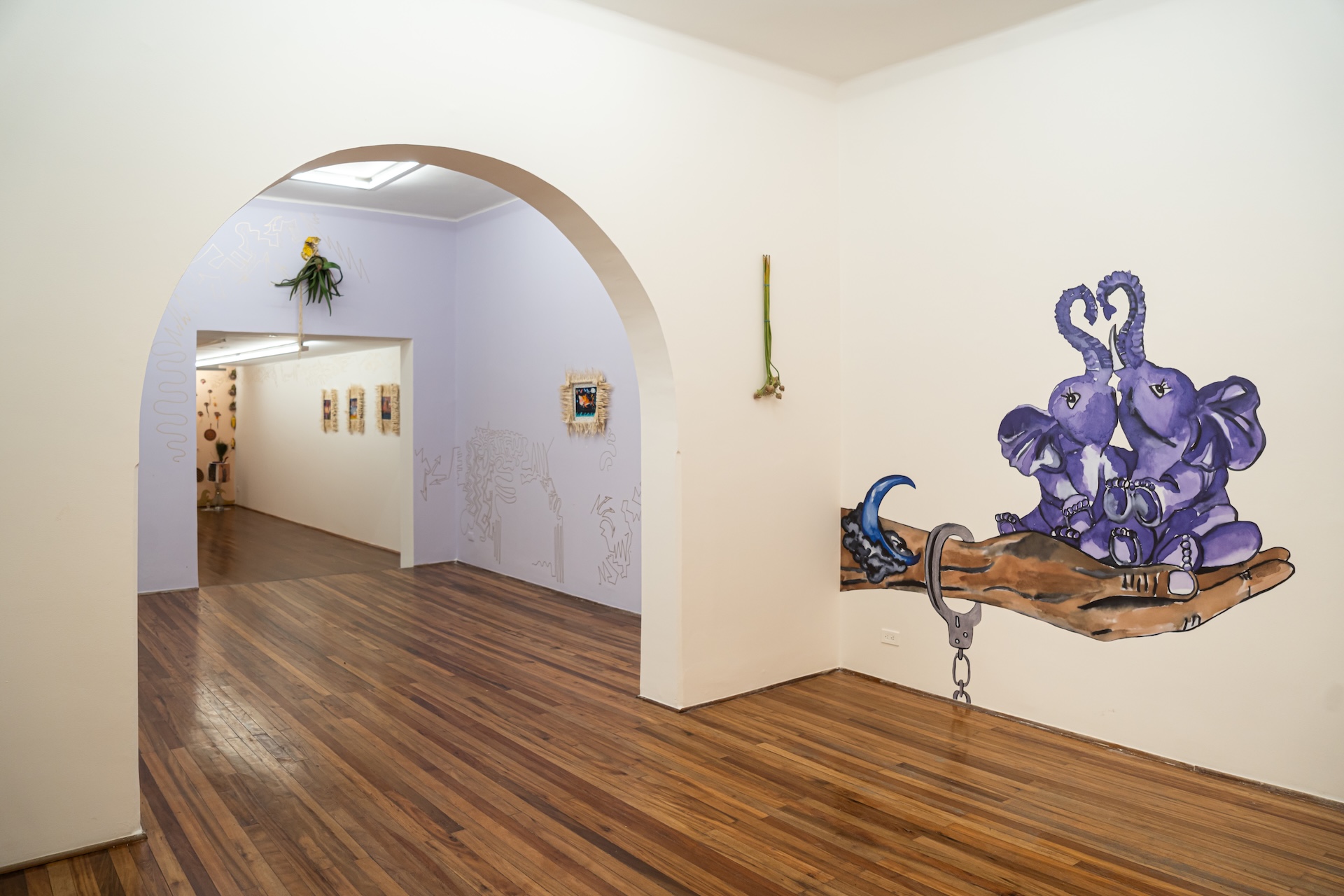
mythology, where art and healing converge. For Las abuelas poderosas (The Powerful Grandmothers), his first solo exhibition in Colombia, Guadalupe Maravilla brings together a selection of painting shrines, volcanic stone sculptures, mural drawings, and altars that intertwine three fundamental dimensions of his life and work: spirituality, collective healing, and migration. These pieces, which fuse ancestral heritage with contemporary experiences, become ritual instruments of healing.
The painting shrines draw from Maravilla’s personal mythology and feature inscriptions written by the artist, expressing gratitude while reflecting the challenges immigrants currently face in the United States. As part of his practice, Maravilla retraces his own migratory path after fleeing the civil war to heal these places of trauma. The investigation of these lands has led Maravilla to hire local craftsmen to help build large scale sculptures, paintings and rock carvings, while reinforcing his commitment to building micro-economies and support networks between local communities and immigrants. The volcanic stone sculptures evoke the physical, emotional, and symbolic weight of the migratory journey. These works are a catalyst for fragility understood as a form of resistance for those who carry their entire world on their shoulders or in their own hands. The choice of material, volcanic stone extracted from El Salvador and worked by artisans in Mexico, reinforces the connection with the territory, displacement, and collaboration.
READ MORE
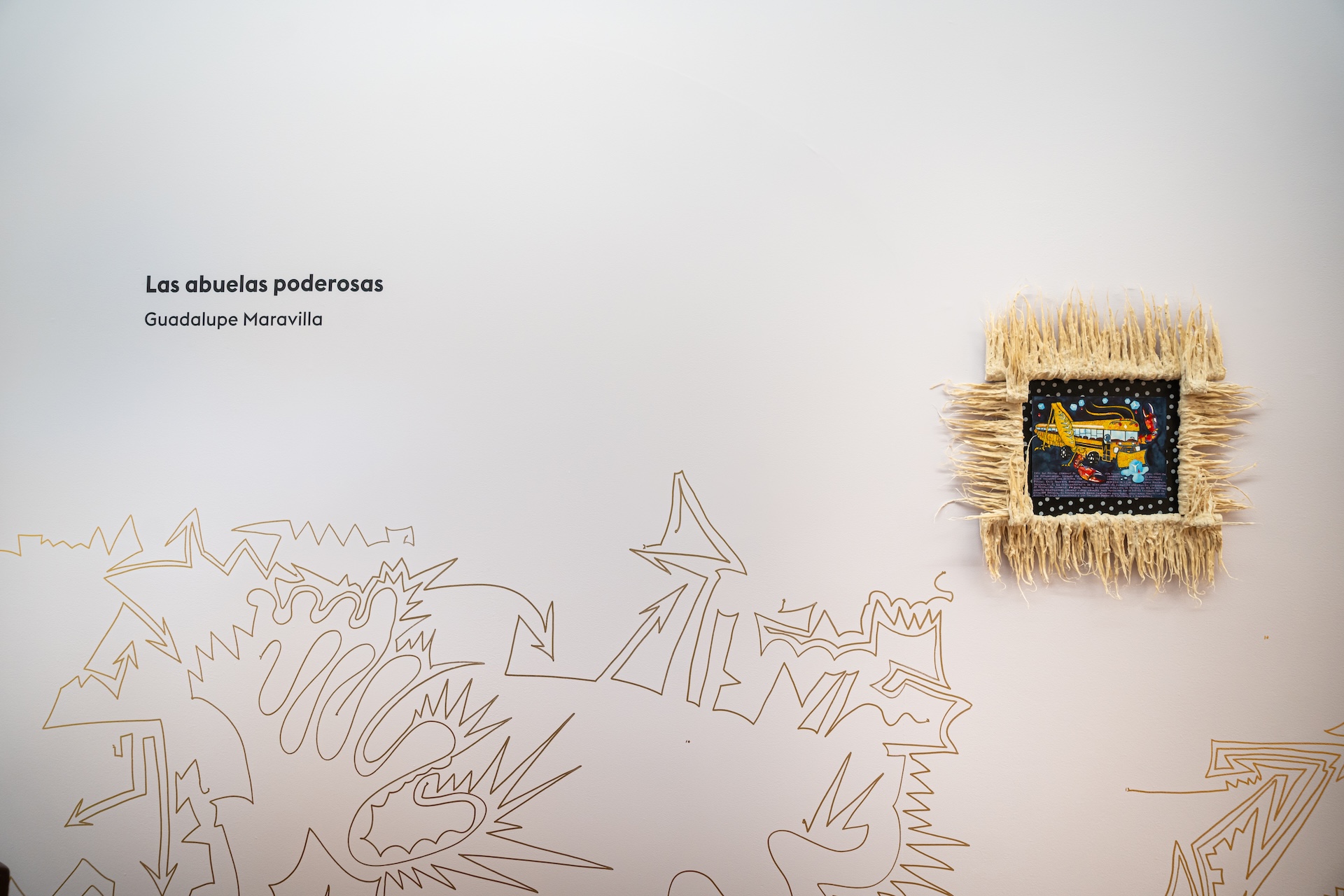
Las abuelas poderosas also includes one of the artist’s personal altars, designed to safeguard and protect the gallery space. The exhibition also features a mural inspired by the traditional Salvadoran game Tripa Chuca, in which participants seek to match pairs of numbers in the space, drawing lines that cannot cross each other, connecting points in unusual paths. The result of the game can resemble intestines, topographical maps, or fingerprints, and symbolize the migratory paths taken by immigrants. Maravilla often plays Tripa Chuca on the walls of his exhibitions with a hired participant who has experienced displacement. Maravilla views art as a tool for spiritual healing. Drawing on both traditional and contemporary practices, he leads ceremonies and workshops with healers from around the world to activate artworks and objects as instruments of self-healing. The pieces in Las Abuelas Poderosas are artworks but also function as ritualistic objects.