MATEO LÓPEZ
Desdoblar el tiempo
BOGOTA
SOLO SHOW
18.04-04.07.2026
1. EXHIBITION TEXT
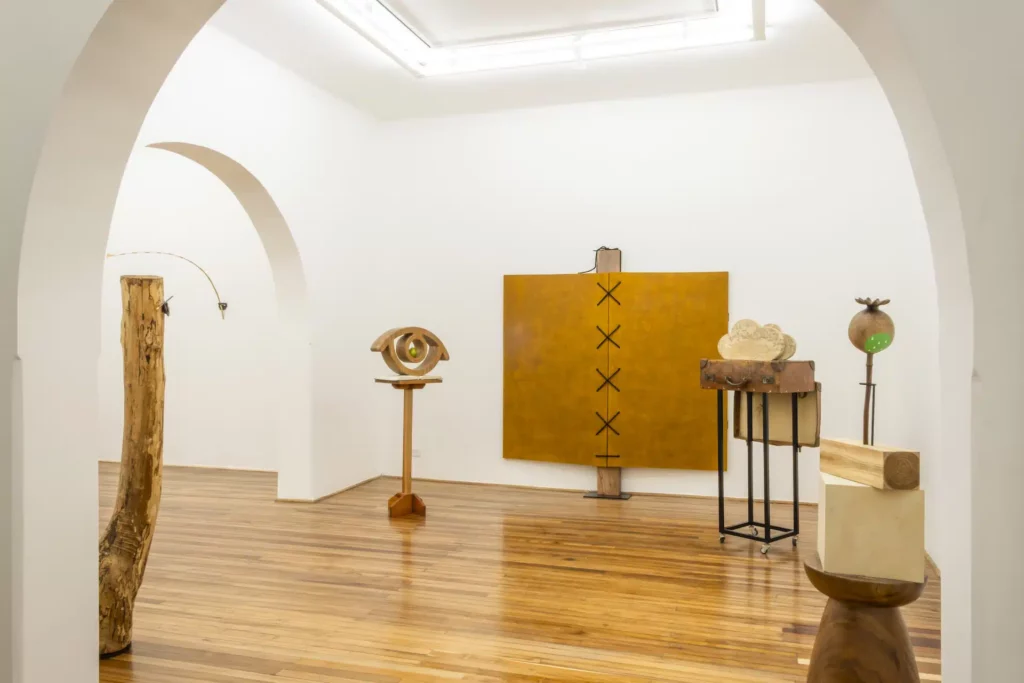
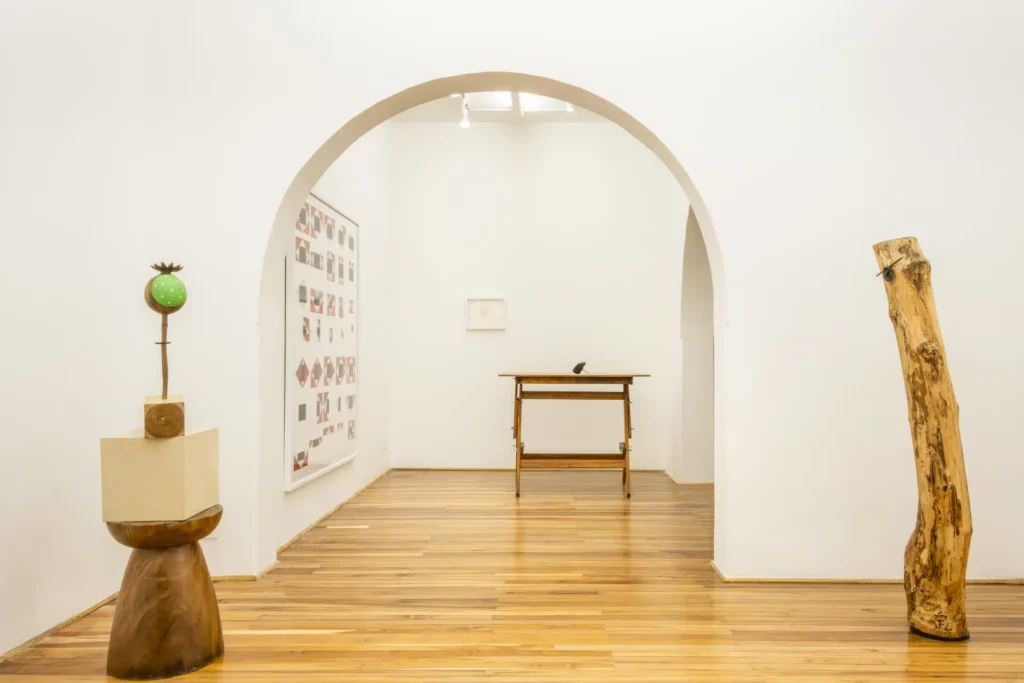
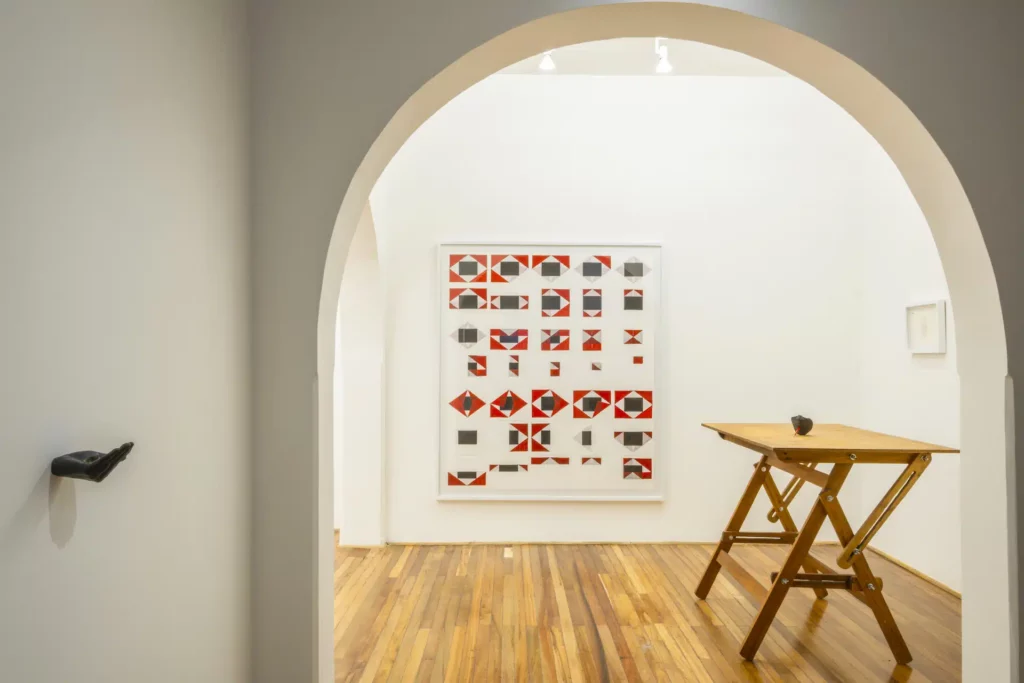
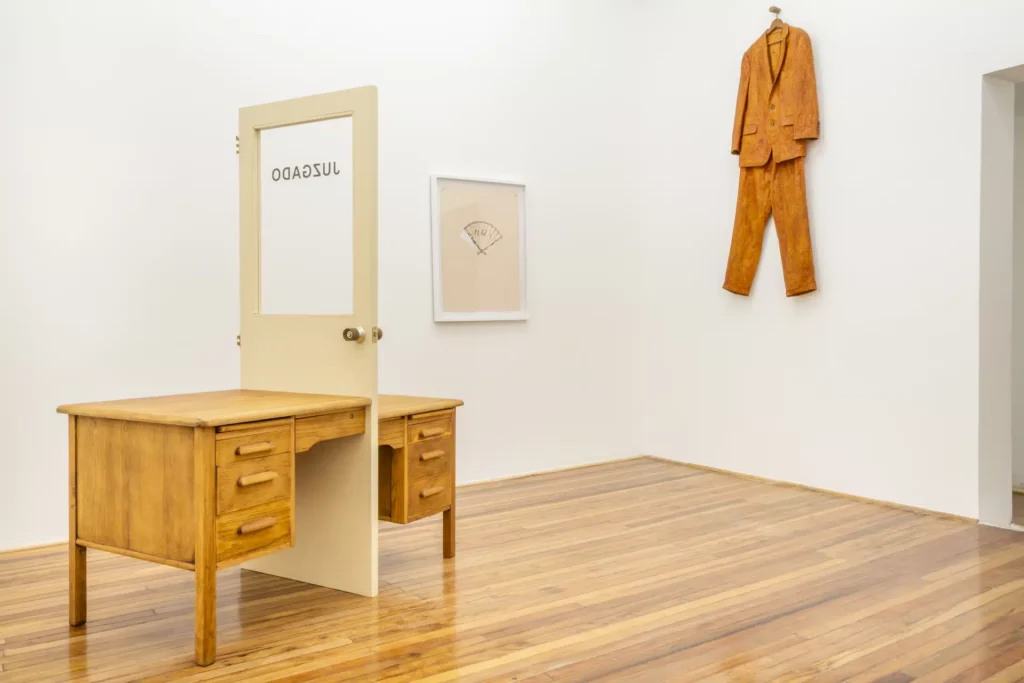
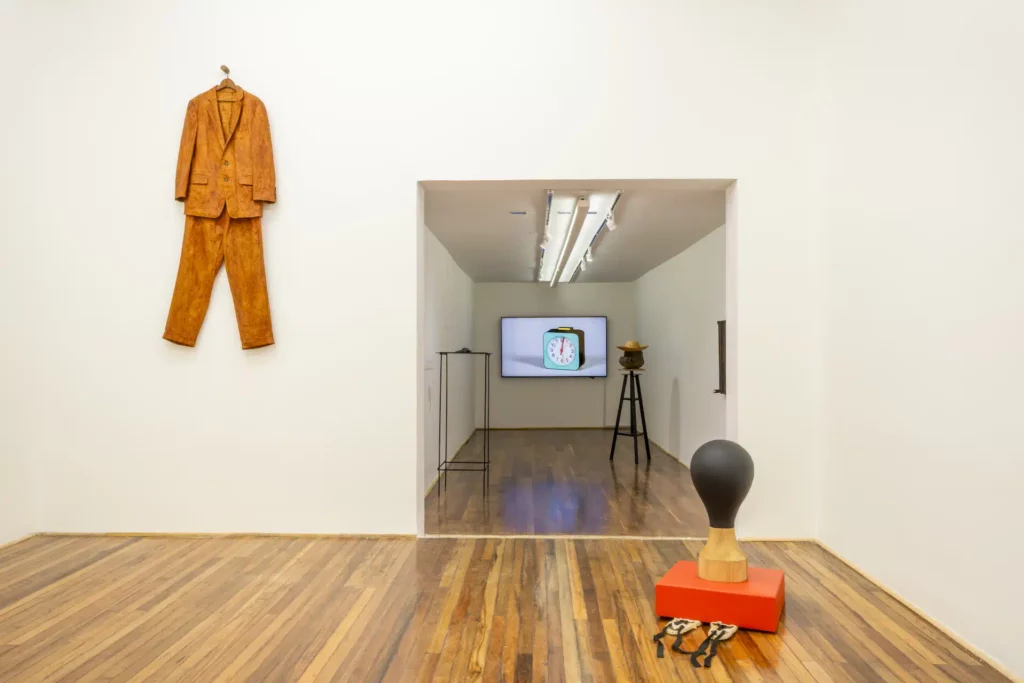
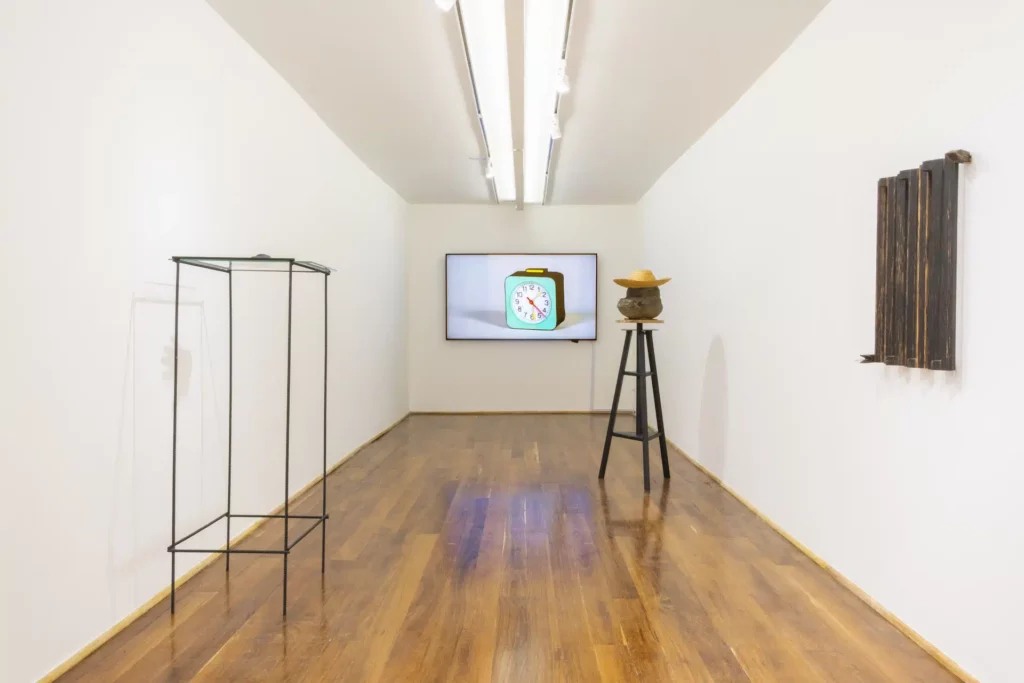
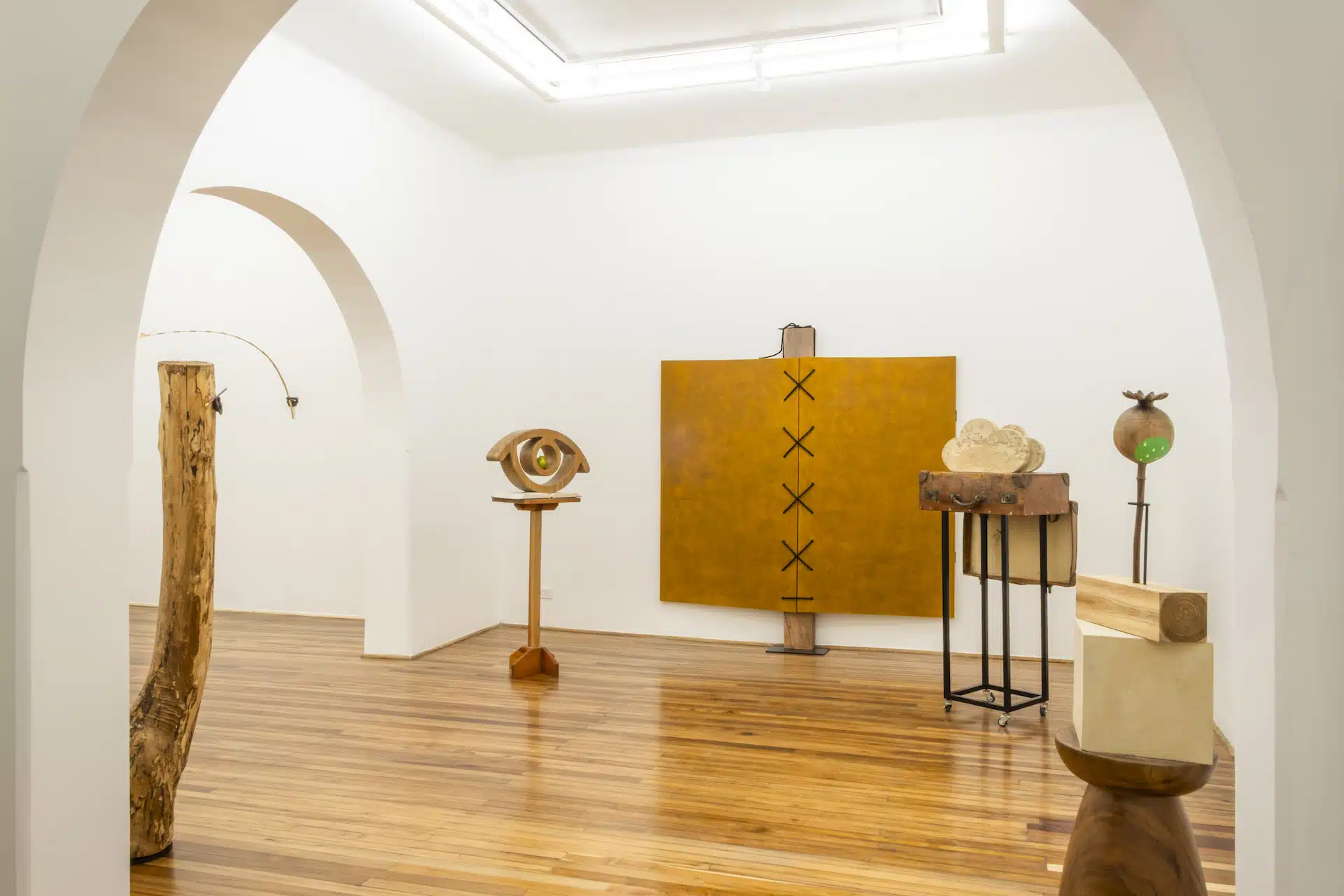
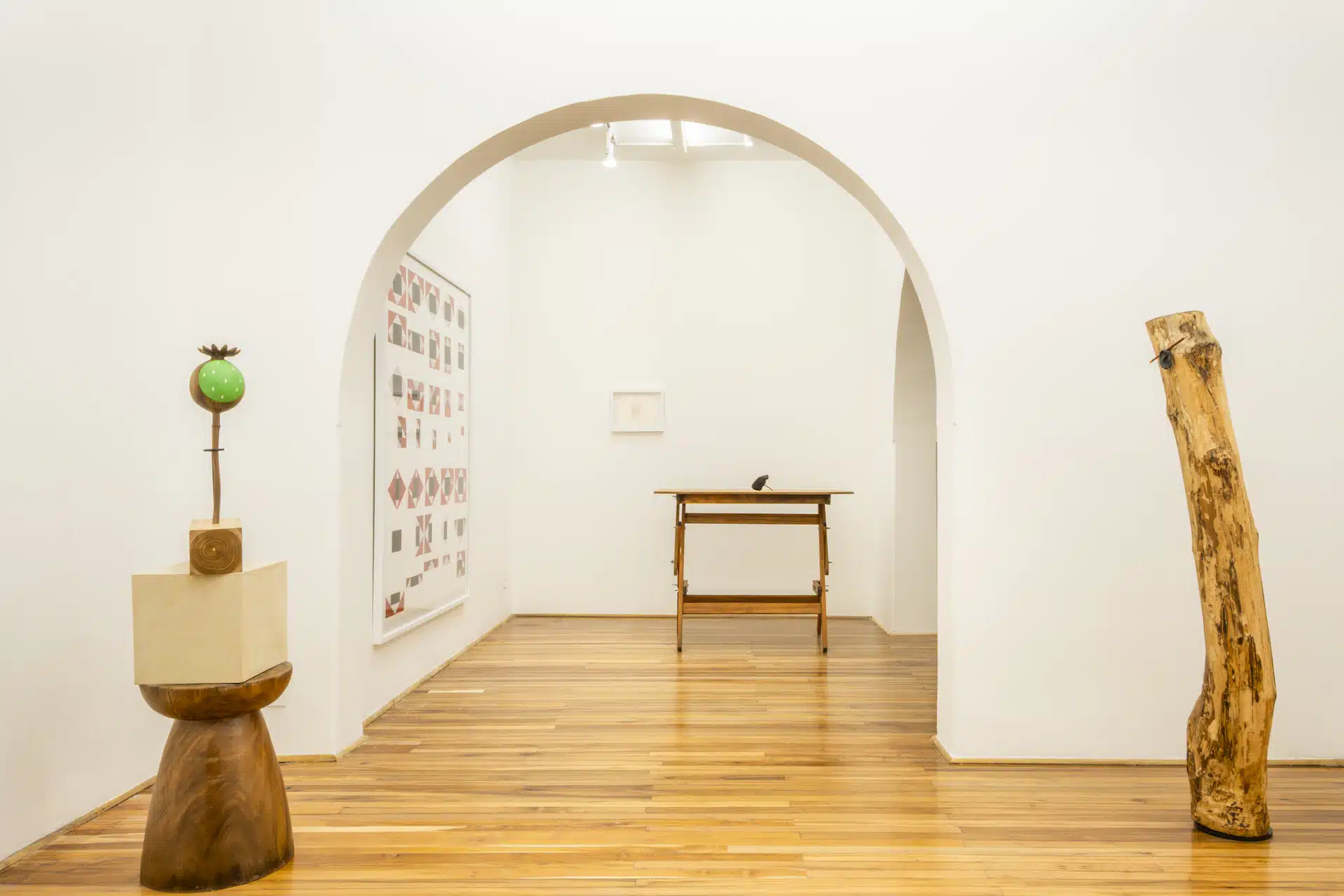
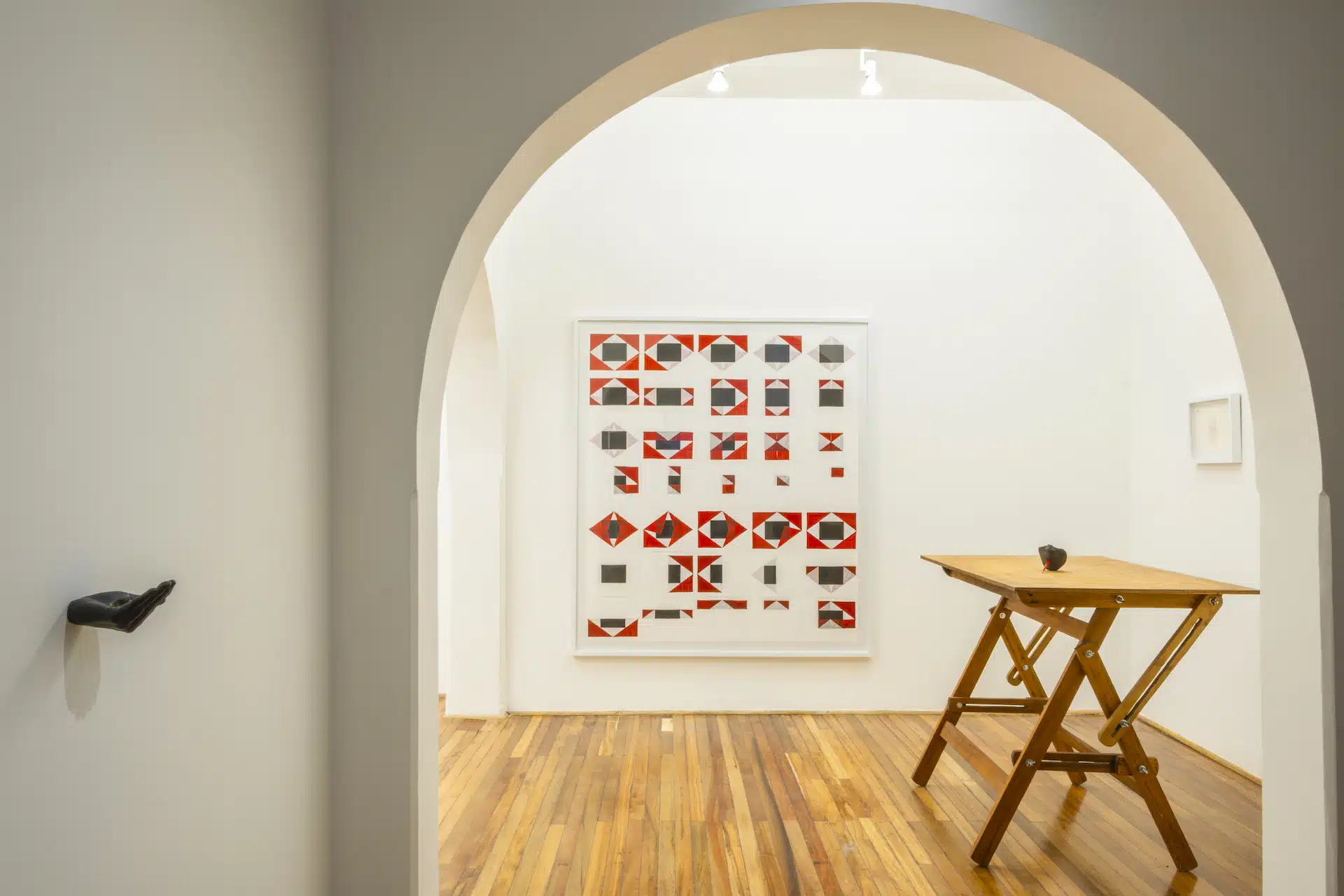
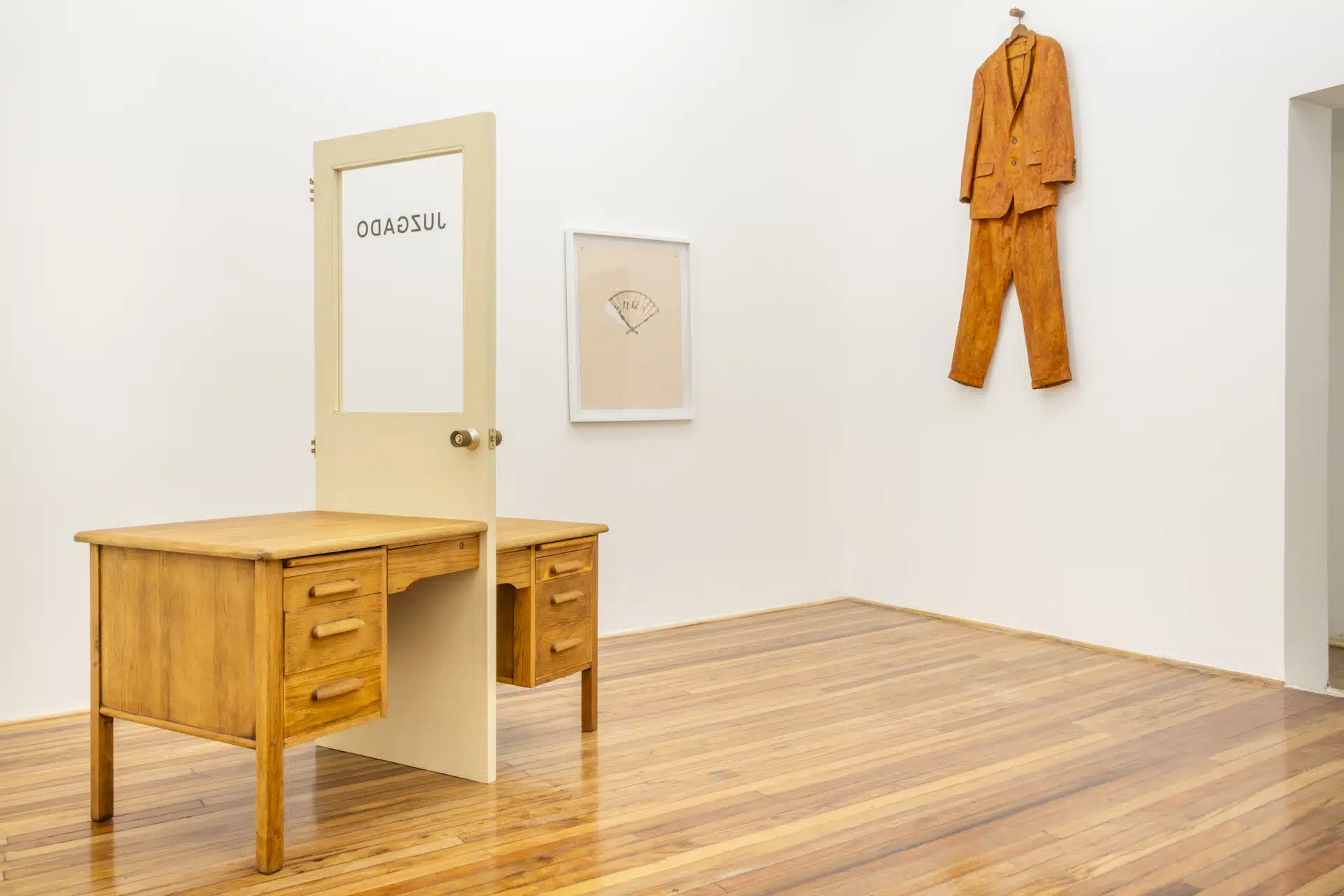
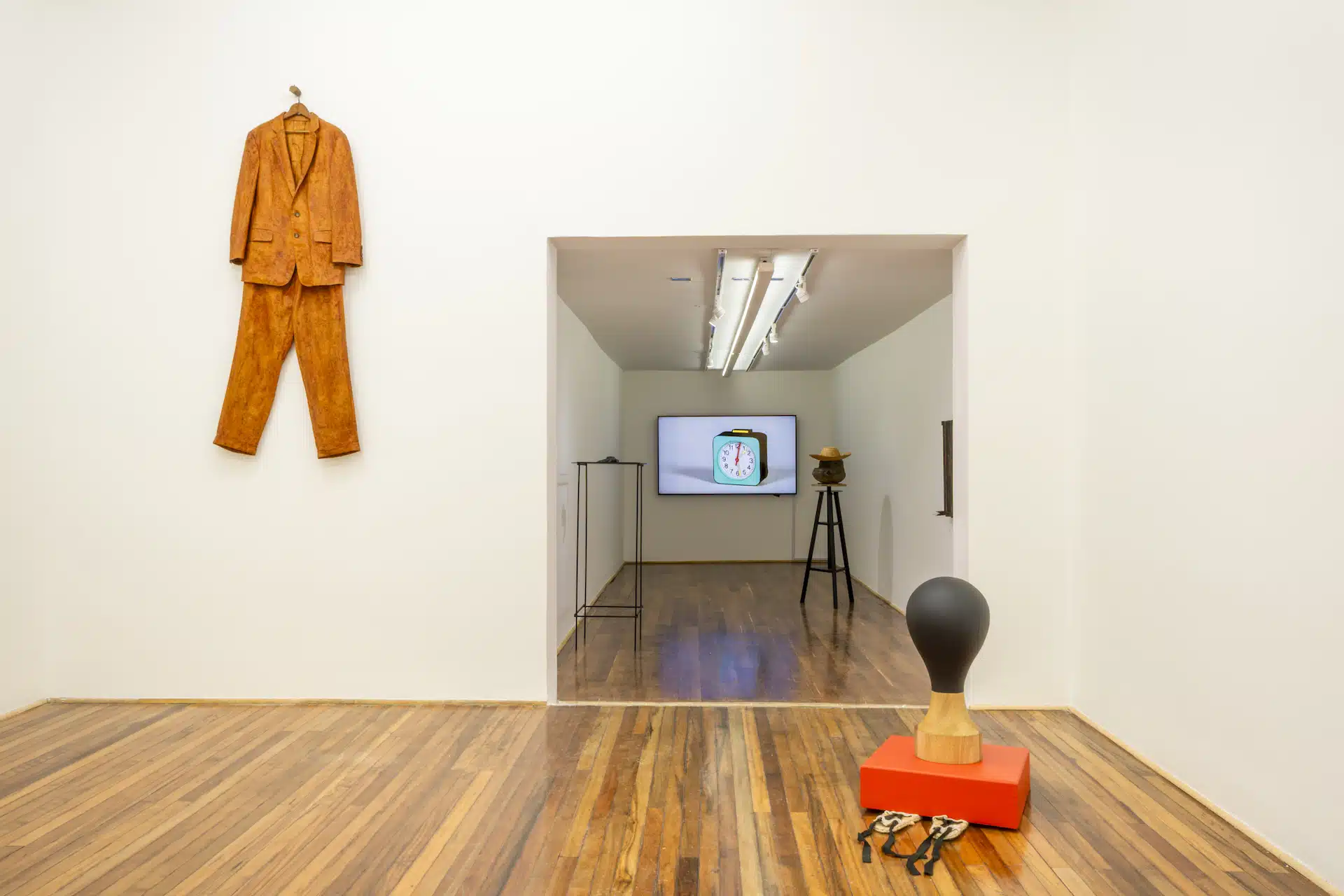
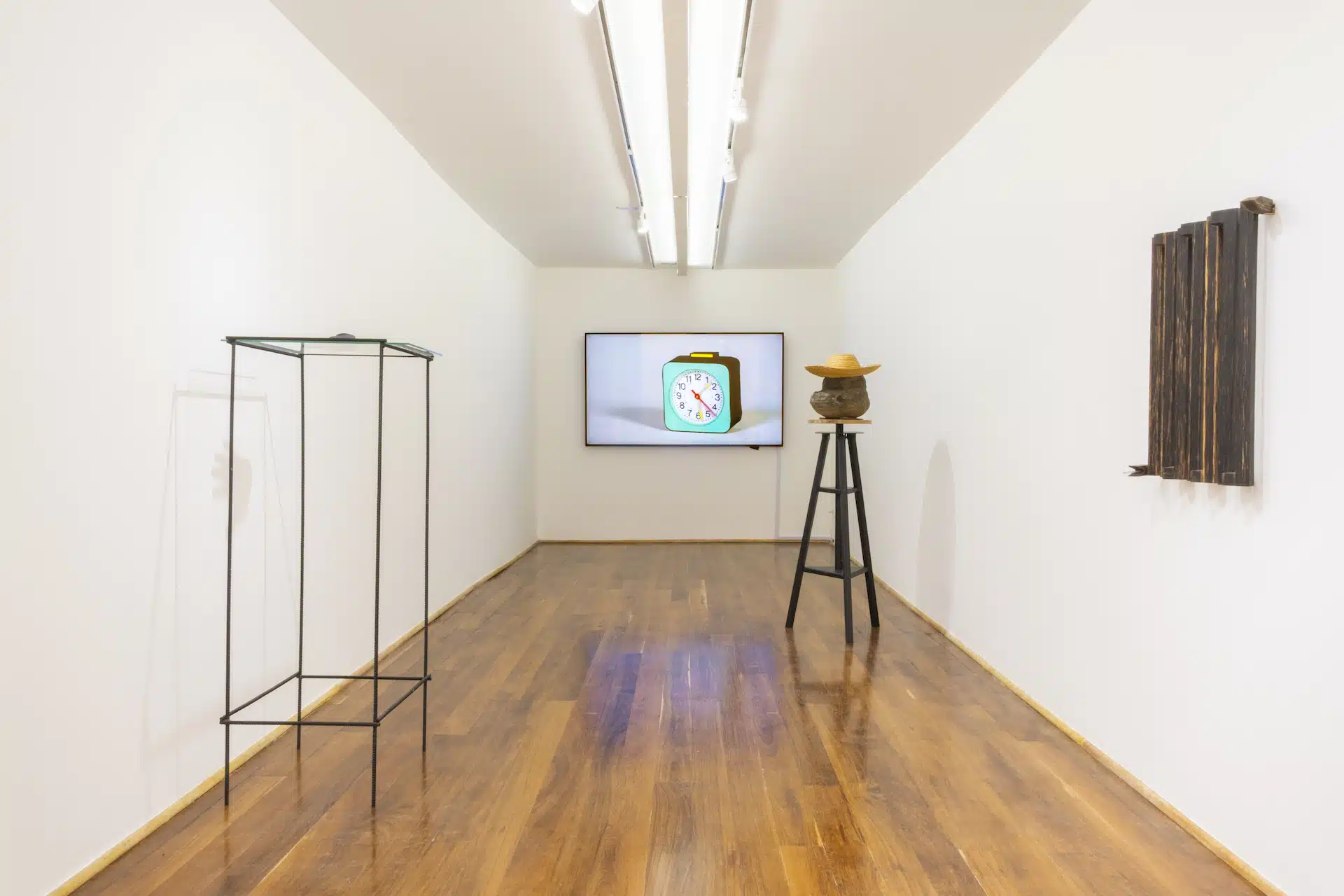
The practice of Mateo López (Bogotá, 1978) stems from a persistent reflection and a constant return to the idea of time and our experience of it. Not time as measured by the calendar or the clock, but time as a non-linear experience revealed through materials, gestures, and forms. In Desdoblar el tiempo, his most recent solo exhibition in Colombia, López brings together works from different stages of his production within a simultaneous space where the pieces articulate with one another. The title derives from the work Bandera de Guerra (Desdoblar el tiempo) (2017), which records the flag of the Liberating Campaign at the moment it is being folded. In this ceremonial gesture, López draws aention to the way the fabric becomes geometric abstraction: planes of color that appear and disappear through movement. From this, the exhibition is grounded in the idea of folding and material transformation.
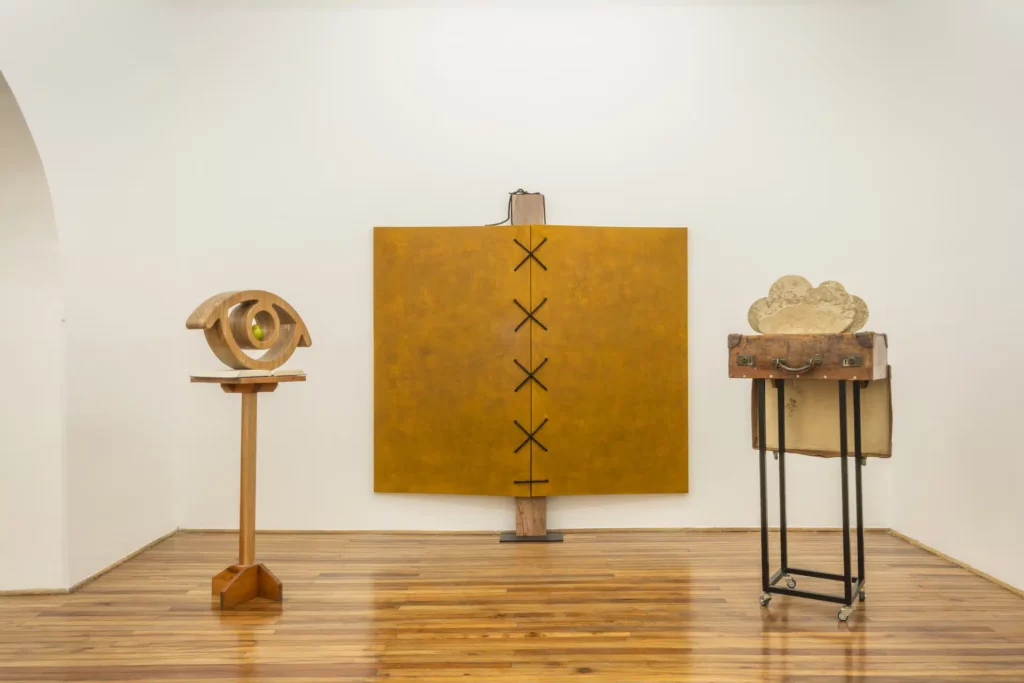
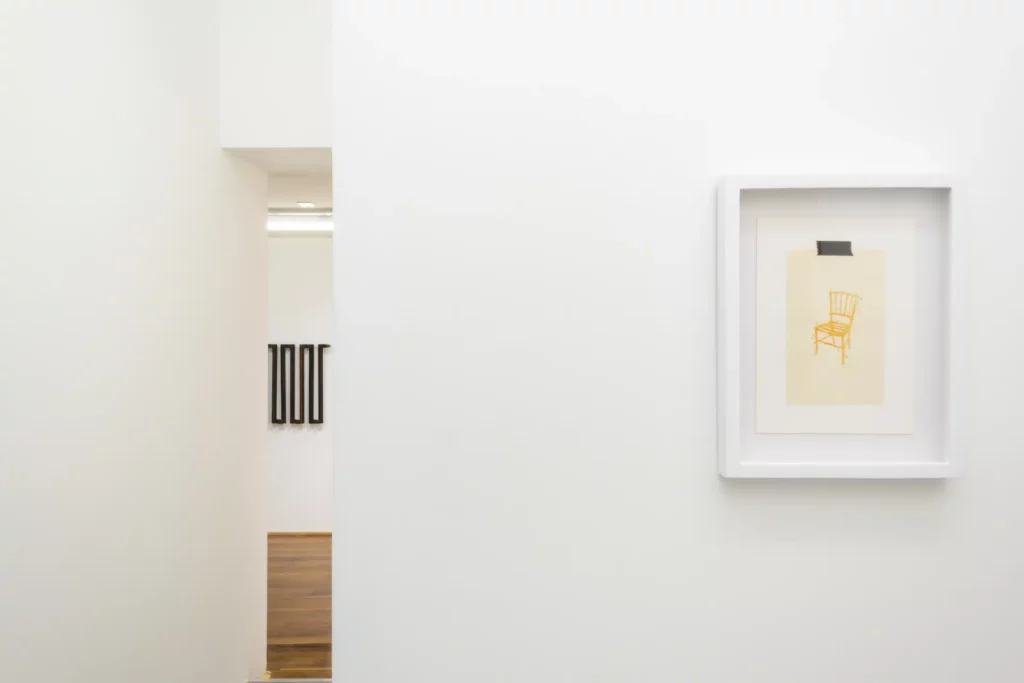
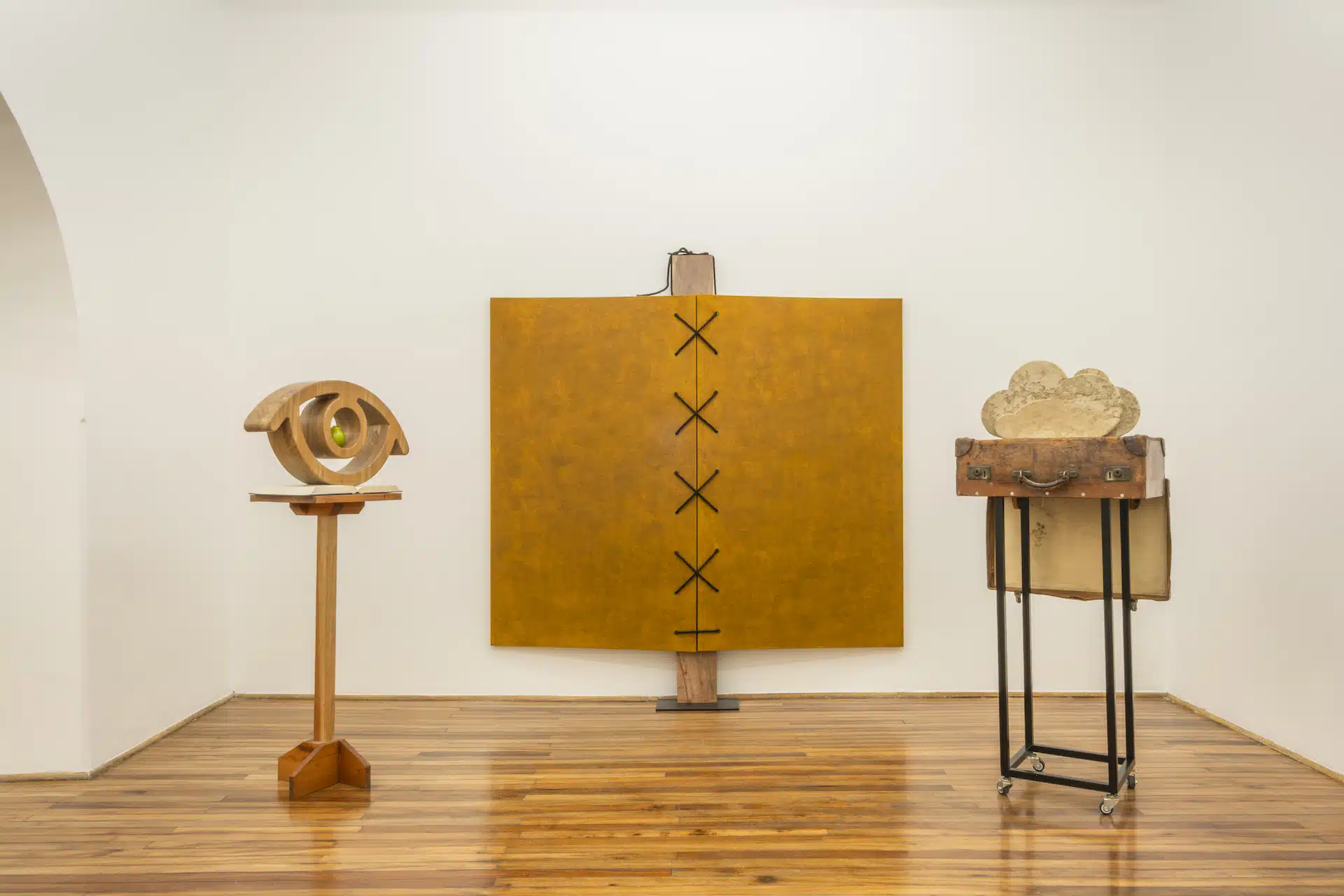
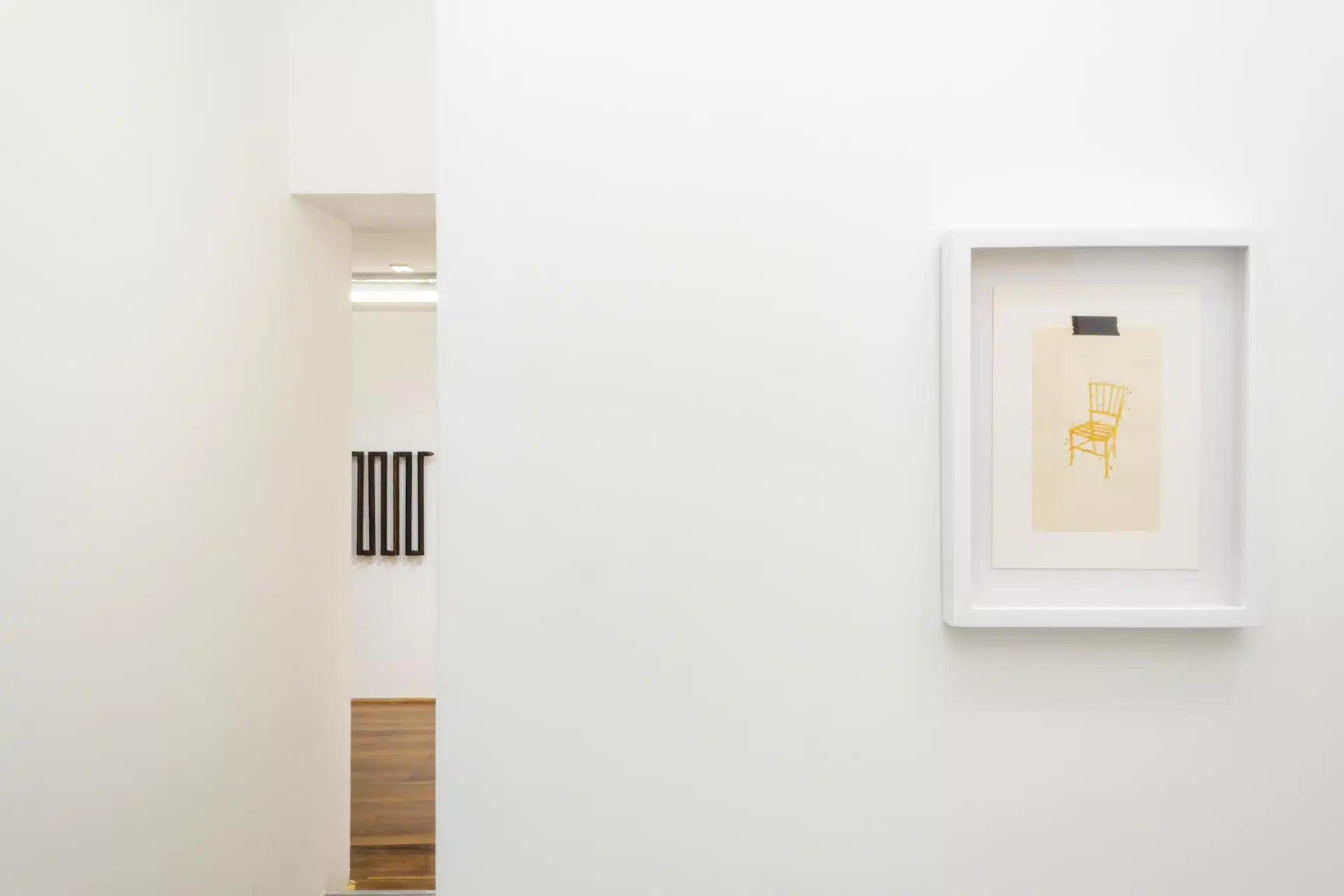
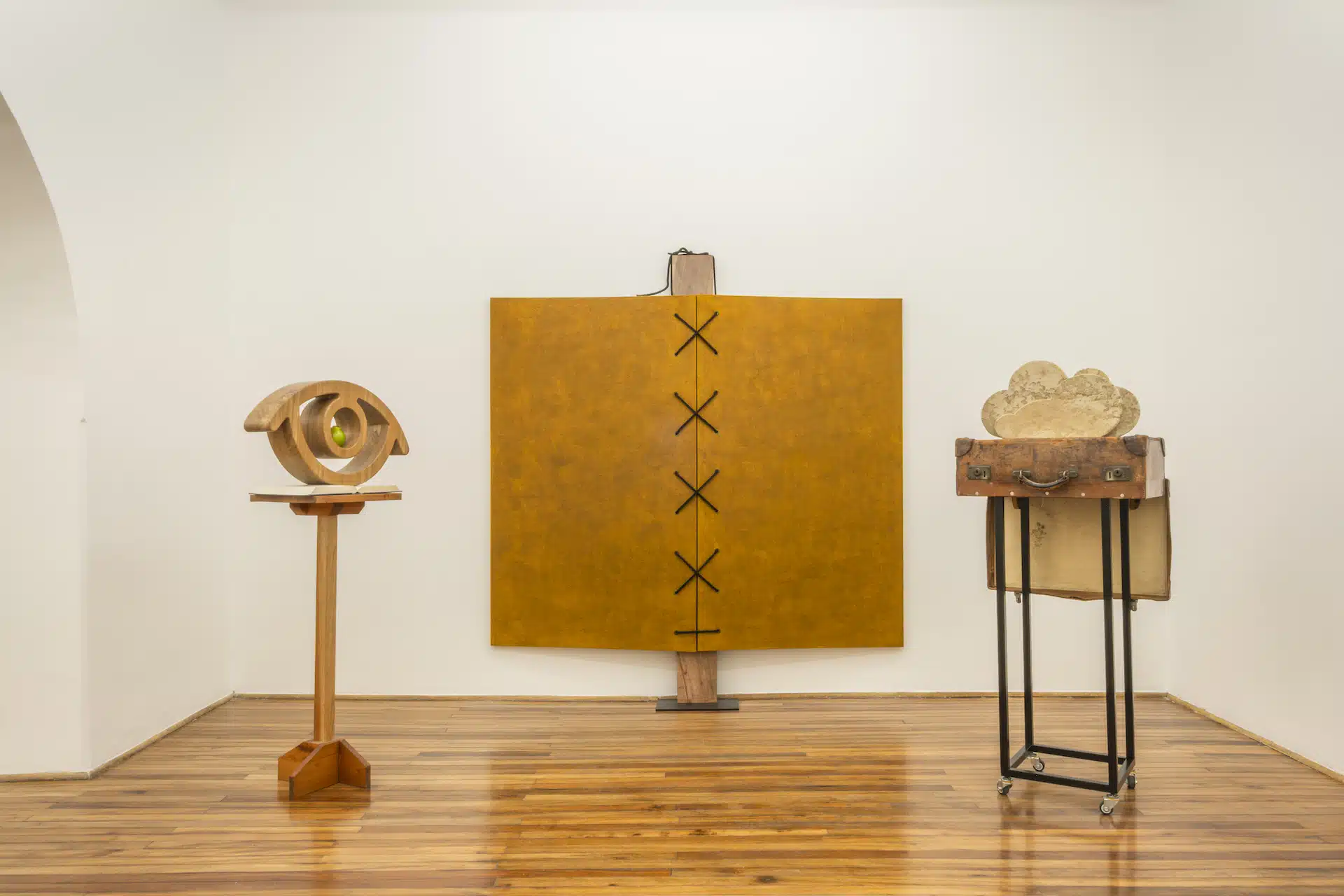
Mateo López’s work is an accumulation of notes awaiting reappearance. In the studio, he recomposes across different media the collected fragments—words, sketches, objects, ideas, and materials— whose origins and histories, both material and emotional, form the fundamental basis of his production: ideas that repeat themselves but manifest in different ways. The works that make up Desdoblar el tiempo trace a path through the media the artist engages. Rooted in drawing and sculpture, his pieces respond to processes that take place in the studio: the two-dimensional drawing that becomes an object, the object that becomes animation, and the animation that becomes action. The result is a multimedia body of work with a strong emphasis on materiality.
The selection of materials is grounded in a curiosity about their origins and the anecdotes objects carry. Materiality here does not merely reflect an aesthetic preference; it speaks of territory, history, and the encounter between raw material and the process that re-signifies it. The works also hold tensions between the industrial and the artisanal, approaching art through the making of objects and what unfolds in the studio. The exhibition consequently adopts an earth-bound palee—natural pigments, noble materials—which is, at the same time, a position. A position that acknowledges that in Colombia, nature can hardly be reduced to contemplation alone: territory is also dispute, memory, and resource. What in other contexts might be read as a poetic choice—an affinity with the earth, its colors and textures— here acquires an inevitably political dimension.
READ MORE
This concern for materiality coexists with a keen eye on art history— one that is not reverential but rather appropriative: a gesture of cultural anthropophagy that asks how art is produced in Europe and the United States, and what happens to it when viewed from Latin America, from Colombia. López does not ignore canonical narratives; rather, he dislocates them, brings them into a different territory, and subjects them to a different question. Thus, art history does not function in his work as a framework of legitimation but as just another material: something that can be dismantled, recontextualized, and brought into dialogue with the stories inherent to the objects and surfaces it inhabits.